Bruce McLaren’s legacy in the automotive world transcends time, as his innovations and philosophies continue to shape the performance car industry. His unique approach to engineering, racing, and design has not only redefined racing standards but has also profoundly influenced the development of modern performance vehicles.
The Early Innovations of Bruce McLaren
Bruce McLaren’s early work in automotive engineering focused on one central tenet: reducing weight to enhance performance. His development of lightweight chassis designs transformed the way cars were built. By utilizing innovative techniques and materials, McLaren was able to produce vehicles that were not only faster but also more agile and responsive on the track. This focus on weight reduction became a guiding principle for performance car design, influencing everything from race cars to consumer sports cars.
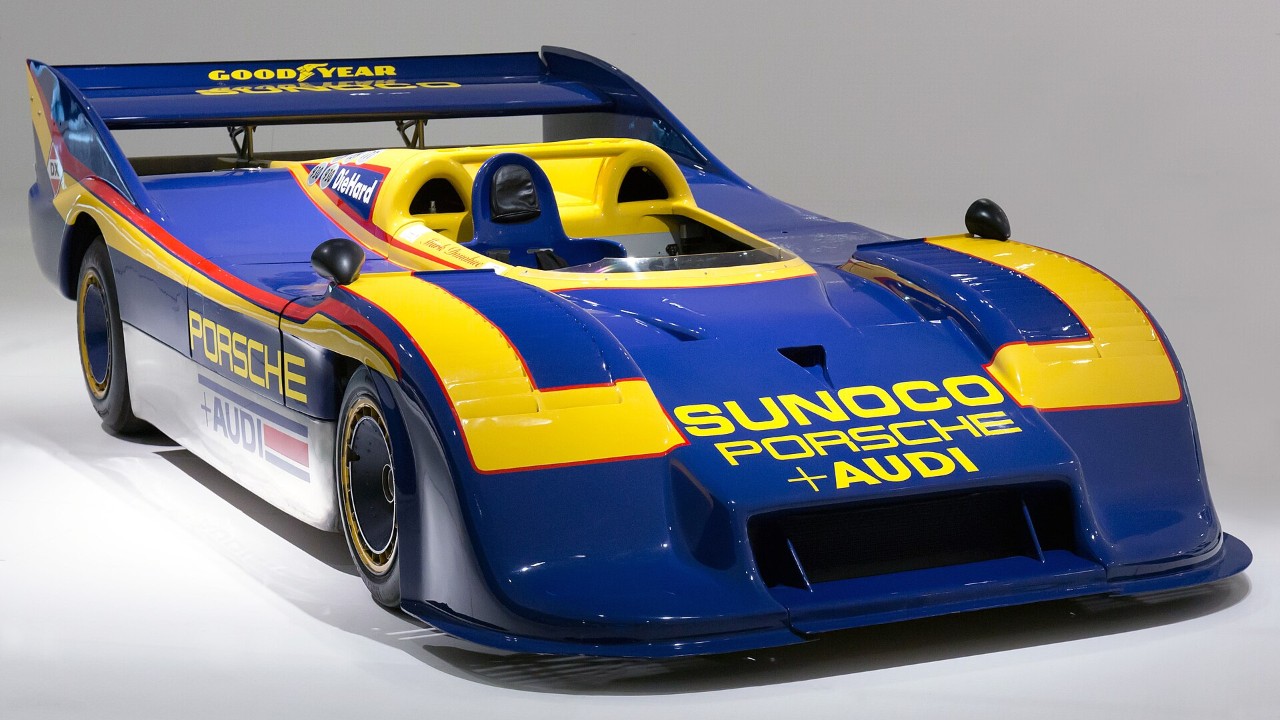
Another groundbreaking endeavor by McLaren was the introduction of aerodynamic principles in automotive design. He understood that air resistance could significantly impact speed and handling. His early experiments with aerodynamic shapes laid the groundwork for future generations of sports cars, making them faster and more stable at high speeds. This emphasis on aerodynamics can still be seen in today’s supercars, where sleek lines and optimized airflow are paramount.
Moreover, McLaren was a pioneer in the use of composite materials in car construction. By integrating advanced materials such as carbon fiber into automotive engineering, he not only improved performance but also safety. The adoption of these materials has revolutionized car manufacturing, allowing for lighter and stronger structures. This legacy endures in modern vehicles, where composite materials enhance both performance and safety in high-speed scenarios.
The Legacy of McLaren Racing
The establishment of the McLaren F1 team in 1963 marked a pivotal moment in motorsport history. Bruce McLaren’s vision for the team was not just to compete but to excel. The McLaren Racing team quickly became a formidable presence in Formula 1, setting new standards for performance and innovation. With a series of notable achievements, including multiple Constructors’ Championships and Drivers’ Championships, McLaren Racing has left an indelible mark on the sport.
Throughout its history, McLaren has introduced numerous technological breakthroughs that have set it apart from competitors in motorsports. Innovations such as the use of telemetry for real-time data analysis and the development of advanced tire compounds have redefined racing strategies. These technologies not only improved performance on the track but also made their way into consumer vehicles, enhancing the overall driving experience.
The impact of racing on road car development cannot be overstated. Technologies developed for the track often find their way into production models, allowing everyday drivers to experience a taste of the performance that defines McLaren Racing. The synergy between racing and road car development is a testament to McLaren’s commitment to innovation and excellence.
Iconic Models and Their Influence
The McLaren M6 GT, introduced in 1969, is a prime example of how Bruce McLaren’s vision influenced the supercar genre. Designed as a road-legal version of the M6A race car, the M6 GT blended racing heritage with cutting-edge design. Its lightweight construction and aerodynamic profile set the stage for future supercars. You can read more about this model and its impact on the industry at Supercars.net.
The McLaren F1, launched in the early 1990s, is often regarded as one of the greatest supercars of all time. Its combination of performance, luxury, and exclusivity set new standards. The F1 was not only the fastest production car for a time but also featured a driver-centric layout that emphasized the driving experience. This model remains a benchmark for modern supercars, influencing designs and engineering philosophies across the industry.
Today, modern McLaren models continue to reflect the brand’s design philosophy and engineering excellence. The McLaren 720S, for instance, showcases advanced aerodynamics and lightweight construction, hallmarks of McLaren’s heritage. The integration of hybrid technology in models like the McLaren Artura demonstrates the brand’s commitment to innovation while staying true to its performance roots.
McLaren’s Engineering Philosophy
At the core of McLaren’s philosophy is a commitment to driver-centric design. Every aspect of a McLaren vehicle is meticulously crafted to enhance the driver experience. From the ergonomics of the cockpit to the responsiveness of the controls, McLaren places the driver at the center of the engineering process. This focus ensures that each car not only performs exceptionally but also delivers an engaging and intuitive driving experience.
Additionally, McLaren’s innovative use of technology plays a significant role in modern performance vehicles. The integration of hybrid systems, advanced telemetry, and active aerodynamics demonstrates how McLaren is at the forefront of automotive technology. These innovations not only improve performance but also contribute to sustainability, allowing McLaren to adapt to the changing landscape of the automotive industry.
Continuous improvement and evolution are essential to McLaren’s engineering philosophy. The brand constantly seeks to push boundaries, whether through developing new technologies or refining existing designs. This commitment to innovation ensures that McLaren remains a leader in the performance car segment, setting trends that others aspire to follow.
Cultural Impact and Enthusiast Community
McLaren’s influence extends beyond the realm of engineering and racing; it has also made a significant impact on car culture. Among automotive enthusiasts and collectors, McLaren is revered for its blend of performance and exclusivity. The brand’s racing heritage and commitment to innovation resonate deeply within automotive circles. Events like Monterey Car Week celebrate this legacy, bringing together enthusiasts to share their passion for McLaren and its history.
Such events not only highlight the performance capabilities of McLaren vehicles but also foster a sense of community among fans. It is here that enthusiasts exchange stories, showcase their cars, and pay homage to Bruce McLaren’s vision. The cultural significance of McLaren is reinforced by the ongoing interest in its models, which continue to appreciate in value and desirability within the collector market.
In the digital age, online communities play a crucial role in keeping the McLaren spirit alive. Platforms like Facebook host dedicated groups where enthusiasts can connect, share tips, and discuss their love for all things McLaren. One such group can be found at Facebook. These communities allow fans to engage with each other, share experiences, and celebrate the brand’s rich heritage.
The Future of Performance Cars: McLaren’s Role
As the automotive landscape evolves, so too does McLaren’s approach to performance vehicles. Emerging trends such as electrification and sustainability are reshaping the industry, and McLaren is at the forefront of this transformation. The brand’s commitment to developing hybrid and electric performance cars ensures that it remains relevant in a rapidly changing market.
Anticipated innovations from McLaren include advancements in battery technology and regenerative braking systems, which could further enhance performance while reducing environmental impact. These technologies will not only improve the efficiency of McLaren vehicles but also set new benchmarks for the performance car segment.
McLaren’s practices can serve as a model for future manufacturers seeking to create high-performance vehicles. By prioritizing innovation, driver experience, and sustainability, McLaren demonstrates how to adapt to new challenges while maintaining a commitment to excellence. As we look to the future, the influence of Bruce McLaren will undoubtedly continue to resonate within the automotive industry, inspiring the next generation of performance cars.
More from Fast Lane Only
- Unboxing the WWII Jeep in a Crate
- 15 rare Chevys collectors are quietly buying
- 10 underrated V8s still worth hunting down
- Police notice this before you even roll window down
*Research for this article included AI assistance, with all final content reviewed by human editors.