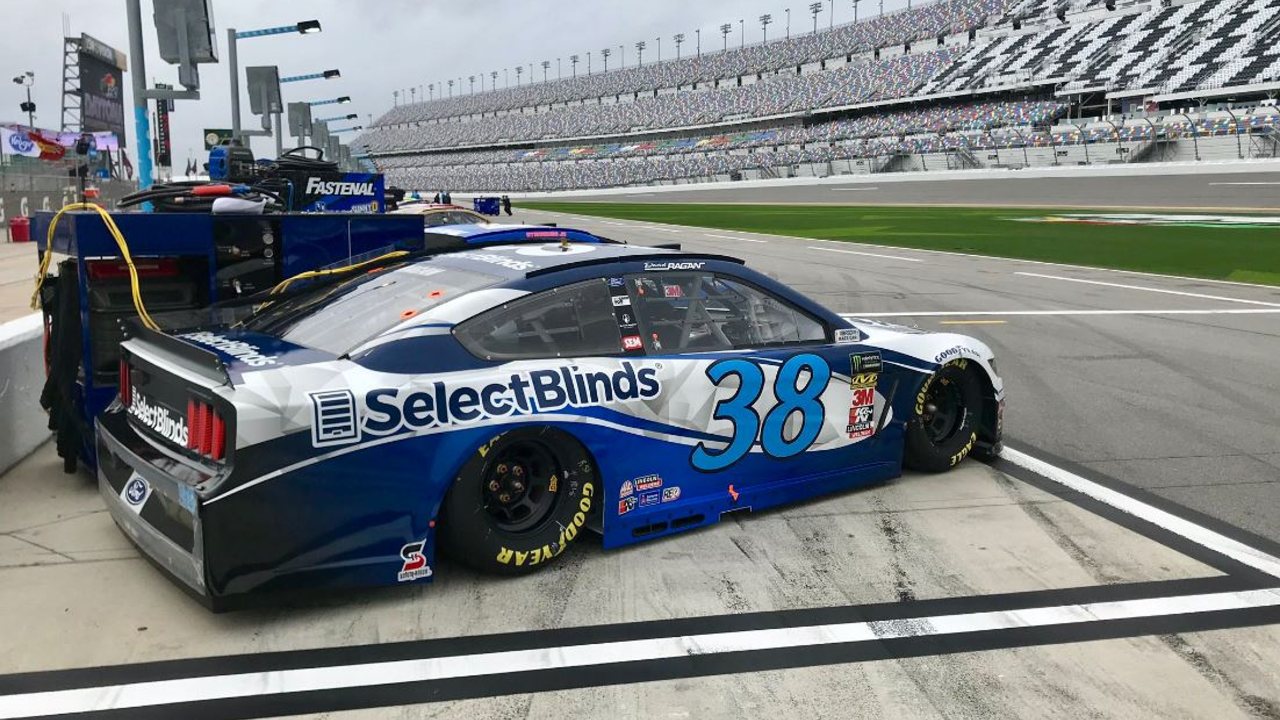
Power in NASCAR rarely sits in plain view. While fans see drivers, teams, and the sanctioning body arguing over rules and results, the companies that build the engines and stamp their badges on the grilles often shape outcomes from the shadows, using money, technology, and quiet coordination to tilt the competitive field.
Those manufacturers do not simply chase trophies for bragging rights. They treat stock car racing as a laboratory for engineering and a showroom for sales, and they work behind closed doors with teams and officials to protect that investment, influence strategy, and, at times, test the limits of what the rulebook will allow.
How manufacturer money quietly steers the sport
When I follow the money in NASCAR, it leads straight to the manufacturers. Teams depend on factory backing for engines, engineering staff, simulation tools, and wind tunnel time, and that support is not evenly distributed. Fans on one prominent discussion thread describe how the individual teams “do get support from their manufacturer,” noting that this backing can range from technical help to outright pressure on which drivers and organizations receive the best equipment, and that it even shapes conversations about whether a new brand such as Honda might join the grid, as highlighted in a Mar exchange.
That unequal flow of resources creates a quiet hierarchy inside each badge. Another fan explanation notes that it “mostly comes down to team affiliations,” with top organizations receiving deeper technical and engineering support while smaller outfits are left to make do with less sophisticated data and older parts, a dynamic that turns manufacturer alliances into a second layer of team ownership that most viewers never see, as described in a Jun breakdown. In practice, that means a driver’s prospects can hinge less on personal talent than on whether their car sits at the top or bottom of the manufacturer’s internal priority list.
Technology, dominance, and the limits of fairness
From my vantage point, the most potent form of influence is technological. One detailed comparison of racing series underscores that Technology plays a pivotal role in both NASCAR and fia formula one world championship competition, with teams constantly searching for incremental gains that give their drivers a competitive advantage, a reality laid out in a Technology focused analysis. In stock cars, manufacturers are the ones who bankroll much of that research, funding engine programs, simulation suites, and specialized staff that individual teams could not afford on their own.
That investment can translate into periods of overwhelming dominance. One historical review notes that organizations and manufacturers often push aggressively for an advantage to produce better results and build stronger rapport with fans, pointing to seasons when a single brand captured a striking share of victories, including 2006 and 72% in 2007, as discussed in a Mar examination. Those numbers are not just trivia, they are evidence of how far a well funded manufacturer program can tilt the competitive balance before the sanctioning body feels compelled to step in.
Behind closed doors: coordination, loyalty, and race manipulation fears
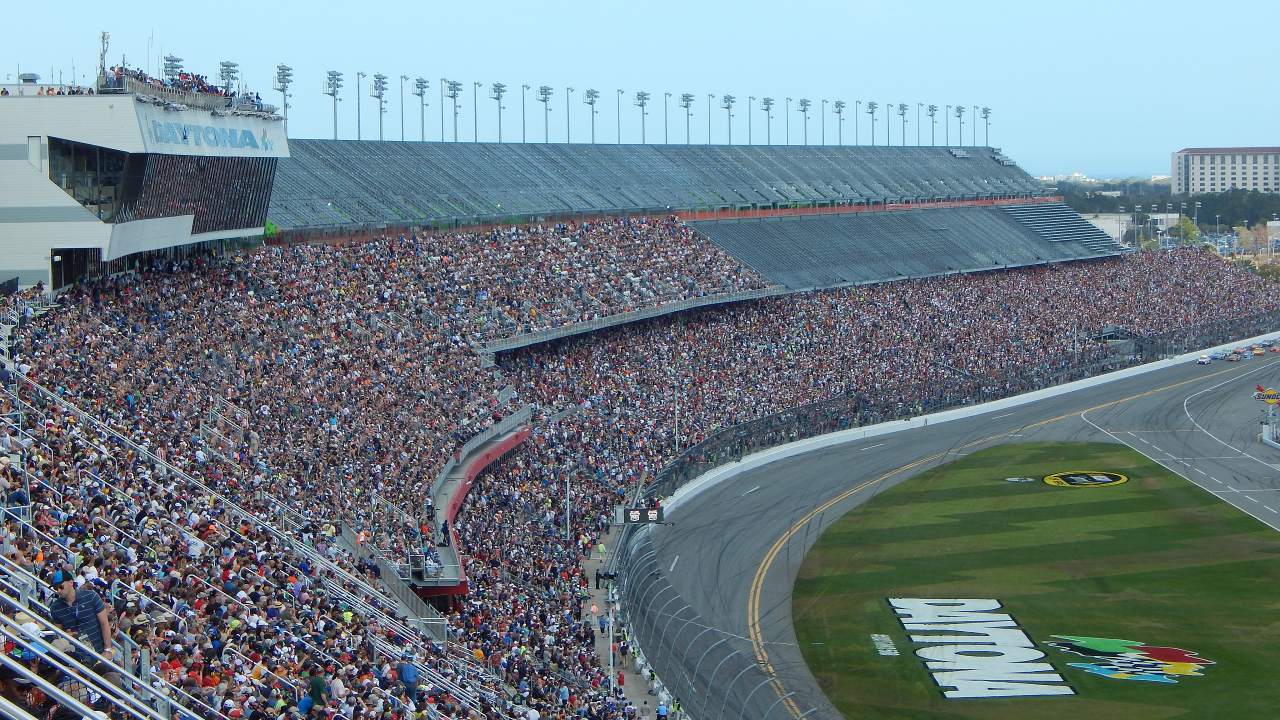
Influence becomes more troubling when it shifts from engineering to orchestration. Veteran fans recall that in the past there have been meetings with all drivers and team personnel from one manufacturer, gatherings that encouraged them to work together and avoid helping other teams during plate races, a practice described bluntly as “Absolutely” real in a Feb discussion. Those sessions, held away from cameras, effectively turned rival teams into a coordinated bloc whenever drafting and alliances mattered most.
Officials have grown increasingly wary of how that kind of coordination can slide into outright manipulation. Ahead of the Daytona 500, New NASCAR rules added a section to the rulebook aimed at cracking down on race manipulation, with a particular focus on situations where drivers might deliberately alter their performance to benefit a teammate or a manufacturer ally, as detailed in a New NASCAR report from CONCORD. The updated Performance Obligation language is a tacit admission that the sanctioning body believes manufacturer aligned tactics have already crossed the line in high stakes events, including those that set the field for the Championship 4 and the sport’s flagship 500 mile race at Daytona.
Next Gen, factory power, and the politics of the rulebook
In the Next Gen era, I see manufacturers exerting their influence even more directly on the hardware itself. One detailed fan analysis of the current car notes that Manufactures put money into building an engine or into specific components, and that their investment shapes how the platform evolves and which technical paths are viable for teams, as outlined in a Feb Comments Section from a Top 1% Commenter. When a company funds a key piece of the car, it gains leverage in conversations about future updates, durability fixes, and even how tightly certain parts are regulated.
That leverage plays out against a backdrop where NASCAR (National Association for Stock Car Auto Racing) still controls where and when races are sanctioned, and also operates as a track owner and sanctioning body, a dual role described in an examination of how auto racing revs up revenues and profits, which notes that NASCAR retains central authority over the calendar and the rulebook, as detailed in a NASCAR focused report. Within that structure, manufacturers lobby for technical rules that favor their engine architecture or aerodynamic philosophy, while teams push for cost controls and competitive balance, and the sanctioning body tries to protect its own commercial interests.
The political tension around that triangle surfaced in testimony from NASCAR leadership. In a legal setting, NASCAR commissioner Steve Phelps was presented with an email as part of a broader dispute over revenue payouts for its teams, a moment captured in a Dec account that also referenced Tuesday proceedings involving NASCAR executives. While the dispute centered on money rather than specific manufacturers, it underscored how financial power, including factory dollars, sits at the heart of every argument about who gets what share of the sport’s growing revenue pie.
From showroom to strategy room: why the stakes stay high
For the automakers, stock car racing is not a vanity project, it is a marketing engine. One detailed look at the business side of motorsports notes that Even so, manufacturers have not moved away from motorsports as a top sales platform, pointing to how success in NASCAR and events like the 24 At Daytona endurance race still helps automakers sell new cars, as explained in an Aug analysis. When a brand’s cars run up front on Sunday, the marketing departments expect to feel that halo effect in showrooms and online configurators during the week.
That commercial pressure helps explain why so much of the real decision making happens out of public view. One examination of trade negotiations notes that Again, we do not know the full list of demands because all these talks have been happening behind closed doors between negotiators, a description that mirrors how manufacturer and NASCAR officials often hash out technical and commercial compromises away from fans and even some team stakeholders, as described in a Again focused passage. A separate look at corporate governance notes that Since these meetings are behind closed doors, the vast majority of investors who represent their clients do not know the full dynamics at play, a warning that applies neatly to the way manufacturer executives, team owners, and NASCAR leadership negotiate the sport’s future in private, as outlined in a Since analysis.
When I connect those dots, the picture that emerges is of a sport where the loudest noises come from engines and grandstands, but the most consequential decisions are made in quiet conference rooms. Manufacturers pour money into technology, shape alliances among teams, lobby the rule makers, and guard their marketing stakes with the same intensity drivers bring to a restart. Fans may never see the emails, the closed door briefings, or the subtle nudges that follow, yet those unseen forces help decide who wins, who loses, and which badges shine brightest in Victory Lane.
More from Fast Lane Only: