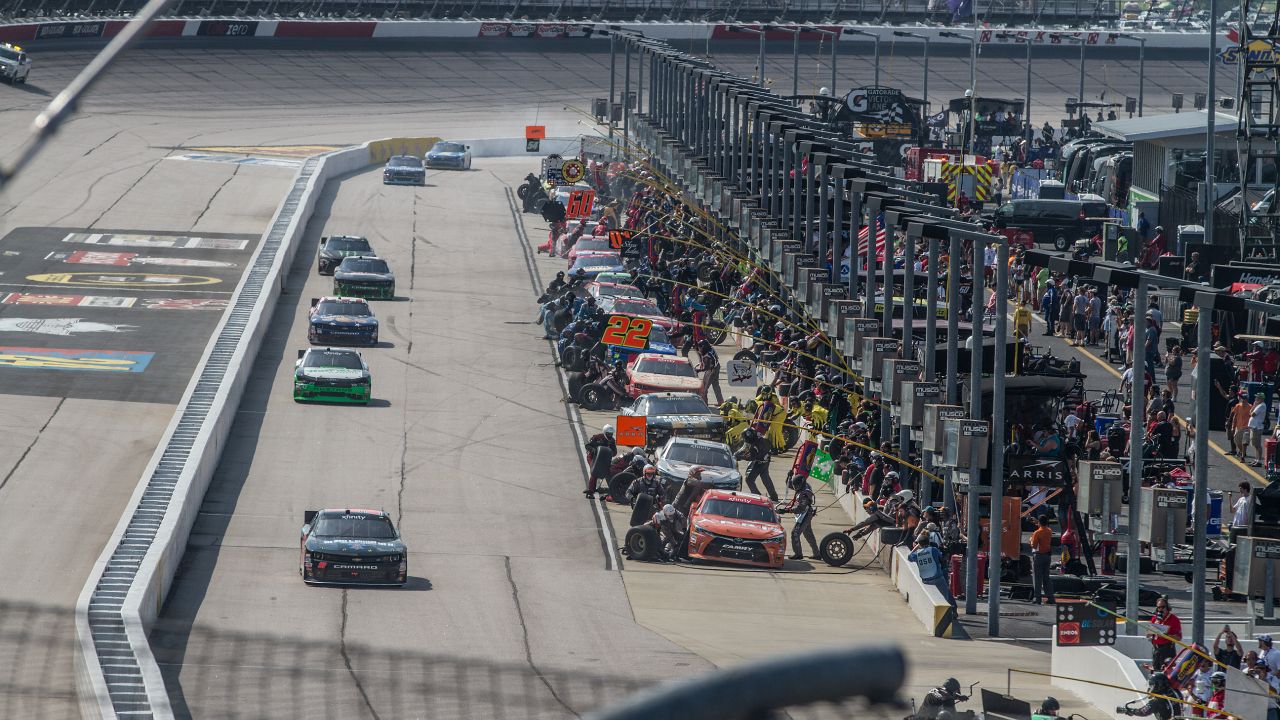
The most unforgiving tracks in NASCAR expose every weakness a driver and team might carry into race day, from raw car speed to mental stamina. Some circuits punish mistakes with concrete, others with pack chaos or relentless tire wear, but each has a distinct way of turning a 400‑mile afternoon into survival. When I look at the schedule, a handful of venues consistently stand out as the places where even champions admit they are simply trying to endure.
Darlington, Bristol and the art of surviving punishment
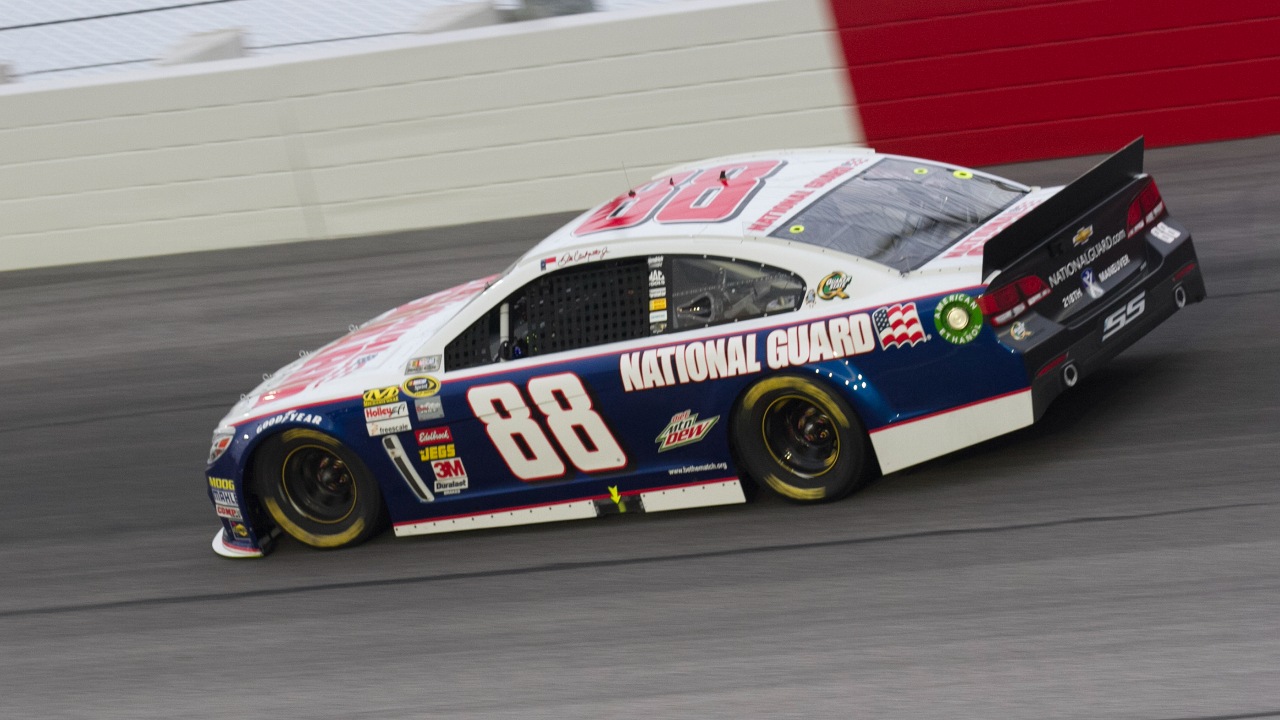
Darlington Raceway sits at the top of almost every driver’s personal list of places that fight back, and I see why. The egg‑shaped layout forces teams into a compromise that leaves the car handling well at one end and edgy at the other, so a driver is always on the edge of losing control. That is why the outside wall has become infamous for the “Darlington stripe,” the scar that appears on the right side of the car when a driver misjudges the line by an inch. Modern analysis of the track’s difficulty, including rankings of the most demanding circuits in NASCAR video game simulations, still puts Darlington Raceway at or near the top, which mirrors how real‑world competitors describe the place.
Drivers themselves have recently framed Darlington as arguably the toughest oval on the calendar, and their reasoning is blunt. They talk about how the racing groove clings to the wall, how the surface chews up tires, and how the track “can” turn a small mistake into a long night of damage control, all of which reinforces the idea that this is not a place where anyone feels comfortable for long stretches. When I weigh those comments against older lists of the most punishing Sprint Cup circuits that also singled out Darlington Raceway, the continuity is striking, and it explains why teams often talk about simply escaping with a clean car rather than chasing style points.
If Darlington is a test of precision and patience, Bristol Motor Speedway is a test of reflexes and nerve. The half‑mile bowl compresses 40 cars into a tight concrete coliseum, and the banking keeps speeds high enough that trouble appears and disappears in a heartbeat. Reporting on Bristol’s difficulty has emphasized that, unlike at larger venues such as Dega, Daytona, California, Michigan and other big tracks, there is almost no room to steer around a spinning car, which turns every multi‑car incident into a lottery of bent sheet metal. That lack of escape routes is what convinces me Bristol belongs in any conversation about the sport’s harshest tests.
What makes Bristol especially punishing is that the chaos never really pauses. The leader is in lapped traffic within a handful of green‑flag laps, and the rhythm of the race becomes a constant cycle of attacking and defending in heavy traffic. When analysts have argued that Bristol might be the single most difficult track in NASCAR, they point to that relentless traffic combined with the physical strain of wrestling a car for hundreds of laps on a tight, steeply banked oval. Taken together with the way larger tracks allow drivers to “maneuver around crashes” while Bristol does not, the case for its inclusion among the sport’s most brutal venues is overwhelming.
Superspeedway chaos and the Pocono puzzle
On the opposite end of the spectrum from Bristol’s claustrophobic intensity sit the superspeedways, where the track itself is wide but the danger comes from the pack. At places like Talladega and Daytona, the draft keeps the field bunched, and one misjudged bump can trigger a multi‑car crash that collects innocent bystanders. Historical breakdowns of the most treacherous Sprint Cup circuits have consistently highlighted Talladega Superspeedway for exactly that reason, describing how the racing there can resemble a demolition derby once the “big one” erupts. When I factor in how little control even the best drivers have over where the wreck starts, it is hard not to view these races as some of the most mentally taxing on the schedule.
The mental strain at the superspeedways comes from knowing that perfect execution is not always enough. A driver can make the right moves for 180 laps and still be wiped out by a chain reaction that began three rows ahead, which is a different kind of toughness than the technical challenge of a place like Darlington. That is why, when I compare the various lists of the toughest NASCAR venues, I see Talladega and its drafting‑heavy counterpart at Daytona grouped with the short‑track bullrings and abrasive ovals, even though the skill set required is so different. The common thread is the way these tracks compress risk into every lap, whether through tight quarters or high‑speed packs.
Then there is Pocono Raceway, which earns its reputation not through pack racing or concrete walls looming inches away, but through sheer awkwardness. The “Tricky Triangle” has three distinct corners, each modeled after a different track, and that forces teams into a setup compromise that leaves the car unhappy somewhere on every lap. Detailed breakdowns of the hardest venues in the sport point out that Pocono Raceway hosts multiple NASCAR Cup Series events, which means teams must solve that puzzle more than once a year. The long straightaways also magnify any mistake exiting the corners, turning a small slide into a long, slow loss of momentum that can cost several positions before the next braking zone.
What sets Pocono apart, in my view, is how it blends that technical complexity with strategic ambiguity. Fuel mileage, pit timing and track position all carry outsized weight because passing can be difficult when cars are trimmed out for speed on the straights but skittish in the turns. When analysts compile lists of toughest NASCAR race tracks, Pocono appears not because it produces the most spectacular crashes, but because it demands that drivers and crew chiefs think several moves ahead while still nailing three very different corners every lap. That blend of mental and mechanical difficulty is exactly what I look for when deciding which tracks truly belong in the sport’s upper tier of punishment.
More from Fast Lane Only: