Modern Formula 1 is defined as much by invisible air as by roaring engines. Over half a century, teams have turned aerodynamics from a crude experiment into the central performance weapon, reshaping not only how cars look but how drivers race, how engineers design, and how technology filters into everyday vehicles. The evolution of airflow management, from simple wings to ground effect and active devices, did not just make cars faster, it fundamentally rewrote what “speed” means in elite motorsport.
As aerodynamics matured, it changed everything from cornering lines to safety standards and even the economics of the sport’s supply chain. What began as bolt-on appendages in the 1960s and 1970s has become a tightly regulated, data-driven science that now dictates the shape of future regulations and the technology that will appear on the road.
From bolt-on wings to the age of downforce
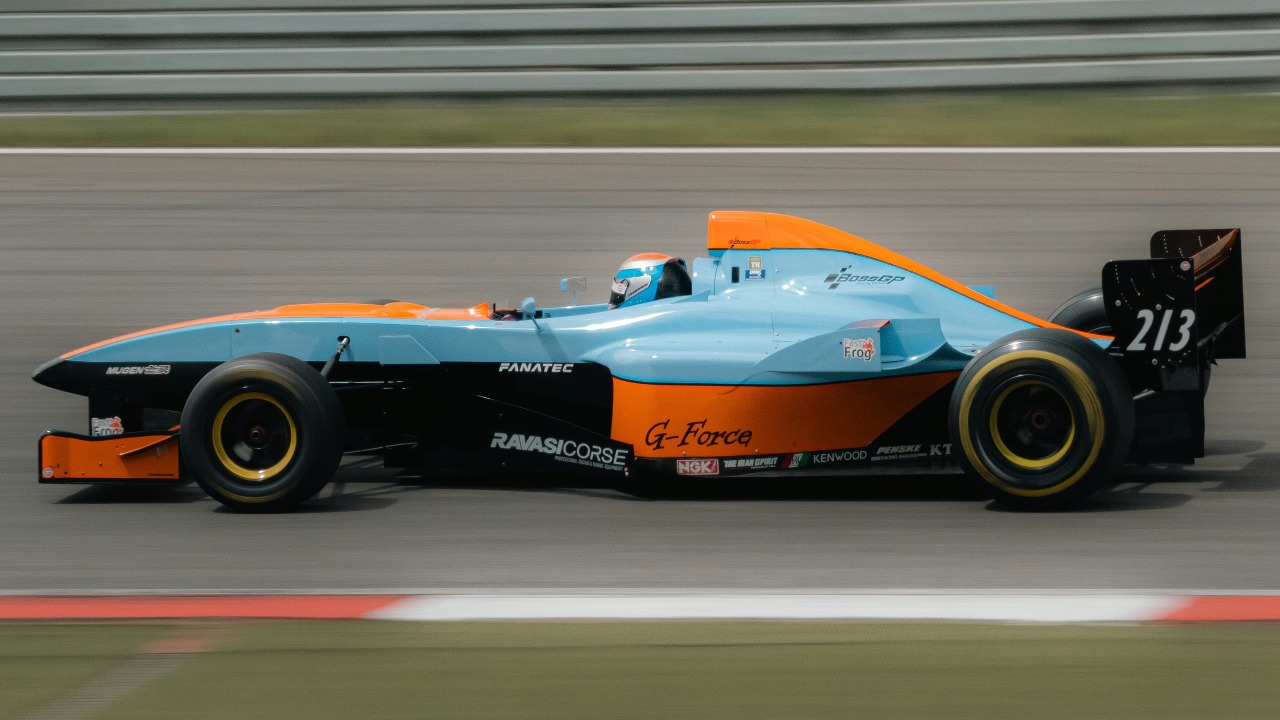
The turning point for Formula 1 came when teams stopped treating air as resistance and started using it as a tool. Early cars relied on mechanical grip and relatively simple bodywork, but once engineers realised they could “invert” aircraft wing principles to push the car into the track, the sport entered what many describe as The Rise of Aerodynamics and The Science of Speed. That shift, which gathered pace in the 1970s and 1980s, transformed cars from sleek cigars into wide, winged machines that looked extreme but delivered unprecedented cornering performance, as chronicled in detailed histories of Formula 1 car design over the decades.
Harnessing aerodynamic download, soon known universally as downforce, changed the competitive equation. Instead of only chasing horsepower, teams discovered that a car which could carry more speed through a corner would beat a more powerful rival on the straights. Contemporary accounts of that period describe how exploiting this new vertical force “changed the game,” turning once-slippery shapes into aggressive, garishly bewinged missiles that redefined what a racing car looked like. That early experimentation laid the foundation for everything that followed, from complex multi-element wings to the sculpted floors that now dominate design thinking.
Ground effect and the invisible underside revolution
If wings made downforce visible, ground effect made it mysterious and, for a time, almost magical. Engineers discovered that by shaping the underside of the car and controlling the gap to the track, they could accelerate air under the floor and create a low-pressure zone that sucked the chassis downward. The Science Behind The Ground Effect explains how this phenomenon depends on the speed of air flowing beneath the car and the proximity to the ground, turning the entire underbody into a giant, hidden wing. Once teams understood that the floor could generate enormous vertical load with relatively low drag, the focus of aerodynamic development shifted from what fans could see to what was happening underneath.
That same principle has returned in the current generation of regulations, which rely heavily on Ground effect to produce downforce in a cleaner way and reduce the turbulent wake that makes following difficult. Yet the trade-offs are clear. Reports on the latest rule cycles note that this underfloor suction can trigger porpoising, a violent vertical oscillation that complicates the task of the drivers and makes tuning particularly tricky. Regulators and teams have had to balance the promise of higher cornering speeds and closer racing with the need to keep the cars controllable and safe, a tension that will continue to shape how aggressively ground effect is used in future designs.
How modern aero turned F1 into a data-driven science

Today, Formula 1 aerodynamics is less about intuition and more about industrial-scale computation. Teams now treat airflow as a field of data, using sophisticated wind tunnels and high resolution simulations to refine every surface. Technical analyses of the sport describe how, over the last three decades, this approach has transformed the design of cars, with engineers iterating thousands of tiny changes to wings, bargeboards, floors and brake ducts to extract marginal gains. The result is that modern Formula 1 car aerodynamic technology is more advanced than ever before, with every square centimetre of bodywork tasked with managing vortices, sealing the floor or feeding clean air to critical components.
That scientific mindset has also reshaped how teams think about risk and safety. The Role of Aerodynamics in Formula 1 Racing, framed through How Technology Has Transformed the Design of Cars, highlights how airflow management is now used not only to generate grip but to protect drivers. Structures are designed so that in a crash, bodywork and wings detach or deform in controlled ways, dissipating energy and reducing the chance of injury to the driver. Since the sport’s inception, the same aerodynamic arms race that once produced fragile, towering wings has evolved into a discipline where performance and protection are engineered together, with Teams constantly balancing outright speed against the need to keep cars stable and predictable at the limit.
From complex wings to efficient, regulated speed
As the aerodynamic race intensified, regulators stepped in to keep performance within manageable bounds and to improve the quality of racing. In the 2010s, one of the most visible innovations was the Drag Re reduction system, which allowed drivers to trim rear wing drag on straights to aid overtaking. That device symbolised a broader trend: instead of simply allowing ever more complex shapes, rule makers began to define where and how teams could generate downforce, nudging designs away from chaotic airflow and toward more efficient solutions. Recent snapshots of F1 Aerodynamics Evolution describe how, by 2025, cars featured aggressive, complex designs with multi-element front wings and intricate airflow channels that squeezed every advantage from the regulations.
The next step is a deliberate move from complexity to efficiency. Technical previews of the 2026 regulations outline a shift toward simpler bodywork combined with smarter, more controlled devices, including elements of active aero that adjust to conditions. From the 2026 season onwards, the aim is to reduce the extreme sensitivity of current cars, cut the worst of the turbulent wake and give drivers better control of their single-seaters. Analysts note that this will likely result in slightly slower lap times than today, but with more consistent cornering speed and closer racing. In other words, the rulebook is being used to steer the aerodynamic arms race away from baroque detail and toward cleaner, more sustainable performance.
Why aero innovation now shapes road cars and entire industries
The impact of Formula 1 aerodynamics no longer stops at the pit lane exit. When people think of Formula 1, they imagine speed and adrenaline, but the same research that refines a front wing often ends up improving a family car’s efficiency. Studies of Formula 1 Technology and Its Impact on Street Cars point out that many high performance street cars now use diffusers, underbody tunnels and carefully sculpted spoilers that trace their lineage directly to race programmes. Manufacturers borrow ideas about how to manage airflow around wheels, cool brakes without adding drag and stabilise cars at motorway speeds, turning once exotic concepts into everyday features on models like the Mercedes-AMG GT or the latest generation of hybrid supercars.
The transfer is not just mechanical, it is also digital. As Bernardon notes in forward looking assessments of the 2026 rules, the transition to more advanced energy recovery and smarter aero will significantly boost the power generated from electrical systems while giving drivers enhanced control and confidence. Those same control algorithms and simulation tools are already feeding into consumer vehicles, where active shutters, adaptive spoilers and underbody panels adjust to balance range, grip and stability. Behind the scenes, the economic impact is substantial. Analyses of the sport’s supply chain stress that the technology companies develop for Formula 1 is likely what drives their businesses into other sectors, from high performance street cars to hi tec aerospace and defence. In that sense, the evolution of F1 aerodynamics has not only changed how races are won, it has helped build an £8 billion ecosystem that exports cutting edge know how far beyond the grid.
More from Fast Lane Only: