NASCAR’s aerodynamic rulebook has never been static. From wild wings and pointed noses to tightly controlled spoilers and underbodies, each era of aero regulation has reshaped how drivers race, how engineers innovate, and how safe the sport can be at 190 miles per hour and beyond. Understanding how those rules evolved, and why officials keep rewriting them, is essential to understanding why modern stock-car racing looks and feels the way it does.
At its core, the story of NASCAR aero is a tug-of-war between speed, safety, and the quality of the show. Teams chase every last bit of downforce and drag reduction, while officials try to keep cars on the ground, drivers protected, and fans entertained with close racing instead of strung-out processions. The rule changes that result are not just technical footnotes, they are the levers that shape entire eras of competition.
From the original aero wars to the restrictor-plate age
The modern conversation about NASCAR aerodynamics really starts with the so-called aero wars of the late 1960s and early 1970s, when manufacturers pushed radical bodywork to the edge of what stock-car fans would recognize. Pointed noses, towering rear wings, and slippery fastback rooflines turned big American coupes into purpose-built missiles, and the spectacle was as controversial as it was compelling. Historical accounts of that period describe how the aero cars were “bumping against the 200 m” barrier, a level of performance that forced NASCAR to confront whether unfettered speed was compatible with its long-term vision for the series.
That reckoning led to a philosophical reset. While the aero wars of 1969 and “70” were entertaining, they did not represent the direction that “NASCAR Chairman Willia” wanted for the championship, and the sanctioning body moved to rein in the most extreme designs. Over the following years, officials tightened homologation rules and body templates so that race cars more closely resembled showroom models, and they began to treat aerodynamic performance as something that needed to be managed, not simply discovered. That mindset laid the groundwork for later interventions at superspeedways, where restrictor plates and tightly defined body packages became the primary tools to keep speeds in check.
How safety turned aero into a regulatory obsession
As speeds climbed on high-banked ovals like Daytona and Talladega, aerodynamics stopped being just a performance differentiator and became a safety-critical system. When a stock car yaws or gets backward at very high speed, the same airflow that creates downforce in normal conditions can flip it into the air, turning a race into a dangerous physics experiment. That is why, over time, NASCAR began to treat aero rules as a front-line safety device, not just a competitive balance lever, especially at the fastest tracks on the schedule.
One of the clearest examples came when officials introduced a new aerodynamic package for the Daytona 500 that included changes to the carburetor restrictor plates, the devices that limit how much air and fuel the engines can ingest. By choking power and pairing it with specific body configurations, NASCAR could keep pack speeds under a threshold that engineers believed would reduce the risk of liftoff while still producing the drafting battles fans expect at the sport’s biggest race. Later, at Talladega, safety officials such as “Patalak” explicitly framed new rules in terms of aero stability, explaining that “Slowing the” cars down would help from an “aero liftoff standpoint” and that the organization’s focus was on keeping vehicles planted even in worst-case spins.
Downforce, dirty air, and the battle over racing quality
Even as safety drove many of the most dramatic aero interventions, the quieter, constant struggle has been over how much downforce modern Cup cars should generate and what that does to the racing product. In the mid-1980s, top-level stock cars were so aerodynamically crude that they actually produced lift at speed, with data showing that Cup machines generated negative downforce, on the order of “500 pounds,” in 1985, which meant they were effectively trying to become airborne on long straights. By the late 1990s, that figure had swung to positive downforce, and today’s cars generate far more, which dramatically increases cornering speeds but also intensifies the “dirty air” wake that makes it harder for a trailing driver to pass.
That trade-off has become especially visible at short tracks and road courses, where mechanical grip and braking used to dominate. After a season in which “Short” track racing “suffered mightily,” NASCAR responded by cutting downforce for those venues, trimming spoilers and other aero devices in an effort to put more control back in the drivers’ hands and reduce the aerodynamic advantage of clean air. The goal was straightforward: make it easier for a following car to close and complete a pass, and restore the kind of elbows-out racing that built the sport’s reputation. Those changes fit into a broader pattern in which officials adjust aero load and underbody rules to balance the need for stability with the desire for more lead changes and fewer processional runs.
The Car of Tomorrow and the rise of aero as a safety system
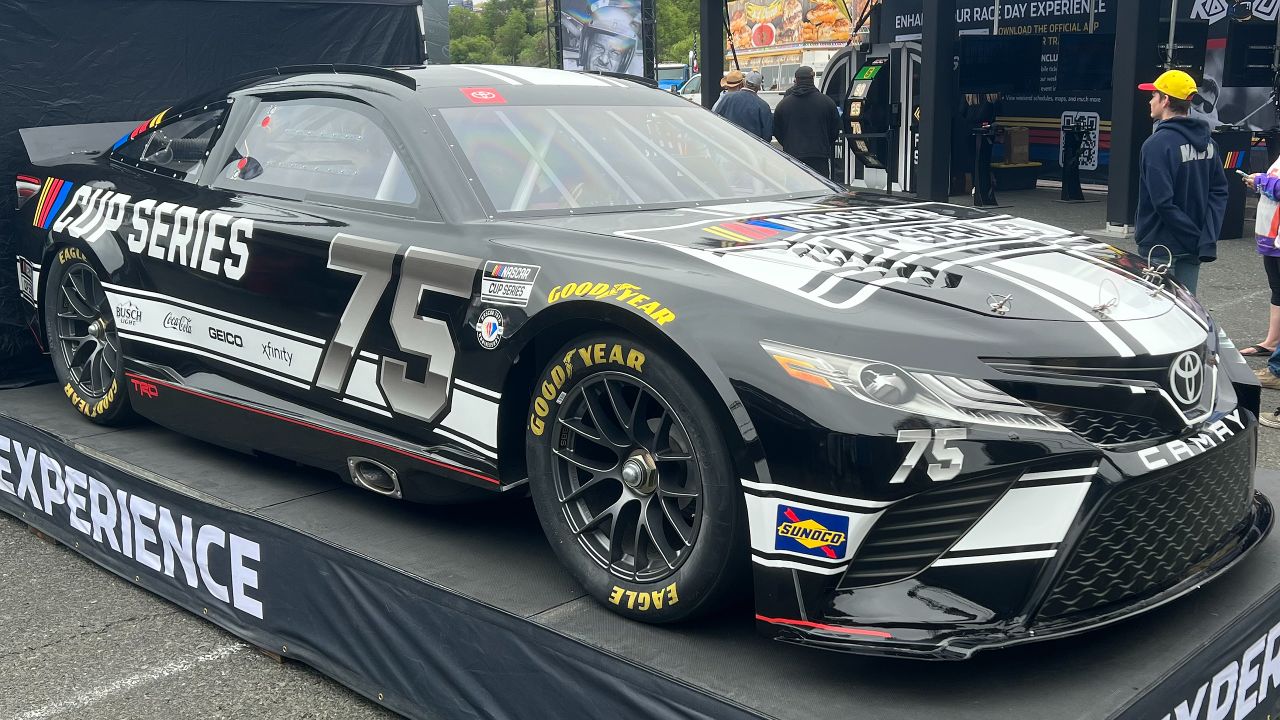
The mid-2000s brought one of the most ambitious attempts to reimagine NASCAR’s aero philosophy with the introduction of the Car of Tomorrow, a platform explicitly designed around safety and standardization. The new chassis and body were meant to improve crash protection and reduce the aerodynamic gamesmanship that had turned the rulebook into a constant arms race. One of the most visible changes was the adoption of a “Rear” wing in place of the traditional spoiler, an adjustable element that promised better balance and control in traffic by managing airflow more precisely over the back of the car.
In theory, the wing would give officials a more tunable aero device and help stabilize cars in the pack, but in practice it created new challenges. A series of high-profile accidents, combined with criticism that the wing made the car look more like a sports car than a stock car, eventually pushed NASCAR to revert to a more conventional spoiler. The episode underscored how intertwined aesthetics, safety, and performance had become. Aerodynamic devices could not be evaluated in isolation; they had to work with energy-absorbing structures, crush zones, and other safety systems that engineers highlighted when explaining how modern race cars dissipate impact energy through deformation and controlled rotation rather than simply relying on rigid strength.
Modern aero packages, simulation, and the 2025 rulebook
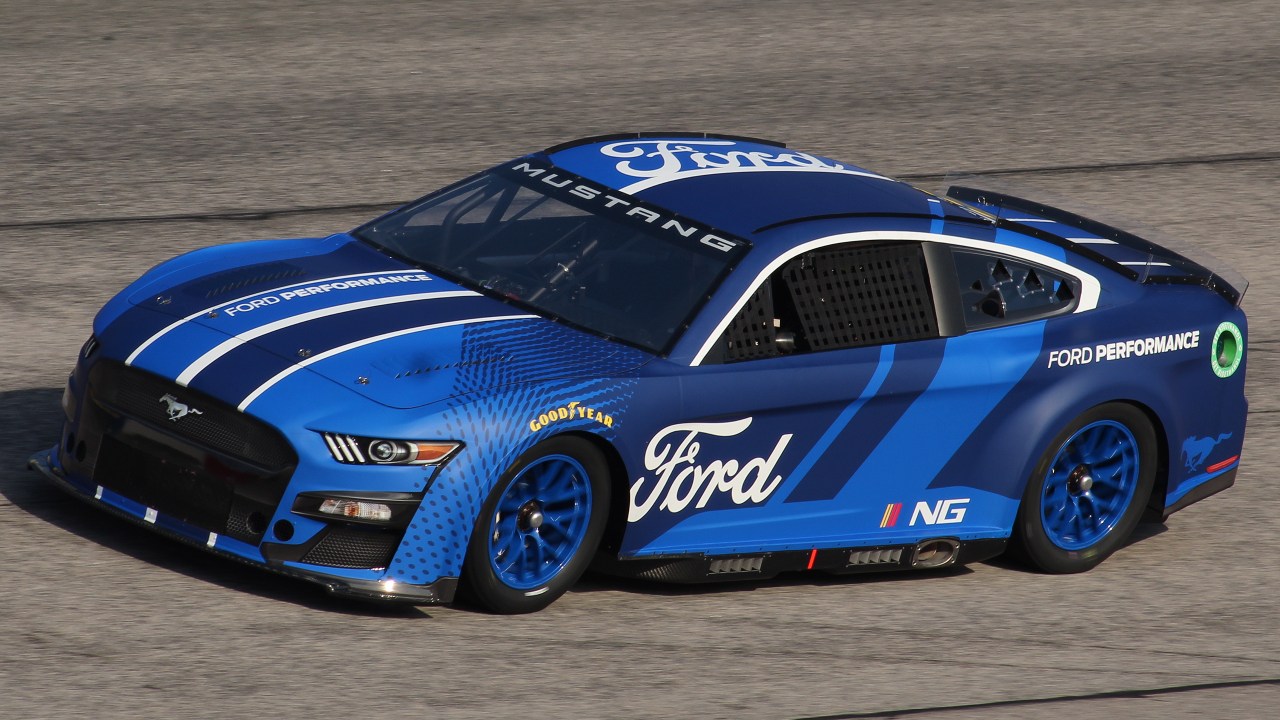
In the last decade, NASCAR’s approach to aero rules has become more data-driven and simulation-heavy, reflecting broader trends in motorsport engineering. At the beginning of the 2017 season, officials rolled out significant aerodynamic rule changes for what was then the “Monster Ener” Cup Series, shortening spoilers and modifying bodywork to reduce overall downforce. Computational studies of those packages, including detailed “At the” style analyses using computational fluid dynamics, have shown how even small tweaks to spoiler height or decklid shape can shift pressure distributions, alter wake structures, and change how turbulent air affects a trailing car’s front grip.
Those insights now feed directly into the rulemaking process. When NASCAR adjusts splitter dimensions, rear overhang, or underbody tunnels, it is doing so with a clearer picture of how those changes will influence both single-car speed and multi-car pack behavior. The 2025 rule changes, for example, target specific pain points from recent seasons, including how damaged bodywork affects aero balance and whether teams have enough flexibility to repair cars during practice and qualifying without creating unsafe or unpredictable airflow patterns. The updated damaged vehicle policy gives crews more breathing room to fix bent panels and broken components, which in turn helps ensure that cars returning to the track are aerodynamically stable rather than ticking time bombs in the draft.
Why safety will keep driving aero rules in the years ahead
Looking forward, the throughline in NASCAR’s aero evolution is clear: safety will continue to trump pure speed. Educational material on racing regulations emphasizes that “Safety First” is not just a slogan, and that “Understanding Our Racing Regulations” requires recognizing how rules are designed to protect “participants and maintain fair competition.” In stock-car racing, that philosophy increasingly manifests through aerodynamic prescriptions that limit top-end velocity, manage how cars behave in yaw, and ensure that when crashes do happen, the energy is absorbed in ways that give drivers the best chance to walk away.
That is why recent explanations of the sport’s rule priorities stress that aero regulations are written to keep cars on the ground and drivers inside survivable structures, even if that means sacrificing some raw performance. Educational pieces framed around “Why Do NASCAR Aero Rules Prioritize Safety” and questions like “Have” fans ever wondered how “NASCAR” balances risk and reward make the same point in plain language: the rulebook is a safety document as much as it is a competition manual. As long as engineers keep finding new ways to generate downforce and reduce drag, officials will keep rewriting the aero chapters to stay ahead of the curve, ensuring that the spectacle of side-by-side racing never comes at the expense of the people behind the wheel.