On the surface, a rebuilt-title supercar can look like a shortcut into an exclusive club: carbon-ceramic brakes, hand-stitched leather, and a price tag that suddenly seems almost reasonable. Behind that gloss, however, the same car can hide crash damage, missing airbags, and structural compromises that turn it into a rolling hazard for whoever buys it next. The scam that turns wrecked exotics into these time bombs is not a single trick, but a chain of quiet decisions, paperwork games, and gaps in oversight that you need to understand before you wire a cent.
Once you see how a totaled exotic is bought, patched together, and pushed back into the market, you start to recognize the red flags in ordinary used-car listings too. The same playbook that burns someone on a six-figure Ferrari can just as easily be used on a family SUV, and the costs go far beyond money when safety systems have been compromised to protect a seller’s margin.
How a totaled exotic becomes a “deal” you are not supposed to question
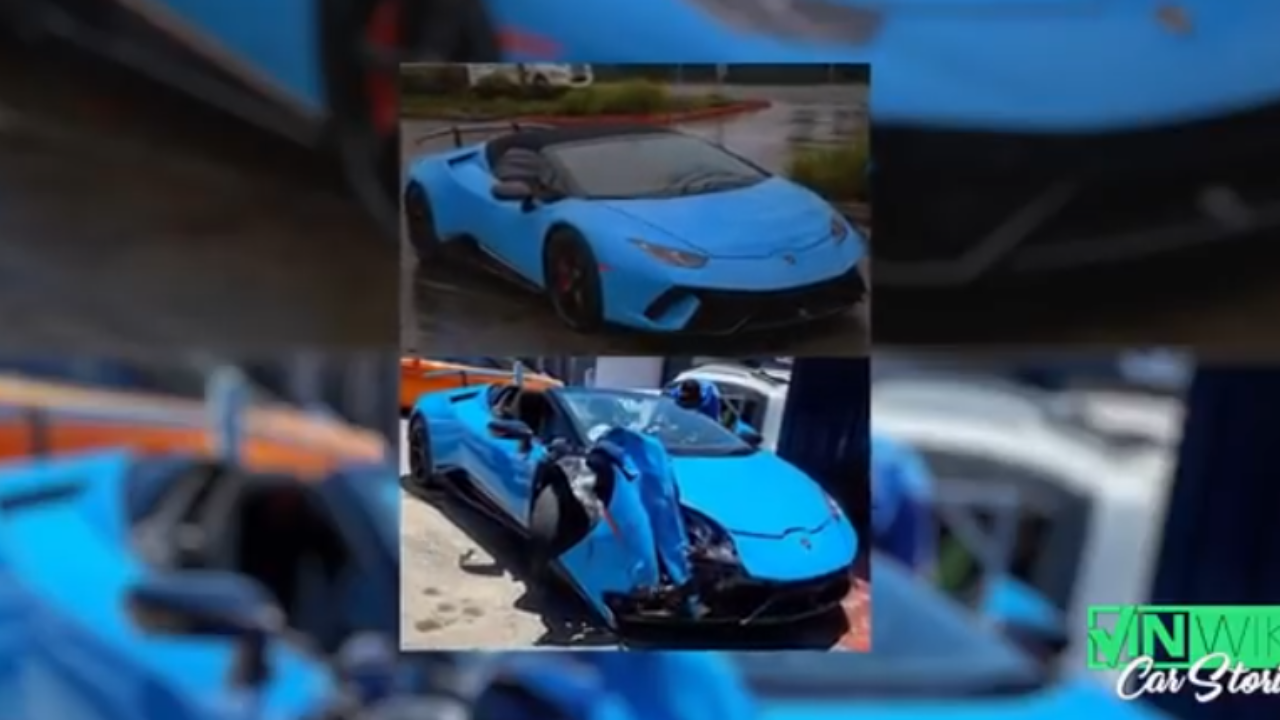
The pipeline usually starts at a salvage auction, where heavily damaged exotics are sold after insurers declare them total losses. Rebuilders and flippers know exactly which cars to chase, and some specialize in high-end models that can be cosmetically revived while hiding serious structural damage. In videos detailing how scammers target exotics, rebuilders describe how the worst problems often sit out of frame: twisted subframes, cut-off crash structures, or hacked wiring that will never show up in a glossy resale ad.
Once a car is branded salvage, the only way back onto public roads is through a rebuilt title, which signals that the vehicle was once a total loss but has been repaired and inspected. Guidance on title terminology explains that a rebuilt designation means the car has passed a state inspection, yet a rebuilt title still leaves open questions about the quality of those repairs. That ambiguity is exactly where bad actors operate, doing the minimum to satisfy paperwork while leaving crash energy paths, airbag systems, and electronics compromised in ways you will only discover after you buy.
The quiet paperwork tricks that erase a car’s past
On paper, a rebuilt title is supposed to warn you that a car has a serious history, yet the market is full of ways to blunt or bury that warning. Some sellers lean on the fact that a rebuilt car has technically passed inspection and then downplay the severity of the original damage, even though There is still that the work was done properly. Others exploit gaps between states or provinces, a practice often described as title washing, where a branded title in one jurisdiction is converted to a cleaner-looking document in another.
Consumer advocates warn that failing to disclose a rebuilt title can cross the line into fraud, especially when a buyer is steered into financing or insurance without being told about the car’s past. Legal analysis notes that buyer might have for this kind of vehicle, and that difficulty is compounded when the damage history has been withheld. To protect yourself, you are urged to pull independent history reports, since rebuilt-title guidance stresses that the hit to value and the risk profile are both substantial and long lasting.
When the “bargain” explodes: real buyers, real losses
The human cost of these schemes is easiest to see in the stories of buyers who thought they had done everything right. One widely shared account describes a shopper who paid about £9,000 for a used car, believing from the paperwork that it had only £2,000 of minor damage, according to the Carfax they were shown at the dealership. Later investigation revealed far more extensive damage and a history that had been selectively presented, a reminder of how easily honest buyers get tricked when they rely on a single document instead of cross-checking.
In another case, a high-end buyer publicly described a $50K mistake after discovering that a supposedly sorted car hid serious prior damage and questionable repairs. That kind of loss is not just about pride or resale value, it is about realizing that the car under you may not behave as designed in a crash. Safety specialists point out that Perhaps the biggest risk of buying a car with a salvage title is safety, because the full extent of structural damage and repair shortcuts may not be immediately visible when you inspect the car on a lot.
Why safety, insurance, and financing all tilt against you
Even if a rebuilt exotic looks flawless, the hidden compromises can be severe. Analysts emphasize that for most people the biggest issue with any car that has salvage history is safety, since most people, the is that you might not know the extent of the damage to critical systems. Airbags can be missing or replaced with counterfeit parts, crumple zones can be weakened, and electronic driver aids can be miscalibrated, all while the car passes a cursory inspection and looks pristine in photos.
On top of that, the financial system quietly punishes you for stepping into this world. Insurance and lending experts note that many companies restrict coverage and financing on rebuilt vehicles, and that even a solid rebuild will often be valued far below an equivalent clean-title car. One explainer on title types highlights that many companies restrict rebuilt vehicles under resale value, and separate guidance on rebuilt titles notes that Risks of Buying a Car With a Rebuilt Title The hit to the car’s value can be substantial, something that is baked into Carfax History calculations. Independent testing organizations go further, concluding that The bottom line is that it is usually not worth buying a car with a rebuilt title when you weigh safety, value, and hassle against simply paying more for a clean example.
How to spot the scam before it finds you
Protecting yourself starts with assuming that paperwork can be incomplete or curated. You are urged to pull your own history reports and not rely solely on what a seller hands you, since Researching the vehicle’s history through services like Carfax to help uncover hidden issues is one of the simplest defenses against title washing. At the same time, you should recognize that even a detailed report has limits, which is why some dealership guides recommend that you also have a trusted mechanic evaluate any car that raises questions about prior damage or modifications.
Online, you need to be especially wary of pressure tactics and too-good-to-be-true pricing on damaged exotics. One warning from a salvage marketplace urges shoppers to Never Fall for a “Buy It Now” Scam Looking to buy a salvage car online, noting that At CARSFROMWEST, COM you will see examples where a car that sold for a price of $185,000 on IAAI is later dangled at a suspiciously low fixed price to lure in victims. Broader advice on private-party scams stresses that to avoid falling victim to title washing you should request a vehicle history report from reputable sources such as CARFA and consider having a trusted mechanic evaluate the car in person.
More from Fast Lane Only