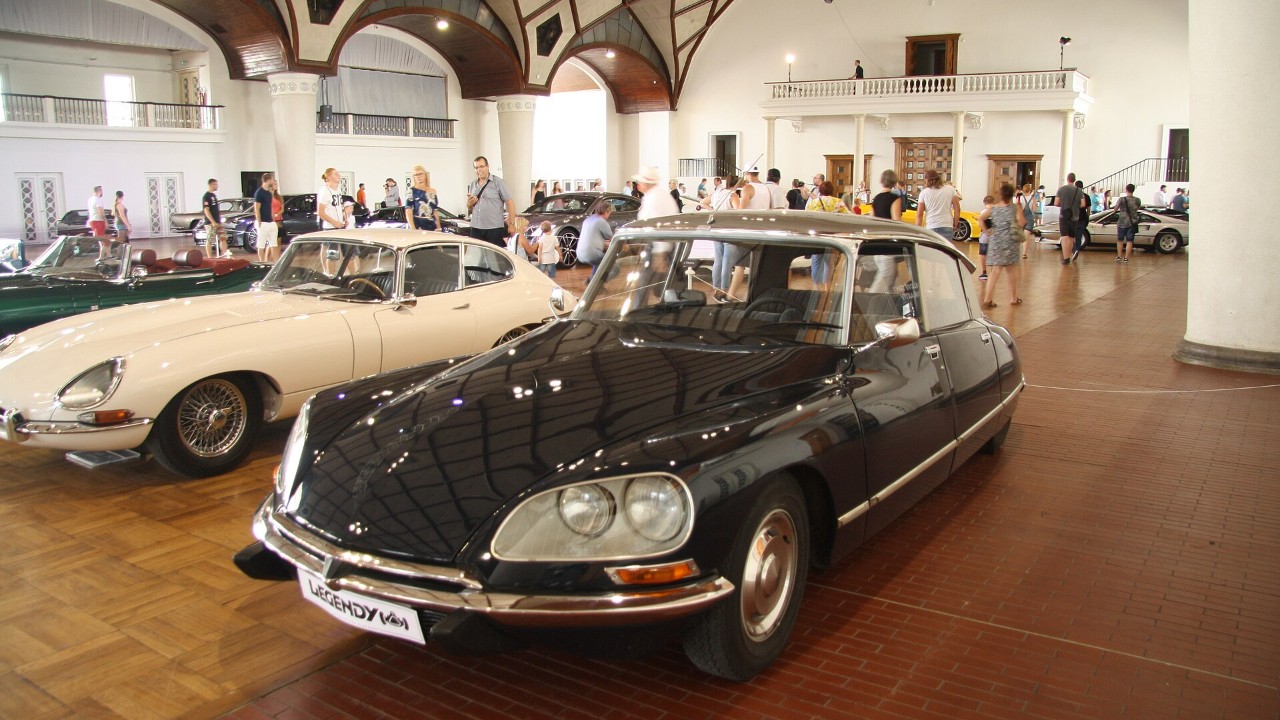
Porsche resale values now sit in rare territory, where used examples often feel less like depreciating assets and more like financial instruments. Enthusiasts treat certain models as rolling savings accounts, and even mainstream buyers increasingly expect a strong exit price when they sign the paperwork.
That confidence did not appear overnight, and it does not rely on hype alone, because Porsche spent decades engineering scarcity, desirability, and credibility into its cars. The result is a market where prices sometimes wobble but rarely collapse, and where even corrections tend to reset the floor higher than before.
Racing heritage turned into resale currency
Collectors value stories as much as specifications, and Porsche built its story on endurance racing glory that still shapes prices. The growing reputation of the Porsche brand gained another gear when the Porsche 917 dominated international circuits and stacked victories at Le Mans, turning showroom cars into spiritual relatives of proven champions.
Buyers today connect that competition pedigree directly to road cars, and they reward it with higher bids on the used market. The company carefully nurtured this perception, because Porsche consistently Developed race technology into roadgoing hardware, so owners feel they purchase a slice of the same engineering that conquered La Sarthe.
Scarcity, demand, and the everyday supercar effect
Resale strength also comes from simple economics, since demand for Porsche often outruns supply in key segments and regions. While BMW fills roads with volume models, dealers report that Porsche models remain in demand, and that dynamic helps many Pors cars retain more of their value over their lifespan, as highlighted by a Memphis retailer comparing While BMW and Porsche ownership experiences.
Shoppers increasingly treat a 911 or Macan as an everyday supercar, something usable yet special enough to feel scarce. Analysts note that many Porsche badged cars hold their value exceptionally well, and some models barely depreciate at all, a pattern underlined by consumer guides explaining why Porsche resale outcomes often outperform rivals.
Air cooled icons and the maturing 911 market
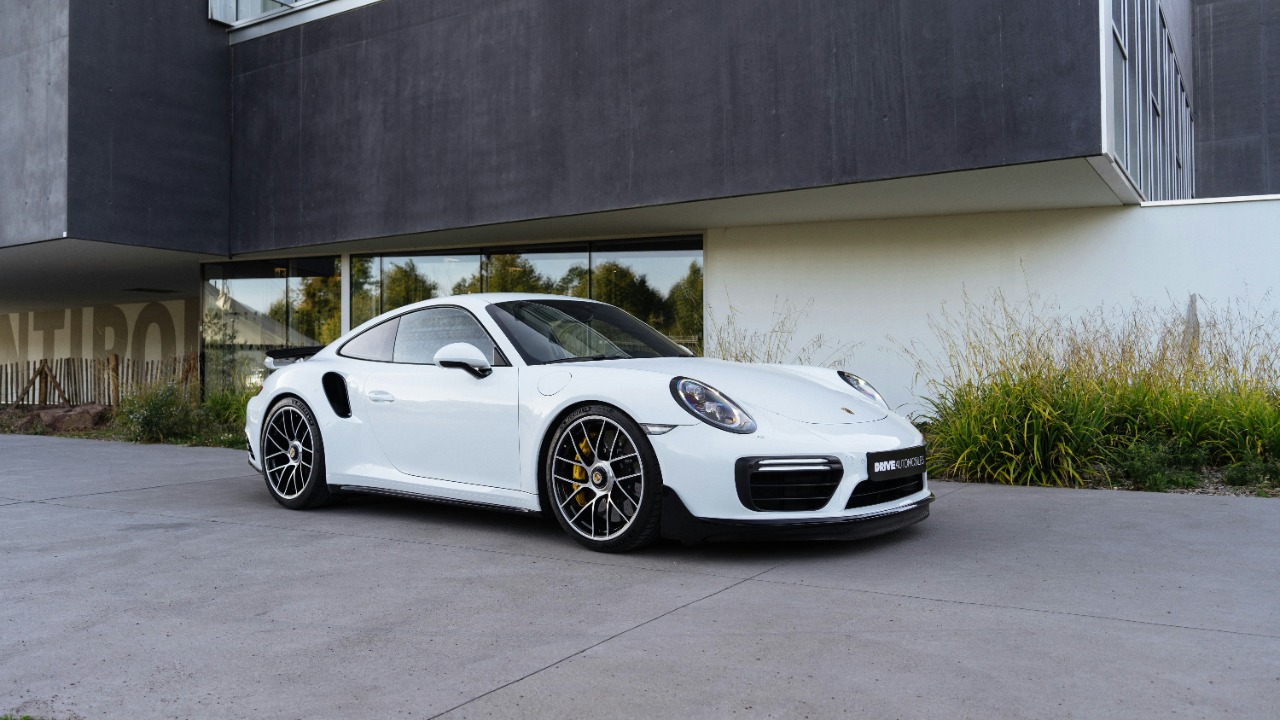
Older air cooled 911 generations created the template for modern Porsche appreciation, but that niche now behaves more like a mature asset class. Market watchers earlier asked whether the air cooled Porsche 911 market might be cooling, noting that prices for certain classic models appeared to plateau after years of relentless gains.
Enthusiasts interpreted that leveling as a sign of health rather than collapse, because speculative froth gave way to more rational valuations. Buyers still pay significant premiums for well documented cars, and they continue to prize the unique sound and surefootedness that define those early Porsche driving dynamics.
Modern 911 turbulence and the new price floor
Recent volatility in the modern 911 space shows how resilient Porsche values can remain even when sentiment briefly turns. Commentators warned that the Porsche 911 Carrera Market Finally Broke after a year of stable prices, describing a phase when sellers accepted softer bids and some owners confronted unexpected Warning signs about depreciation.
That adjustment did not last long, because another wave of analysis soon flagged that the 911 Carrera Market Just Flipped, shifting from increasing depreciation to renewed price increases as buyers rushed back into well specified cars, a reversal captured in an ALERT aimed at shoppers tracking every auction.
Marketing, positioning, and the psychology of paying more
Strong residuals also reflect deliberate brand positioning that convinces customers to treat Porsche as a tier above most premium rivals. Company strategists describe a Product approach that emphasizes diversification while still presenting Porsche as a high prestige marque, a stance that once supported a six figure launch price for a halo model before the sticker was later reduced to $120,000, according to a breakdown of Porsche marketing in 2024.
That strategy shapes buyer psychology, because owners who pay premium money expect premium resale, and they often refuse to discount heavily. Dealers then adjust asking prices accordingly, which reinforces the perception that used Porsches deserve a higher baseline than comparable luxury cars from less tightly positioned brands.