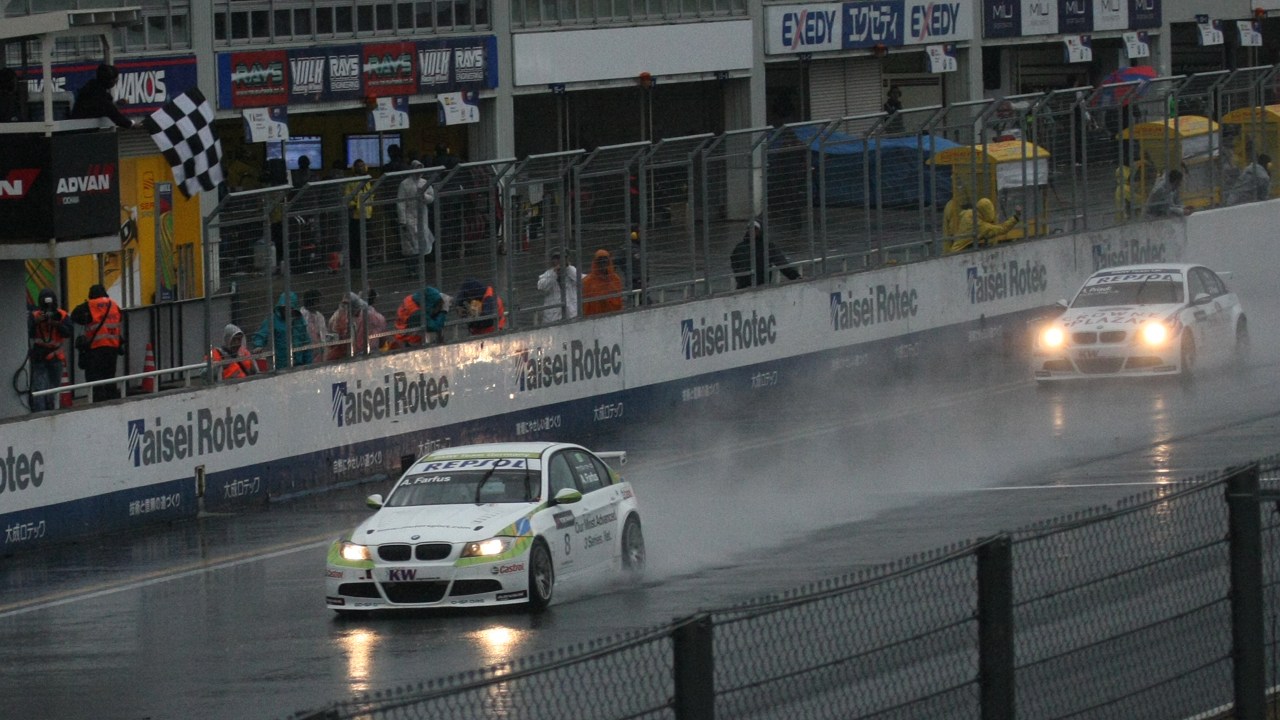
Modern motorsport has spent decades trying to solve a simple problem with very high stakes: how to keep racing when the sky opens up. Rain tires and wet-weather rules did not arrive as a single breakthrough, but as a slow, sometimes reluctant evolution shaped by safety concerns, television schedules, and the physics of rubber on water. I want to trace how those choices moved from ad hoc calls by race control into formal rulebooks that now define when, how, and even if the show can go on.
At the heart of that story is a tension between spectacle and safety. Organizers know that fans and broadcasters expect races to run “come rain or shine,” yet the same water that makes for dramatic images can turn a racetrack into a glassy surface where even the best drivers become passengers. The rise of dedicated rain tires, and the detailed wet-weather procedures that surround them, is really the story of how series like Formula 1 and NASCAR learned to manage that risk instead of simply canceling the day.
From slicks to grooves: how rain tires changed the physics of racing
Racing in the dry is built around slick tires, wide bands of smooth rubber that maximize contact with the asphalt. In the wet, that same smooth surface can ride up on a film of water and lose grip altogether, a phenomenon every road driver knows as hydroplaning. Rain tires attack that problem with deep grooves that channel water away from the contact patch, turning the tire into a kind of rolling pump that cuts through standing water rather than surfing on top of it.
The most extreme example of this approach in top-level single-seaters is the Pirelli Cinturato Formula wet tire, which is engineered to evacuate an extraordinary volume of water. At racing speeds, that tire can clear 60 liters of water per second at 300 km/h, a figure that illustrates how much hydraulic work is happening at the contact patch long before a driver even thinks about braking. That capacity is not a luxury, it is what allows a car to maintain a predictable slip angle, the small, controlled difference between where the wheels point and where the car actually travels, which becomes far harder to manage when the track is soaked.
Formula 1’s current tire supplier, the Italian company Pirelli, has built an entire wet-weather ladder into its range. Teams can choose between full wets like the Cinturato and intermediate tires that trade some water-clearing ability for better performance on a drying surface. That structure is now baked into the sporting regulations, with mandatory allocations and strict rules about when race control can order a switch for safety reasons. The existence of those options, and the obligation to carry them, is what makes it possible for Formula 1 to keep running at circuits where a sudden shower might otherwise halt the event.
Rulebooks catch up: from “no rain” NASCAR to codified wet races
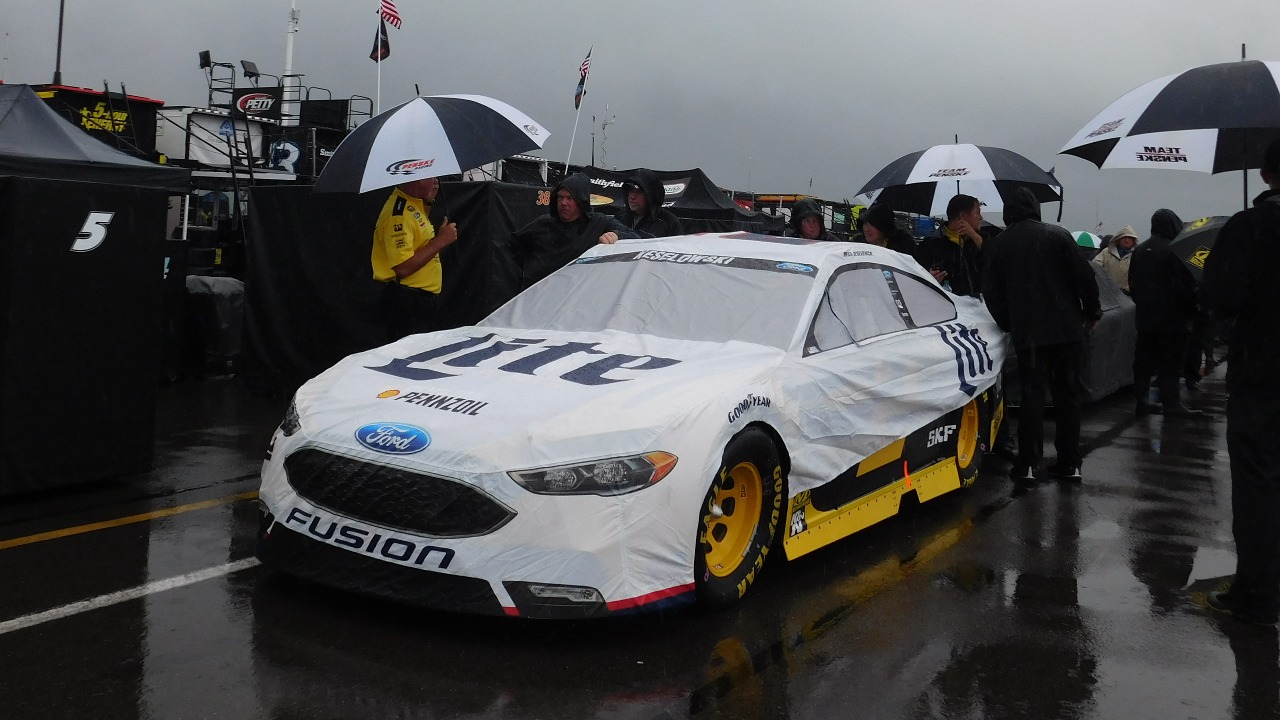
Stock car racing took a very different path. For decades, NASCAR treated rain as a hard stop, especially on high-speed ovals where heavy cars on slick tires were already operating near the edge of adhesion. If precipitation arrived mid-race, officials would throw a caution, then a red flag, and wait until the track was dry enough to resume, even if that meant pushing the finish to the following day. That conservative stance reflected both safety concerns and the reality that traditional NASCAR machinery lacked basic wet-weather tools like rain tires and wipers.
The shift began on road courses, where lower speeds and more varied cornering loads made wet running more feasible. A key moment came at the Charlotte ROVAL in 2020, when NASCAR finally embraced the idea of racing in the rain on a hybrid oval-road layout. That event, and others like it, relied on dedicated rain tires and additional equipment to keep visibility and grip within acceptable limits, a sharp break from the earlier practice of simply parking the field whenever the first drops fell. The move built on long-standing explanations of why NASCAR could not safely run in the wet on slicks, especially given the slip angles and loads its tires endure in high-banked corners.
Even with those new tools, the stock car rulebook still draws a bright line between what is possible on a road course and what is acceptable on an oval. If rain begins during an oval race, the standard procedure is to suspend the event until the precipitation stops and the surface can be dried, sometimes even pushing the finish to the next day if conditions do not improve. That approach reflects the series’ judgment that the combination of speed, banking, and pack racing leaves too little margin for error, even with modern rain tires, and it shows how wet-weather rules are tailored not just to tires but to track geometry and car design.
When technology meets visibility: modern wet-weather protocols
As tire technology has improved, the limiting factor in wet racing has increasingly shifted from grip to visibility. Full wet tires like the Pirelli Cinturato Formula can move enormous amounts of water, but all that spray has to go somewhere, and much of it ends up hanging in the air as a dense mist that can hide braking zones and even entire cars. Formula 1 has confronted this problem directly, with the FIA launching a study to define a standard for wet-weather visibility and to understand how surface water interacts with the underfloor aerodynamics of modern ground-effect cars.
Those efforts have already begun to reshape the rulebook. The Formula 1 Commission has backed changes to wet-weather procedures, sprint formats, and safety protocols that give race control more flexibility to delay starts, deploy the safety car, or mandate specific tire choices when spray reaches dangerous levels. The goal is to preserve the expectation that Formula 1 will race in challenging conditions, as highlighted in official content that celebrates how the series competes “come rain or shine,” while acknowledging that there are now objective thresholds for when the risk to drivers from poor visibility outweighs the spectacle.
Across series, the common thread is that rain tires are no longer treated as exotic one-off solutions but as core components of a broader safety system. In Formula 1, that system links Italian Pirelli wet compounds, FIA visibility research, and detailed race-control powers into a coherent framework. In NASCAR, it connects the cautious handling of oval events, the selective use of rain tires on road courses like Charlotte ROVAL, and long-standing concerns about how heavy stock cars behave when water robs their slicks of grip. The rulebooks may differ, but they all reflect the same hard-earned lesson: racing in the wet is possible, as long as the tires and the regulations evolve together.
More from Fast Lane Only: