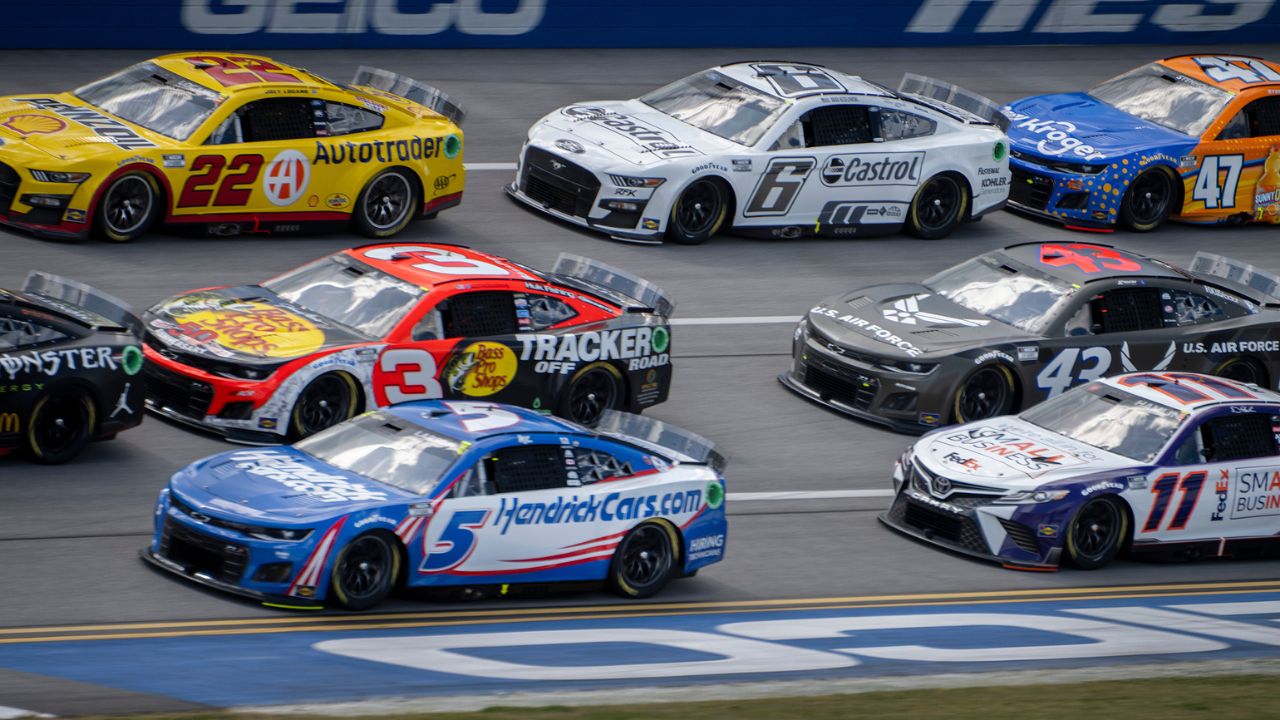
Superspeedway racing used to be a simple equation: more horsepower, more bravery, more speed. Today, the spectacle is still wild, but the way drivers race at Daytona and Talladega has been fundamentally reshaped by the end of the classic restrictor plate era and the rise of new engine and rules packages. The sport traded raw velocity for control, safety, and strategy, and that bargain has quietly rewritten what it means to race in the draft.
As I look at how the cars behave in the pack now compared with 15 or 20 years ago, the shift is not just about a different metal plate under the throttle body. It is about how NASCAR has layered horsepower limits, aero tweaks, and durability expectations into a package that slows the straight-line numbers yet keeps the intensity high, sometimes higher than before.
From plates to spacers: the mechanical reset
The first big change is mechanical, and it starts with how teams now make power at the biggest tracks. For decades, the classic restrictor plate sat between the carburetor and intake, choking airflow and cutting horsepower so cars would not rocket into the 220 mile per hour range on the long straights. That hardware defined the style of racing, because the plates forced engines to work in a narrow power band and kept the entire field bunched together in the draft, as detailed in explanations of the restrictor plate itself.
That era formally closed when the last race with the original plates was the 2019 Daytona 500, after which the Cup Series moved to a variable-sized tapered spacer. The spacer still limits airflow, but it does it more progressively and gives NASCAR finer control over how much power teams can make at different tracks. Technical breakdowns of the tapered spacer note that NASCAR stopped using the old plates in favor of this newer device, which behaves differently in how it shapes the torque curve and throttle response.
Why the cars are slower but the packs are tighter
Once you understand the hardware, the next question is why the racing looks so different on television. The short answer is that NASCAR has deliberately pulled back horsepower at superspeedways, which has dragged down top speeds but tightened the pack even more. Analyses of superspeedway performance point out that the resulting reduction of horsepower has cut the speed during the race, especially at tracks like Daytona and Talladega, where the long straights used to let unrestricted engines stretch their legs in a way that is no longer possible under the current rules, as explained in discussions of why superspeedways are slower.
Ironically, slowing the cars has not spread them out. In fact, the effects of slowing the cars made them race closer together than they had in the past, which made the effects of slight mistakes or bold moves much larger across the width of the racetrack. A detailed writeup on the restrictor plate and its uses notes that the closer packs magnified every bump and side draft. That dynamic has carried into the tapered spacer era, where the cars are still bunched tightly, but the way they respond to pushes and blocks has evolved with the new aero and engine combinations.
Two eras of plate racing, and a third one after
To really see how much has changed, I find it useful to break plate-style racing into phases. The first phase ran from 1988 to 95, when the plates were new and the fields tended to string out more, with lines forming but not locking together in the massive, three-wide packs that became common later. Reporting on the history of the restrictor-plate era describes how from 1988 to 95, plate racing was more spread out, and the draft worked differently because the cars and bodies of that time did not generate the same kind of turbulent wake or side-draft leverage that later generations did.
The second phase came when changes to the cars and rules created the tight, multi-lane packs that defined the late 1990s and 2000s. That style of racing produced some of the sport’s most iconic finishes but also a high crash rate that reshaped how fans and drivers thought about the Daytona 500 and Talladega events, as chronicled in deeper looks at how the perception of the Daytona 500 shifted. The current tapered spacer era functions almost like a third phase, where the pack is still dense, but the cars are more stable in some ways and more sensitive in others, especially when it comes to how they react to pushes on the rear bumper and side drafts off the quarter panels.
Safety tweaks and the new superspeedway package
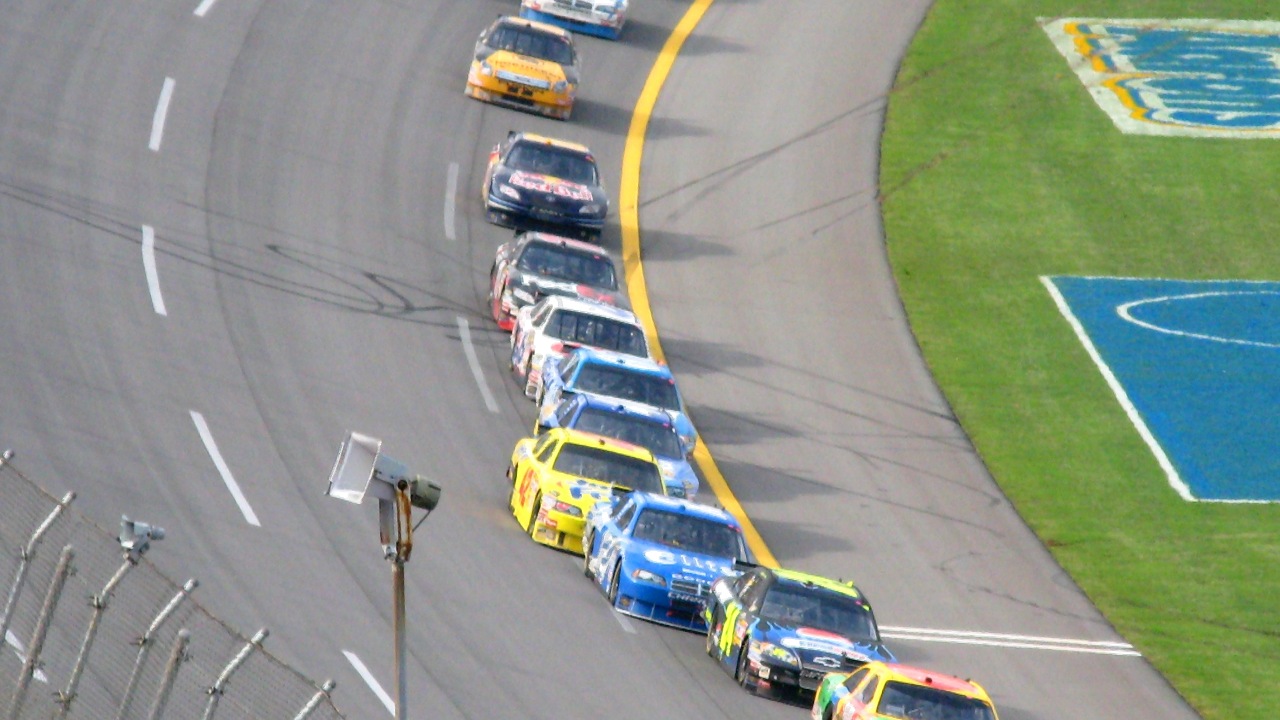
Safety has been the quiet engine behind nearly every change to superspeedway rules since the end of the classic plate era. NASCAR has repeatedly adjusted the superspeedway package to keep cars from getting airborne and to reduce the violence of the “big one” when it does happen. Ahead of a regular-season finale at Daytona, NASCAR implemented a new set of specification changes to the superspeedway package, including tweaks to the tapered spacer size and aerodynamic elements, in an effort to manage closing speeds and the energy of the pack on the final lap of the race, as outlined in coverage of how NASCAR tweaks the superspeedway package.
Those adjustments sit on top of a broader tightening of rules that has changed how teams build cars for these races. NASCAR’s tightened rules, coupled with teams building more durable cars and engines, has changed the Talladega game considerably, even as the racing remains a wild ride. Historical pieces on how Talladega was changed point out that the combination of stricter templates, engine limits, and safety-driven tweaks has made the cars tougher and more uniform. That uniformity keeps the field closer, but it also means drivers have to think more about how to survive to the end rather than simply how fast they can go in clean air.
How drivers race the draft differently now
From the cockpit, the end of the restrictor plate era has not made superspeedway racing calmer. If anything, it has made the mental load heavier. Drivers talk about how the current style of pack racing demands constant calculation about when to push, when to bail out of a line, and how to manage the risk of triggering a multi-car crash. Fans dissecting superspeedway racing now versus 15 to 20 years ago often point to comments from Denny Hamlin, who on his podcast has broken down how the modern package changes the way runs form and how blocks work in the draft, as referenced in discussions of superspeedway racing now versus 15-20 years ago.
What I see in those conversations is a recognition that the cars may be a bit slower in raw numbers, but the margin for error is smaller. The closer packs created by the horsepower cuts and aero rules mean that one mistimed shove can wipe out a third of the field, and the durability of modern cars and engines encourages drivers to be aggressive deep into a fuel run because they trust the equipment to take a beating. That combination of tight rules, strong cars, and tapered spacer power limits has produced a style of racing where patience and timing matter as much as bravery, and where the difference between hero and villain can be a single late block in the tri-oval.
What was gained, what was lost
When I step back from the technical details, the story of superspeedway racing after the restrictor era is really about trade-offs. The sport has given up some of the jaw-dropping top speeds that defined the early days of Talladega and the pre-plate Daytona years, in exchange for a more controlled environment where safety innovations and rules can be tuned with more precision. Analyses of why superspeedways are slower now make it clear that the horsepower cuts are intentional, not accidental, and that they are part of a broader philosophy that prioritizes keeping cars on the ground and drivers protected when the inevitable big wreck happens.
At the same time, the intensity of the show has not faded. The effects of slowing the cars made them race closer together, and yet the racing only got wilder in ways that not everyone was expecting, as detailed in the deeper look at the restrictor plate and its uses. Superspeedway racing has changed, but it has not softened. It has become a different kind of high-speed chess, one where the pieces move a little slower on the straightaways, yet collide with just as much force when strategy, physics, and human judgment intersect at 190 miles per hour.
More from Fast Lane Only: