The choice of a NASCAR crew chief is one of the most consequential personnel decisions a team makes, shaping everything from race strategy to garage culture. Behind every trophy and every late-race gamble sits a leader on the pit box who was hired not just to call fuel and tires, but to orchestrate an entire competitive operation. Understanding how teams identify and select that person reveals as much about modern stock-car racing as any rulebook.
From the outside, it can look like crew chiefs simply emerge from the shop floor or slide over from the driver’s seat. In reality, teams weigh technical expertise, leadership, communication and long-term chemistry with a driver before they ever hand over the headset. I want to unpack how those factors come together, and why the process of choosing the right crew chief has become as data driven and deliberate as building the car itself.
Why the crew chief role is treated like a head coach hire
Teams approach crew chief decisions with the gravity of a head coaching search, because the job touches every competitive lever a NASCAR organization can pull. The crew chief is responsible for translating a rulebook and a car’s potential into race-winning setups, in-race adjustments and pit strategy that can turn an average afternoon into a top‑five finish. Fans in one Dec comments section described the impact as “Huge,” reflecting a broader consensus inside the garage that a driver’s results are tightly linked to the person on the pit box. That perception is not sentimental, it is rooted in the reality that the crew chief oversees the same kind of big-picture planning and game management that a head coach handles in football.
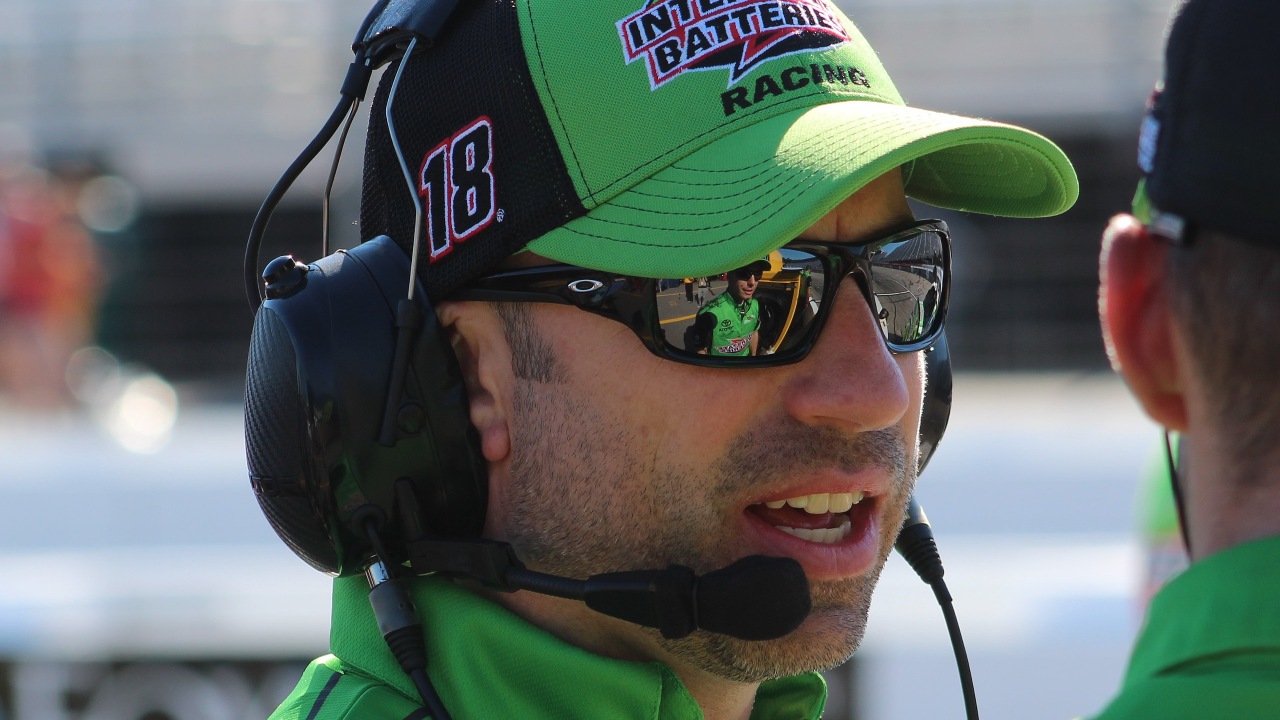
On race day, that responsibility becomes visible in the way a crew chief manages pressure, reads the race and keeps a driver locked in. One detailed breakdown of the role describes a crew chief who is “sitting on the pit box, but he’s working as hard as his driver is,” outwardly calm but internally managing nerves as he makes calls that can swing a season. Another analysis of what makes a Great NASCAR Crew Chief explicitly likens the position to a head coach, noting that Every Sprint Cup Series team surrounds that leader with a “plethora” of specialists whose work must be coordinated. When a team hires or replaces a crew chief, it is not just filling a vacancy, it is choosing the architect of its competitive identity.
The modern crew chief profile: engineer, racer, manager
When teams draw up a shortlist of candidates, they are not looking for a single trait, they are looking for a hybrid. The modern crew chief is expected to be part engineer, part racer and part manager, capable of speaking the language of simulation software and shock dynos while still understanding how a car feels at 190 miles per hour. One guide to the role notes that after the drivers, crew chiefs are probably the most important members of a race team, and that path increasingly runs through engineering. A discussion about current crew chiefs highlights that they are Typically highly experienced in the sport and have an engineering background, either through a formal degree or through equivalent experience, which reflects how technical the cars and rules have become.
That was not always the case. Earlier eras saw more crew chiefs come directly from the driver ranks, and one recent explainer points out that Back in the day, former racers often moved into the job, especially those who could not achieve much in their driver roles but had a strong feel for setups and race craft. Today, teams still value that racer’s intuition, but they tend to pair it with candidates who can manage complex data, oversee simulation programs and lead a large staff. The best are described as having deep Knowledge of every system on the car and the ability to synthesize input from engineers, mechanics and the driver into a coherent plan. When a team chooses a crew chief, it is effectively choosing which blend of those three identities it wants to define its program.
Inside the hiring checklist: skills teams quietly prioritize
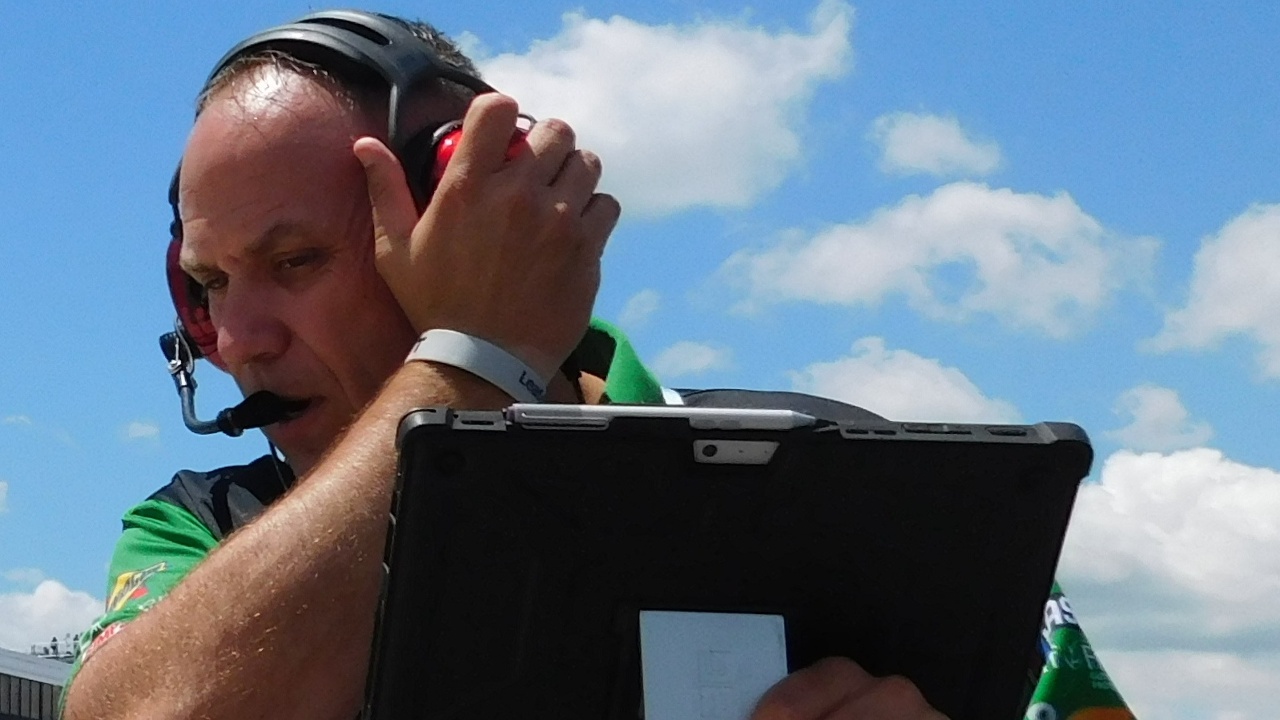
Behind closed doors, teams lean on a fairly consistent checklist when they evaluate potential crew chiefs, even if they rarely spell it out publicly. Technical competence is non‑negotiable, but it is only the starting point. In one detailed breakdown of sought after skills in racing, team insiders emphasize Experience in racing or some sort of proven track record, along with the ability to be a positive contributor and handle pressure. That combination mirrors what teams look for in a crew chief: someone who has already shown they can make the right call with a race on the line and still keep a crew focused when things go sideways.
Soft skills matter just as much. The same discussion notes that critical ingredients include communication, teamwork and the capacity to fit into an existing culture. A crew chief has to manage a diverse group of specialists, from engineers to over‑the‑wall crew, and still maintain a clear voice in the driver’s ear. Guides that walk through how to Become a NASCAR Crew Chief stress that candidates need leadership, organizational skills and the ability to make quick decisions under stress, not just a résumé full of degrees. When teams weigh two technically similar candidates, those interpersonal traits often become the tiebreaker, because the wrong personality at the top of the pit box can fracture a shop that otherwise has the right parts and people.
Driver–crew chief chemistry as a hiring filter
Even the most technically gifted crew chief will struggle if the relationship with the driver never clicks, which is why chemistry has become a central filter in hiring decisions. Teams know that the crew chief is the driver’s primary translator, turning vague feedback about “tight” or “loose” into precise chassis changes, and that process only works if both sides trust each other. Reporting on successful pairings in the Cup Series underscores that Building this communication and relationship is not instantaneous, and drivers like Todd Gilliland and others have talked about how much work it takes to reach a point where they can speak in shorthand over the radio. When organizations consider a new crew chief, they are effectively asking whether that person can build that kind of rapport with a specific driver, not just with any driver.
That is why some of the most successful combinations in recent years have been treated almost like quarterback–offensive coordinator partnerships in football, with teams reluctant to break them up even when internal promotions or restructuring might suggest it. A feature on the secret behind driver and crew chief success points to long‑running pairings that have grown together, refining communication styles and expectations over multiple seasons. When a team hires a crew chief from outside, it often stages extensive meetings and debriefs between the candidate and the driver to test that fit before making a move. The goal is to avoid a scenario where a driver feels unheard or a crew chief feels they cannot get the information they need, because that disconnect can quietly cost speed every weekend.
How teams weigh leadership and culture fit
Beyond the driver relationship, organizations also evaluate how a prospective crew chief will shape the broader team culture. A NASCAR operation is a layered structure that includes an owner, team executives, engineers, mechanics and over‑the‑wall crew, and one overview of Meeting the NASCAR Team notes that the owner is the boss while the crew chief functions as the day‑to‑day leader of the competitive group. That means the person in that role must be able to align the shop’s work with the owner’s expectations and the driver’s needs, all while keeping morale steady through the inevitable swings of a long season. Teams look for evidence that a candidate can command respect without alienating people, and that they can represent the organization well in the garage and in debriefs.
Real‑world examples illustrate how much weight teams place on that leadership dimension. When Chase Elliott was paired with a new crew chief in 2016, he was just 20 years old, and the person who took over that job later reflected that People can look at moments like that and see the pressure, but for him it was about guiding a young driver and a team through growth. That kind of assignment is not given lightly. It signals that the organization believes the crew chief can mentor, manage expectations and keep a young star grounded. When teams consider similar moves today, they are not just asking whether a candidate can call a race, they are asking whether that person can be the steady voice that holds a program together through slumps, media scrutiny and internal change.
Pathways into the role and how teams cultivate future leaders
Choosing a crew chief is not only about external hiring, it is also about how teams develop talent internally so they have options when a change is needed. Guides on how to Become a NASCAR Crew Chief describe a ladder that often starts with entry‑level roles in the shop, moves through engineering or car chief positions and eventually leads to the top of the pit box. Teams use that structure to observe how candidates handle responsibility, communicate with drivers and collaborate with other departments long before they are considered for the main job. By the time someone is in serious contention, leadership already has years of data on their work habits and decision‑making style.
At the same time, the sport’s evolution has kept the door open for people with different backgrounds, including former drivers who transition into technical or leadership roles. The note that Back in the day, former racers often moved into crew chief positions still resonates, especially in development series where budgets are tighter and versatility is prized. Larger organizations now blend that experiential knowledge with formal engineering training, reflecting the observation that current crew chiefs are Typically highly experienced and often have an engineering background. When a team finally hands someone the headset, it is usually the culmination of a long, deliberate process that balances education, on‑track experience and proven leadership inside the shop.
More from Fast Lane Only: