Restoration is a double-edged sword in the world of collector cars. While it can significantly enhance a vehicle’s aesthetic appeal and functionality, it can also affect its market value in unpredictable ways. The nuanced relationship between restoration efforts and collector car values brings both opportunities and challenges to enthusiasts and investors alike.
The Basics of Car Restoration
What is Car Restoration?
Car restoration involves returning a vehicle to its original state, focusing on authenticity and historical accuracy. There are several types of restoration, each varying in scope and depth. A full restoration involves dismantling the car to its core components and rebuilding it to factory specifications. Partial restoration may address specific sections, such as the engine or interior, while cosmetic restoration focuses on aesthetics like paint and upholstery. It’s essential to differentiate restoration from customization, which often involves altering the vehicle for personal preference rather than historical accuracy.
Why Restore a Collector Car?
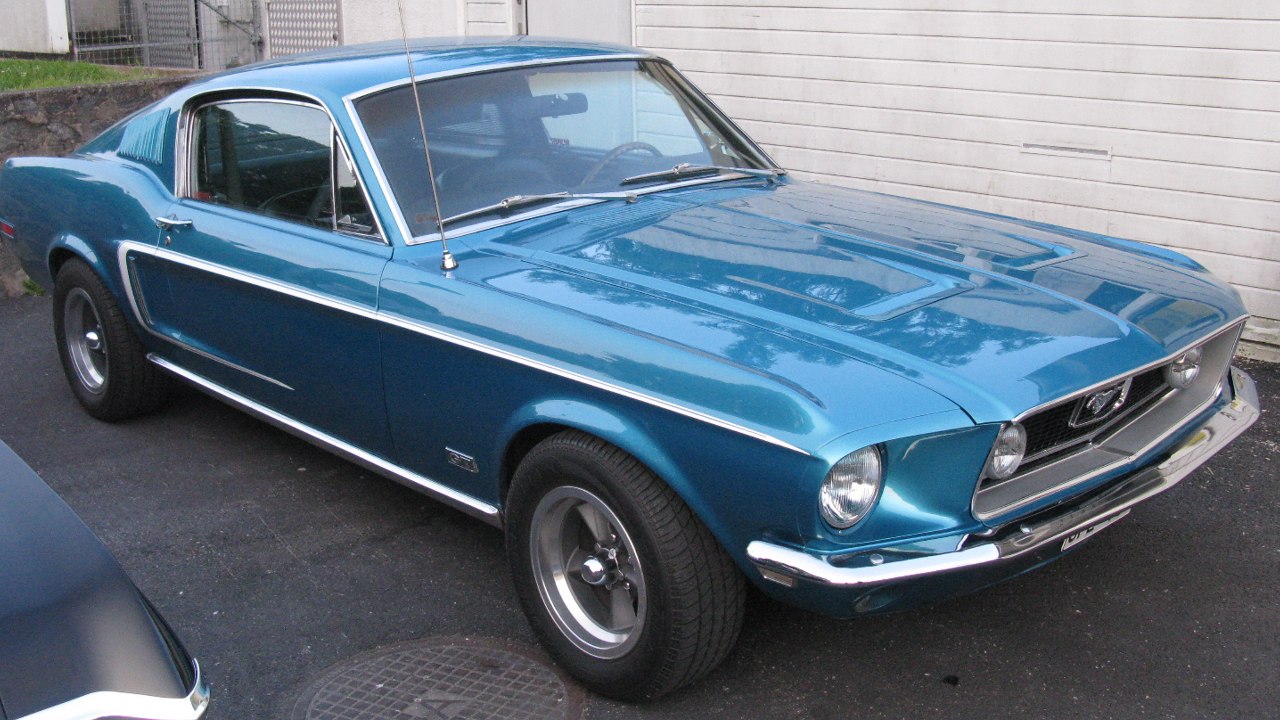
The allure of car restoration often stems from a desire to preserve automotive history and legacy. Restoring a classic car like a 1967 Ford Mustang or a 1957 Chevrolet Bel Air can be a way to honor the craftsmanship and design of an era. Personal satisfaction also plays a significant role. Many enthusiasts find joy in the process of transforming an old, worn-out vehicle into a beautiful, functioning piece of art. Additionally, aesthetic improvements can elevate a car’s visual appeal, making it more desirable to potential buyers or collectors.
Factors Influencing Collector Car Values

The Importance of Originality
Originality is a cornerstone of value in the collector car market. Vehicles with original parts and paint typically command higher prices. For instance, a 1969 Camaro with its original engine and paint will likely be more valuable than one that’s been heavily modified. The concept of “matching numbers” refers to the original engine, transmission, and other key components having serial numbers that match the production records for that specific vehicle. This authenticity can significantly boost a car’s market value.
Market Trends and Demand
Collector car values are also influenced by prevailing market trends and demand. For example, the rising popularity of vintage SUVs has increased interest in models like the Toyota Land Cruiser FJ40. Additionally, cars with celebrity ownership or historical significance, such as a Ferrari once owned by Steve McQueen, can see their values skyrocket. These factors often dictate restoration decisions, as owners aim to align their vehicles with what collectors are currently seeking.
Restoration Quality and Its Impact
Professional vs. Amateur Restoration
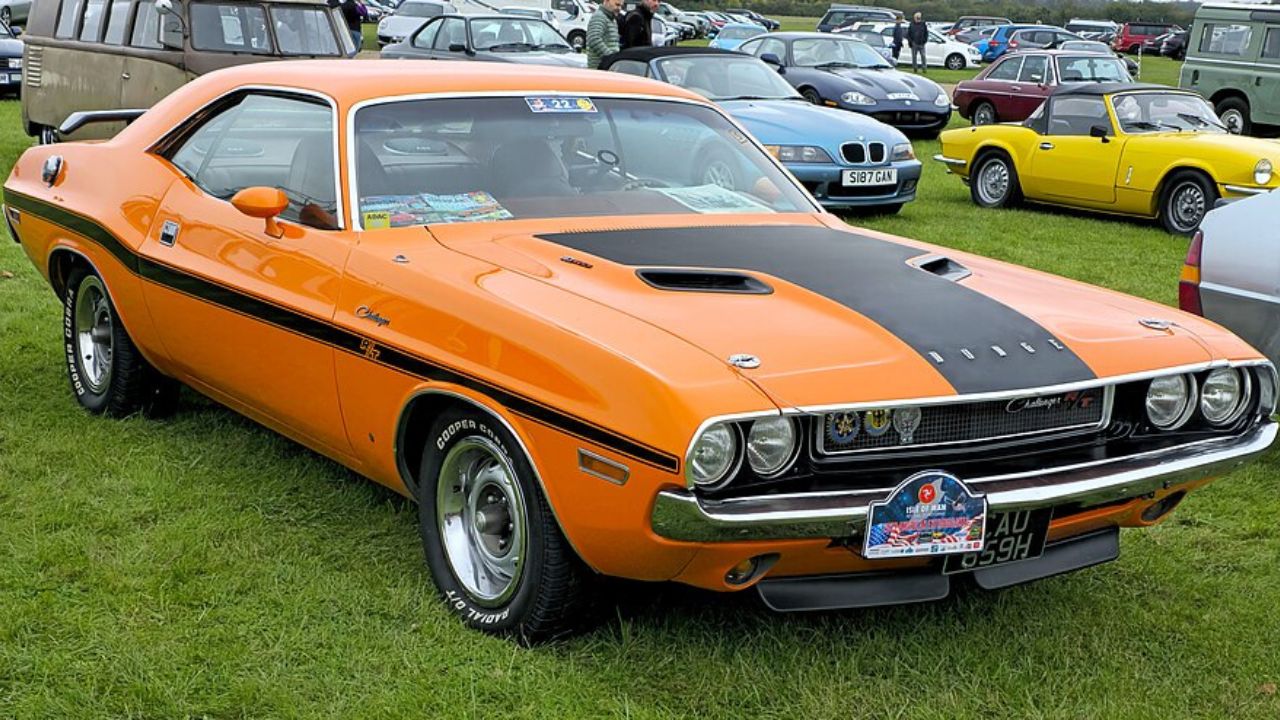
The quality of a restoration project can make or break a car’s value. Professional restorations, conducted by experienced specialists, tend to enhance a vehicle’s credibility and market value. These experts use period-correct parts and techniques, ensuring that the restoration aligns with the car’s original specifications. Conversely, amateur or DIY restorations carry risks, such as improper techniques or non-original parts, which can diminish a car’s value and appeal to discerning collectors.
Attention to Detail
Meticulous attention to detail is crucial in restoration projects. Using period-correct parts, such as those found in a 1970 Dodge Challenger, can significantly enhance a car’s value. Techniques that honor the car’s original build and history not only preserve its authenticity but also make it more attractive to potential buyers. A restoration that focuses on these details often results in a vehicle that stands out in auctions and car shows, potentially fetching a higher price.
Economic Considerations
Cost vs. Return on Investment
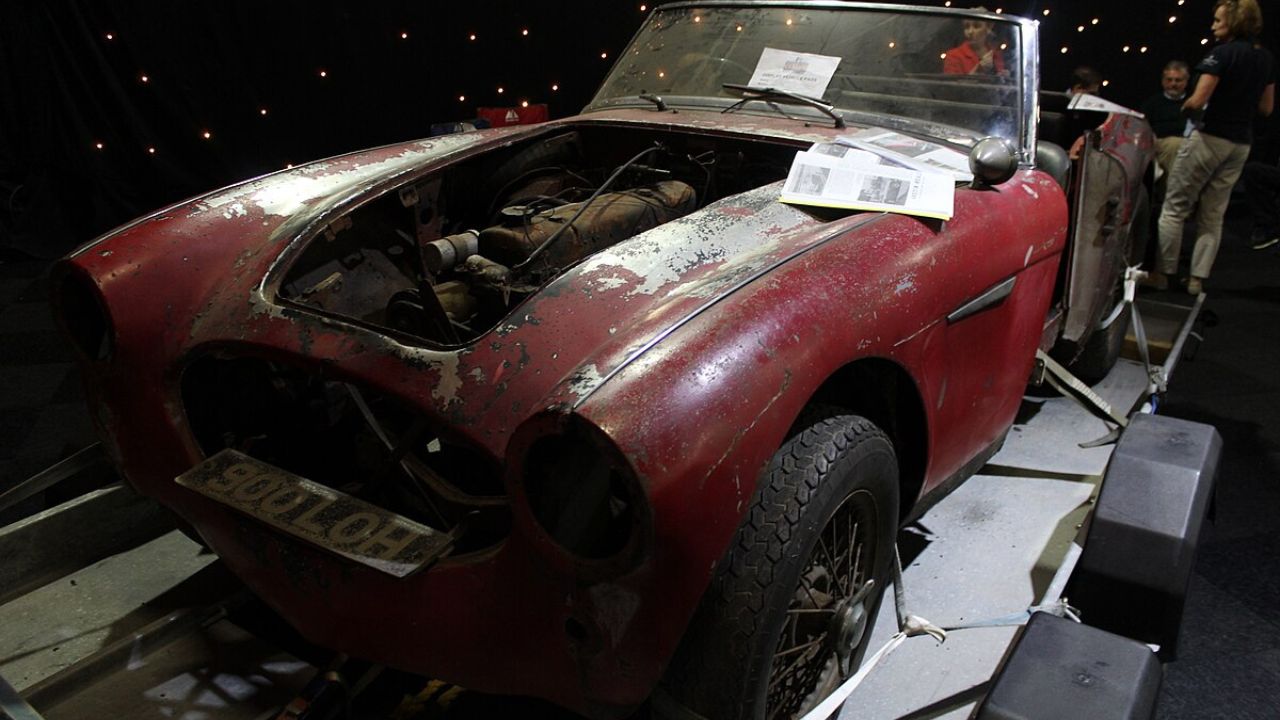
Restoration can be a costly endeavor, and calculating the potential return on investment is crucial. Costs can range from a few thousand dollars for minor repairs to hundreds of thousands for a full restoration. It’s important to weigh these expenses against the potential increase in the car’s market value. Common financial pitfalls include underestimating the time and resources needed for a project, leading to unexpected costs that can negate potential profits.
Insurance and Appraisal Implications
Restoration can also impact insurance premiums and policies. A restored car may require specialized insurance to cover its increased value, which can lead to higher premiums. Appraisals play a critical role in determining a car’s post-restoration value, providing a benchmark for insurance coverage and potential resale. Engaging a qualified appraiser who understands the nuances of collector cars ensures that the vehicle is accurately valued.
The Collector’s Perspective

Personal Preferences and Goals
Collectors often balance personal enjoyment with investment potential when deciding on restoration projects. The emotional connection to a car, such as a childhood dream car like a 1965 Shelby Cobra, can drive restoration decisions. While some collectors focus on financial returns, others prioritize the joy and satisfaction of owning a beautifully restored piece of automotive history. This personal connection can heavily influence the perceived value of a restored vehicle.
Long-Term Value Projection
Restoration can affect a car’s long-term appreciation or depreciation. While some vehicles, like the Porsche 911, have a track record of appreciating in value post-restoration, others may not see the same financial gains. Strategies for maintaining or increasing value include regular maintenance, proper storage, and participation in prestigious car shows. These efforts not only preserve the car’s condition but also enhance its reputation and desirability among collectors.
Like Fast Lane Only’s content? Be sure to follow us.
Here’s more from us:
*Created with AI assistance and editor review.