Repair bills are quietly reshaping the American car market, pushing drivers to rethink what they buy, how long they keep it, and whether they can afford to fix it when something breaks. As parts, labor, and insurance all climb, the cost of keeping a vehicle on the road is starting to rival the cost of replacing it, especially for lower income households and owners of older cars.
I see that shift showing up everywhere from dealership lots to independent garages, where decisions that used to be routine are turning into hard tradeoffs about safety, debt, and how much technology people really want in their next vehicle.
Why fixing a car is getting so expensive
The basic math of car ownership has changed because nearly every line item tied to repairs has moved higher at the same time. Parts that once cost a few hundred dollars now run into the thousands, and the labor to install them has become more specialized and more expensive as vehicles pack in sensors, cameras, and complex software. Industry data show that average repair costs have risen faster than general inflation, with collision work in particular climbing sharply as advanced driver assistance systems add pricey components behind bumpers and windshields that used to be simple to replace. Those higher shop bills are landing on top of elevated prices for new and used vehicles, which means drivers are squeezed whether they choose to fix or to trade.
Insurance is amplifying the pressure. As claim costs rise, premiums have followed, and insurers are more likely to declare a vehicle a total loss when repairs approach a high share of its value. That threshold is easier to hit when a minor front-end crash can damage radar units, cameras, and plastic bodywork that all require careful calibration. Reporting on recent claim trends shows that the cost of repairing late model vehicles with advanced safety tech has jumped, contributing to higher comprehensive and collision premiums and leaving some owners with repair estimates that exceed what their insurer is willing to cover. Those dynamics filter down to the repair shop, where customers are increasingly forced to decide whether to pay thousands out of pocket, accept a total loss check, or drive away in a car that is cosmetically or even structurally compromised.
How technology and safety features drive up repair bills
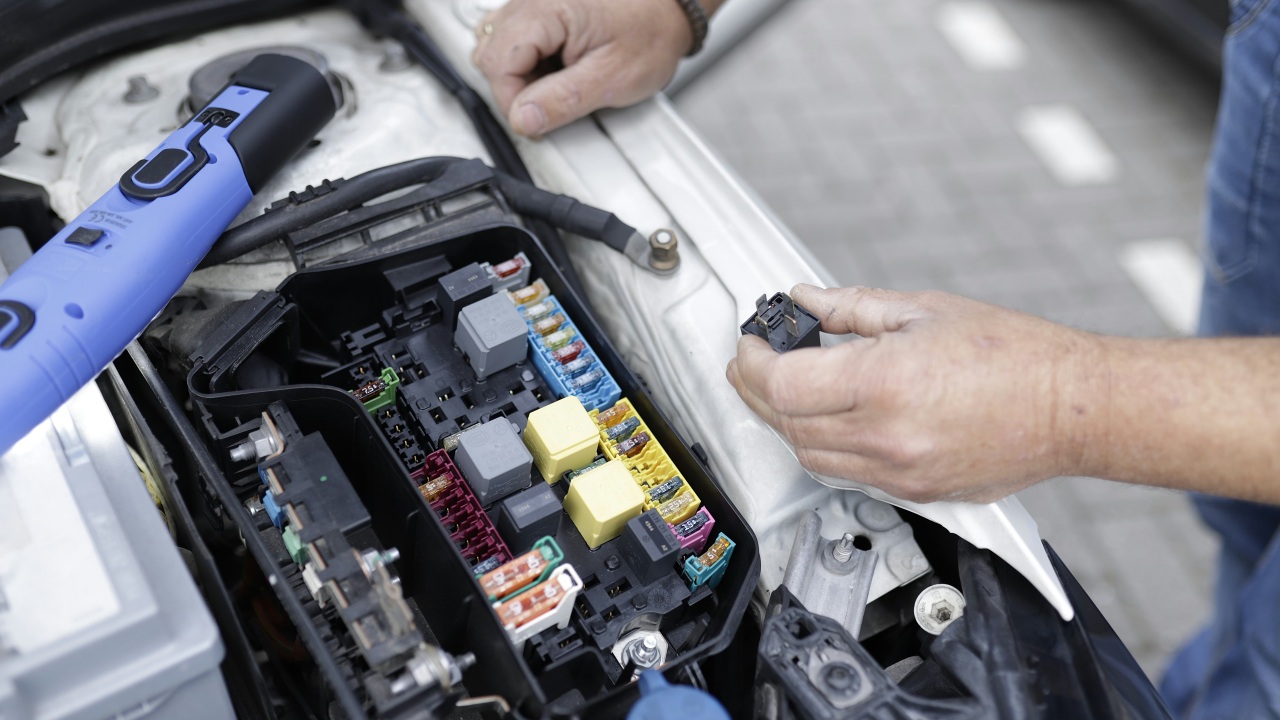
Modern safety and convenience features are saving lives, but they are also making each repair more complicated and more expensive. A cracked windshield on a car equipped with lane keeping cameras and automatic emergency braking is no longer a simple glass swap; it often requires specific glass, specialized tools, and post-installation calibration so the camera can “see” correctly. Similarly, a low speed parking bump that damages a bumper cover can also knock out ultrasonic sensors or radar modules that control parking assist and adaptive cruise control. Industry repair analyses show that these components can cost hundreds of dollars each, and that calibration procedures add significant labor time, which helps explain why average repair invoices for newer vehicles have climbed.
Software is another hidden driver of cost. Many late model vehicles require proprietary diagnostic tools and subscription-based software access just to clear fault codes or program replacement parts. Independent shops that once handled most mechanical work now face steep investments to stay current, and some repairs are effectively locked to franchised dealers because of security protocols and encrypted modules. Reports on right-to-repair debates highlight how limited access to software and data can push owners toward more expensive service channels and can even make relatively simple fixes, like replacing a battery in a hybrid or electric vehicle, far costlier than the hardware alone would suggest. As more models adopt over-the-air updates and integrated driver assistance suites, the share of repairs that fall into this high-tech, high-cost category is likely to grow.
Older cars, tighter budgets, and the rise of “driving it broken”
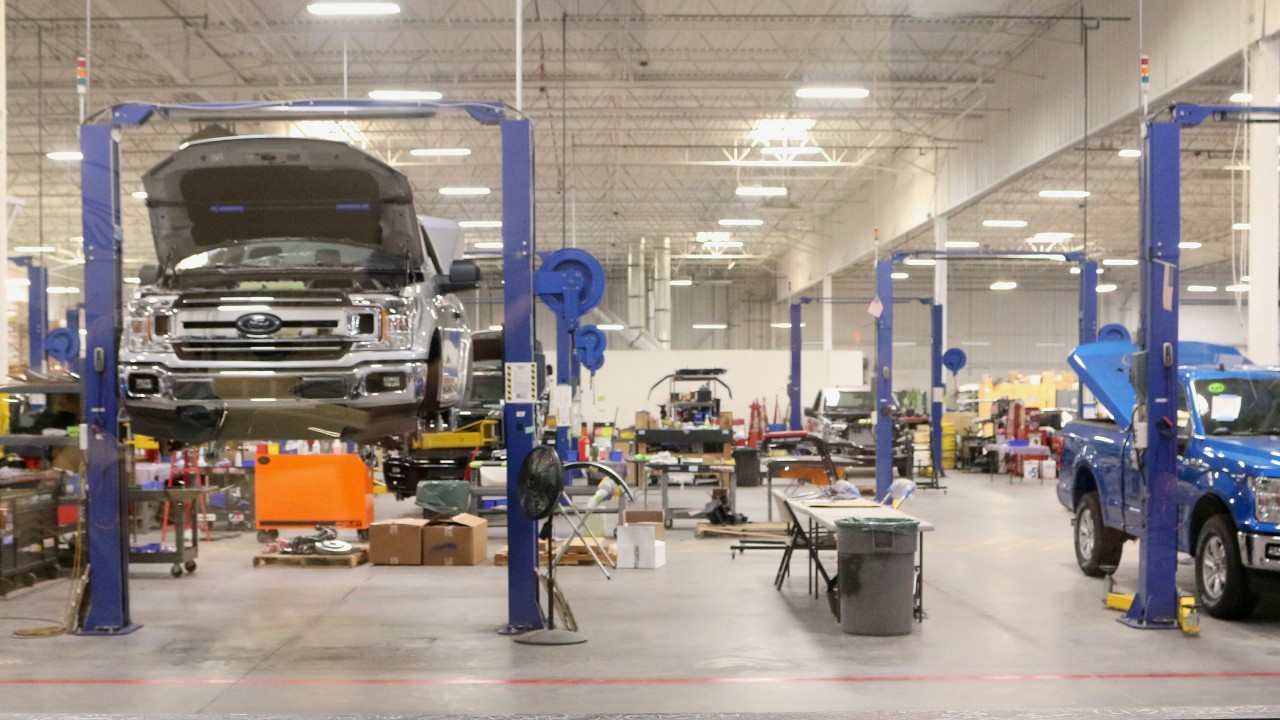
For many Americans, especially those with lower incomes, the response to rising repair costs has been to hold on to older vehicles longer and to defer nonessential fixes. The average age of the U.S. vehicle fleet has climbed into record territory, reflecting both high purchase prices and the reality that stretching an existing car often feels cheaper than taking on a new loan. Yet as vehicles age, they need more maintenance, and the cost of major repairs like transmissions, air conditioning systems, or electronic control units can quickly exceed the resale value of the car. Reporting on household budgets shows that a large share of drivers would struggle to cover an unexpected repair of even a few hundred dollars, which means a four-figure estimate can be financially destabilizing.
That gap between what repairs cost and what families can pay is changing behavior on the road. Mechanics describe customers authorizing only the bare minimum to keep a car running, skipping cosmetic work and sometimes delaying safety-related items like suspension components or warning light diagnostics. Studies of vehicle condition at inspection stations and in crash data suggest that worn tires, neglected brakes, and unresolved check engine lights are common on older vehicles, particularly in regions where inspections are lax or nonexistent. When a single repair can equal several months of rent, many owners choose to “drive it broken,” accepting more noise, vibration, and risk rather than taking on new debt or losing their only means of getting to work.
When repair costs push drivers into different vehicles
High repair bills are not just keeping people in older cars; they are also nudging some drivers into very different vehicles when they finally do replace them. For owners burned by repeated breakdowns or a surprise transmission failure, the appeal of a new car warranty or a certified pre-owned model with extended coverage can outweigh the higher monthly payment. Dealers report that service department conversations often turn into sales leads when customers face a repair estimate that approaches the remaining value of their car. In those cases, the choice is framed as paying thousands to fix a vehicle with no warranty or rolling that money into a down payment on something newer, even if the loan term stretches longer than in the past.
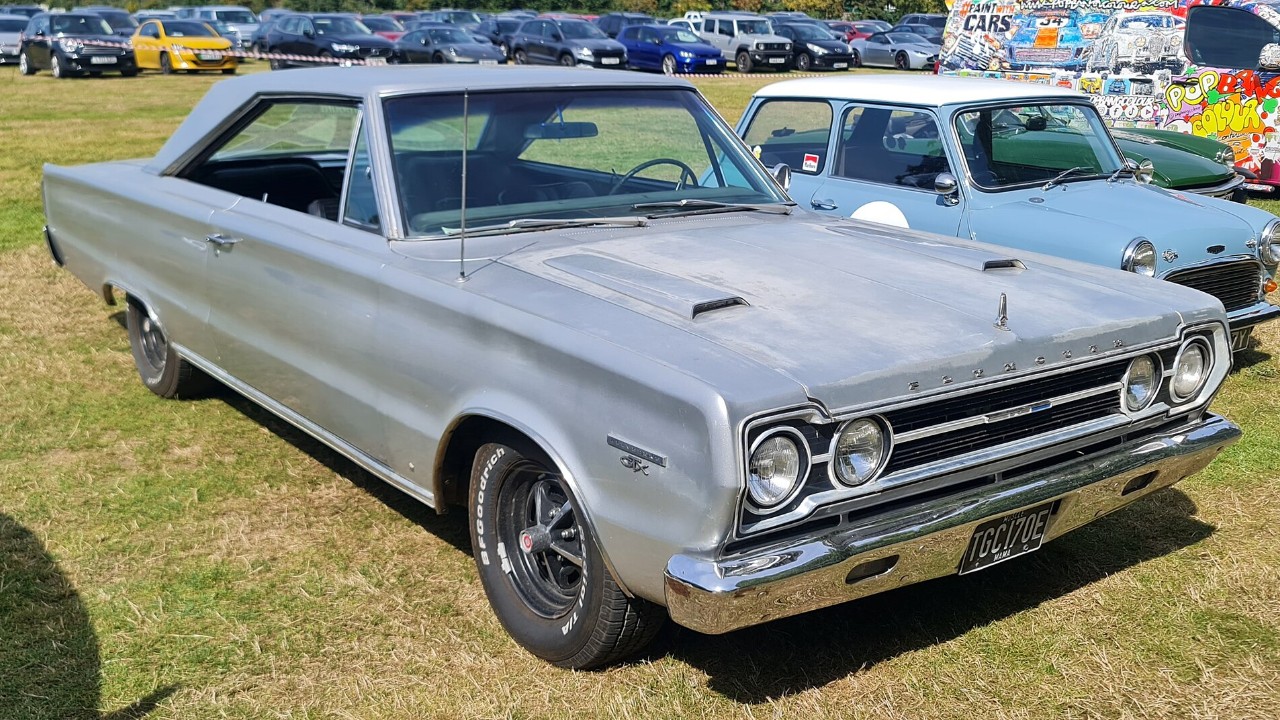
At the same time, some buyers are moving in the opposite direction, away from complex technology and toward simpler, cheaper-to-fix models. Used car listings show strong demand for older, mechanically straightforward vehicles like early 2010s Toyota Corollas, Honda Civics, and Ford F-150s, which have reputations for durability and lower repair costs. Reporting on used market trends notes that these models often command premium prices relative to similarly aged but more complex competitors, reflecting a kind of “repairability premium.” For shoppers who have watched friends or relatives face four-figure bills for electronic issues on luxury crossovers or plug-in hybrids, the idea of a basic, non-turbocharged engine and fewer gadgets can be a selling point, even if it means giving up the latest infotainment or driver assistance features.
Electric vehicles, body shops, and the total-loss tipping point
Electric vehicles sit at the center of the repair-cost debate because they combine expensive battery packs with advanced electronics and relatively new repair protocols. On one hand, EVs eliminate many traditional maintenance items like oil changes and exhaust systems, and fleet data show that they can have lower routine service costs over time. On the other hand, collision repair for an EV can be significantly more expensive, especially if the battery pack is damaged or even suspected of being compromised. Industry case studies describe situations where minor structural damage near the battery leads insurers to declare a total loss rather than risk an incomplete repair, since replacing a high voltage pack can cost tens of thousands of dollars.
Those economics are influencing what Americans drive in subtle ways. Some insurers have raised premiums on certain EV models or tightened underwriting standards after seeing higher average claim costs and more total losses, which can make ownership less attractive for budget-conscious buyers. Body shops, meanwhile, must invest in specialized training, insulated tools, and dedicated workspaces to handle high voltage vehicles safely, costs that are ultimately reflected in repair estimates. Reporting on the collision industry notes that smaller shops sometimes decline EV work altogether, steering owners toward a limited number of certified facilities that may be farther away and more expensive. As EV adoption grows, the tension between lower day-to-day maintenance and higher, more complex collision costs will play a larger role in household decisions about whether to stick with gasoline, go electric, or choose a hybrid middle ground.
How drivers and policymakers are trying to bend the cost curve
Faced with rising repair costs, drivers are experimenting with new strategies to protect themselves, from extended warranties to subscription maintenance plans and telematics-based insurance. Automakers and dealers increasingly market prepaid service packages and longer powertrain warranties as a way to smooth out expenses, although those products add to the upfront cost and do not always cover the electronics and safety systems that are driving many of the biggest bills. Usage-based insurance programs that track driving behavior through smartphone apps or in-car devices promise lower premiums for careful drivers, and reporting on early adopters suggests that some households have seen meaningful savings, which can free up money for maintenance.
Policy debates are also starting to focus on the repair side of car ownership, not just on fuel economy or emissions. Right-to-repair legislation at the state and federal level aims to give independent shops and consumers better access to diagnostic data, software, and parts, with advocates arguing that more competition could lower prices and keep older vehicles safely on the road. Automakers have pushed back on some proposals, citing cybersecurity and intellectual property concerns, but recent agreements in several states show that compromise is possible, at least for certain categories of data. At the same time, transportation safety officials and consumer advocates are warning that if repair costs continue to rise faster than incomes, the country could see more unsafe vehicles in circulation, particularly in rural and low income communities that rely heavily on older cars. How lawmakers, insurers, and manufacturers respond to those warnings will help determine whether the cost of fixing a car remains a manageable nuisance or becomes a barrier to basic mobility for millions of Americans.
More from Fast Lane Only: