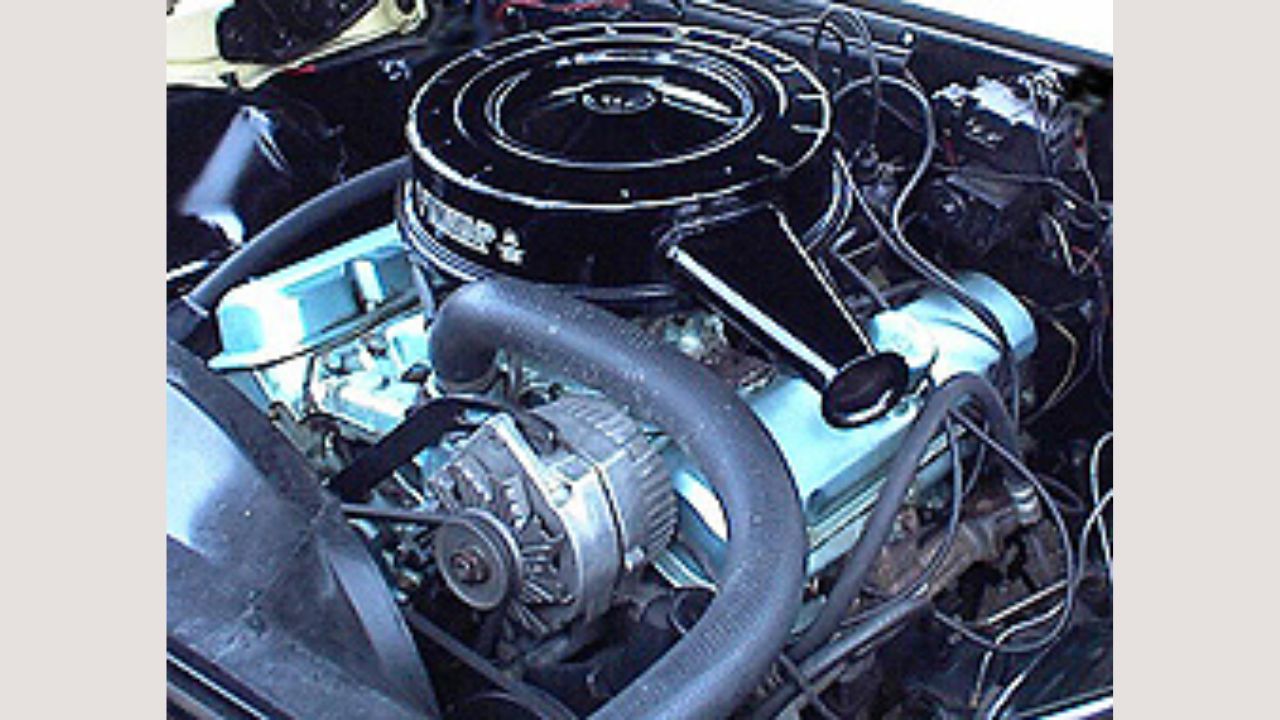
Racing has always been a thrilling spectacle, but it has also been fraught with danger. Over the years, safety regulations have dramatically transformed the design and technology of racing cars, prioritizing driver and spectator safety while maintaining the sport’s excitement.
The Early Days of Racing

In the early 20th century, racing was a daring adventure with minimal regard for safety. Cars were built for speed rather than protection, and drivers often raced without helmets or seatbelts. The lack of safety measures led to frequent accidents, resulting in numerous fatalities among both drivers and spectators. These tragic incidents highlighted the urgent need for safety regulations in the sport.
As the popularity of racing grew, so did the public’s awareness of its dangers. High-profile accidents, such as the 1955 Le Mans disaster, where a car crash killed over 80 spectators, underscored the necessity for change. These early experiences prompted the initial calls for safety regulations, setting the stage for the transformative measures that would follow.
Key Safety Innovations
One of the most significant advancements in racing car safety was the introduction of roll cages. These structures, designed to protect drivers during crashes, became a standard feature in racing cars. Roll cages are engineered to withstand impacts and prevent the car’s frame from collapsing, significantly reducing the risk of injury.
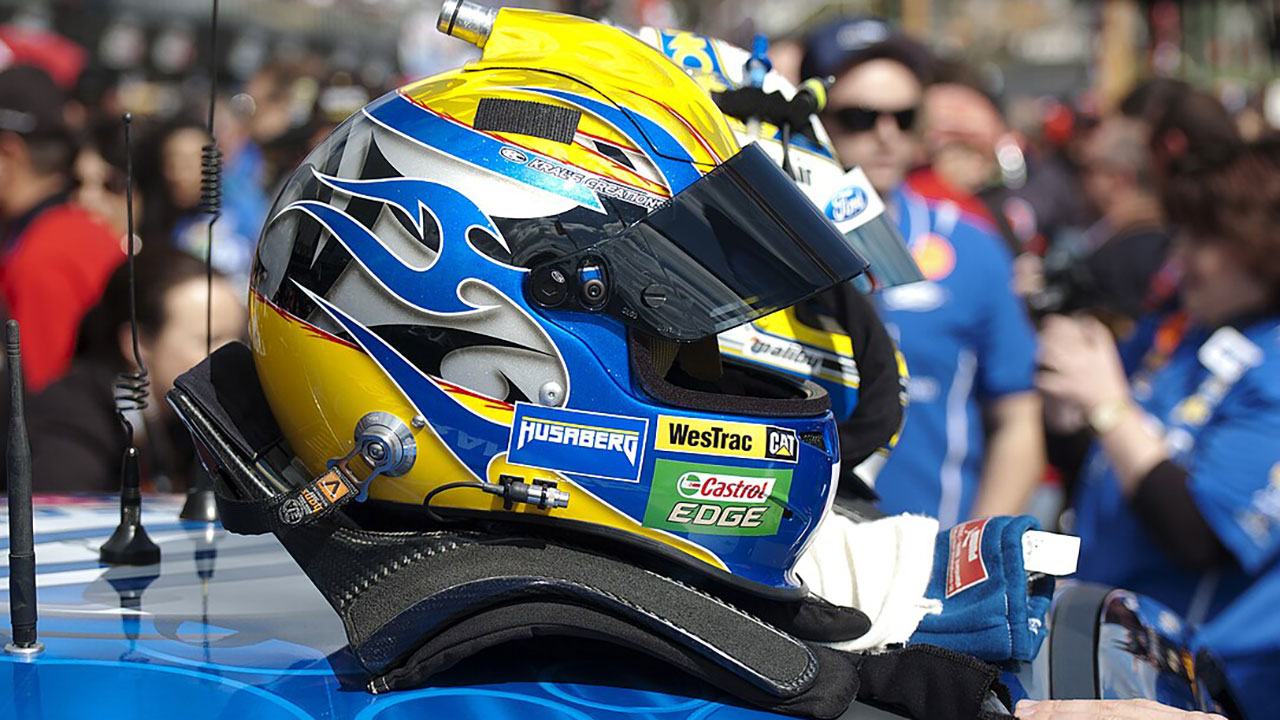
Another pivotal innovation was the development of the HANS (Head and Neck Support) device. This safety apparatus, which supports the head and neck during collisions, has become mandatory in many racing series. Additionally, the use of fire-retardant suits and materials has greatly enhanced driver safety, providing crucial protection in the event of a fire.
The Role of Governing Bodies
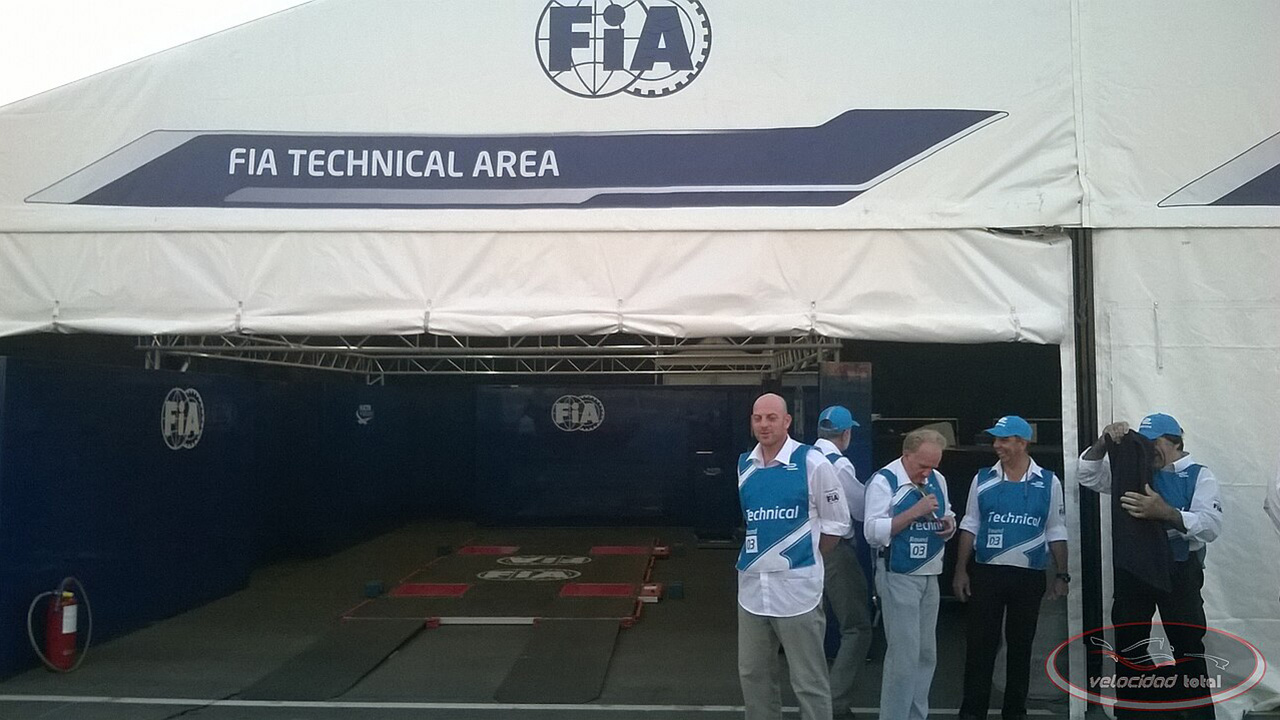
Organizations like the Fédération Internationale de l’Automobile (FIA) have played a crucial role in setting and enforcing safety standards in racing. The FIA’s regulations have led to significant milestones, such as the introduction of mandatory crash tests for racing cars. These tests ensure that vehicles meet stringent safety criteria before they are allowed to compete.
Balancing safety with the sport’s competitive edge is a constant challenge for governing bodies. While safety is paramount, maintaining the excitement and competitiveness of racing is also essential. The FIA and other organizations continue to refine regulations to achieve this balance, ensuring that racing remains both thrilling and safe.
Technological Advancements Driven by Safety Concerns
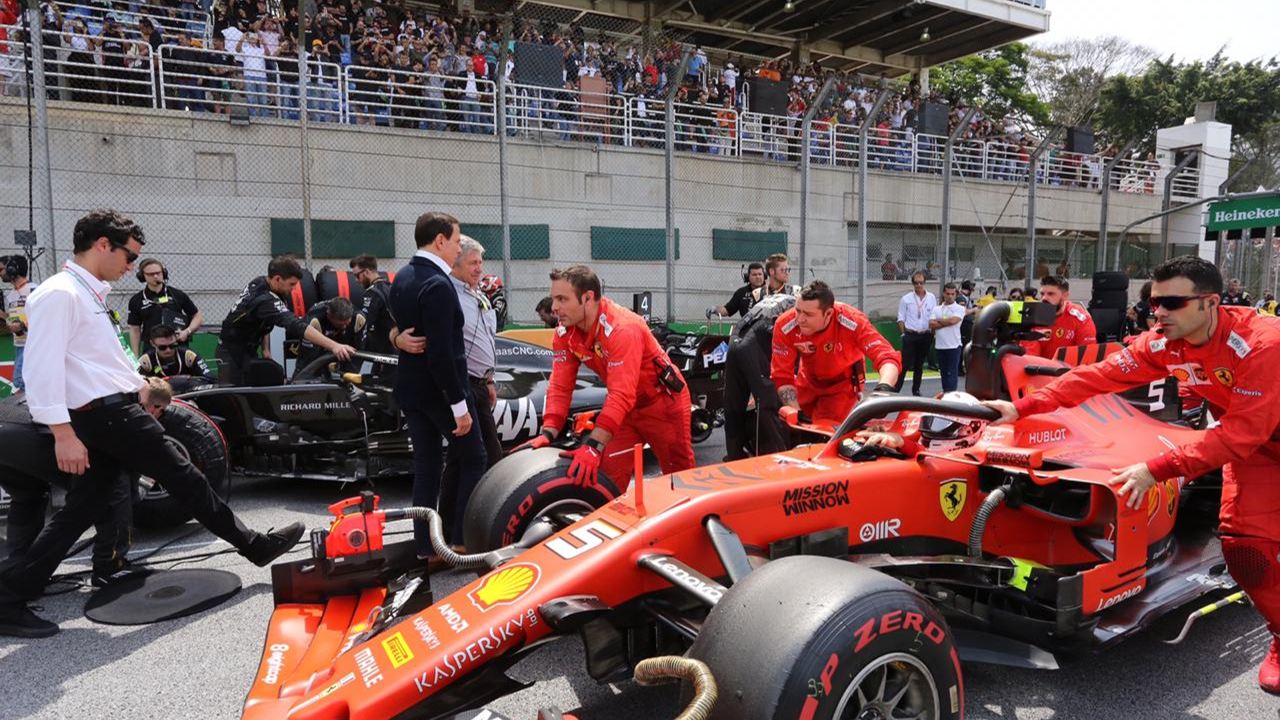
Safety concerns have driven numerous technological innovations in racing. Advanced telemetry systems, for example, allow teams to monitor car performance and driver health in real-time, providing critical data that can prevent accidents. These systems have become an integral part of modern racing, enhancing both safety and performance.
Aerodynamics also play a crucial role in racing car safety. By optimizing airflow over the car, engineers can improve stability and reduce the risk of accidents. Additionally, the integration of materials like carbon fiber has increased the strength and reduced the weight of racing cars, further enhancing safety without compromising speed.
The Future of Racing Car Safety
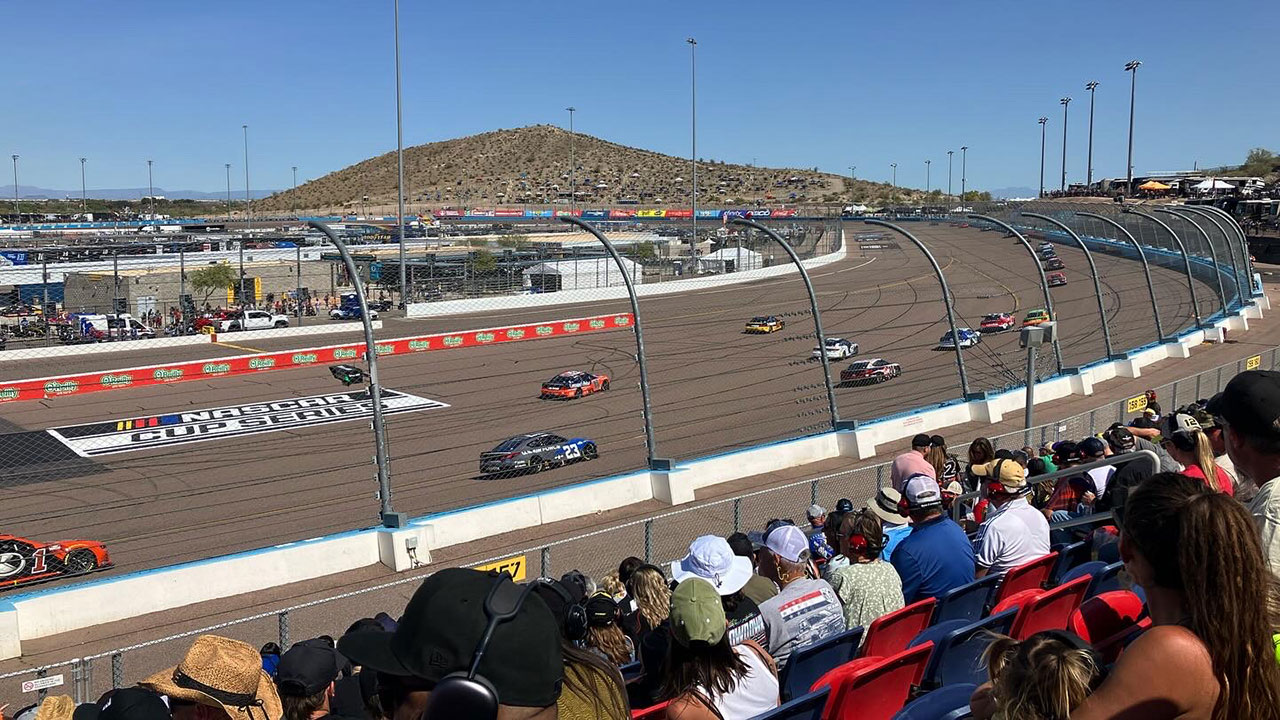
Ongoing research into new safety technologies and materials promises to further enhance racing car safety. Innovations such as energy-absorbing barriers and advanced crash detection systems are being explored to protect drivers and spectators alike. The potential impact of autonomous vehicle technology on racing safety is also being considered, with the possibility of reducing human error in races.
Virtual reality and simulations are increasingly being used in driver training and safety testing. These tools allow drivers to experience and react to potential hazards in a controlled environment, improving their skills and preparedness. As technology continues to evolve, the future of racing car safety looks promising, with new advancements on the horizon.
Like Fast Lane Only’s content? Be sure to follow us.
Here’s more from us:
*Created with AI assistance and editor review.