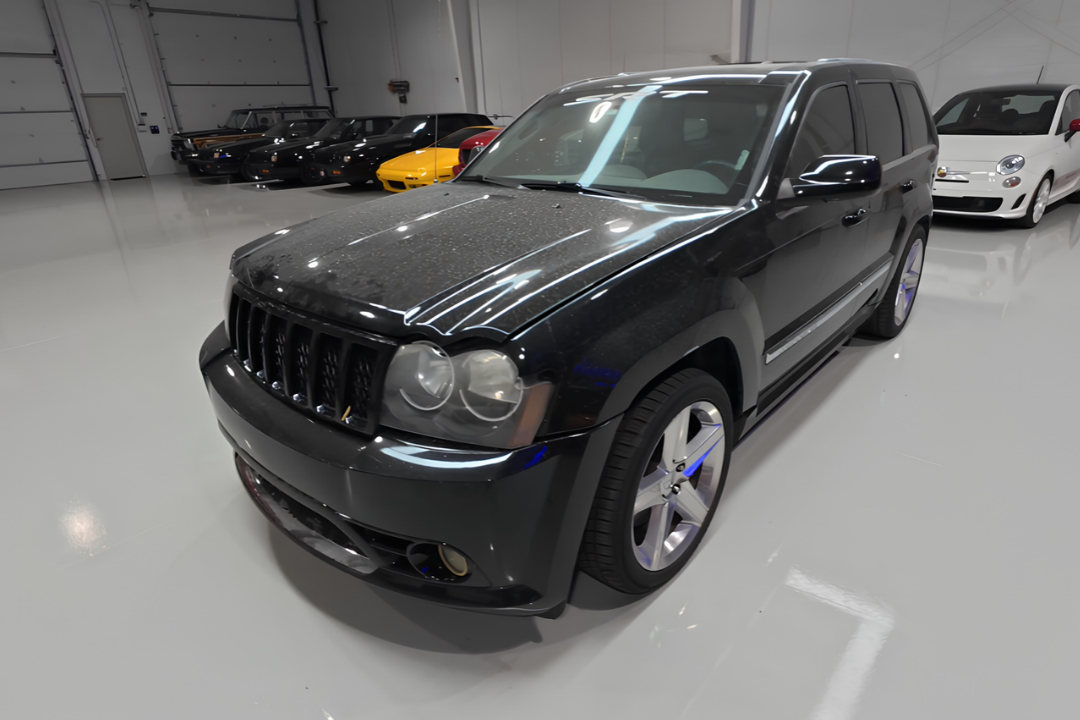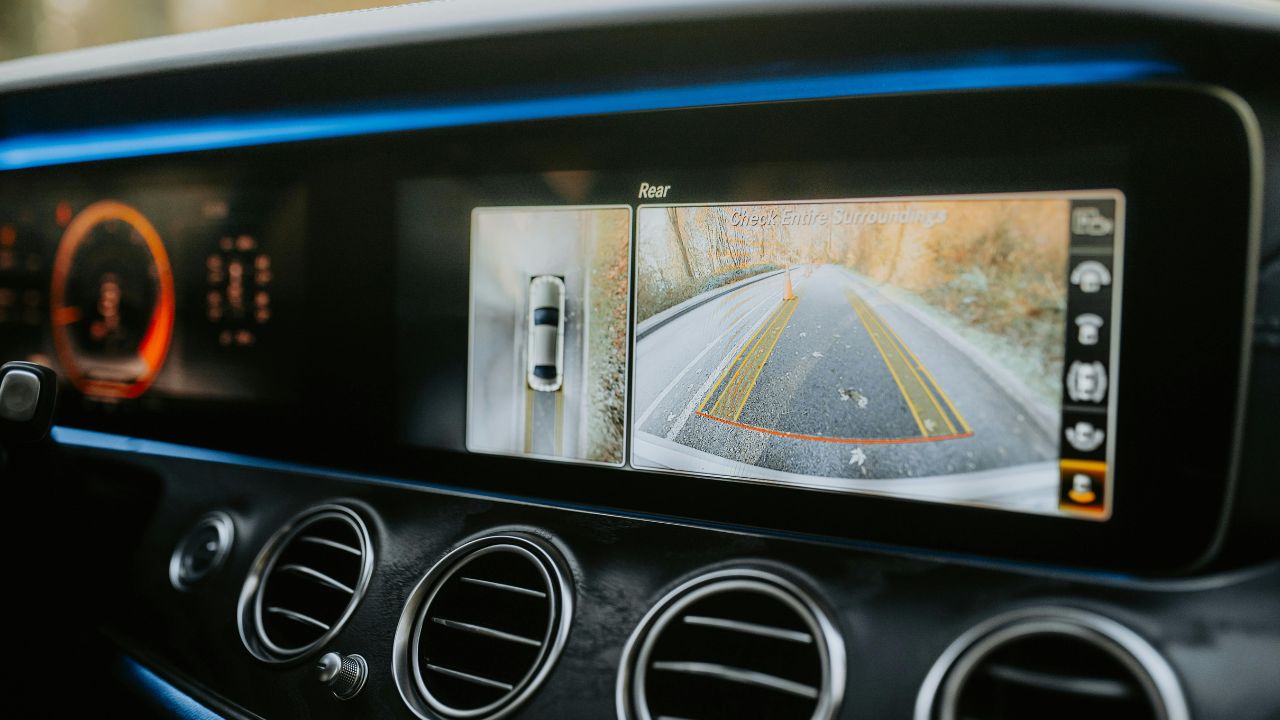
The landscape of car ownership has been dramatically transformed by the integration of software into modern vehicles. Once defined by horsepower and design, today’s cars are increasingly valued for their technological capabilities, connectivity, and software-driven features. This pivotal role of software in car ownership has shifted how we interact with our vehicles and perceive their value.
The Evolution of Car Software
From Mechanics to Microchips
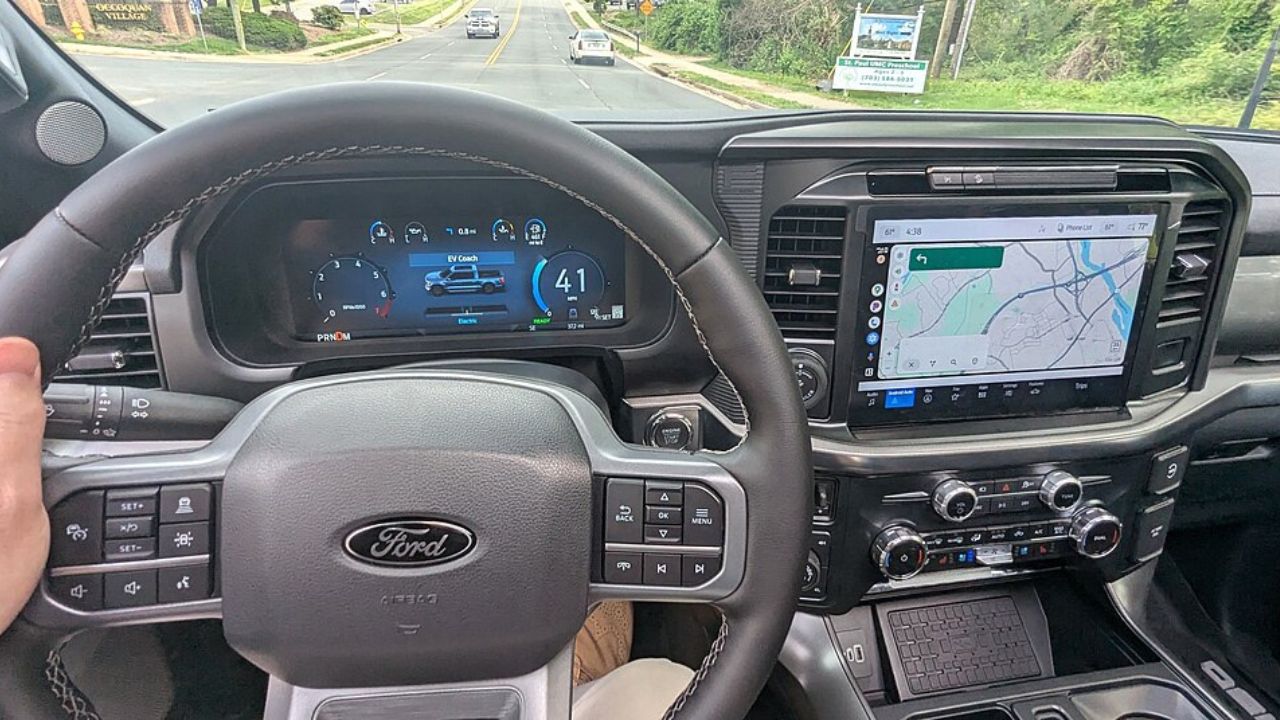
In the past, automobiles were celebrated for their mechanical prowess and engineering feats. Today, however, the transformation from purely mechanical systems to software-driven components has changed the face of car manufacturing and maintenance. Modern vehicles are equipped with complex computer systems that control everything from engine performance to climate control. For instance, the Ford F-150, a staple in the American automotive industry, now relies heavily on software for its EcoBoost engine management and SYNC 4 infotainment system.
The Rise of the Smart Car
The evolution of smart cars has been marked by the integration of advanced technologies such as Artificial Intelligence (AI) and the Internet of Things (IoT). Tesla’s Model S, for example, is a testament to this shift, featuring an array of sensors and cameras that feed data to an onboard AI, enhancing both performance and safety. This integration allows vehicles to adapt to driver behavior and environmental conditions in real time, offering a more intuitive and safe driving experience.
Software Updates and Over-the-Air (OTA) Upgrades
Software updates and OTA capabilities have dramatically changed how we interact with our cars. No longer do car owners need to visit a dealership for every software enhancement or bug fix. Manufacturers like BMW now provide OTA upgrades that can enhance vehicle performance, introduce new features, or even fix security vulnerabilities, all while the car sits in the owner’s garage. This convenience not only keeps vehicles up to date but also extends their lifespan and functionality.
Enhanced Driving Experience
Personalization and Customization
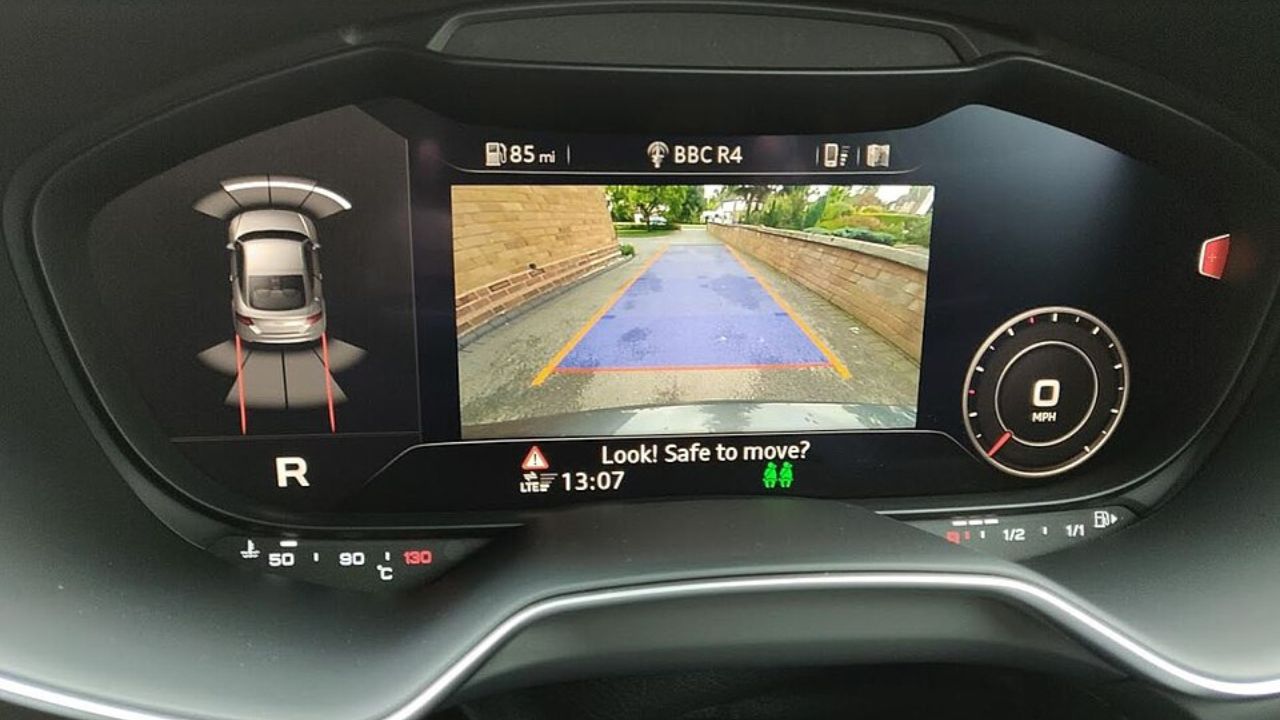
The advent of software in vehicles has ushered in a new era of personalization. Drivers can now customize nearly every aspect of their driving experience, from seat positions and climate settings to infotainment preferences and ambient lighting. Cars like the Audi A8 offer personalized driver profiles that store settings and preferences, greeting each driver with their unique setup every time they get behind the wheel.
Advanced Driver-Assistance Systems (ADAS)
Software plays a crucial role in advanced driver-assistance systems, significantly improving vehicle safety. Features such as adaptive cruise control, lane-keeping assist, and automatic emergency braking rely on sophisticated software algorithms. The 2023 Honda Accord, equipped with Honda Sensing, uses a combination of cameras and radar sensors to deliver these safety features, helping to prevent accidents and reduce driver fatigue.
Seamless Connectivity
Connectivity features have become a cornerstone of modern vehicles, bridging the gap between cars, smartphones, and smart home devices. Systems like Apple CarPlay and Android Auto allow seamless integration of mobile devices with the car’s infotainment system, providing access to navigation, music, and communication apps. Additionally, vehicles like the Hyundai Tucson offer Blue Link, a suite of connected services that enable remote start, climate control, and vehicle health monitoring via smartphone apps.
The Role of Data and Analytics

Data-Driven Insights
Modern vehicles are data powerhouses, collecting and analyzing information to provide insights into driving habits, fuel efficiency, and predictive maintenance. For example, General Motors’ OnStar system not only offers emergency assistance but also tracks vehicle diagnostics, alerting drivers to potential issues before they become serious problems. This proactive approach to maintenance can lead to improved vehicle longevity and reduced repair costs.
Privacy Concerns and Data Security
As vehicles become more connected, concerns around data privacy and security have come to the forefront. Automakers are implementing stringent measures to safeguard personal information, employing encryption and secure data storage techniques. However, incidents like the Jeep Cherokee hacking in 2015 highlight the ongoing challenges of securing connected vehicles, emphasizing the need for continuous improvements in cybersecurity.
The Impact on Insurance and Ownership Costs
Data analytics are reshaping the automotive insurance industry, offering more personalized insurance products based on individual driving behavior. Usage-based insurance, such as the programs offered by Progressive’s Snapshot, uses telematics devices to monitor driving habits. This data-driven approach can lead to reduced premiums for safe drivers, altering the traditional model of insurance pricing and potentially lowering the total cost of ownership.
Software as a Service (SaaS) in Automotive
Subscription Models and Pay-As-You-Go Services
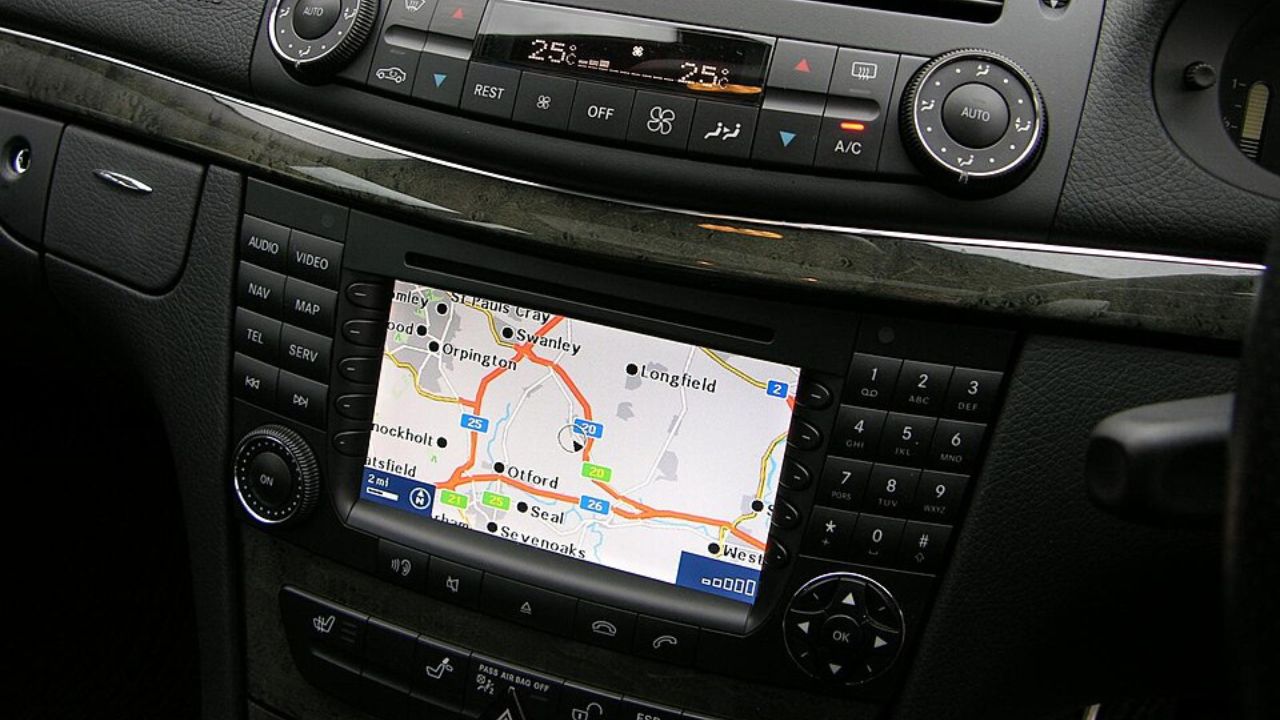
The automotive industry is increasingly embracing subscription-based models for accessing certain software features and services. Automakers like Mercedes-Benz offer subscription services for features such as advanced navigation and enhanced connectivity options. This shift allows consumers to pay only for the services they use, providing flexibility and potentially reducing upfront costs for high-tech features.
The Future of Car Ownership
The rise of Software as a Service (SaaS) models may redefine the concept of car ownership itself, paving the way for shared and fractional ownership models. Companies like Zipcar are already experimenting with car-sharing services, where users access vehicles on-demand rather than owning them outright. This trend could lead to more efficient use of resources and reduced environmental impact, appealing to environmentally conscious consumers.
Challenges and Opportunities
While SaaS models offer numerous benefits, they also pose challenges for automakers. Developing and maintaining software requires significant investment and expertise, and there is a risk of customer pushback against subscription costs. However, this shift also presents opportunities for innovation, as automakers collaborate with tech companies to deliver cutting-edge features and services, potentially setting new standards in the industry.
The Future of Automotive Software
Integration with Autonomous Technology
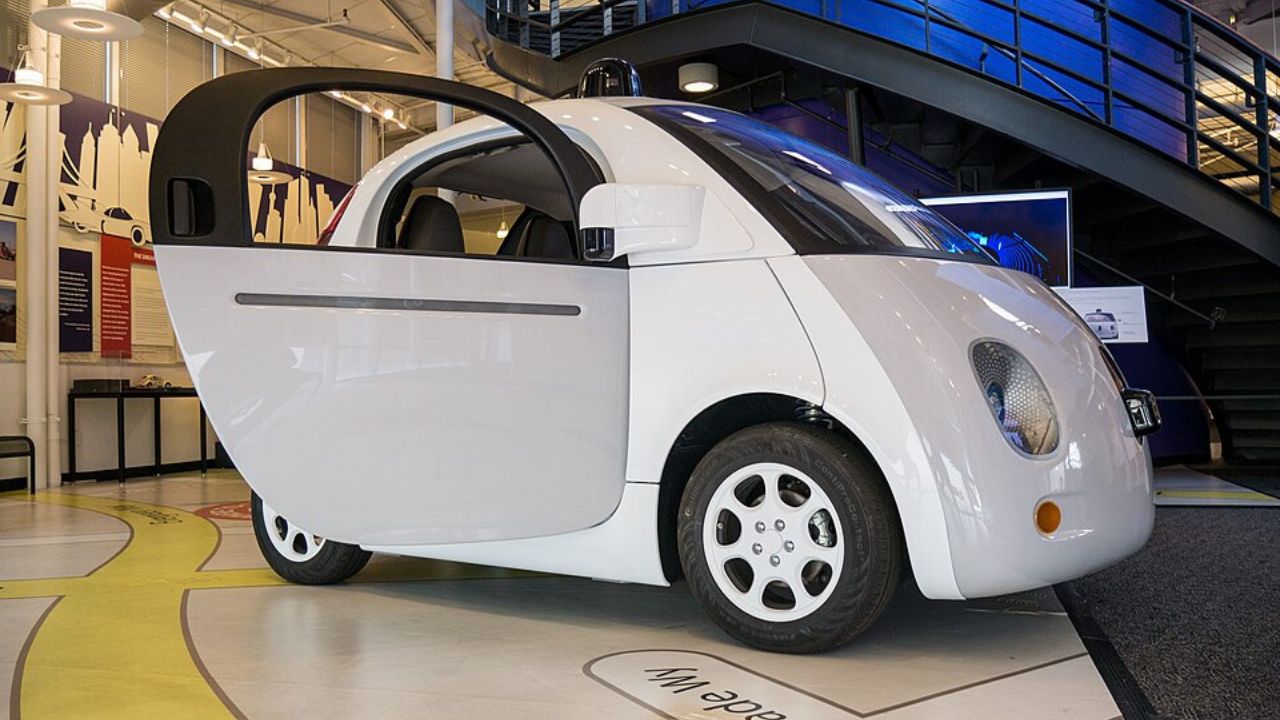
Software is at the heart of developing autonomous vehicles, with companies like Waymo and Tesla leading the charge. These vehicles rely on complex algorithms and vast amounts of data to navigate roads safely. While fully autonomous cars are not yet commonplace, advancements in software and AI are steadily bringing us closer to a future where self-driving cars become a reality.
Sustainability and Green Software
Software also plays a critical role in advancing sustainability within the automotive industry. Electric vehicles (EVs) like the Nissan Leaf use software to optimize battery management and improve energy efficiency. Additionally, software innovations in areas such as route optimization and vehicle-to-grid systems are helping to reduce the environmental impact of transportation, aligning with global efforts to combat climate change.
The Role of Tech Companies in the Automotive Industry
Tech giants such as Google and Apple are increasingly influencing the automotive landscape. Google’s Android Automotive OS is being adopted by manufacturers like Volvo, providing a native operating system for vehicle infotainment. Meanwhile, Apple’s rumored entry into car manufacturing could further blur the lines between technology and automotive industries, driving innovation and competition to new heights.