Car collecting is a passion that combines the love of automobiles with the thrill of owning rare and valuable pieces of automotive history. However, this passion comes with its own set of insurance challenges that every car collector needs to navigate. Understanding these insurance concerns can safeguard your investment and ensure the longevity of your collection.
Understanding Collector Car Insurance

Collector car insurance is markedly different from standard auto insurance, primarily because it caters to the unique needs of classic and collectible vehicles. Unlike regular cars, collectible cars are often not driven daily and have unique value considerations that standard policies do not adequately cover. Standard auto insurance typically assesses a vehicle’s value based on depreciation, which can be detrimental for collectors since many classic cars appreciate over time. This makes a tailored insurance policy essential for protecting the true value of your prized possessions.
One key aspect of collector car insurance is the agreed value policy. This type of policy allows the car owner and the insurer to agree on the vehicle’s value upfront, ensuring that the collector will receive this amount in the event of a total loss. This approach mitigates the risks associated with actual cash value policies, which factor in depreciation, potentially leaving the collector undercompensated. Similarly, stated value policies may also fall short, as they allow the insurer to pay either the stated value or the actual cash value, whichever is less. Therefore, choosing an agreed value policy is crucial for collectors who want to safeguard their investments fully.
Assessing Risk Factors

When it comes to collector car insurance, understanding how usage and mileage impact premiums is essential. Many insurance companies offer lower rates for cars that are driven infrequently. Limited usage can mean lower risk, translating to reduced premiums. However, it’s important to be aware of the implications of attending car shows and events. While such activities can increase a vehicle’s exposure to risk, many policies can be adjusted to cover these scenarios, often through temporary coverage extensions.
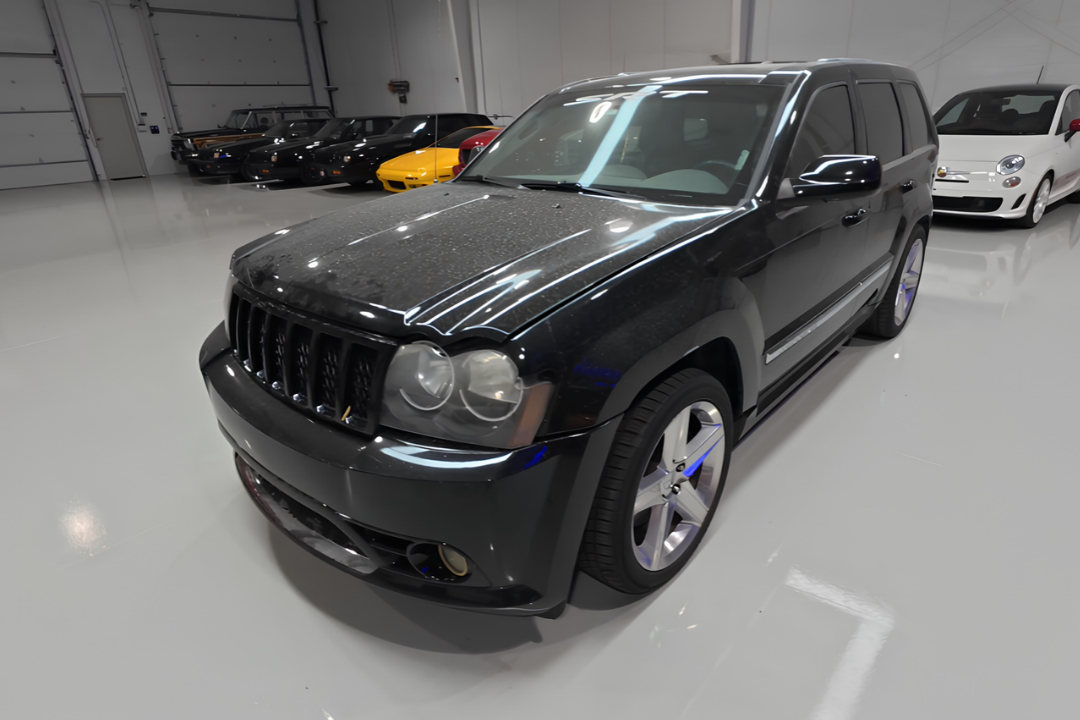
Storage conditions also play a significant role in determining insurance premiums and policy features. Proper storage, such as keeping vehicles in a climate-controlled facility, can reduce the risk of damage from environmental factors, thereby lowering insurance costs. Security measures, such as alarm systems and surveillance cameras, further mitigate risk and can lead to additional premium reductions. Insurers often prefer that collectible cars are stored in locked garages, as this minimizes the likelihood of theft or vandalism.
Choosing the Right Insurance Provider

Finding the right insurance provider is crucial for any car collector. Specialized insurers understand the nuances of collectible cars and offer policies that cater specifically to these needs. Some criteria to consider when selecting an insurer include their experience with collectible vehicles, customer service reputation, and the flexibility of their policy options. Companies like Hagerty and Grundy Insurance are well-known in the industry for their expertise and comprehensive coverage options for collectors.
When comparing policy features and benefits, it’s important to scrutinize the details. Coverage limits, exclusions, and additional benefits should all be carefully considered. Many specialized insurers offer perks such as roadside assistance, which can be invaluable if a breakdown occurs during a classic car event. Some policies also include transport coverage, ensuring that your vehicle is protected while being moved from one location to another. Understanding these details can help you make an informed decision and provide peace of mind that your collection is well-protected.
Legal and Financial Considerations

Complying with state-specific insurance regulations is a necessity for car collectors. Each state has its own set of requirements, and failing to meet these can have legal ramifications. It’s essential to be aware of these regulations to avoid potential fines or penalties. Moreover, inadequate coverage can leave collectors vulnerable to financial losses in the event of an accident or other incidents. Ensuring that your policy meets state requirements while providing sufficient protection is a critical step in safeguarding your collection.
The financial implications of underinsurance can be severe. In the event of loss or damage, collectors may find themselves responsible for significant out-of-pocket expenses if their coverage is insufficient. To avoid this scenario, it’s vital to regularly review and update your insurance policy to reflect the current value of your collection. This process includes considering market trends and potential appreciation of your vehicles. Taking the time to ensure adequate coverage can prevent financial strain and protect your investment in the long run.
Protecting Your Investment

Regularly updating appraisals and valuations is a fundamental practice for any car collector. The classic car market is dynamic, with prices fluctuating based on demand, rarity, and other factors. By keeping appraisals current, collectors can ensure that their insurance coverage aligns with the true value of their vehicles. This not only aids in securing appropriate compensation in the event of a claim but also provides a clear record of value for potential buyers or estate planning.
Thorough documentation and inventorying of your collection are equally important. A well-organized record can simplify the claims process, ensuring that you receive what your policy guarantees. Collectors should maintain detailed records, including photographs, maintenance logs, and receipts for any restoration work.