NASCAR is one of the few workplaces where your job performance is judged in miles per hour and your office wall is a concrete barrier. Yet for all the noise about horsepower and pit strategy, the quiet truth is that sponsorship money does as much to shape a driver’s career as raw speed. The logos on the hood decide who gets a shot, who keeps a seat, and who ends up watching from the couch in a fire suit that never got scuffed.
When I look at the sport’s ecosystem, I see sponsorships acting like the invisible steering input on a driver’s life, nudging careers toward Victory Lane or toward the exit ramp. From how drivers get paid to how they behave on social media, the business deals wrapped around those stock cars dictate the path as surely as any crew chief’s call.
The financial fuel that decides who even gets to race
I like to think of a NASCAR career as a very fast, very loud startup, and the first rule of that startup is simple: without investors, the company never leaves the garage. Running a competitive team costs so much that sponsorship is not a nice-to-have, it is the oxygen in the hauler. Reporting on motorsport finance describes sponsors as the financial fuel of racing, paying for cars, travel, event organization, and the international exposure that keeps the whole circus moving. In NASCAR, that same logic applies with a Southern accent and a lot more sheet metal, because ticket sales and TV money alone do not cover the bills for teams that need fleets of chassis, engines, and crew members who can change four tires in less time than it takes me to find my car keys.
For drivers, that money is not abstract accounting, it is their paycheck and their job security. Detailed breakdowns of NASCAR economics explain that a driver’s salary is generally paid by the sponsor, which in return gets a set number of appearances and the right to plaster that driver’s likeness on everything from commercials to cereal boxes, with His image effectively becoming part of the product. Fans sometimes imagine that race winnings are the main income stream, but people inside the sport point out that prize money is only one piece of a much more complex pie, and that They might even put the driver’s name on the check while the team quietly takes the bulk of it. Without a sponsor underwriting the whole operation, the driver’s cut shrinks fast, and so does the chance of ever getting to the front of the field.
Why teams juggle a small army of logos
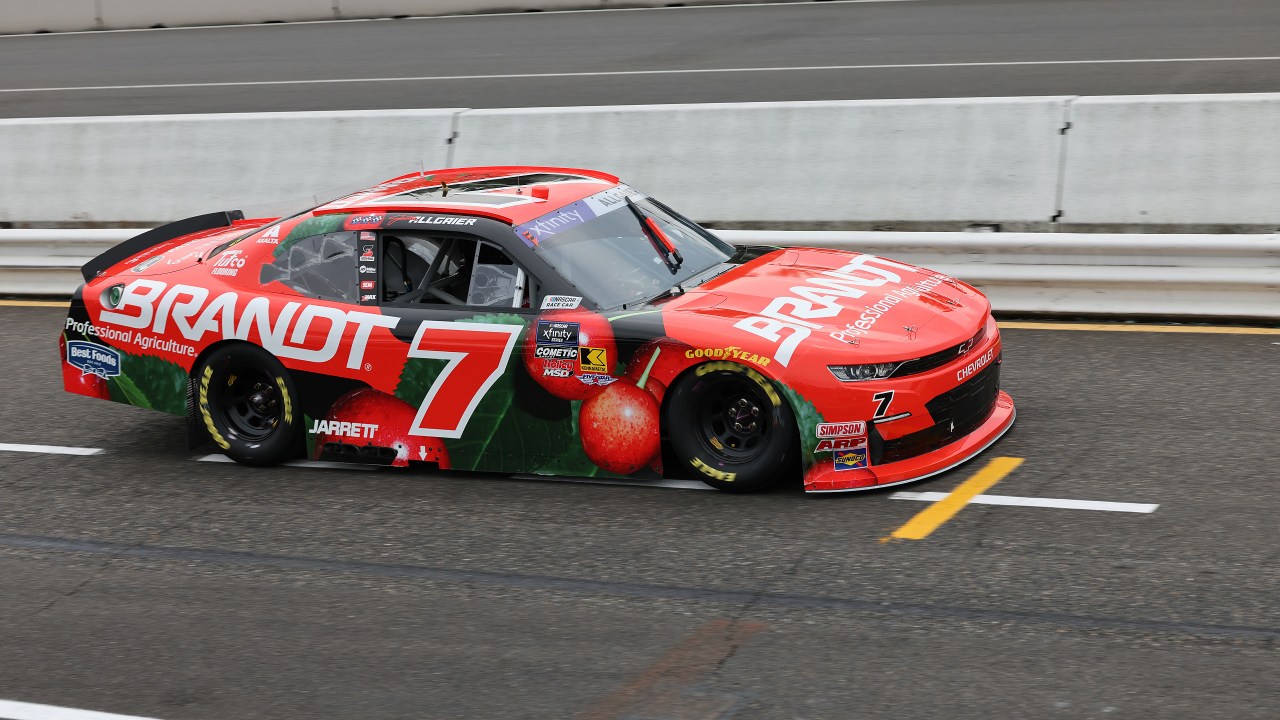
If one sponsor is life support, multiple sponsors are a full-on health insurance plan for a racing career. Modern teams rarely rely on a single backer, because the cost of running a season is closer to running a small airline than a weekend hobby. Coverage of team finances notes that a racing organization can burn through so much cash that it needs several partners to spread the risk and give Many businesses and organizations valuable visibility. That is why you see different brands on the hood from one race to the next, and why a driver’s firesuit sometimes looks like a NASCAR-themed crossword puzzle.
From the driver’s perspective, that patchwork of deals can be the difference between a full-time ride and a part-time audition. Analyses of the sport’s business model explain that Why Does NASCAR Have So Many Sponsors is not a philosophical question, it is a survival strategy, because individual teams would not be able to compete at the top level without that outside funding. When a driver brings a sponsor that can cover a chunk of the schedule, it makes them far more attractive to team owners who are trying to fill out a budget. Lose one of those logos, and suddenly that same driver might find their calendar shrinking, their seat shared, or their name quietly missing from next year’s roster.
From wheelman to walking billboard: the job description has changed
Once a driver signs that big sponsorship deal, the job stops being “just drive the car fast” and turns into “drive the car fast and also be a full-time brand ambassador with a helmet.” Career guides for aspiring racers spell this out bluntly, noting that Their role extends beyond simply racing and includes preparation, physical conditioning, media duties, and sponsor commitments. That means a driver’s calendar is packed with photo shoots, meet-and-greets, and corporate events where the most dangerous thing in the room is the shrimp cocktail, not a concrete wall.
The tradeoff is straightforward: the sponsor pays the salary, and in return the driver shows up, smiles, and sells. Industry explainers describe how a sponsor effectively buys a set number of scheduled appearances and the right to license the driver’s likeness, with His face and name becoming part of the marketing toolkit. That is why you see drivers cutting ribbons at grocery stores, filming commercials in full fire suits, and standing next to their cars in Victory Lane while the sponsor’s logo gets more camera time than the trophy. The racing is still the core of the job, but the off-track hustle is what keeps the checks clearing.
How personality and social media turn followers into funding
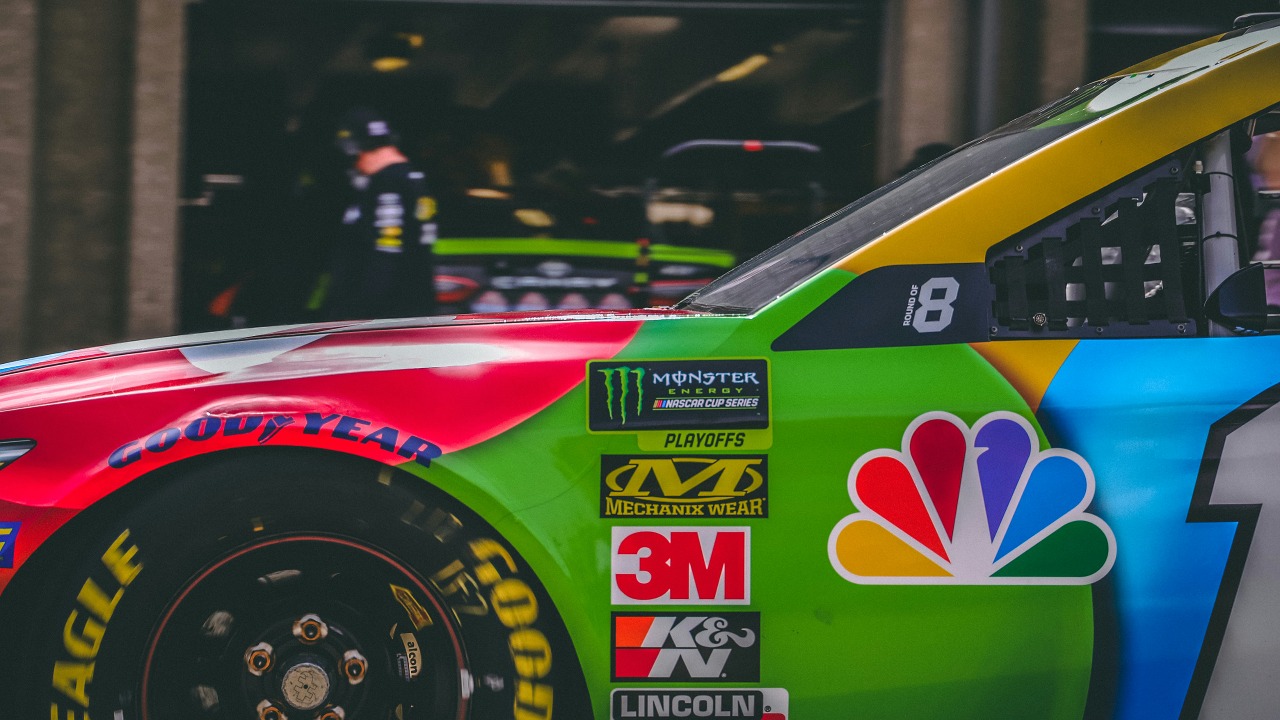
In the old days, a driver’s brand was whatever the TV cameras caught between the green flag and the checkered. Now, the real audition often happens on a smartphone screen. I have watched drivers treat Instagram and TikTok like a second pit lane, tuning their image for the algorithms as carefully as their crew tunes the car. One standout example is Toni Breidinger, who has talked in depth about How This NASCAR Driver Used Social Media To Secure Top Sponsorships and how that digital presence helped attract partners like Madison Reed. When a driver can show a sponsor that they bring not just lap times but a built-in audience, the negotiation suddenly tilts in their favor.
People working directly in NASCAR partnership marketing say the same thing from the other side of the table. One insider explained that Yeah, it really depends on the brand, and that Some absolutely love a driver with personality and a little bit of attitude, as long as it is smart and authentic. That means a driver’s social feed is not just a highlight reel, it is a pitch deck. The right mix of behind-the-scenes content, humor, and genuine interaction can turn followers into leverage, which then turns into funding, which finally turns into a better car on race day. In a sport where tenths of a second matter, that is a lot of speed hiding inside a selfie.
What sponsors actually want in return for all that cash
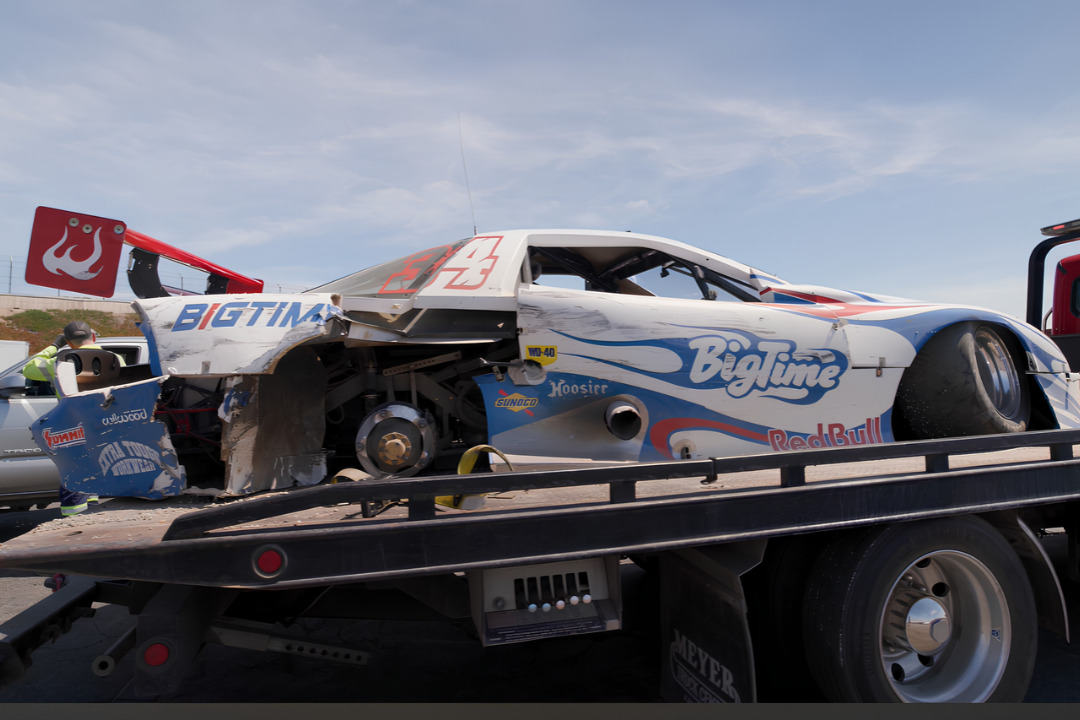
For all the romance of racing, sponsors are not in this for the smell of race fuel. They want measurable exposure, and NASCAR delivers it in very specific ways. Marketing materials aimed at potential partners highlight how a win delivers valuable exposure and prestige as the team soaks up the accolades in Victory Lane, with the winning car and its logos framed in every celebratory shot. Beyond the track, show car programs send replica race cars to dealerships, trade shows, and local events, turning the sponsor’s paint scheme into a rolling billboard that fans can touch, photograph, and post online.
That visibility is especially attractive to smaller companies that want to punch above their weight. Guides for small businesses point out that Leaning into creative NASCAR partnerships lets brands tap into a passionate, faithful fanbase while enjoying flexibility with their marketing dollars. At the same time, people who coach racers on how to land deals remind them that You have to convince a potential sponsor that you are the person who will work for them, because Sponsorship is much more than a logo on a quarter panel. Drivers who understand that dynamic, and who can explain exactly how they will help a company reach customers, tend to find more stable backing and, not coincidentally, more stable careers.
Why sponsorship pressure shapes every career decision
Strip away the glossy hero shots and the sport starts to look like a high-speed case study in revenue dependency. People inside NASCAR are blunt that sponsorship is vital in all three national series, because the revenue streams are very different from stick-and-ball sports where league-wide deals and ticket sales carry more of the load. One veteran observer summed it up by noting that All the money fans spend on tickets and concessions does not flow straight to the teams, which leaves corporate partners to fill the gap. That financial reality hangs over every contract negotiation, every rookie promotion, and every tough call about whether to keep a veteran or take a chance on a younger driver who arrives with a sponsor already in tow.
From the outside, it can be tempting to grumble that the sport is too logo-driven, that the cars look like rolling coupon books. I get the instinct. But when I look at how deeply those deals are woven into the fabric of a driver’s life, from the first development ride to the last farewell tour, it is clear that sponsorship is not just decoration, it is destiny. The brands on the hood decide who gets to chase the dream, how long they can stay in the game, and how loudly the crowd cheers when they finally roll into Victory Lane. In a world where speed is everything, money still has the final say on who gets to press the throttle.
More from Fast Lane Only: