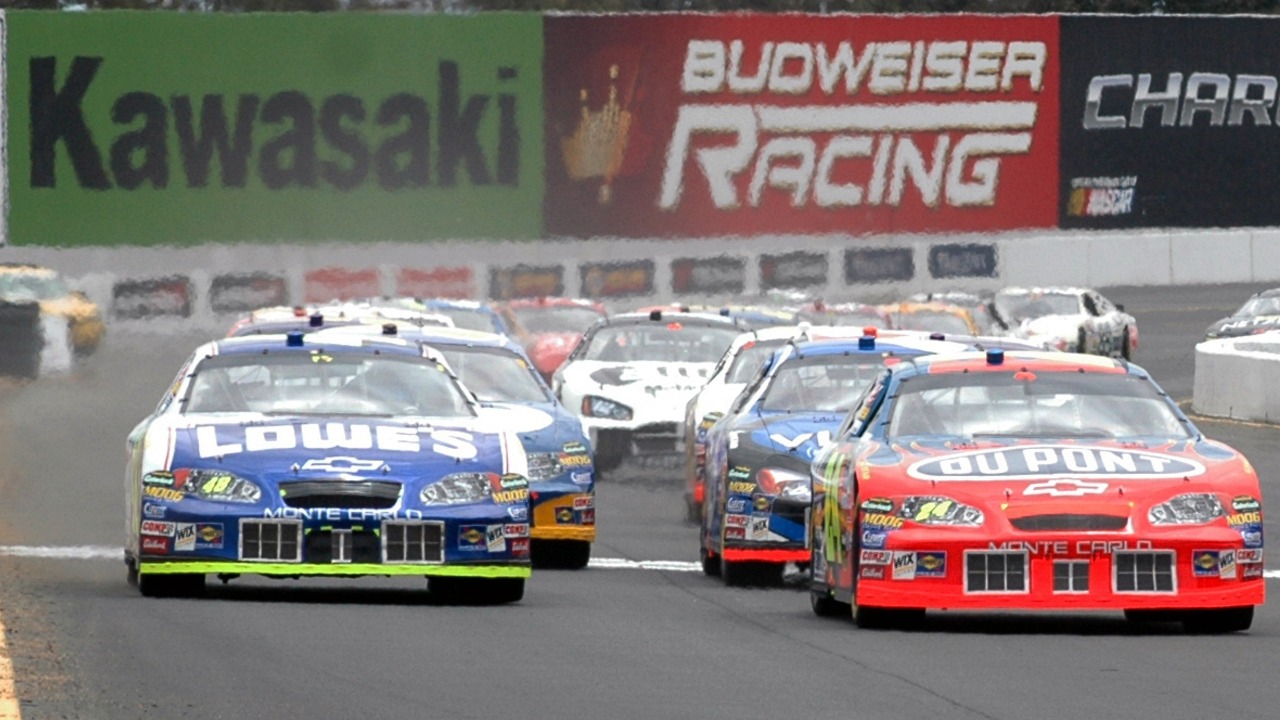
On a typical NASCAR Sunday, the danger is familiar: 40 stock cars, one giant left turn, and a lot of bruised sheet metal. Then the schedule drops a road course into the mix and suddenly the sport invites in a different kind of threat, the road course ringer who treats esses and hairpins like a personal playground while everyone else is still hunting for the brake pedal. The risk is not just that these specialists are fast, it is that they are fast in places where the margin for error is thin enough to shave with.
When a ringer drops into the field, the whole risk calculus changes, for them and for the regulars. They arrive with a skill set built on late braking, aggressive passing zones, and a comfort level with chaos that can turn a 3,400‑pound stock car into a very expensive lawn dart if anything goes wrong. That combination of precision and peril is exactly what makes them so dangerous, and so irresistible.
From hired guns to full‑time threats
I like to think of the classic road course ringer as NASCAR’s version of a substitute teacher who actually knows calculus and immediately assigns a pop quiz. For years, teams treated road races as annoying detours from the oval grind, so they brought in specialists to survive the day and maybe steal a trophy while the regular driver sat on the pit box looking slightly offended. Drivers and crew chiefs openly saw all the extra shifting, braking, and mechanical strain as a nuisance, and team owners were not shy about calling in hired help when the schedule hit places like Watkins Glen or Sonoma, according to detailed reporting on how these hired guns left their mark.
Over time, that part‑time mercenary model started to fade, not because the ringers got slower, but because the full‑timers finally realized they could not keep outsourcing their homework. Analysts have noted that the trend of bringing in one‑off specialists has cooled as modern NASCAR drivers have become more well rounded and as the series added more road courses to the calendar, which forced everyone to learn how to turn right with at least a little dignity. One breakdown of current performance even argued that the best road‑course mind in the sport might not be behind the wheel at all, but on the timing stand, a reminder that strategy and data now matter as much as raw car control when the track starts to snake and twist While the series evolves.
Why specialists push the danger needle

What makes a ringer truly hazardous is not just that they are quick, it is that they are quick in places where everyone else is still trying to remember which corner comes after the blind crest. A road course specialist lives on the edge of grip, using late braking zones and off‑line passing opportunities that a typical oval ace would never dare to touch. When you drop that mindset into a field where half the grid is still figuring out their downshifts, the closing speeds and surprise divebombs can turn a simple braking zone into a demolition derby with nicer landscaping. One analysis of the ringer era described how teams once viewed the extra shifting and braking as an annoyance, but those same traits are exactly what let specialists exploit every inch of track and every weak point in a rival’s comfort zone Drivers and crew chiefs once dreaded.
That aggression collides with the brutal physics of a stock car on a road course. Unlike a purpose‑built GT machine, a NASCAR Cup car is a heavy, relatively blunt instrument that does not particularly enjoy being hurled over curbs and into tight chicanes. When something goes wrong, it goes wrong with emphasis. One veteran driver, describing a vicious impact into a road‑course wall, put it in chillingly simple terms, saying the Odds are that if 100 people take that hit, one or two are not going to be standing here anymore. When specialists push the envelope, they are doing it in a car that punishes mistakes with that kind of violence, and they are doing it in traffic, surrounded by drivers whose instincts were honed on wide ovals, not narrow braking zones.
The unique brutality of road‑course crashes
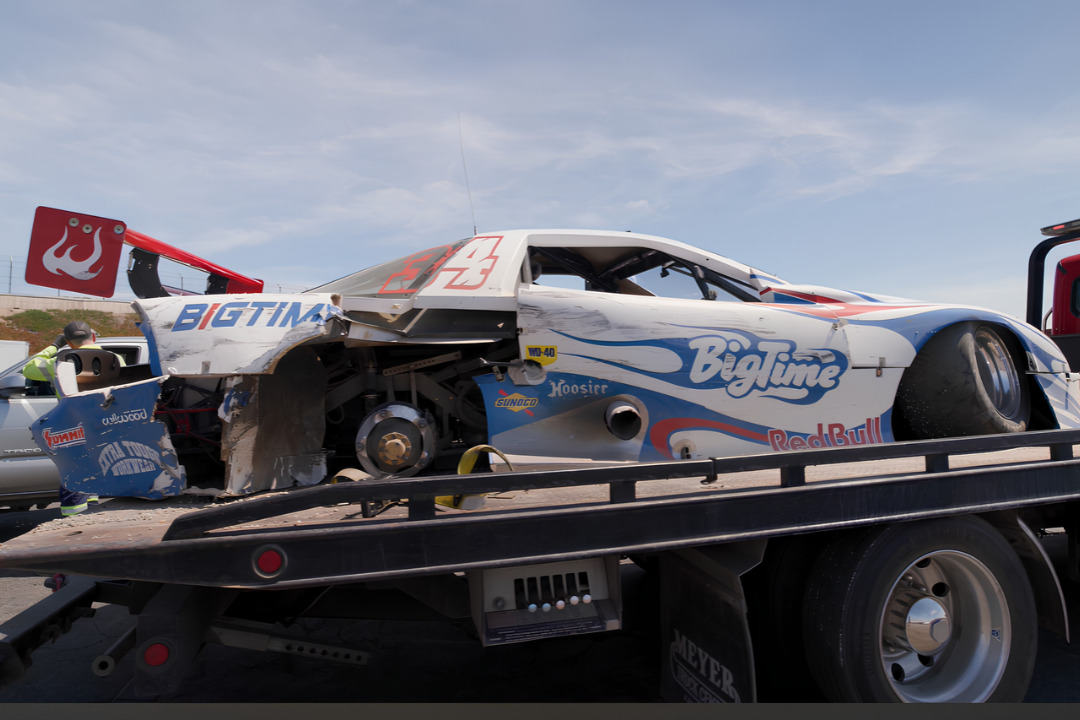
On an oval, most wrecks end with a long slide and a glancing blow, the racing equivalent of tripping on a moving sidewalk. On a road course, the walls and barriers tend to be closer, the angles sharper, and the escape routes shorter, which means the same speed can produce a much nastier stop. Drivers who have lived through the worst of it talk about how a car can go from full throttle to dead stop in a heartbeat if it hits the wrong part of a tire barrier or concrete wall, and that is before you factor in the elevation changes and blind corners that make some impacts feel like being dropped down a stairwell in a refrigerator. The same driver who warned that if 100 people took a certain road‑course hit, one or two might not survive, was not being dramatic, just honest about how unforgiving these layouts can be when a car arrives at the wrong angle with no time to scrub speed off the wall While the rest of the field tries to miss the wreck.
That is where the ringer factor gets especially dicey. Specialists are comfortable attacking corners that regulars tiptoe through, which means they are often arriving at those danger zones with more speed and more commitment. When it works, they look like geniuses. When it does not, they can become the fast‑moving obstacle that everyone else has to dodge. The very skills that make them valuable, late braking, trail braking, using the curbs aggressively, also increase the odds that a small miscalculation will send a car into the barriers at an angle and velocity that the safety team would really prefer not to see again. The danger is not theoretical; it is baked into the geometry of the track and the way these drivers are wired to attack it.
Safety gear that lets ringers flirt with the edge
If road course ringers are the daredevils, modern safety gear is the very patient friend who keeps quietly hiding the car keys. NASCAR’s safety revolution has been built on layers of protection that let drivers walk away from hits that would have been career ending, or worse, in earlier eras. Their seat belts are not the simple three‑point straps you find in a road car, but intricate harness systems designed to spread forces across the body and keep the driver anchored in place when the car decides to test the laws of physics. About 19 years ago, NASCAR began requiring the use of Hubbard’s Head and Neck Support device, a one‑piece system that connects the helmet to the torso and dramatically reduces the risk of catastrophic neck injuries in high‑G impacts, a change that safety experts describe as a major leap in racing survivability Their seat belts and the Hubbard Head and Neck Support system have reshaped what kind of crash a driver can realistically survive.
That safety net is part of what gives ringers the confidence to lean so hard on the car and the track. When you know that the cockpit is wrapped in energy‑absorbing foam, that the harness will keep you planted, and that the Head and Neck Support device is there to keep your brain and spine on speaking terms, you are more willing to brake a little later, turn in a little harder, and risk that side‑by‑side move into a corner that looks suspiciously like a cul‑de‑sac. NASCAR’s broader safety push has turned the car into a survivable capsule, but it has also raised the performance ceiling, because drivers can now operate closer to the limit with slightly less fear that a mistake will be their last. That is great for lap times and highlight reels, and slightly terrifying when you remember how violent a road‑course crash can still be despite all that progress NASCAR officials and safety engineers continue to refine the package precisely because the speeds and aggression keep climbing.
Why the ringer era still matters in modern NASCAR
Even as full‑time drivers have caught up on road‑course skill, the legacy of the ringer era still shapes how teams think about these races. The very idea of a “road course ringer” grew out of the recognition that some drivers were so specialized that they could parachute into a one‑off event and immediately outperform veterans who spent the rest of the year on ovals. One recent explainer boiled the concept down neatly, describing a road course ringer as a driver who almost solely competes on road courses in NASCAR, a role that dates back to events in places like New Jersey in the 1950s and has evolved alongside the series itself In essence, the sport created its own class of part‑time assassins.
Today, even when teams stick with their regular drivers, they borrow heavily from the ringer playbook. They hire road‑racing coaches, lean on engineers who cut their teeth in sports cars, and obsess over braking traces and corner‑entry speeds the way they once obsessed over drafting partners at Talladega. Analysts who have studied modern performance trends argue that the pure ringer may be less common, but the mindset has seeped into the entire garage, with some of the sharpest road‑course brains now working as crew chiefs or consultants rather than drivers NASCAR teams increasingly treat these events as technical puzzles instead of necessary evils. The danger has not gone away; it has simply become more organized, more data driven, and, thanks to the lingering influence of the ringers, more spectacular to watch.
More from Fast Lane Only: