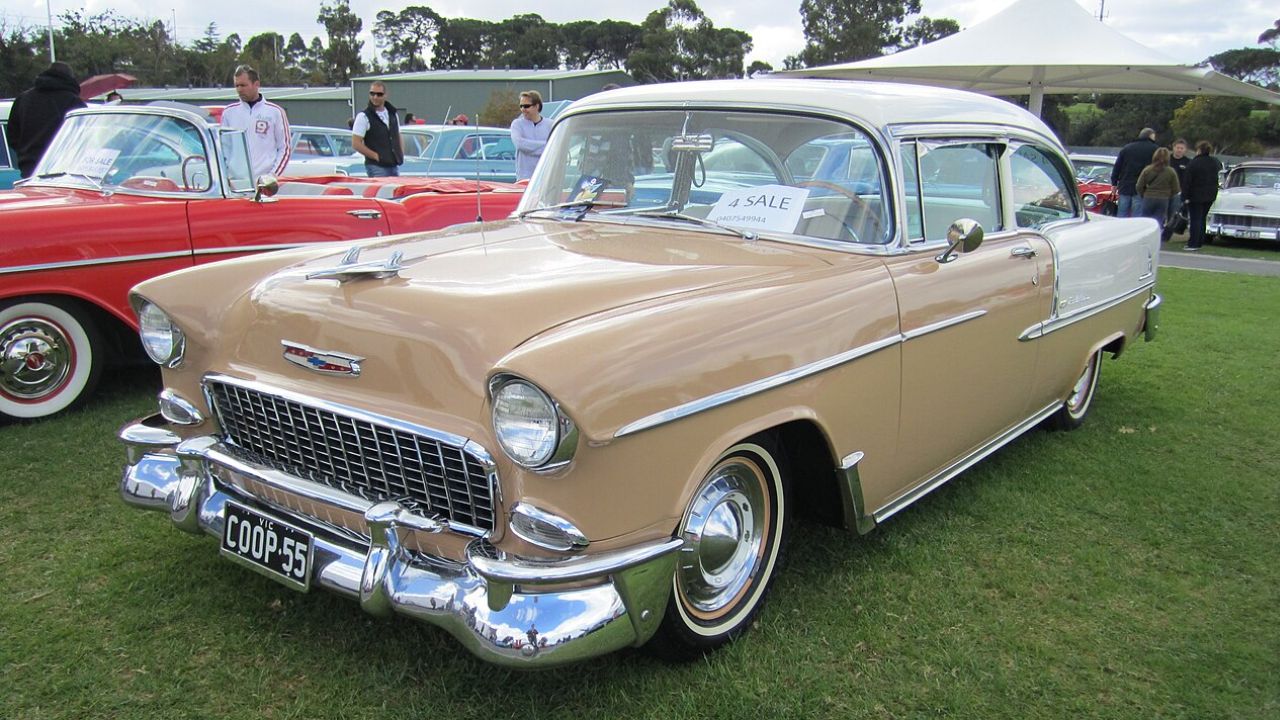
The 1955 Chevrolet Bel Air is often celebrated as one of the most iconic cars in American automotive history. With its striking design, powerful performance, and cultural significance, it quickly became a symbol of freedom and prosperity in post-war America.
The Design Revolution of the 1955 Bel Air
The 1955 Chevrolet Bel Air was a groundbreaking vehicle that played a pivotal role in shaping automotive aesthetics during the mid-20th century. It was part of the “Tri-Five” series, which included the 1955, 1956, and 1957 models, each contributing to a design revolution that captured the imagination of car enthusiasts and ordinary consumers alike. The Bel Air’s sleek lines, bold chrome accents, and distinctive tail fins were unlike anything seen before, setting a new standard for what a car could look like.
Key design features of the 1955 Bel Air included a prominent grill, sweeping side profiles, and vibrant color options that appealed to a wide range of buyers. The use of two-tone paint schemes was particularly popular, allowing owners to express their personalities through their vehicles. Compared to earlier Chevrolet models, the Bel Air represented a significant shift toward a more modern, dynamic aesthetic that emphasized style as much as functionality. This transformation not only influenced consumer expectations but also set the stage for future automotive designs across the industry.
Performance Upgrades That Captivated Drivers
One of the most significant advancements introduced with the 1955 Chevrolet Bel Air was the option of a V8 engine, specifically the 265 cubic inch small-block V8. This was a game changer for performance enthusiasts, providing a level of power and acceleration that was previously unmatched in its class. The introduction of this engine allowed the Bel Air to deliver a thrilling driving experience, making it a favorite among car lovers looking for speed and performance.
In addition to the new engine, the 1955 Bel Air featured enhancements in suspension and handling that greatly improved ride comfort and road stability. Compared to earlier models, these upgrades allowed drivers to enjoy a smoother ride and better control, contributing to the car’s positive reception in the marketplace. The combination of style and performance not only captivated drivers but also influenced market trends, as other manufacturers began to prioritize both aesthetics and engineering in their designs.
Cultural Context: America in the 1950s
The 1950s marked a transformative era in American history, characterized by a post-war economic boom that significantly increased car ownership across the nation. As families prospered and the suburban lifestyle became more prevalent, the automobile evolved into a symbol of freedom and independence. The Chevrolet Bel Air, with its striking design and powerful performance, perfectly encapsulated this spirit, becoming a staple on American roads.
During this decade, the rise of youth culture further cemented the Bel Air’s place in American society. Cars became synonymous with rebellion and personal expression, and the Bel Air was often seen as a rite of passage for young drivers. Its appearances in movies such as “American Graffiti” and “Grease” only intensified its association with youthful freedom, making it a cultural icon. The Bel Air was not just a car; it represented a lifestyle and a sense of adventure that resonated with many Americans during this vibrant time.
Marketing Strategies That Made an Impact
Chevrolet’s marketing strategies played a crucial role in elevating the 1955 Bel Air to its iconic status. The company launched a series of innovative advertising campaigns that showcased the car’s features and performance, appealing to a wide audience. Creative approaches, such as television commercials that highlighted the car’s stylish design and powerful engine, helped capture the attention of potential buyers.
Celebrity endorsements also contributed to the Bel Air’s allure. Notable figures of the time were often seen driving the car, associating it with a glamorous lifestyle. Events such as car shows and auto expos were strategically used to generate excitement and interest in the Bel Air. These marketing efforts not only promoted the vehicle but also created a sense of community among enthusiasts, helping to solidify its status as a quintessential American automobile.
The Role of the Bel Air in American Suburbia
As the 1950s progressed, the Chevrolet Bel Air became a ubiquitous presence in American suburbia. Families embraced the car as a practical and stylish means of transportation, and it quickly became a staple in many households. The Bel Air was often seen parked in driveways of newly developed neighborhoods, serving as a status symbol that represented success and prosperity.
The connection between car ownership and the American Dream was particularly strong during this period. For many, owning a Bel Air was synonymous with achieving a certain level of comfort and stability. It was more than just a vehicle; it was a reflection of one’s social status and a tangible representation of the aspirations of the time. The Bel Air’s presence in suburbia not only shaped the landscape but also influenced the way Americans viewed themselves and their place in society.
The Legacy of the 1955 Chevrolet Bel Air Today
The legacy of the 1955 Chevrolet Bel Air endures, as demonstrated by its continued popularity in car shows and collector circles. Enthusiasts and collectors alike are drawn to the car’s timeless design and performance, with many seeking to restore and maintain its original charm. The Bel Air’s presence at events such as the Woodward Dream Cruise or local classic car gatherings serves as a testament to its lasting appeal.
Online communities and forums have also played a vital role in preserving the history of the Bel Air. Enthusiasts share restoration tips, stories, and photographs, keeping the legacy alive for future generations. As interest in classic cars continues to grow, the 1955 Bel Air remains a focal point of admiration, symbolizing a rich automotive history and the cultural significance of the 1950s in America. Its status as a dream car persists, captivating new generations of car lovers and collectors alike.
More from Fast Lane Only