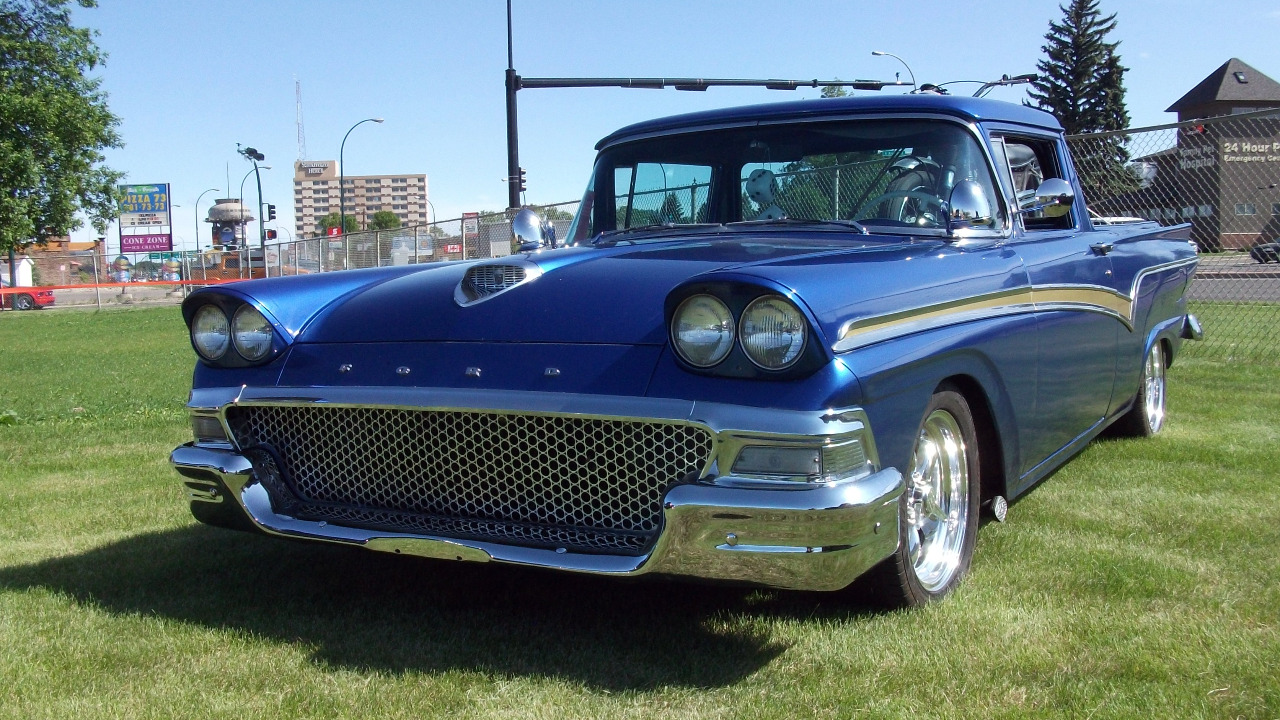
In 1958, Ford introduced the Ranchero, a groundbreaking vehicle that defied traditional automotive categories by merging the utility of a truck with the styling of a sedan. This innovative design captured the imagination of consumers seeking a versatile vehicle that could handle work demands while maintaining a stylish appearance. The Ford Ranchero quickly became an icon of practicality and elegance, setting a precedent for future automotive designs.
The Genesis of the Ford Ranchero
Historical Context and Inspiration
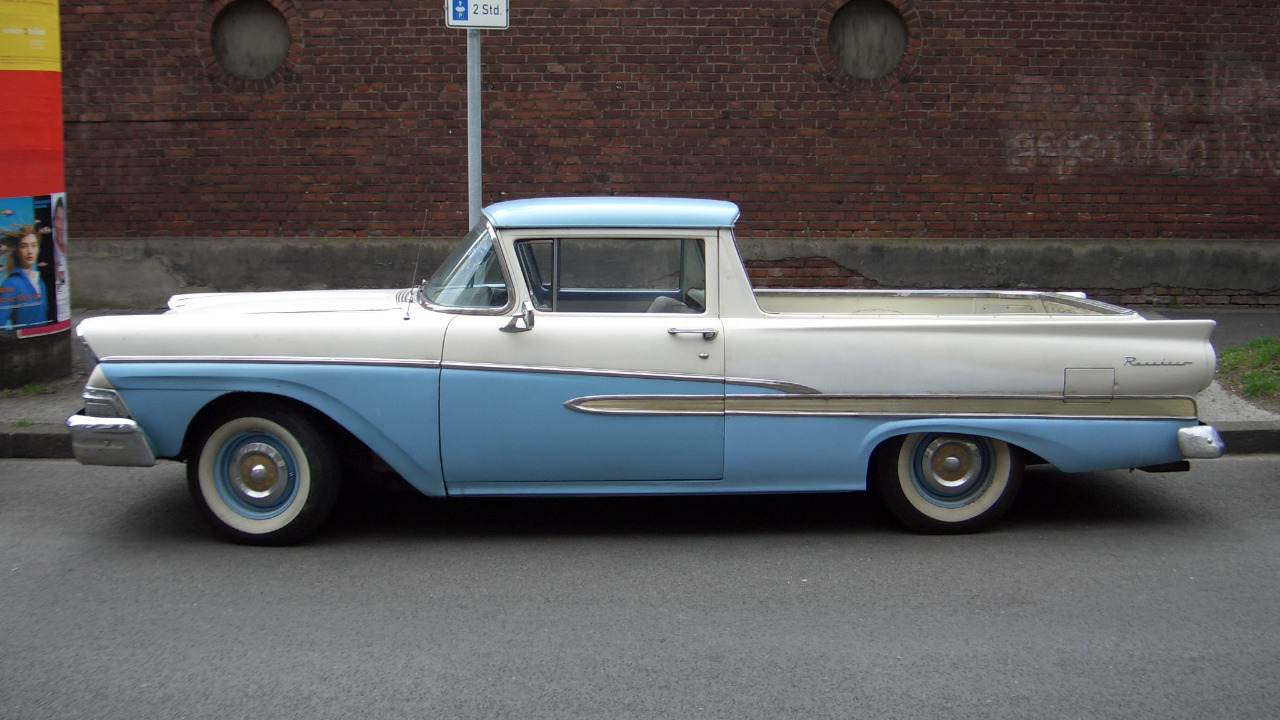
The 1950s were a transformative time for the automotive industry. Amidst a backdrop of post-war prosperity, consumer expectations were evolving. People wanted vehicles that were not just utilitarian but also stylish and comfortable. Ford recognized this shift and sought to develop a model that would cater to a burgeoning market interested in versatility. The Ranchero was born from this vision, inspired by the Australian “ute” concept, which combined the features of a utility vehicle with the aesthetics of a passenger car.
Design Philosophy
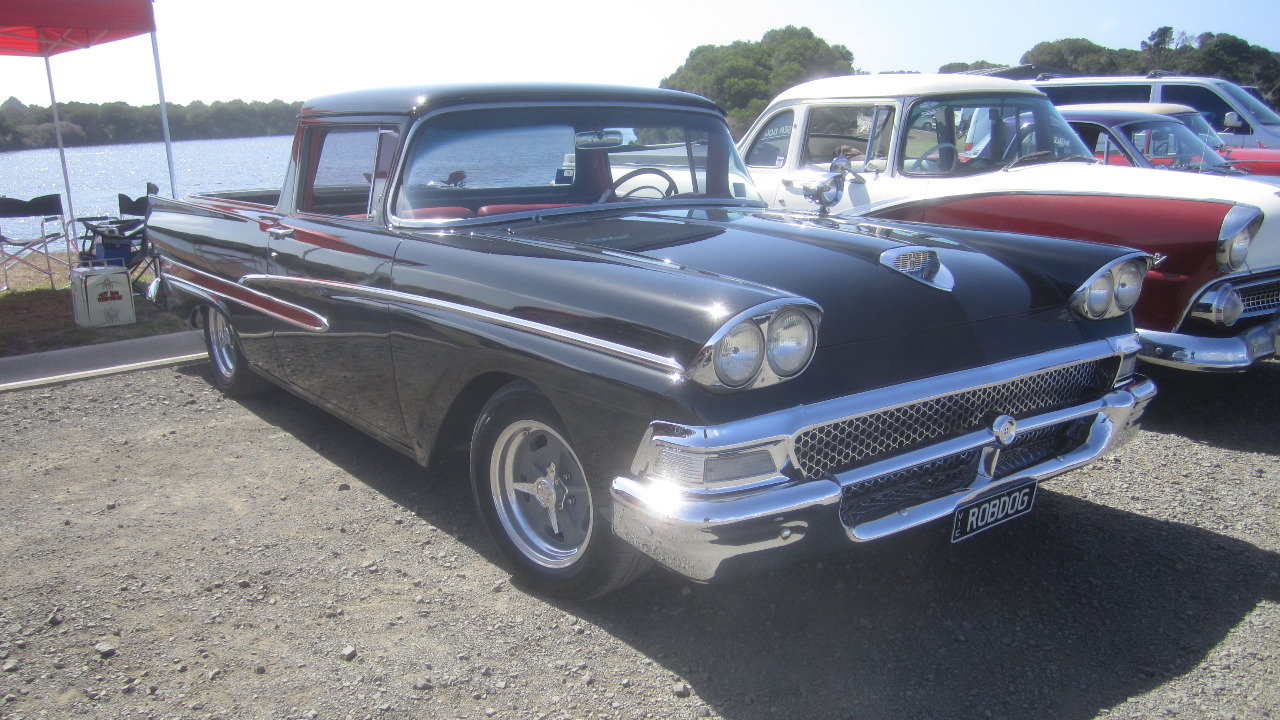
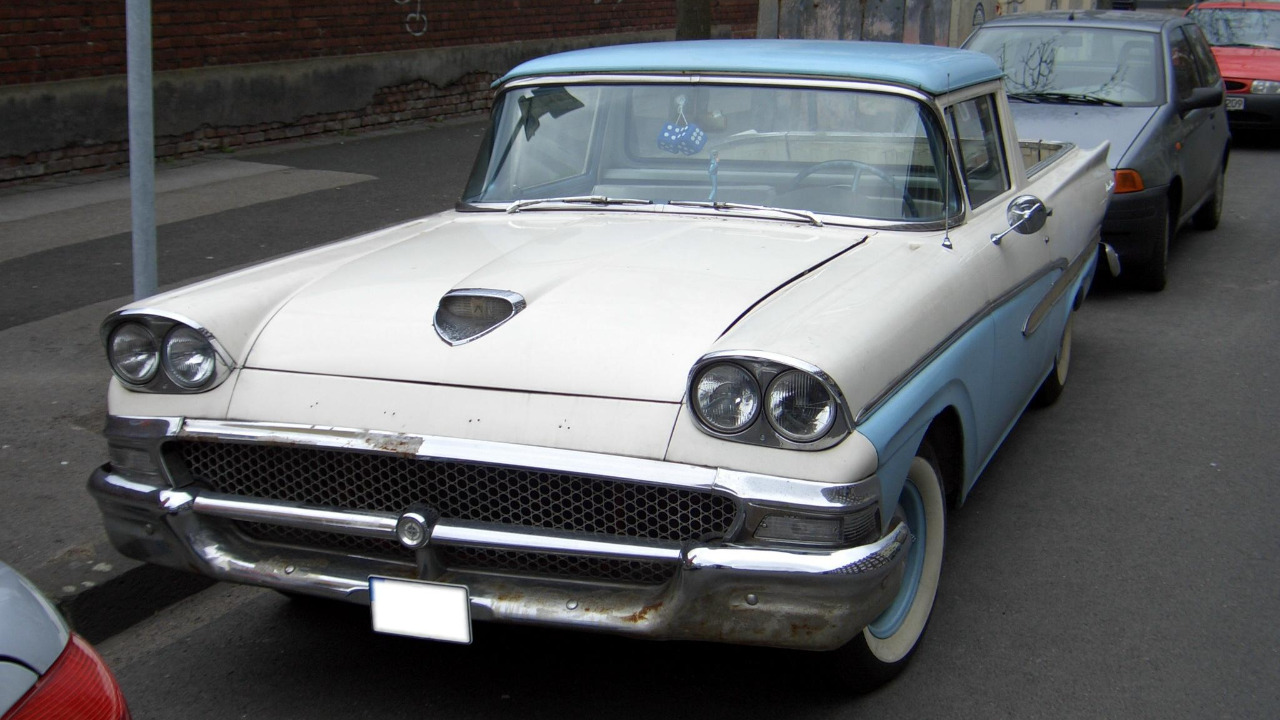
Ford aimed to bridge the gap between functionality and style with the Ranchero. The company’s design philosophy was centered around creating a vehicle that provided the comfort and driveability of a sedan while retaining the practicality of a pickup truck. This approach was revolutionary at the time and set the Ranchero apart from its contemporaries. By incorporating a car-like front end with a pickup bed, Ford managed to craft a vehicle that was both visually appealing and highly practical.
Design and Engineering Marvel
Innovative Features
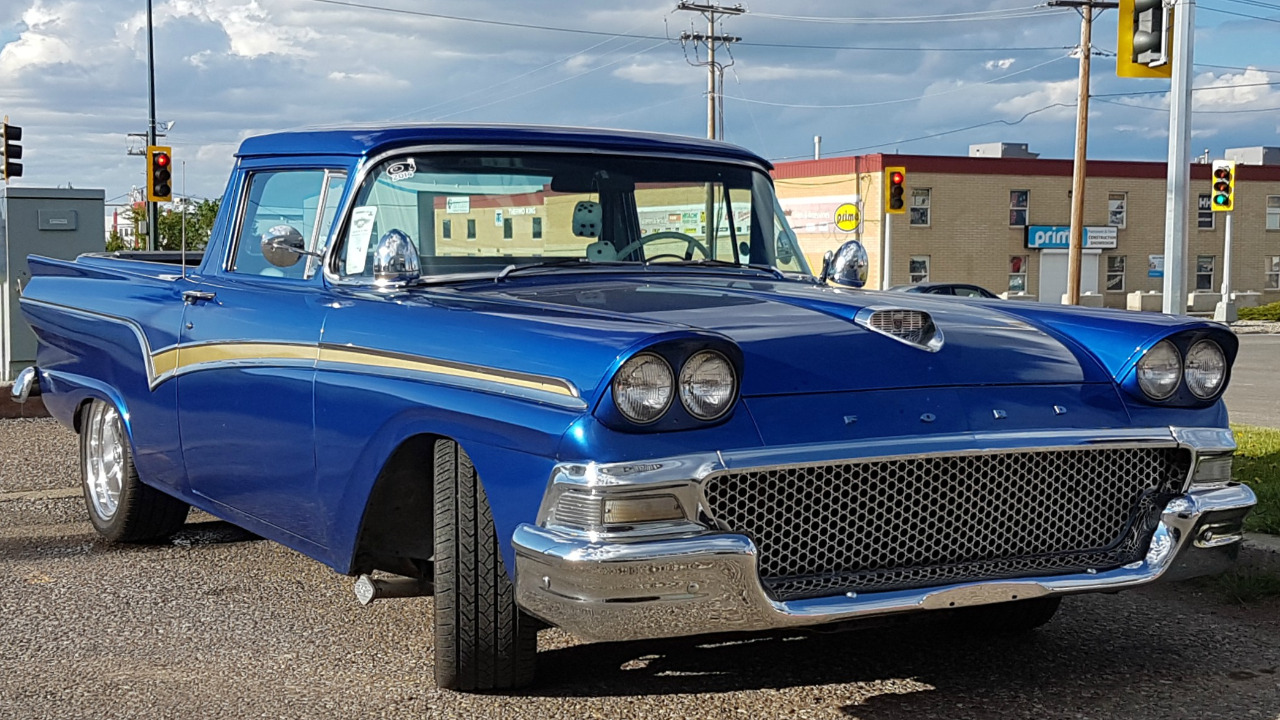
The Ford Ranchero was notable for its unibody construction, a design choice that was both daring and effective. This construction method meant the vehicle’s body and frame were a single structure, providing a smoother ride and improved handling compared to traditional body-on-frame trucks. Inside, the Ranchero offered car-like interiors, complete with comfortable seating and a dashboard that mirrored that of a Ford sedan, appealing to both tradesmen and those with an eye for style.
Performance and Specifications
Under the hood, the Ranchero came equipped with several engine options, ranging from a 223 cubic inch inline-six to a more powerful 352 cubic inch V8. This variety allowed consumers to choose a model that best suited their performance needs. The vehicle’s payload capacity was also impressive for its time, capable of handling loads up to 1,190 pounds, making it a practical choice for a wide range of tasks, from transporting goods to supporting agricultural endeavors.
Impact on the Automotive Market
Consumer Reception
The public reception of the Ford Ranchero was overwhelmingly positive. Consumers appreciated the vehicle’s ability to function as both a family car and a light-duty truck. This dual-purpose design resonated with a market that was growing increasingly diverse in its demands. The Ranchero’s success spurred an interest in similar models, influencing the automotive industry to explore new ways of blending work and style in vehicle designs.
Competition and Market Position
At the time of its release, the Ranchero faced little direct competition. However, its success did not go unnoticed, prompting other manufacturers to develop their own car-truck hybrids. The most notable rival that emerged was the Chevrolet El Camino, introduced in 1959. The Ranchero’s early market position, however, allowed Ford to establish a strong foothold in this niche, setting benchmarks that competitors aimed to match.
Cultural Significance and Legacy
Symbol of an Era
The Ranchero quickly became more than just a vehicle; it was a cultural icon representing the dynamism of the 1950s American lifestyle. During a time when the lines between work and leisure were becoming increasingly blurred, the Ranchero stood as a testament to the era’s spirit of innovation and flexibility. It embodied the optimistic outlook of the post-war period, where hard work and enjoyment were valued equally.
Influence on Future Models
The Ranchero’s legacy is evident in the numerous car-truck hybrids that followed. Its groundbreaking design paved the way for models like the Subaru Baja and the Honda Ridgeline, which continue to echo the blend of utility and style. The Ranchero’s influence extended beyond its own production years, leaving an indelible mark on how manufacturers approach vehicle design.
Collectible Status and Modern-Day Appeal
Restoration and Enthusiast Communities
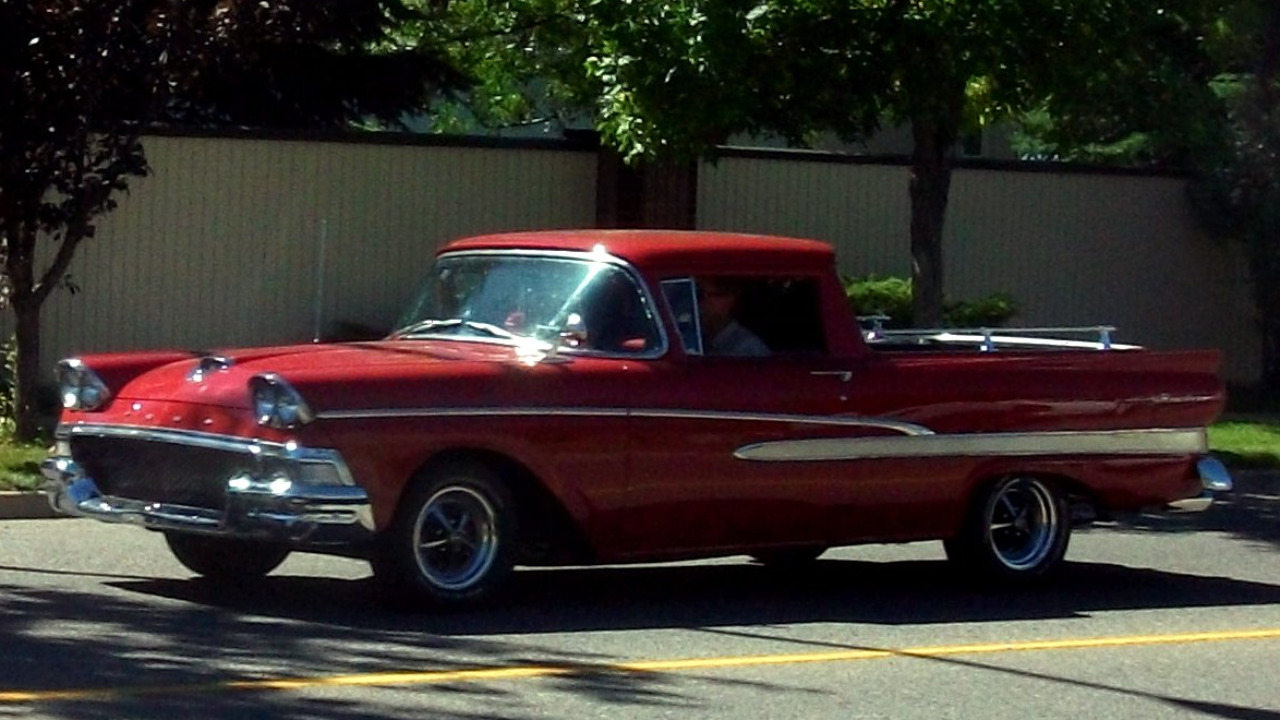
Today, the Ford Ranchero holds a special place in the hearts of car collectors and enthusiasts. Its unique design and historical significance have made it a sought-after collectible. Restoration projects are common, with communities dedicated to preserving its legacy. These communities thrive on the shared appreciation for the Ranchero’s innovative spirit and its role in automotive history.
Modern Interpretations
The Ranchero’s influence can still be seen in modern vehicle design. Its blend of practicality and style resonates with today’s consumers, who continue to seek versatile vehicles that do not compromise on aesthetics. This enduring appeal is a testament to the Ranchero’s original design philosophy, proving that the balance of work and style is as relevant now as it was in 1958. The Ranchero remains an inspirational figure in the ongoing evolution of automotive design, illustrating the timeless nature of its concept.
Like Fast Lane Only’s content? Be sure to follow us.
Here’s more from us:
- All New Trans Am: 10 Things You Need to Know
- The Fastest Farm Truck Ever Built
*Created with AI assistance and editor review.