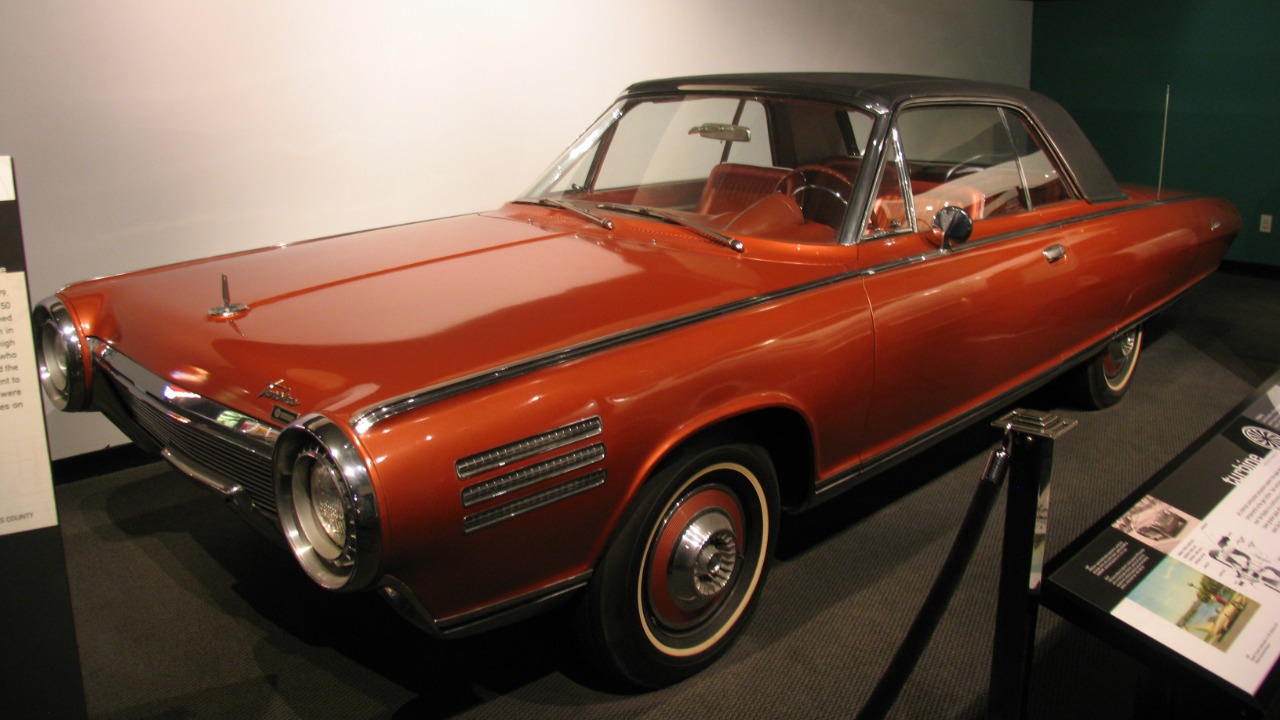
The 1964 Chrysler Turbine Car was an ambitious attempt to revolutionize the automotive landscape with its cutting-edge gas turbine engine. This vehicle promised not only enhanced performance and efficiency but also a glimpse into a future where cars operated more cleanly and smoothly than ever before. However, despite its groundbreaking features and innovative design, the Turbine Car ultimately did not achieve mass production, leaving many to ponder how it might have transformed the automotive industry.
The Vision Behind the Turbine Car
Chrysler’s ambition to innovate was a driving force behind the development of the Turbine Car. The company sought to position itself at the forefront of automotive technology during a transformative period in history. By harnessing the principles of gas turbine technology, Chrysler aimed to create a vehicle that could outperform traditional internal combustion engines in terms of efficiency, power, and emissions. The Turbine Car was not just about performance; it was a statement of innovation and a glimpse into what the future could hold for the automotive industry.
The influence of the space age played a significant role in shaping the design and engineering of the Turbine Car. As the United States raced to the moon in the 1960s, advancements in technology permeated various sectors, including automotive engineering. The sleek contours and futuristic aesthetics of the Turbine Car reflected this spirit of modernity, with design elements that set it apart from its contemporaries. Its unique appearance, with a long hood and rounded edges, evoked a sense of aerodynamics that was not only visually appealing but also functionally advantageous.
The Technology of the Turbine Engine
Understanding gas turbine technology is crucial to appreciating what the Chrysler Turbine Car represented. Unlike traditional internal combustion engines that rely on the explosive combustion of fuel, gas turbine engines operate on a continuous combustion cycle. Air is compressed, mixed with fuel, and ignited, producing a high-speed exhaust that spins a turbine. This process allows for a smoother and more efficient operation, which translates to better fuel efficiency and lower emissions. The potential advantages of turbine engines were significant, and Chrysler believed this technology could redefine the driving experience.
Among the many benefits touted by the Turbine Car’s engineers were its fuel efficiency and reduced emissions. Gas turbine engines are capable of running on a variety of fuels, including diesel and jet fuel, which could diversify the automotive fuel market. Furthermore, the smoother operation of turbine engines meant less noise and vibration compared to conventional engines—a feature that many drivers found appealing. However, the Turbine Car was not without its challenges. The technology faced technical limitations, such as high manufacturing costs and issues with durability, which ultimately hindered the feasibility of mass production. Despite these hurdles, the aspiration to integrate turbine technology into everyday vehicles was a bold step forward.
The Public’s Reception and Test Drives
The public’s reception to the Chrysler Turbine Car was a fascinating blend of excitement and curiosity. During its promotional tours, the Turbine Car drew crowds and captivated automotive enthusiasts with its futuristic design and unique engine. People were eager to experience driving a vehicle that seemed like something out of a science fiction movie. Test drives revealed a driving experience unlike any other; the quiet operation, rapid acceleration, and smooth handling left a lasting impression on those fortunate enough to sit behind the wheel.
Feedback from test drives highlighted the innovative features that set the Turbine Car apart. Drivers relished the seamless acceleration and the lack of vibration that often accompanied traditional vehicles. However, some noted the distinctive sound of the turbine engine, which some described as jet-like and polarizing. While many appreciated the novelty, others found it less appealing. Regardless, the Turbine Car’s cultural impact was undeniable, representing the technological optimism of the 1960s and embodying the era’s fascination with progress and innovation.
The Factors Leading to Its Demise
Despite its promise, several economic considerations contributed to the Turbine Car’s demise. As Chrysler invested heavily in the project, the financial implications became increasingly significant. The automotive market was shifting toward more conventional fuel sources, primarily gasoline, which made the adoption of turbine technology seem less viable. As fuel prices fluctuated and consumer preferences evolved, Chrysler faced mounting pressure to justify the costs associated with producing the Turbine Car.
The competitive landscape during the mid-1960s further complicated matters. Traditional automakers were refining their internal combustion engines, enhancing fuel efficiency and performance. The introduction of compact cars and the growing popularity of foreign manufacturers added to the pressure on Chrysler to deliver vehicles that aligned with consumer demands. Additionally, regulatory hurdles played a role in the Turbine Car’s fate. Environmental regulations began to emerge, challenging the viability of turbine technology in consumer vehicles. These factors combined to create an environment where the Turbine Car struggled to find its footing in a rapidly changing market.
The Legacy of the Turbine Car
Although the Chrysler Turbine Car never achieved the mass production its creators envisioned, its legacy endures in various ways. The concepts and technologies explored during its development influenced future automotive designs, pushing the boundaries of what vehicles could achieve. While gas turbines did not become mainstream in the automotive industry, elements of turbine technology have found their way into other applications, particularly in aerospace and power generation. The Turbine Car serves as a testament to the spirit of innovation that drives technological advancement.
Today, the Turbine Car holds a special place among collectors and enthusiasts. Its rarity and unique history make it a sought-after piece of automotive nostalgia. Various models from the original production run are preserved in museums and private collections, cherished for their innovative engineering and the bold vision they represented. As a cultural artifact, the Turbine Car remains a symbol of the optimism and forward-thinking spirit of the 1960s, reminding us of the potential for innovation in the automotive world.
Reflecting on the legacy of the Chrysler Turbine Car offers valuable lessons about innovation and the risks associated with it. The automotive industry is continually evolving, and the Turbine Car stands as a reminder that sometimes, groundbreaking ideas do not materialize as expected. However, the pursuit of innovation, even when faced with challenges, is essential to progress. The Turbine Car may not have redefined the automotive landscape, but it serves as an important chapter in the ongoing story of technological advancement, inspiring future generations to think outside the box.
More from Fast Lane Only
- Unboxing the WWII Jeep in a Crate
- 15 rare Chevys collectors are quietly buying
- 10 underrated V8s still worth hunting down
- Police notice this before you even roll window down
*Research for this article included AI assistance, with all final content reviewed by human editors.