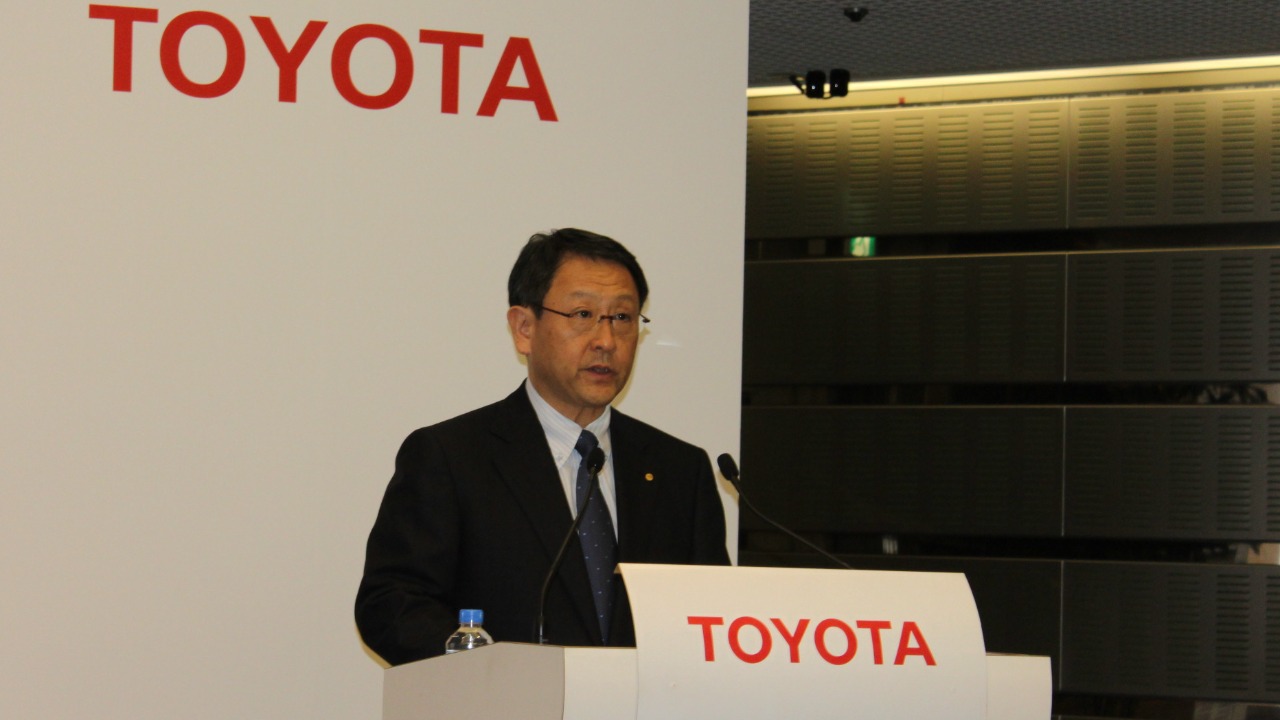
Akio Toyoda, the current president of Toyota Motor Corporation, has played a pivotal role in revitalizing the company’s spirit and innovative capabilities. His leadership style, vision for the future of mobility, and emphasis on culture have collectively reignited enthusiasm within the ranks of modern Toyota.
Leadership Style and Vision
At the heart of Akio Toyoda’s leadership is the philosophy of “kaizen,” which translates to continuous improvement. This principle has been deeply ingrained in Toyota’s DNA since its inception and remains a cornerstone of the company’s operational strategy. Under Toyoda’s guidance, kaizen has been revitalized as a guiding light, not merely in production processes but across all facets of the organization. He encourages employees to constantly seek ways to improve their work and the products they create, fostering a culture where innovation is not just encouraged but expected.
Moreover, Toyoda’s hands-on approach has set a new precedent for leadership within the company. He often engages directly with employees, from factory workers to upper management, breaking down traditional barriers that can stifle creativity and innovation. This direct engagement not only empowers employees but also ensures that leadership remains grounded in the realities of the workforce. For example, during his visits to manufacturing plants, he takes the time to listen to concerns and suggestions from employees, which has led to significant operational enhancements.
Looking toward the future, Toyoda has initiated visionary projects aimed at steering Toyota towards sustainable and innovative solutions in the automotive industry. His commitment to electrification and autonomous driving technology positions Toyota not just as a car manufacturer but as a comprehensive mobility provider. Projects like the Toyota Woven City—a fully connected ecosystem designed to test and develop new technologies—illustrate his forward-thinking approach.
Revitalizing Company Culture
A significant aspect of Toyoda’s leadership has been his focus on revitalizing Toyota’s company culture. He recognizes that a motivated workforce is essential for innovation and success. To foster this environment, he promotes a culture that values employee input and creativity. By establishing forums and workshops where employees can share their ideas, Toyoda has created an atmosphere of ownership that encourages individuals to take pride in their contributions. This shift has led to a surge in innovative ideas and has reinvigorated the workforce.
In addition, Toyoda has initiated measures to break down silos within the organization. By enhancing collaboration and communication across departments, he has ensured that innovative ideas can flow freely. This restructuring has not only led to better product development but has also strengthened the bonds between different teams, resulting in a more cohesive organizational structure. For instance, cross-functional teams have been formed to address specific challenges, allowing for diverse perspectives to be integrated into solutions.
Celebrating successes and learning from failures is another key aspect of the culture Toyoda promotes. He has introduced programs designed to recognize achievements, no matter how small, which fosters a growth mindset among employees. Initiatives that highlight both individual and team accomplishments serve to motivate staff and instill a sense of pride in their work, making it clear that every contribution matters.
Innovation and Technology Focus
Under Akio Toyoda’s leadership, Toyota has significantly increased its investment in research and development, particularly in the realms of electric and autonomous vehicles. The company has recognized the urgent need to adapt to changing consumer preferences and regulatory pressures, leading to the launch of models like the all-electric Toyota bZ4X. This vehicle not only showcases Toyota’s commitment to sustainable mobility but also demonstrates the company’s pivot towards electrification.
Moreover, partnerships with technology companies have been instrumental in integrating cutting-edge technology into Toyota’s offerings. Collaborations with firms like Aurora and others have positioned Toyota at the forefront of autonomous driving technology. These partnerships allow the company to leverage expert knowledge and resources to accelerate its development of self-driving vehicles, ensuring that it remains competitive in a rapidly evolving market.
Additionally, initiatives such as the Toyota Mobility Foundation aim to promote innovative transportation solutions that address societal challenges. By focusing on projects that improve mobility accessibility and sustainability, Toyota is not only enhancing its product lineup but also contributing positively to global mobility issues.
Community Engagement and Corporate Social Responsibility
Akio Toyoda has placed a strong emphasis on community engagement and corporate social responsibility (CSR) during his tenure. Recognizing that a successful company has a responsibility to give back, he has increased Toyota’s involvement in community projects and environmental sustainability initiatives. For instance, Toyota has committed to achieving carbon neutrality by 2050, a goal that reflects its dedication to environmental stewardship.
The establishment of programs aimed at enhancing local economies and supporting social causes showcases Toyota’s commitment to corporate citizenship. Initiatives like the “Toyota Green Challenge” encourage employees to participate in sustainability efforts, reinforcing the company’s values while positively impacting the communities it serves. This active engagement not only fosters goodwill but also strengthens the Toyota brand in the eyes of consumers who are increasingly prioritizing corporate responsibility.
Moreover, the focus on creating vehicles that serve not only customers but also society as a whole is a testament to Toyoda’s vision. By developing technologies that reduce emissions and promote sustainable practices, Toyota aims to create a positive legacy that extends beyond the automotive industry.
Response to Market Challenges
In an ever-changing global landscape, Akio Toyoda’s leadership has been marked by the ability to pivot strategically in response to market challenges. The COVID-19 pandemic, for instance, presented unprecedented challenges that required agile responses. Toyota adapted its production processes and emphasized safety protocols to protect its workforce while ensuring that operations continued smoothly. This ability to respond effectively to global crises has reinforced trust among consumers and stakeholders alike.
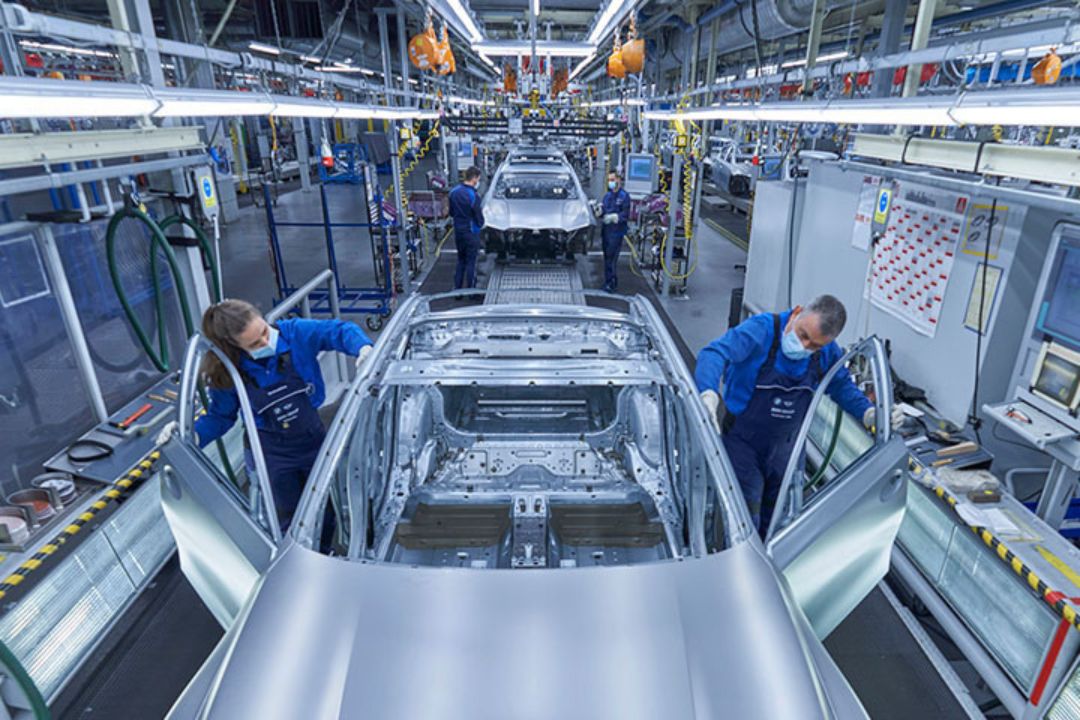
Additionally, the company has developed flexible manufacturing processes to adapt to changing consumer demands and market conditions. By implementing advanced manufacturing techniques and leveraging technology, Toyota has ensured that it remains responsive to shifts in consumer preferences, such as the growing demand for electric vehicles. This adaptability has positioned the company favorably in a competitive market.
Commitment to customer satisfaction has also been a priority for Toyoda. Improvements in product quality and service delivery have been central to Toyota’s efforts to maintain its reputation as a reliable automaker. By prioritizing customer feedback and implementing changes based on that input, the company has been able to enhance its offerings and strengthen customer loyalty.
Legacy and Future Directions
As I reflect on the impact of Akio Toyoda’s leadership, it becomes clear that his influence has significantly reshaped the company’s trajectory and employee morale. His focus on innovation, culture, and community engagement has not only revitalized Toyota but also positioned it as a leader in the automotive industry. The enthusiasm that Toyoda has instilled within the company is palpable, as employees feel empowered to contribute to a shared vision for the future.
Looking ahead, speculation about the future of Toyota under Toyoda’s guidance remains optimistic. Potential new initiatives, including further advancements in electric and autonomous vehicles, are on the horizon. As the industry continues to evolve, Toyoda’s approach may serve as a model for other companies facing similar challenges in the automotive sector, illustrating the importance of flexibility, employee engagement, and corporate responsibility.
As Toyota continues to navigate the complexities of the modern automotive landscape, the principles established by Toyoda will likely guide the company’s future direction. The emphasis on innovation, sustainability, and community engagement will remain central to its mission, ensuring that Toyota not only meets the needs of its customers but also contributes positively to society as a whole.
More from Fast Lane Only
- Unboxing the WWII Jeep in a Crate
- 15 rare Chevys collectors are quietly buying
- 10 underrated V8s still worth hunting down
- Police notice this before you even roll window down
*Research for this article included AI assistance, with all final content reviewed by human editors.