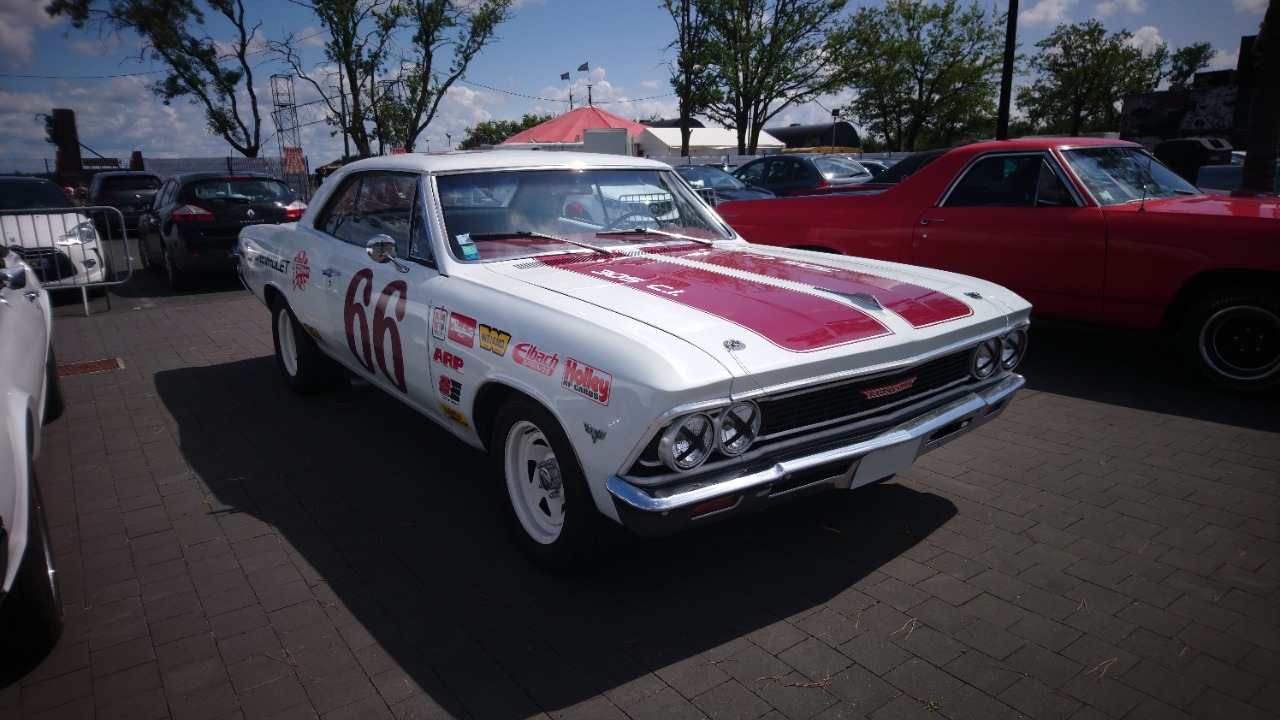
The 1966 Chevrolet Chevelle Malibu SS did something Detroit usually struggled to pull off: it wrapped serious performance in a package that still made sense for families and budget buyers. Instead of treating speed as a niche indulgence, Chevrolet turned the Malibu Super Sport into a mid‑size statement that could be ordered in volume and parked in any suburban driveway. By blending sharp styling, big‑block power, and smart marketing, the car helped normalize muscle as a mainstream choice rather than a weekend toy.
When I look at how that happened, I see more than a single model year success story. The 1966 Chevelle Malibu SS shows how a carefully tuned mix of design, engineering, and salesmanship could turn youthful horsepower into a profitable business plan. It was not just about going quicker in a straight line, it was about convincing a broad swath of buyers that a car with a 396 under the hood still fit their lives.
From family favorite to Malibu Super Sport
Chevrolet had already positioned the Chevelle as a practical mid‑size, but by 1966 the company leaned hard into its sporty side. Internal training material framed the car as a “family favorite” that was increasingly attractive to “sportsminded” buyers, and even referred to it as a “sports car impression” of a conventional sedan, a pitch that comes through clearly in the period film that invites dealers to meet the Chevel. That dual identity was crucial: the car had to look and feel exciting without scaring off parents who still needed to haul kids and groceries.
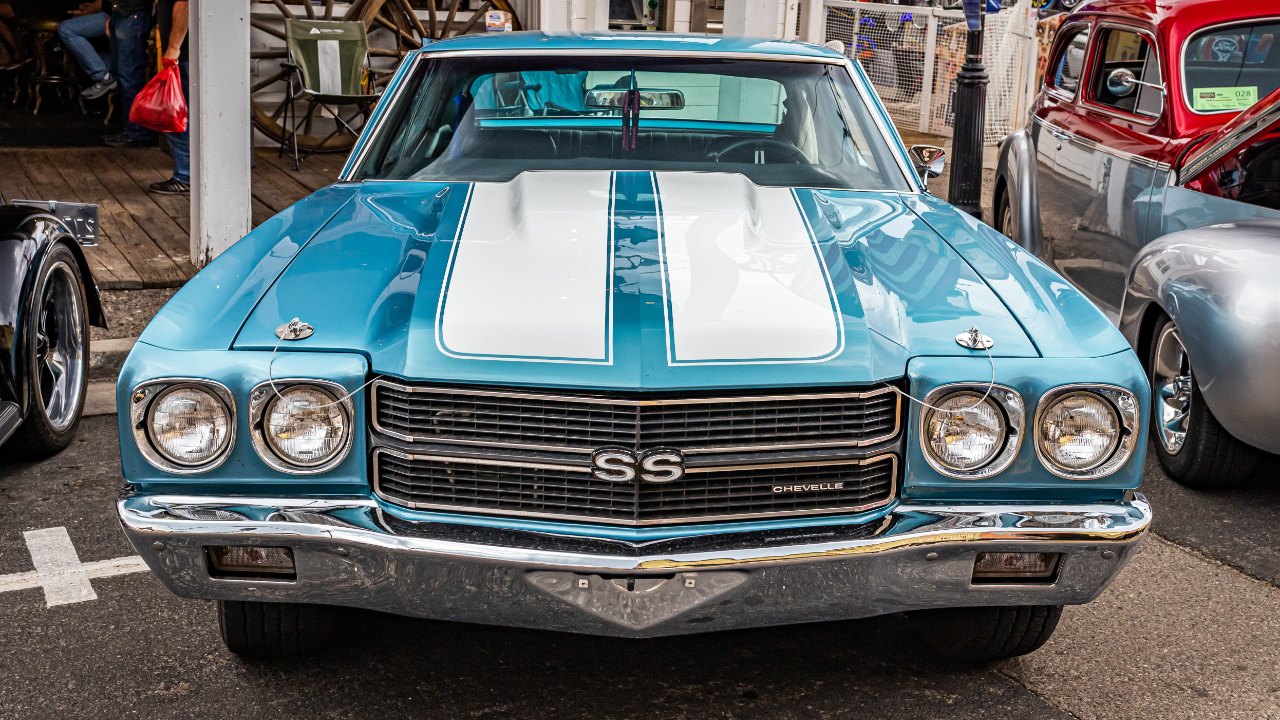
Styling did a lot of the heavy lifting. The 1966 Chevelle wore a fresh body with sleeker lines and a more aggressive stance, and the Malibu Super Sport trim layered on visual cues that signaled performance without going full race car. Contemporary descriptions of the 1966 Chevrolet Chevelle SS 396 highlight how the redesign sharpened the profile and made the Malibu Super Sport stand out in traffic, with the SS 396 treatment turning a clean mid‑size into a classic muscle car shape that enthusiasts still celebrate in Design and Appeal discussions today.
Making SS a series, not just a badge
The real turning point in 1966 was structural, not just cosmetic. Chevrolet elevated the Super Sport from an option package to a distinct series, so the 1966 Chevrolet Chevelle SS 396 was no longer just a trim level tacked onto a Malibu. That move gave the car a clearer identity in brochures and on showroom floors, and it let salespeople present the SS as a complete performance model rather than a confusing stack of codes. The strategy paid off because it simplified the choice: if you wanted the hot one, you bought the SS 396, period.
Underneath, the SS 396 package backed up the branding with real hardware. Fact sheets list the big‑block’s Displacement at 396 cubic inches, with a Bore and stroke of 4.094 by 3.76 inches, Overhead valves, a Cast iron block, and Five main bearings, the kind of specs that gave the SS credibility with enthusiasts. Chassis tweaks followed suit, with The SS 396 receiving stronger springs, recalibrated shocks, and a thicker front stabilizer bar, while Sport Coupes wore a fresh roofline that visually separated them from the more sedate versions in the 1964‑1967 lineup.
Big‑block power tailored for the masses
Power was the hook, but Chevrolet was careful about how it delivered that power to a broad audience. The SS 396 came standard with a 396-ci V8 rated at 325 horsepower, a figure that sounded impressive on the showroom floor yet was still manageable for everyday drivers. Options could boost output further, and a separate breakdown of the SS 396 convertible notes a trio of 396-cubic-inch choices ranging from 325 to 375 horsepower from the same 396-cubic-inch block. That ladder of outputs let buyers decide how far into muscle territory they wanted to go without leaving the Chevelle family.
Engineering details show how seriously Chevrolet took this mission. Performance‑oriented engine options for 1966 carried compression ratios up to 11.0:1, and When the younger generation starting looking for cars with more power, Chevrolet responded with axle ratios that ranged from 2.73 to 4.88 to match different driving styles. Period testers noted that Chevy claimed the SS 396 had stiffer springs and shocks, an assertion some drivers questioned after experiencing the car’s wayward handling at the limit, but the same reports still recorded quarter‑mile times around 14.40 seconds at 100 mph for a strong Chevy showing in stock form.
Marketing muscle as everyday transportation
What fascinates me most is how Chevrolet sold all of this as normal. Dealer films and brochures leaned into the idea that the Chevelle could be both a commuter and a weekend warrior, and that tone carried into the way the Malibu Super Sport was presented in showrooms. A modern walkaround with Stephen at High Octane Classics in Auburn Massachusetts, featuring a Chevrolet Malibu Super, underscores how the car’s bucket seats, console, and subtle badging made it feel special without turning it into a stripped‑out racer. It was aspirational, but not out of reach.
Chevrolet also understood that not every market wanted the same formula. For the Canadian market, the Malibu could be ordered with the A51 RPO to transform it into a Malibu “Sports Option”, their equivalent of the American SS approach, a detail preserved in restoration guides that walk through how For the Canadian buyers could spec their cars through RPO codes. That flexibility helped the Chevelle Malibu SS concept travel across borders while still feeling tailored to local tastes.
Volume, rivals, and a lasting legacy
The 1966 model year did not appear out of nowhere. During 1965, the Chevelle became a full‑blown muscle car when the Z16 396-cid V‑8 arrived in the Chevelle Mali lineup, but that earlier car was rare and expensive, not a volume seller. By the time the Chevelle Malibu SS 396 rolled into showrooms, Chevrolet had learned how to scale the formula, turning what had been a limited experiment into a mainstream offering that could be ordered in large numbers while still carrying a 396-cid badge on the fender, as chronicled in During period coverage.
That shift had real competitive stakes. As for the 1966 Chevelle SS396, Chevy knew it was going to be a very popular youth market car and sales boomed immediately thanks to the combination of big‑block power and mid‑size practicality, a strategy that put pressure on Mopars and Fords alike according to enthusiasts who still debate whether 66 was the best year for the Chevelle SS. In that same era, Chevrolet was also selling big‑block power in full‑size cars like the Biscayne, which could be ordered with a 396 cubic inch V8 for buyers who wanted more muscle in a plainer wrapper, a contrast that highlights how the Chevelle Malibu SS carved out a sweet spot between bare‑bones speed and family comfort in the broader Biscayne lineup.
Looking back now, I see the 1966 Chevelle SS 396 as the moment Chevrolet proved that performance could be a high‑volume business, not just a halo exercise. The car’s mix of sleeker Chevelle styling, the Malibu Super Sport identity, a 396 m big‑block, and carefully tiered power levels turned what might have been a niche muscle coupe into a staple of American streets. That formula, refined through the Chevelle SS 396 and echoed in later models, still shapes how automakers try to sell speed to the widest possible audience.
More from Fast Lane Only: