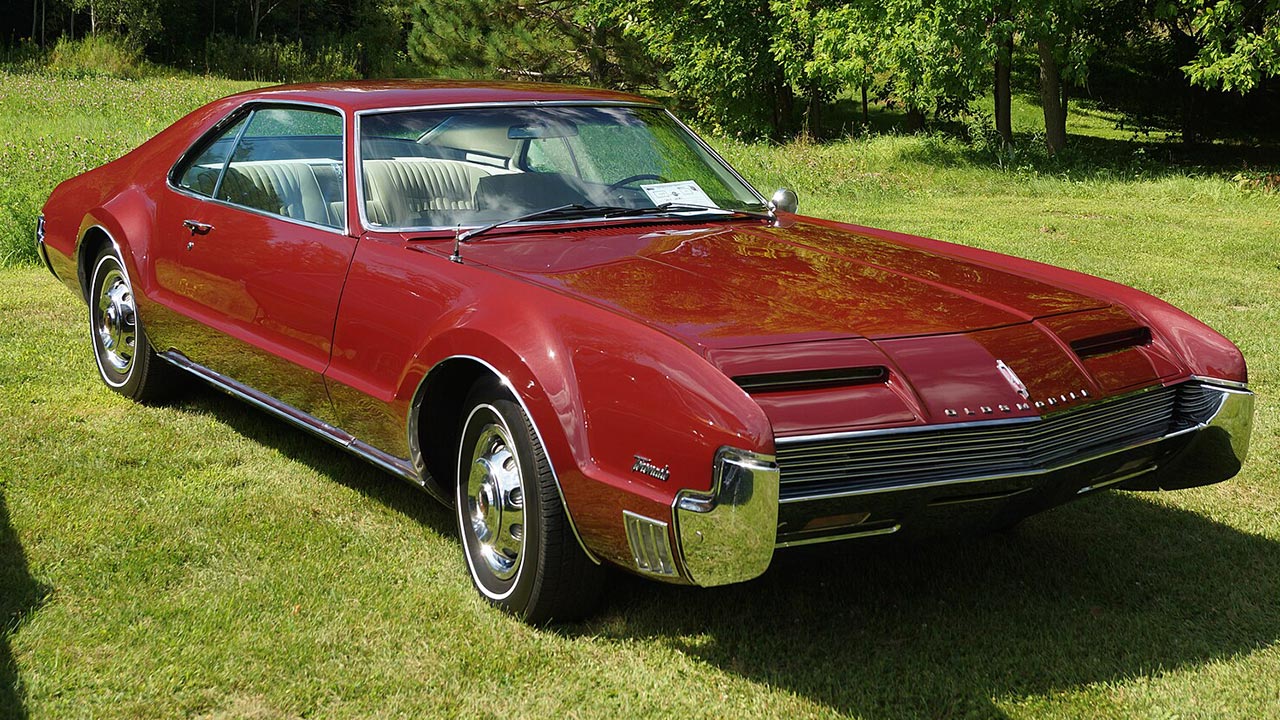
The 1966 Oldsmobile Toronado marked a significant turning point in automotive history, showcasing the potential of front-wheel drive (FWD) technology in a luxury performance vehicle. With its bold design and innovative engineering, the Toronado proved that FWD could deliver both excitement and practicality, changing perceptions and paving the way for future automotive advancements.
The Birth of the Toronado: A New Era for Oldsmobile
The automotive landscape in the 1960s was characterized by fierce competition and a growing demand for innovative vehicles that combined luxury with performance. As American manufacturers sought to differentiate themselves, Oldsmobile recognized an opportunity to introduce a vehicle that would not only stand out in terms of design but also offer a new driving experience. The vision behind the Toronado was to create a luxury sports coupe that would appeal to a younger, more affluent demographic eager for something unique.
Key figures involved in the development of the Toronado included Chief Engineer William L. D. McNaughton and stylist David North. Their collaborative efforts culminated in a car that was both visually striking and technically advanced. With a focus on integrating FWD technology, the team sought to push the boundaries of what a luxury coupe could be. The Toronado’s introduction in 1966 would not only redefine Oldsmobile’s brand image but also set a precedent for future vehicles across the industry.
Innovative Engineering: The Front-Wheel Drive Revolution
Front-wheel drive technology had been around for decades but was primarily relegated to smaller, economy cars. The Toronado changed that narrative by demonstrating that FWD could be used effectively in larger, performance-oriented vehicles. This layout allowed for a more compact engine bay, which contributed to a sleeker design while also improving weight distribution. The advantages included better traction, especially in adverse weather conditions, and an enhanced driving experience.
Oldsmobile faced several engineering challenges when developing the Toronado’s FWD system. These included integrating the transmission into the engine block, which was a novel idea at the time. By overcoming these challenges, they not only created a groundbreaking vehicle but also laid the groundwork for future generations of cars. The vehicle’s design and engineering were pioneering, showcasing how FWD could be adapted for performance without compromising luxury.
Design and Aesthetics: A Bold Statement on Wheels
The Toronado featured a striking design that was both modern and sophisticated, making it immediately recognizable on the road. Its long hood and short rear deck conveyed a sense of power and elegance, while bold lines and distinctive curves reflected contemporary design trends. The front fascia, with its unique grille and headlight arrangement, added a touch of aggressiveness to the coupe’s luxurious demeanor.
Inside, the Toronado was equally impressive, offering a spacious and well-appointed cabin that catered to luxury buyers. High-quality materials were used throughout, and the innovative dashboard design included features that were ahead of their time, such as a padded instrument panel and an adjustable steering wheel. Color options such as the vibrant “Turquoise Mist” and “Cinnamon” were particularly popular, further enhancing the vehicle’s appeal. The overall aesthetics of the Toronado made it a bold statement in the realm of luxury vehicles.
Performance: Power Meets Handling
The Toronado was powered by a robust 425-cubic inch (7.0-liter) V8 engine that produced an impressive 385 horsepower and 480 lb-ft of torque. This power allowed the vehicle to accelerate smoothly while maintaining a sense of control, thanks in part to its innovative FWD layout. The engine was mated to a Turbo-Hydramatic transmission, which offered seamless shifts and contributed to the overall driving experience.
One of the standout features of the Toronado was its handling dynamics. The FWD configuration, coupled with a sophisticated suspension system, provided improved cornering stability and reduced body roll compared to traditional rear-wheel drive vehicles. This setup allowed for a more engaging driving experience, which was particularly noticeable during spirited driving. When compared to competitors such as the Ford Thunderbird and Chrysler Newport, the Toronado offered a unique blend of performance and comfort that set it apart in the luxury coupe segment.
Driving Experience: The Thrill of the Toronado
Early drivers and testers of the Toronado praised its exhilarating performance and surprisingly comfortable ride. Anecdotes from automotive journalists highlighted the vehicle’s ability to deliver the thrill of a sports car while providing the comfort expected from a luxury coupe. With its smooth ride quality and ample interior space, the Toronado was well-equipped to handle long journeys without sacrificing performance.
Features such as a well-tuned suspension system and responsive steering further enhanced the driving experience. The Toronado’s large tires contributed to improved grip on the road, allowing for confident handling in various driving conditions. As a result, the vehicle became a favorite among enthusiasts who appreciated its unique combination of comfort and sportiness, making it a standout option in a crowded market.
Market Reception: A Game-Changer for Oldsmobile
Upon its launch, the Toronado received both public and critical acclaim, quickly establishing itself as a game-changer for Oldsmobile. Its innovative design and engineering led to a successful debut year, with sales figures surpassing expectations. The combination of luxury, performance, and cutting-edge technology captured the attention of consumers and automotive experts alike, solidifying the Toronado’s place in automotive history.
In its launch year, Oldsmobile sold approximately 40,000 units of the Toronado, a remarkable figure that demonstrated the vehicle’s widespread appeal. This success had a lasting impact on the brand, leading to a renewed focus on innovation and performance. The Toronado’s legacy continued to influence consumer expectations, prompting other manufacturers to explore front-wheel drive options in their luxury offerings.
Challenges and Controversies: The FWD Debate
Despite its success, the Toronado faced skepticism from traditionalists within the automotive industry who questioned the viability of front-wheel drive technology in performance vehicles. Critics argued that FWD systems could not deliver the same level of performance and driving enjoyment as their rear-wheel drive counterparts. This debate was prevalent at the time, as many enthusiasts remained loyal to the traditional layout.
The Toronado, however, played a crucial role in shifting perceptions about FWD. As it gained popularity, the discussions surrounding the benefits and drawbacks of this technology began to evolve. The success of the Toronado encouraged manufacturers to reconsider their design philosophies, ultimately leading to a broader acceptance of FWD in performance-oriented vehicles. The Toronado’s influence continues to resonate today, as FWD technology has become a standard feature in many modern luxury cars.
The Legacy of the 1966 Toronado: Influencing Future Designs
The impact of the 1966 Toronado extended well beyond its production run. The vehicle set a precedent for future models from Oldsmobile and other manufacturers, proving that FWD could be successfully integrated into larger, high-performance vehicles. Subsequent models, such as the Cadillac Eldorado and Buick Riviera, adopted similar engineering principles, further establishing FWD as a viable option in the luxury segment.
Moreover, the Toronado’s influence on the broader automotive industry cannot be overstated. Its success prompted many manufacturers to explore FWD designs, ultimately reshaping the landscape of American luxury vehicles. Today, the appreciation for the Toronado remains strong among collectors and enthusiasts, with its unique blend of style, performance, and innovation earning it a cherished spot in automotive history.
More from Fast Lane Only