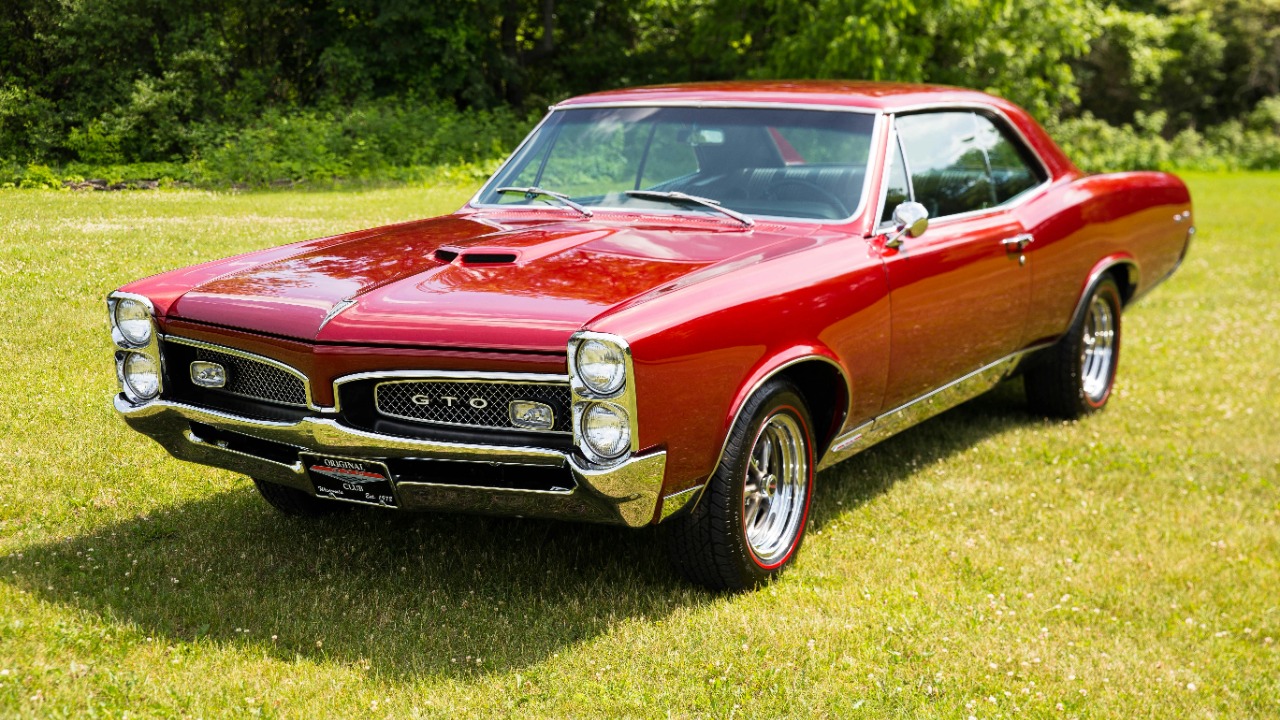
The 1964 Pontiac GTO is often hailed as the first true muscle car, a title it has maintained for decades. With a combination of power, style, and cultural significance, the GTO set the standard for performance vehicles that followed. This article delves into the rich history, standout features, and lasting impact of the GTO, solidifying its iconic status in the automotive world.
Defining the Muscle Car Genre
The term “muscle car” refers to a specific type of automobile that emerged in the United States during the early 1960s, characterized by powerful engines, aggressive styling, and affordable pricing. Typically, these vehicles are mid-sized, featuring V8 engines and designed for straight-line speed, making them popular among young drivers seeking performance without breaking the bank. The roots of the muscle car genre can be traced back to the post-World War II automotive boom, where automakers began to experiment with high-performance options aimed at a youthful demographic.
The muscle car movement gained momentum in the early 1960s, coinciding with a cultural shift towards a more rebellious and free-spirited youth. Car manufacturers recognized this trend and began to market vehicles that appealed to the desires of young Americans. As a result, the landscape of American automotive design and performance was forever altered, culminating in the introduction of iconic models like the Pontiac GTO.
The Birth of the Pontiac GTO
The Pontiac GTO was born from a unique blend of marketing innovation and engineering prowess. Pontiac’s management team, including John DeLorean and Jim Wangers, recognized the opportunity to create a performance vehicle that could stand out in a crowded market. Instead of developing a completely new car, they opted to introduce the GTO as a performance-oriented trim package for the Pontiac Tempest. This strategy allowed them to leverage existing production capabilities while offering a high-performance option that would resonate with consumers.
The GTO made its debut in 1964, quickly capturing the imagination of car enthusiasts. It was equipped with a 389 cubic inch V8 engine, which produced a staggering 325 horsepower. This power, combined with its sleek design and aggressive stance, positioned the GTO as a formidable contender in the burgeoning muscle car market. Pontiac’s marketing campaign emphasized the GTO’s performance credentials, showcasing its speed and handling, which helped cement its status as the first true muscle car.
Performance Features of the 1964 GTO
At the heart of the 1964 Pontiac GTO was its powerful 389 cubic inch V8 engine, which delivered a remarkable 325 horsepower and 428 lb-ft of torque. This engine was not only powerful but also featured an innovative four-barrel carburetor, which contributed to its impressive acceleration and responsiveness. With the option of a tri-power setup, which added three two-barrel carburetors, performance enthusiasts could push output to an exhilarating 360 horsepower. The GTO’s engineering allowed it to go from 0 to 60 mph in under 7 seconds, a remarkable feat for its time.
The design elements of the GTO also played a critical role in its performance. The car featured a lightweight body, a well-tuned suspension, and dual exhausts that enhanced its speed and handling capabilities. Its low center of gravity and aggressive stance provided the driver with confident control, making it a popular choice for both street racing and casual driving. Compared to its contemporaries—like the Ford Mustang and Chevrolet Chevelle—the GTO’s performance set a high bar that many attempted to match.
Cultural Impact of the GTO
The Pontiac GTO quickly became a symbol of the 1960s youth culture, resonating with a generation that valued freedom, rebellion, and performance. Its introduction coincided with a period of social change in America, where young people were eager to express their individuality and challenge the status quo. The GTO embodied this spirit, becoming a cultural icon that represented not just a car, but a way of life.
The GTO’s influence extended beyond the automotive realm into music, film, and literature. It was frequently featured in songs, television shows, and movies of the era, solidifying its place in popular culture. For instance, the GTO was immortalized in the song “Little GTO” by Ronny & the Daytonas, which celebrated the car’s performance and allure. This cultural prominence contributed significantly to the GTO’s status as the first muscle car, as it became a touchstone for a generation that embraced speed, style, and the thrill of driving.
Controversies and Competitions
Throughout its history, the Pontiac GTO faced stiff competition from rival manufacturers. Cars like the Ford Mustang, which debuted in 1964 as well, and the Chevrolet Camaro, launched in 1967, posed significant challenges to the GTO’s supremacy. Each of these vehicles brought unique features and performance credentials, leading to heated debates over what truly qualifies as a muscle car. While the GTO is often credited as the first, the definition of a muscle car has evolved, sparking ongoing discussions among enthusiasts.
Despite the competition, the GTO maintained a unique position within the muscle car hierarchy. It was not just about raw power; it also offered a blend of style, comfort, and performance that appealed to a wide range of drivers. The GTO’s impact on the automotive industry is undeniable, as it paved the way for future muscle cars and inspired countless manufacturers to develop their own high-performance models. The legacy of the GTO is evident in the muscle cars that followed, which sought to capture the same spirit of speed and excitement.
Legacy of the 1964 GTO
The legacy of the 1964 Pontiac GTO continues to thrive among collectors and automotive enthusiasts. Its unique blend of performance, style, and cultural significance has made it a highly sought-after classic car. Today, the GTO is celebrated at vintage car shows and auctions, where it commands impressive prices that reflect its iconic status. Restorations of the GTO often garner admiration for their attention to detail and authenticity, as owners strive to preserve the essence of this legendary vehicle.
The GTO also set a benchmark for performance standards that influenced subsequent muscle cars. Many features introduced with the GTO, such as powerful V8 engines and aggressive styling, became hallmarks of the genre. The marketing strategies employed by Pontiac in promoting the GTO also set the stage for how muscle cars would be marketed in the future, emphasizing performance and youth appeal. The GTO’s impact on the automotive landscape is a testament to its status as a pioneer in the muscle car movement.
The GTO in Modern Culture
In contemporary media, the GTO remains a celebrated figure, appearing in various forms of advertising, films, and even video games. The car’s storied past continues to inspire a new generation of car enthusiasts, who appreciate its performance and design. Social media platforms have allowed communities of GTO fans to flourish, where they share restoration projects, racing stories, and memorabilia. This ongoing celebration of the GTO reinforces its position as a cultural touchstone in the automotive world.
Moreover, the GTO’s significance extends beyond nostalgia. As the automotive industry evolves with trends focused on sustainability and electric vehicles, the GTO serves as a reminder of the raw power and freedom associated with traditional combustion engines. Enthusiasts continue to advocate for classic cars like the GTO in a modern context, ensuring that its legacy endures for future generations of car lovers.
Restoration and Preservation
Restoring a 1964 GTO presents both challenges and rewards for enthusiasts. Finding original parts can be difficult, as many components have become scarce over the years. However, the availability of aftermarket parts has made restoration more accessible, allowing owners to source high-quality replacements that maintain the vehicle’s authenticity. Dedicated restoration shops and online communities offer invaluable resources for GTO owners, providing guidance on everything from engine rebuilding to interior refurbishing.
The community surrounding GTO restoration is vibrant and passionate. Enthusiasts often come together at car shows, events, and online forums to share tips, showcase their projects, and celebrate the GTO’s heritage. This camaraderie fosters a sense of belonging and encourages preservation efforts, ensuring that the legacy of the GTO endures. For many owners, restoring a GTO is not just about the car itself but also about preserving a piece of automotive history that holds deep personal significance.
As the GTO continues to captivate new generations, its status as the first muscle car remains unchallenged. The combination of performance, culture, and community surrounding the GTO solidifies its place in automotive history, ensuring that it will always be remembered as a trailblazer in the muscle car genre.
More from Fast Lane Only