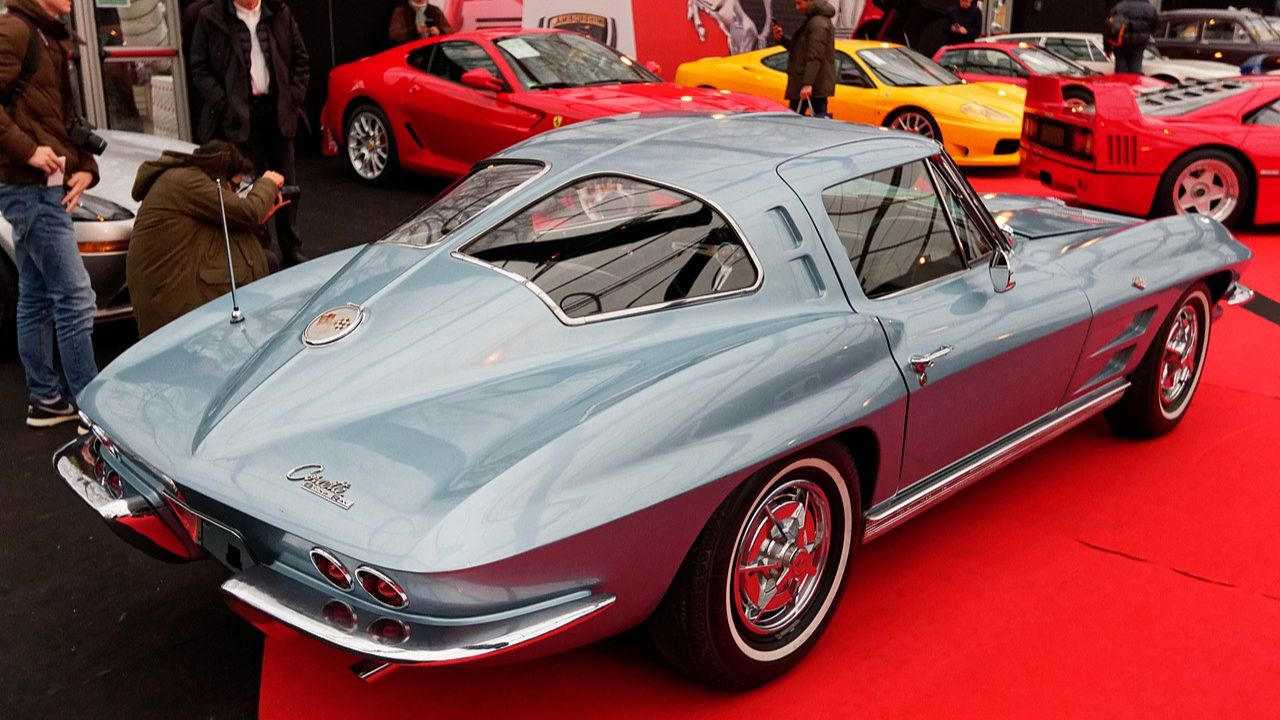
The 1963 Chevrolet Corvette split-window is celebrated as one of the most iconic cars in automotive history, known for its distinctive design and performance. However, this beloved model lasted only one year before Chevrolet opted for a redesign, leaving enthusiasts to wonder what led to its brief existence.
Design Innovations and Aesthetics
The 1963 Chevrolet Corvette introduced a unique split-window rear design that set it apart from other models in the Corvette lineup and the automotive market at large. The distinctive styling was heavily influenced by European sports cars of the time, which emphasized sleek, aerodynamic forms. This design choice was not just for aesthetics; it aimed to enhance performance by reducing drag. The split-window concept, which divided the rear glass into two panes, was audacious and quickly became a hallmark of this generation of Corvettes, showcasing a departure from the more traditional designs of the past.
Upon its release, the initial public reception was overwhelmingly positive, with many praising the split-window as a bold design choice that reflected a new era in American automotive design. Enthusiasts and critics alike marveled at its innovative approach, and it was seen as a trendsetter. However, while the split-window design attracted attention, it also sparked debates about practicality, especially concerning visibility—a recurring theme in discussions about this iconic model.
Performance and Engineering
The introduction of the Sting Ray platform marked a significant evolution in the Corvette’s engineering, greatly enhancing its handling and speed. The 1963 model was equipped with a new chassis design that not only improved agility but also provided a smoother ride, making it a formidable contender on both the streets and racetracks. The Sting Ray was engineered for performance, and it featured an independent rear suspension, a first for production cars in America, which contributed to superior handling characteristics.
In addition to its innovative chassis, the Corvette offered several high-performance options, including the much-lauded fuel-injected 327 cubic inch V8 engine. This engine option was capable of producing 360 horsepower, allowing the Corvette to reach impressive speeds and compete favorably against its rivals. The performance metrics of the 1963 Corvette were exceptional for its time, placing it in direct competition with European sports cars like the Jaguar E-Type and the Porsche 911, which were also gaining popularity among American consumers.
Manufacturing Challenges
While the split-window design garnered acclaim, it also presented unique manufacturing challenges. The intricate nature of the split rear window created complications during production, leading to increased costs and a need for precise engineering. Chevrolet faced difficulties in maintaining quality control, as the split-window required more meticulous attention to detail than traditional designs. These challenges not only affected production timelines but also contributed to higher manufacturing costs, which could ultimately impact pricing strategies.
Moreover, consumer feedback regarding visibility issues became a significant concern. Many drivers reported that the split-window obstructed their rear view, raising safety questions. This feedback was hard to ignore, especially as Chevrolet began to receive complaints from customers who found the design less practical than initially anticipated. The decision to maintain the split-window design was increasingly seen as a potential liability, forcing Chevrolet to reconsider the model’s future.
Market Trends and Consumer Preferences
The automotive market in the mid-1960s was undergoing a transformation, with shifts in consumer tastes leaning toward more practical designs. As the decade progressed, buyers began prioritizing features that enhanced visibility, comfort, and ease of use. The split-window design, while visually striking, clashed with these emerging preferences, making it less appealing to a broader audience. Market research indicated that consumers were looking for cars that not only delivered performance but also catered to daily usability and convenience.
Sales figures from 1963 showed a mixed outcome for the split-window Corvette. Although it attracted a dedicated fan base, overall sales fell short of expectations compared to Chevrolet’s other models. This trend was influential in Chevrolet’s decision-making process, leading them to pivot toward a design that could better meet consumer demands. As a result, the 1964 Corvette featured a more conventional rear window, effectively addressing the visibility concerns raised by customers.
Competitor Influence
The competitive landscape in the early 1960s was robust, with numerous domestic and international brands vying for market share. Models like the Ford Mustang and the Pontiac GTO were gaining traction and appealing to a younger demographic, further complicating Chevrolet’s position. The success of these rivals underscored the need for Chevrolet to adapt its offerings in response to changing consumer expectations. The Corvette, while a performance icon, faced pressure to evolve in a rapidly changing market.
In particular, European competitors like the Jaguar E-Type and the Porsche 911 showcased designs that combined performance with practicality, setting a new benchmark for sports cars. These models not only delivered exceptional speed but also offered better visibility and comfort, elements that increasingly resonated with buyers. Chevrolet recognized the need to respond to these emerging trends, leading to a strategic shift in the Corvette’s design philosophy.
Corvette’s Brand Evolution
The Corvette has long held a prestigious place in Chevrolet’s lineup, serving as a symbol of American performance. The split-window design, while short-lived, played a pivotal role in shaping the Corvette’s identity and reputation. It illustrated Chevrolet’s commitment to innovation and performance, setting the stage for future generations of the Corvette. However, the challenges presented by the split-window led to a reevaluation of the brand’s direction.
As Chevrolet moved forward, it became clear that the split-window’s radical design would not fit into the larger narrative of the Corvette’s evolution. The decision to pivot toward more conventional designs allowed Chevrolet to maintain its performance image while also addressing consumer demands for practicality. Subsequent models would continue to build on the legacy of the split-window, incorporating advanced engineering and design elements that reflected both aesthetic appeal and usability.
Legacy and Collector Appeal
Despite its brief production run, the 1963 Corvette split-window has garnered a lasting allure among collectors and enthusiasts. Its unique design, coupled with the performance pedigree of the Sting Ray platform, has solidified its status as a coveted classic car. Factors contributing to its appeal include its rarity—only 10,594 units were produced—and its iconic design, which continues to captivate car aficionados around the world.
Today, the 1963 split-window is frequently highlighted in classic car auctions and shows, where it commands significant attention and high prices. Its legacy is comparable to other one-year production models in automotive history, such as the 1969 Dodge Charger 500 or the 1970 Plymouth Superbird. The split-window Corvette remains a symbol of innovation and a testament to the era’s automotive design, ensuring that its status as a classic car will endure for generations to come.
Historical Context
The early 1960s were a dynamic period for both culture and automotive design. The post-war economic boom fueled consumer spending, while the space race captivated the public’s imagination. Technological advancements during this time influenced not only the design of cars but also the aspirations of the American public. The desire for speed and performance became intertwined with notions of freedom and progress, reflecting the broader societal shifts occurring across the nation.
Furthermore, the rise of youth culture and the increasing popularity of car culture added layers of complexity to the automotive landscape. Younger consumers sought vehicles that were not only functional but also expressive of their identities. The split-window Corvette, with its bold design and performance capabilities, resonated with this demographic, embodying the spirit of adventure and individuality that defined the era.
Final Thoughts on the Split-Window’s Impact
The split-window design of the 1963 Corvette represents a fascinating chapter in automotive history, illustrating the tension between innovation and practicality. While its production was short-lived, the impact it had on the Corvette brand and the automotive industry cannot be understated. The lessons learned from the split-window era influenced subsequent designs, pushing Chevrolet to balance performance with consumer preferences.
As a result, the 1963 Corvette split-window remains a cherished icon in car culture, celebrated not only for its striking aesthetics but also for its role in shaping the trajectory of future Corvette models. The ongoing appreciation for this classic car ensures its legacy will continue to thrive among collectors and enthusiasts, reinforcing its status as one of the most memorable vehicles in automotive history.
More from Fast Lane Only