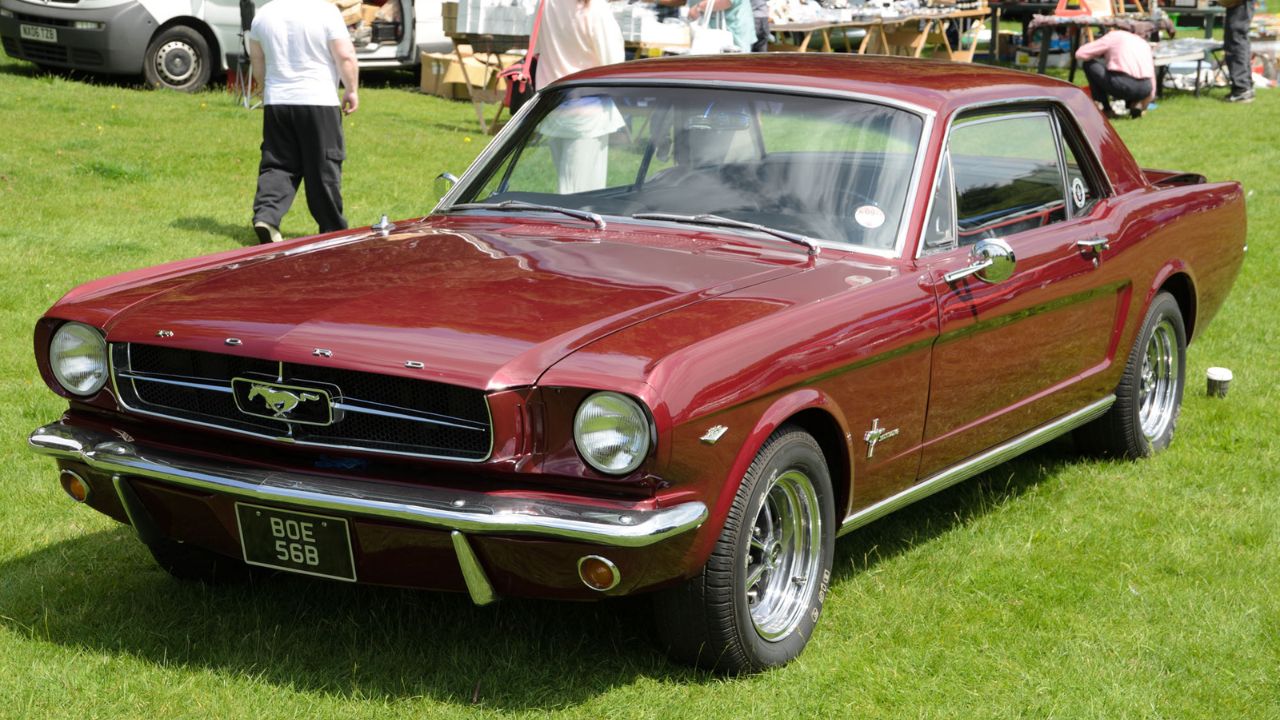
The 1964½ Ford Mustang is often hailed as one of the most iconic cars in American automotive history, but its immediate success had more to do with a unique mix of marketing strategy and cultural zeitgeist than just its design and performance. Launched in a dynamic era, the Mustang captured the imagination of a generation and solidified its place in automotive history.
The Birth of a Legend
The development of the Ford Mustang began in the early 1960s, driven by the vision of Lee Iacocca, who was then Ford’s vice president. The aim was to create a car that would appeal to the burgeoning youth market while also being economically accessible. The Mustang was officially unveiled on April 17, 1964, at the New York World’s Fair, marking a pivotal moment in automotive history. This launch not only showcased its sleek design but also introduced the concept of the “pony car,” a new category of vehicles that combined affordable pricing with sporty aesthetics and performance.
Key figures in the Mustang’s creation were not limited to Iacocca; a talented team of engineers and designers worked tirelessly to bring the Mustang to life. The Mustang was designed to be customizable, allowing buyers to choose from various options, which made it even more appealing. Ford’s marketing strategy focused on positioning the Mustang as a lifestyle choice, appealing to a sense of individuality and freedom. This strategy would prove crucial in defining the Mustang’s identity as a cultural icon.
The Marketing Masterstroke
The marketing strategies employed during the Mustang’s launch were groundbreaking for their time. Ford used innovative advertising campaigns that effectively captured the public’s attention. The company invested in a robust marketing strategy that included television commercials, magazine ads, and promotional events. The reveal at the New York World’s Fair was a pivotal moment, generating buzz and excitement that resonated with audiences. It was a masterclass in marketing that not only showcased the car but also tied it into the cultural fabric of the 1960s.
Television played a significant role in the Mustang’s marketing success. Ford strategically placed advertisements during popular television shows, reaching millions of viewers. This approach capitalized on the growing influence of television as a medium for advertising, allowing the Mustang to penetrate households across America. The combination of effective advertising and a well-timed reveal positioned the Mustang as more than just a car; it became a cultural phenomenon.
Targeting a New Demographic
The Mustang’s marketing strategy was particularly effective in targeting younger buyers and embracing the emerging youth culture of the 1960s. The car was designed to be both stylish and affordable, making it accessible to a demographic that was eager for independence and self-expression. The base model of the Mustang was priced competitively, starting around $2,368, allowing many young Americans to realize their dream of owning a new car. The Mustang’s introduction coincided with a time when the American youth were seeking their identity, and the Mustang became a symbol of that desire for freedom.
Customization options further fueled the Mustang’s appeal. Buyers could choose from different engines, colors, and features, allowing them to personalize their vehicles to reflect their individual tastes. This emphasis on customization set the Mustang apart from other cars in the market at the time, such as the Chevrolet Camaro and Pontiac Firebird, which were released later. The Mustang was not just a mode of transportation; it became a canvas for self-expression.
Timing and Cultural Context
The success of the Mustang can also be attributed to the social climate of the 1960s, a period marked by significant cultural shifts. The post-war economic boom had led to increased consumer spending and car ownership, contributing to a surge in demand for automobiles. The Mustang arrived at a time when Americans were eager to embrace new ideas and lifestyles, and the car’s sporty design and performance resonated with the spirit of the age.
During this decade, ideals of freedom and rebellion were prevalent. The Mustang embodied these concepts, appealing to a generation that wanted to break free from tradition. The car was often associated with youth culture, representing a sense of adventure and individuality. This connection to the changing social landscape helped cement the Mustang’s place in American culture, making it more than just a vehicle; it became a symbol of a new way of life.
Design and Engineering Innovations
The Mustang’s design was revolutionary, setting it apart from its competitors. Its long hood and short rear deck created a sporty silhouette that appealed to the eye and communicated performance. The interior was designed for comfort and style, featuring a driver-focused cockpit that enhanced the driving experience. Moreover, Ford introduced a range of performance options, including various engine sizes and transmission choices, allowing buyers to tailor their vehicles to their performance preferences.
One of the standout features of the Mustang was its engineering innovations. The car offered a choice of inline-six and V8 engines, appealing to a broad spectrum of drivers. The introduction of the 289 cubic inch V8 engine provided an exhilarating driving experience, enhancing the car’s performance credentials. The combination of aesthetics and functionality in the Mustang’s design ensured it was not only visually appealing but also a joy to drive, further solidifying its appeal among enthusiasts.
Word of Mouth and Enthusiast Culture
The role of car clubs and enthusiasts in promoting the Mustang cannot be overstated. Early adopters of the Mustang became passionate advocates for the vehicle, sharing their experiences with friends and family. This grassroots marketing strategy helped to spread the Mustang craze, as word of mouth became a powerful tool in driving interest and sales. Car clubs formed around the Mustang, fostering a community of enthusiasts who celebrated the vehicle’s performance and design.
Early testimonials and reviews from automotive journalists also played a significant role in establishing the Mustang’s reputation. Enthusiasts praised its performance, design, and affordability, contributing to a positive image that resonated with prospective buyers. The Mustang quickly gained traction in the marketplace, bolstered by the enthusiasm of its early adopters and the growing community of Mustang enthusiasts.
Sales and Production Figures
The Mustang’s initial sales performance was nothing short of remarkable. In its first year alone, Ford sold over 400,000 units, far surpassing expectations and setting a record for the fastest-selling car in history at that time. This impressive figure highlighted the Mustang’s instant appeal and solidified its status as a cultural phenomenon. In comparison, other vehicles launched around the same time struggled to capture the same level of interest, making the Mustang’s sales figures even more impressive.
Long-term sales trends demonstrate the Mustang’s lasting appeal in the automotive market. Over the decades, the Mustang has undergone various redesigns and updates, yet it has consistently remained a top choice among car buyers. The combination of a strong brand identity, a loyal fan base, and continuous innovation has allowed the Mustang to thrive even in changing economic climates. The vehicle has become a staple in American automotive culture, showcasing a legacy that few cars can rival.
Legacy and Cultural Impact
The impact of the Mustang on automotive design and culture has been profound. Its influence has extended beyond the 1960s, shaping the design of future generations of vehicles. The Mustang’s blend of style, performance, and affordability has inspired countless imitators, paving the way for a new class of performance-oriented cars. Its design philosophy has been emulated by manufacturers worldwide, making it a benchmark for sporty vehicles.
The Mustang has also made numerous appearances in popular culture, further solidifying its place in the American psyche. From its iconic role in films like “Bullitt” and “Gone in 60 Seconds” to its presence in songs by artists like Bruce Springsteen, the Mustang has transcended its role as a mere automobile. It represents freedom, rebellion, and the American spirit, reinforcing its status as an enduring symbol of automotive excellence.
As the Mustang celebrates its legacy, it continues to evolve while maintaining the core elements that made it an instant hit. The introduction of modern iterations has ensured that the Mustang remains relevant in today’s market, appealing to a new generation of drivers while honoring its rich heritage. The 1964½ Ford Mustang is not just a car; it is a cultural icon that has stood the test of time, representing the best of American automotive design and spirit.
More from Fast Lane Only