The 1964 Plymouth Barracuda reached showrooms just ahead of the Ford Mustang, yet history largely credits the Mustang with inventing the pony car. The Barracuda arrived first, but it did not quite match what buyers were about to demand in style, image, and marketing spectacle. Understanding why it missed that moment, despite its early debut, explains how timing alone is never enough in the car business.
Beating Mustang to market, but not into buyers’ imaginations
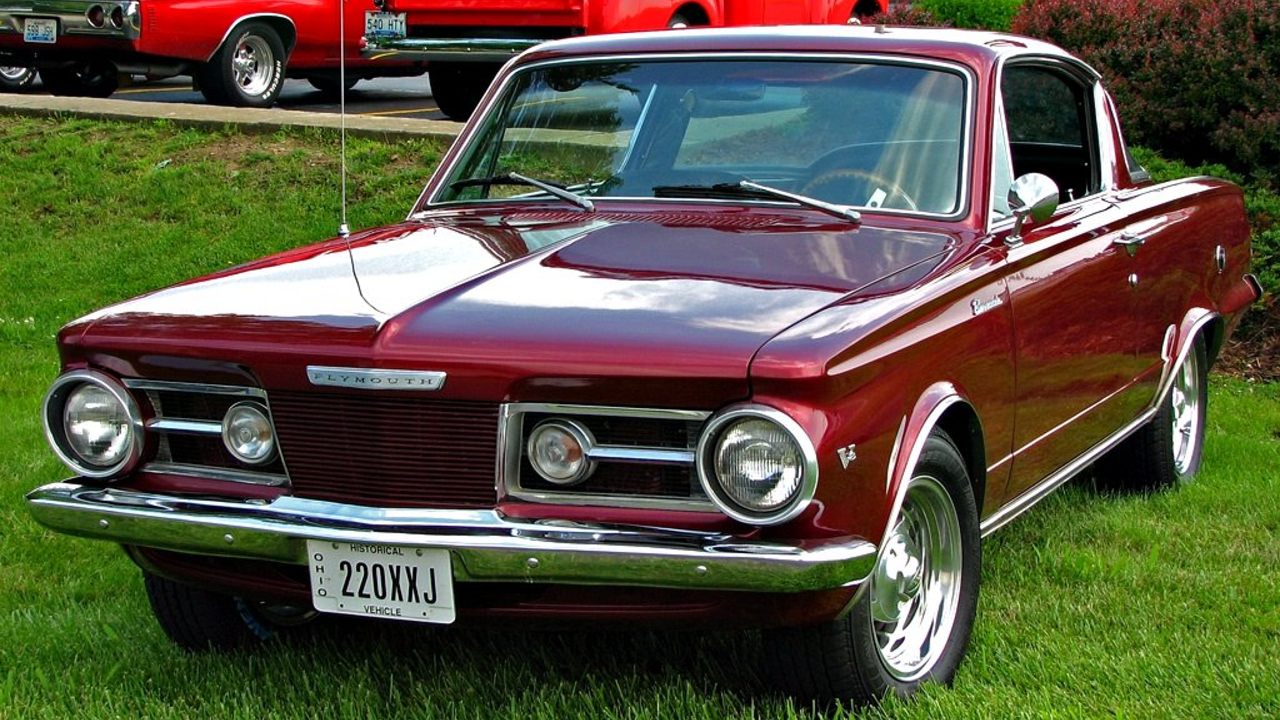
When Plymouth introduced the Barracuda on April 1, 1964, it technically became the first production pony car, edging out the Ford Mustang by a matter of weeks. The Barracuda was based on the compact Valiant and offered a sporty fastback body with a huge wraparound rear glass, a configuration that later commentators describe as the model’s greatest early distinction. Period and retrospective accounts agree that The First Barracuda beat the Ford Mustang to market and that this timing makes the car a “famous first” in pony car history.
Yet almost immediately, the Barracuda’s head start was overshadowed. Within weeks, Ford launched the Mustang with a massive promotional push that turned the new segment into a cultural event, while Plymouth’s car slipped into the background. Later analysis notes that the Barracuda’s introduction was “nearly lost” amid the Mustang hoopla, even though Plymouth and Chrysler had reached showrooms first. The Barracuda’s early arrival is undisputed, but the muted reaction compared with the Mustang’s explosive debut shows that buyers were not simply waiting for any sporty compact, they were waiting for a specific image that Plymouth had not fully anticipated, as detailed in accounts of how Plymouth beat Mustang to the gate.
A clever fastback built on a frugal Valiant
The Barracuda’s engineering brief reveals how Plymouth tried to improvise a sporty car quickly and cheaply, which shaped how buyers perceived it. The car was essentially a Plymouth Valiant from the cowl forward, sharing its basic structure, drivetrain, and much of its sheetmetal. Designers grafted on a distinctive fastback roof and that enormous rear window, creating a practical hatchlike cargo area that was unusual for an American compact at the time. Later descriptions emphasize that nobody was entirely happy with the Barracuda’s obvious resemblance to the workaday Valiant, but budget constraints at Chrysler left little choice, a point underscored in detailed histories of the Barracuda and Valiant.
From a product planning standpoint, this strategy made sense on paper. Plymouth could field a sporty model quickly, using proven mechanicals and minimizing investment, which is why some later observers describe the Barracuda as an ad hoc response by Chrysler to emerging youth-market trends. The car offered V8 power and a distinctive profile, and it represented Plymouth’s early entry into the pony car market, debuting just ahead of the Ford Mustang and earning a place in collector circles as an important first step. Auction descriptions of mid‑sixties examples stress that The Barracuda stands as Plymouth’s first real attempt at a sporty compact, but the shared Valiant bones limited how far it could go in capturing buyers’ imaginations.
Why the Mustang’s formula fit the moment better
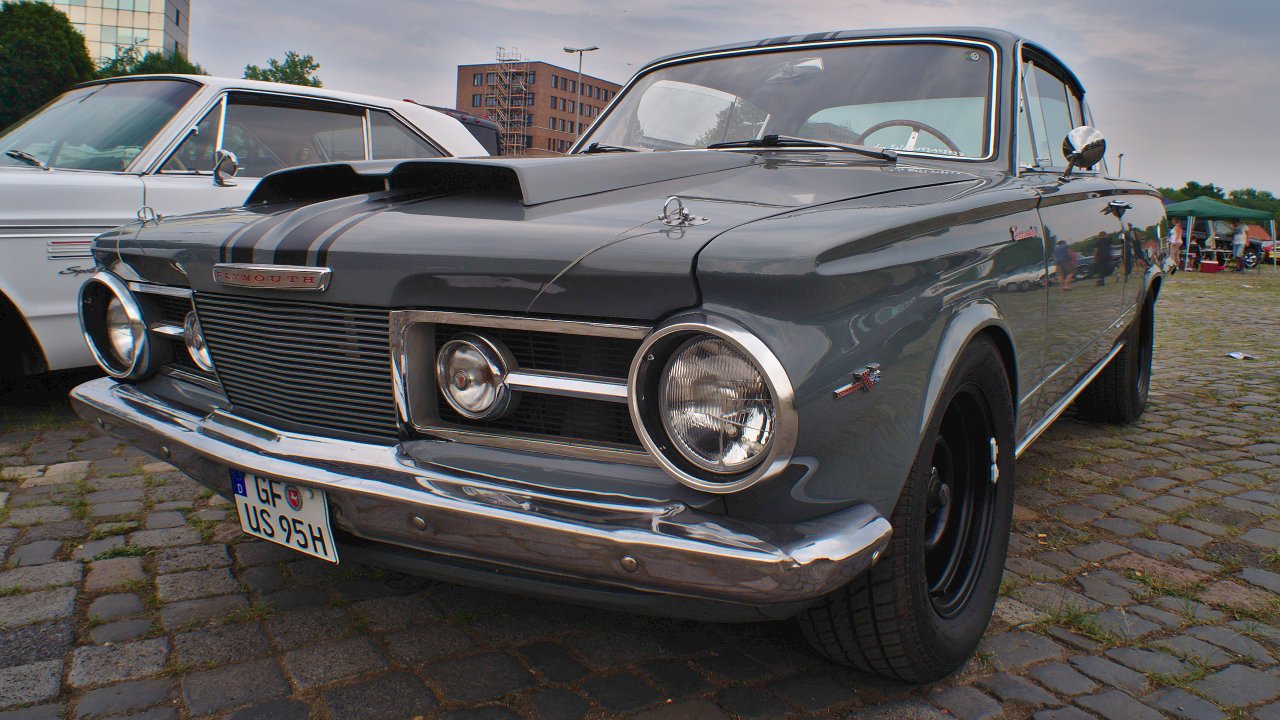
The contrast with the Mustang shows why the Barracuda’s early arrival did not translate into dominance. The Mustang was built on Falcon underpinnings, but Ford wrapped that hardware in all‑new sheetmetal and a carefully crafted image that screamed youth, freedom, and performance. By comparison, the Barracuda looked like a Valiant with a big glass hatch, a clever piece of packaging that lacked the emotional punch of Ford’s long‑hood, short‑deck styling. Commenters who later realized that the Barracuda came out a couple of weeks before the Mustang often note that The Mustang simply looked more like the car buyers had been dreaming about, a point that surfaces in reflections that thank enthusiasts for clarifying how the Barracuda and Mustang actually lined up in time.
Marketing magnified that styling gap. Ford turned the Mustang launch into a national event, saturating television, print, and showrooms with a clear message about what the car represented. Plymouth’s Barracuda, by contrast, arrived with far less fanfare, and its positioning as a sporty variant of an existing compact blurred its identity. Later retrospectives on the Barracuda’s debut note that, in theory, Plymouth had the advantage by getting to market first, but within a couple of weeks Ford upstaged Plymouth’s sleek fastback with a car that better matched the cultural moment. Analyses of the Barracuda’s April introduction consistently point out that timing alone could not overcome the Mustang’s stronger branding and more aspirational design.
Buyers wanted style and spectacle, not just a sporty compact
Looking back, it is clear that early pony car buyers were not simply seeking a compact with more power, they were buying into a lifestyle. The Barracuda delivered practical advantages, including that vast rear glass and fold‑down rear seat, but its utilitarian roots made it feel closer to a clever variant of a family car than a clean‑sheet sports coupe. Later enthusiasts describe the Barracuda’s greatest claim to fame as being the first production pony car, yet they also acknowledge that the car’s styling and marketing did not fully align with the emotional expectations that the Mustang would soon define. Analyses of Famous Firsts For The Plymouth Barracuda underline this tension between historical significance and contemporary appeal.
Contemporary gearhead retrospectives often frame the Barracuda’s launch as an interesting footnote to the Mustang story, not the main event. Enthusiast histories that mark how, on April 1, Plymouth released the Barracuda and technically beat the Ford Mustang to the market, tend to emphasize how little that mattered to buyers at the time. The phrase “nearly lost in all this hoopla” recurs in discussions of how the Mustang’s debut overwhelmed Plymouth’s effort, and it captures how the Barracuda’s practical virtues and early timing could not compete with the spectacle Ford created. Social media posts that revisit This Week in Gearhead History treat the Barracuda’s first‑to‑market status as a fun trivia point, which underscores how the car’s real‑time reception lagged behind its later historical importance.
How Chrysler spent years out of step with the pony car wave
The Barracuda’s early misalignment with buyer expectations foreshadowed a longer struggle for Chrysler in the pony car segment. Later analysis notes that after six years of being frustratingly out of step with buyer tastes in this market, the Chrysler Corporation was in a mood to rethink everything from horsepower to sheer size. That assessment reflects how the company’s early responses, starting with the 1964 Barracuda, never quite matched the evolving mix of style, performance, and image that defined the segment. Detailed histories of the model argue that the Barracuda’s Valiant roots, while cost effective, set a pattern of compromise that Chrysler spent much of the decade trying to overcome, as described in the second part of the Barracuda story.
By the time Chrysler fully recalibrated with later, more aggressive Barracuda and ’Cuda variants, the Mustang and other rivals had already cemented their reputations. The original 1964 car remained historically important but commercially overshadowed, a case study in how being first does not guarantee being right for the moment. In hindsight, the Barracuda arrived before buyers were ready for that specific blend of practicality and sportiness, and before Plymouth and Chrysler had fully grasped how much theater and distinct identity the pony car audience would demand. The car’s legacy today, preserved in enthusiast histories and collector listings, rests on that paradox: it was the pioneer that proved the concept, yet it took its competitors, and eventually Chrysler itself, to show what the segment could really become.
More from Fast Lane Only: