As the muscle car era began to lose steam, the 1971 Camaro found itself caught between rising regulations and buyers who still expected big power. Instead of a radical redesign, Chevrolet leaned on subtle engineering and packaging changes to keep its pony car relevant even as horsepower ratings slipped. I see that model year as a case study in how Detroit tried to stretch the performance story just a little longer while the rules of the game were already changing.
Horsepower was starting to fall on paper, but the 1971 Camaro did not simply surrender its performance identity. By adjusting compression, refining its engine lineup, and quietly improving drivability and comfort, the car adapted to a new regulatory and insurance landscape without abandoning the character that had made it a favorite just a year earlier.
From carryover styling to quiet recalibration
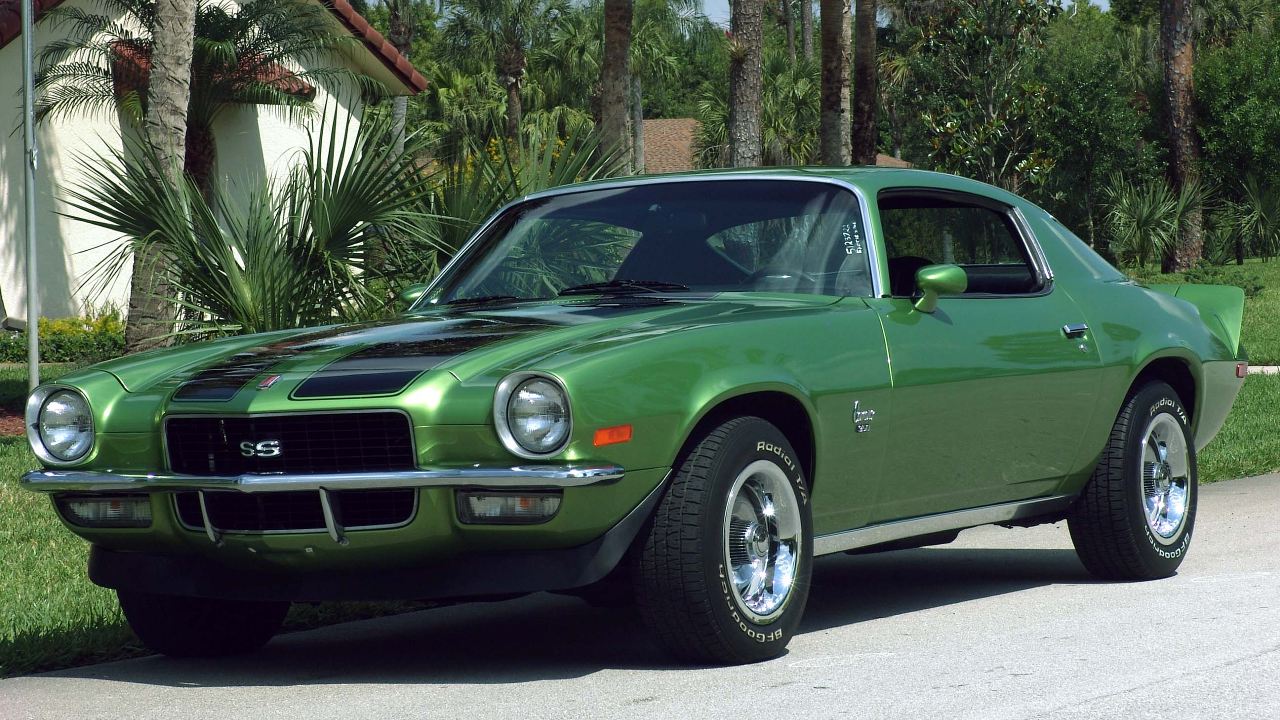
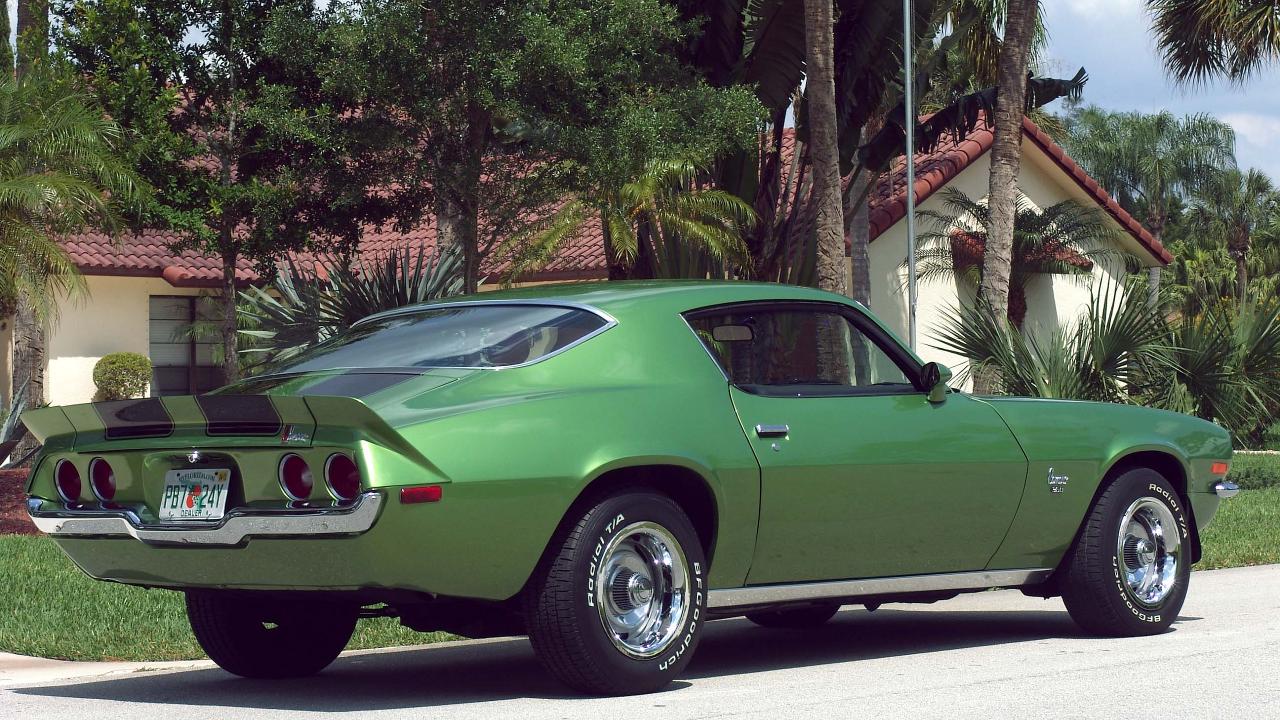
The most striking thing about the 1971 Camaro is how little it appears to change at first glance. The body that had debuted for 1970 carried over almost intact, signaling to buyers that the car they loved was still there even as the industry’s power figures began to soften. Contemporary data notes that the 1971 Camaro received only minor appearance tweaks, such as a revised grille insert, while the basic proportions and aggressive stance remained intact, a deliberate choice to project continuity while the mechanical story shifted underneath.
Inside, Chevrolet used the cabin to modernize the experience rather than chase headline power. The 1971 Camaro added new high-back Strato bucket seats with integrated headrests, a move that improved comfort and safety and subtly repositioned the car as more livable without sacrificing its sporty image. Those interior updates, combined with the largely unchanged exterior, show how the company tried to reassure enthusiasts that the Camaro was still a serious performance car even as it prepared them for a future with lower advertised horsepower.
Compression, regulations, and the shrinking numbers
The real drama for the 1971 Camaro played out under the hood, where compression ratios and emissions rules began to dictate the spec sheet. Corporate leadership, including President Ed Cole, was steering General Motors through a tightening web of Federal Regulations that targeted both emissions and fuel quality. One of the most immediate responses was a mandated drop in compression across key engines, a change that directly reduced peak output and signaled the beginning of the end for the original high-compression muscle formula.
That shift hit the Camaro’s performance engines hard. Reporting on the 1971 Camaro notes that GM Mandated Lower Compression Impacts Horsepower, and the Z28’s 350 cubic inch V-8 suffered a significant power reduction compared with the previous year. The same trend shows up in broader second-generation data, where the 350 ci LT1 that had been rated at 330 g gross horsepower and 275 net in 1971 would fall to 255 net for 1972, while a 300 g gross big-block rating also dropped. Those figures capture how quickly the numbers were sliding, not because the cars suddenly became weak, but because compression, emissions hardware, and new rating standards converged to pull the peak figures down.
Insurance pressure and the end of the first muscle era
Regulators were not the only force squeezing the Camaro’s power story. By 1971, the car insurance industry had turned aggressively against high-output models, treating big horsepower ratings as red flags for risk and pricing policies accordingly. Camaro Specifications from that year underscore how insurers helped bring an end to the original muscle car era, effectively punishing buyers for choosing the most powerful combinations and nudging them toward milder configurations.
That pressure coincided with a shift in how horsepower was measured and advertised. The 1971 Camaro sat at the transition point where both SAE NET and Gross HP figures were in play, and the move toward net ratings made the drop look even steeper to casual observers. When a car that had been touted with big gross numbers suddenly appeared with much lower net figures, it reinforced the perception that performance was collapsing, even when the real-world difference was less dramatic. The combination of stricter insurance underwriting and more conservative rating methods pushed Chevrolet to emphasize balance and drivability instead of raw output, a recalibration that defined how the 1971 Camaro was marketed and configured.
How the LT-1 and Z/28 package evolved
No part of the Camaro lineup illustrates this adaptation better than the Z/28 and its LT-1 engine. With the arrival of the second Generation Camaro in 1970, the Z/28 package had already been revised around a larger 350 cubic inch small-block, replacing the earlier high-revving 302. That engine, shared with the Corvette, used solid lifters, a 780 cfm Holley four-barrel carburetor, aluminum pistons, and an 11.0:1 compression ratio to deliver serious performance in the 1970 cars, as period examples like a Mulsanne Blue Chevrolet Camaro Z/28 demonstrate.
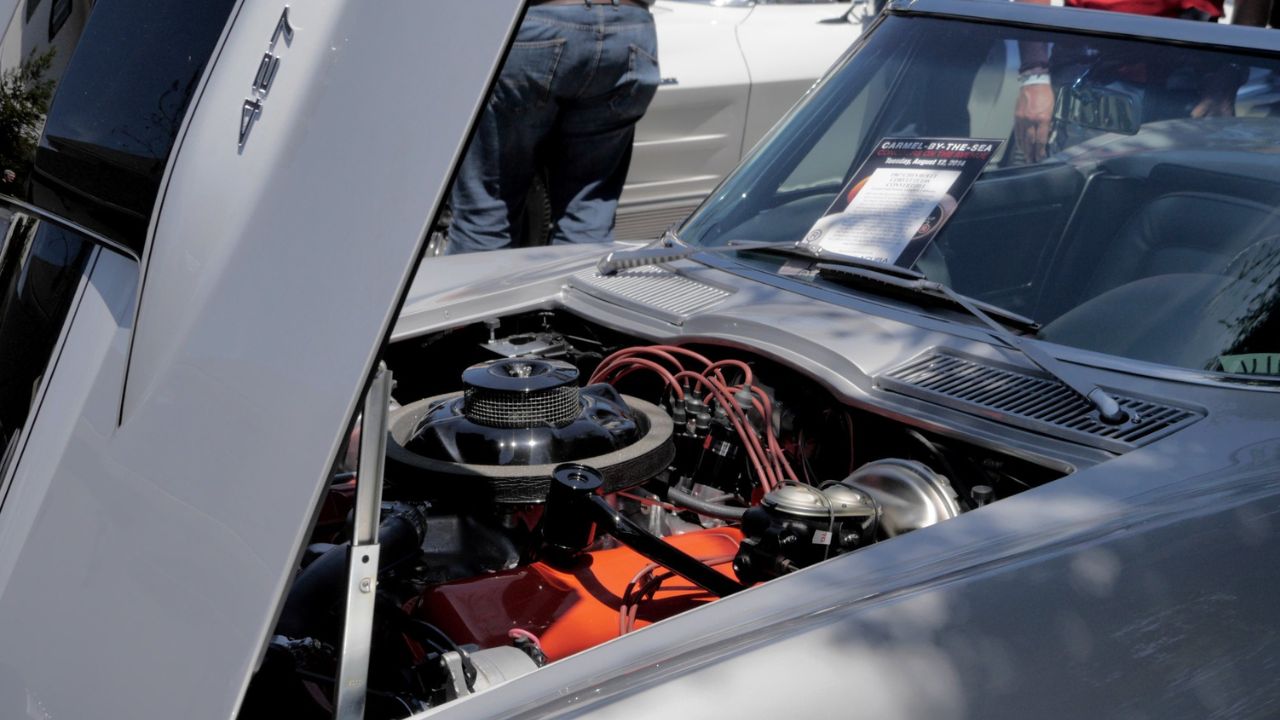
By 1971, the same basic LT-1 architecture had to live with lower compression and tighter emissions expectations. In the Camaro, the engine was still available only with the Z/28 package, but its character was being reshaped to fit the new environment. Documentation on the Chevrolet LT-1 notes that in 1971 the compression ratio was reduced and output was rated at 255 hp, a figure that reflected both the mechanical changes and the emerging net rating system. The LT-1’s limited-run ZR Corvette sibling, with only 53 examples built between 1970 and 1972, underscores how quickly the purest high-compression variants were becoming rare. In the Camaro, the Z/28 remained the enthusiast’s choice, but its numbers and marketing were already tuned to a world where outright horsepower bragging rights were no longer the only selling point.
Emissions hardware, evaporative controls, and everyday usability
Beyond compression and ratings, the 1971 Camaro had to incorporate new emissions technology that subtly reshaped how it behaved in daily use. Federal milestones show that New cars for that model year were required to meet evaporative emission standards for the first time, which brought charcoal canisters into the engine bay to trap gasoline vapors. That hardware did not add power, but it changed fuel system packaging and signaled a broader shift toward cleaner operation that would only intensify in the years that followed.
Those evaporative controls arrived alongside other tuning changes aimed at reducing tailpipe emissions, from revised ignition curves to leaner carburetor calibration. While enthusiasts often focus on the lost peak horsepower, these adjustments also made the Camaro more civilized in traffic and more compatible with the unleaded and lower-octane fuels that regulators were steering the market toward. The 1971 model therefore represents a pivot from raw, minimally filtered performance toward a more regulated, but still engaging, driving experience, one that tried to preserve the car’s identity while accepting that the era of unrestrained output was closing.
Model mix, trim strategy, and the illusion of choice
Chevrolet’s response to falling horsepower was not only mechanical, it was also strategic in how the Camaro lineup was structured. The 1971 Camaro fact sheets highlight a Model Lineup and Trim Levels strategy that gave buyers a range of appearances and equipment combinations, from base models to the Z28, even as the underlying engines were converging toward more modest outputs. By broadening the visual and comfort differences between trims, the company could maintain a sense of choice and excitement without relying solely on escalating power figures.
That approach helped the Camaro adapt to a market where some customers still wanted the look and feel of a performance car but were wary of insurance costs and fuel expenses. Packages that emphasized appearance, interior upgrades, or suspension tuning allowed Chevrolet to keep the showroom energy high even as the spec sheets grew more conservative. In that sense, the 1971 Camaro was less about chasing new peaks and more about preserving the performance image through smart packaging, careful messaging, and incremental engineering changes that kept the car viable in a rapidly changing regulatory and economic landscape.