The 1973 Pontiac Trans Am arrived at a moment when muscle cars were supposed to be dying, yet it ended up defining an attitude that outlived the horsepower wars that created it. By pairing race-bred engineering with a bold visual identity, the car turned a tightening regulatory era into a stage for one of Detroit’s most enduring icons. I see the 1973 model year as the point where the Trans Am stopped being just a fast Firebird and started becoming a cultural shorthand for rebellious American performance.
From racing badge to street legend
The Trans Am name began as a nod to road racing, but by the early 1970s Pontiac had turned it into a full-fledged performance sub-brand that promised both speed and style. The division used the car to build what one analysis calls Pontiac’s “Image With Power And Style,” positioning the Trans Am as the most aggressive expression of its Firebird line. That strategy meant the badge had to stand for more than cosmetic stripes, so engineers backed the name with serious hardware and a chassis tuned for real-world performance rather than just brochure numbers.
By 1973, that philosophy was under pressure from emissions rules and insurance crackdowns, yet Pontiac refused to let the Trans Am fade into a decal package. The car’s identity was sharpened instead, with the model marketed as a special machine that still carried the spirit of the Pontiac Superduty program even when most rivals were retreating. As one deep dive into the name points out, the Trans Am label told buyers that this was not just another Firebird, it was a statement that Pontiac still cared about enthusiasts at a time when the rest of Detroit was backing away from them.
Why the 1973 model mattered in a shrinking muscle era
The early 1970s were brutal for performance cars, with compression ratios dropping and big-block engines disappearing, yet the 1973 Pontiac Trans Am managed to feel like a serious machine. Even before the full Pontiac Superduty package reached showrooms, the car’s available 455 cubic inch engines and heavy-duty components signaled that Pontiac was not ready to surrender. A later spotlight on the 1973 Trans Am SD-455 framed the question bluntly, asking whether the gas crunch era could still produce a worthy Pontiac Superduty, and the answer from that coverage is that the engineering team treated the challenge as an opportunity to prove the car’s credibility.
That context is crucial to understanding why the 1973 model has such a strong reputation today. While other nameplates were being detuned into shadows of their former selves, the Trans Am kept its muscular stance, functional performance parts, and a clear link to Pontiac’s racing ambitions. The SD-455 program, even in limited numbers, showed that the company was willing to invest in a high-spec engine and supporting hardware when the market was moving in the opposite direction. That defiance helped cement the 1973 Trans Am as a bridge between the classic muscle era and the more constrained performance landscape that followed.
The Brewster green mystique and Hollywood exposure
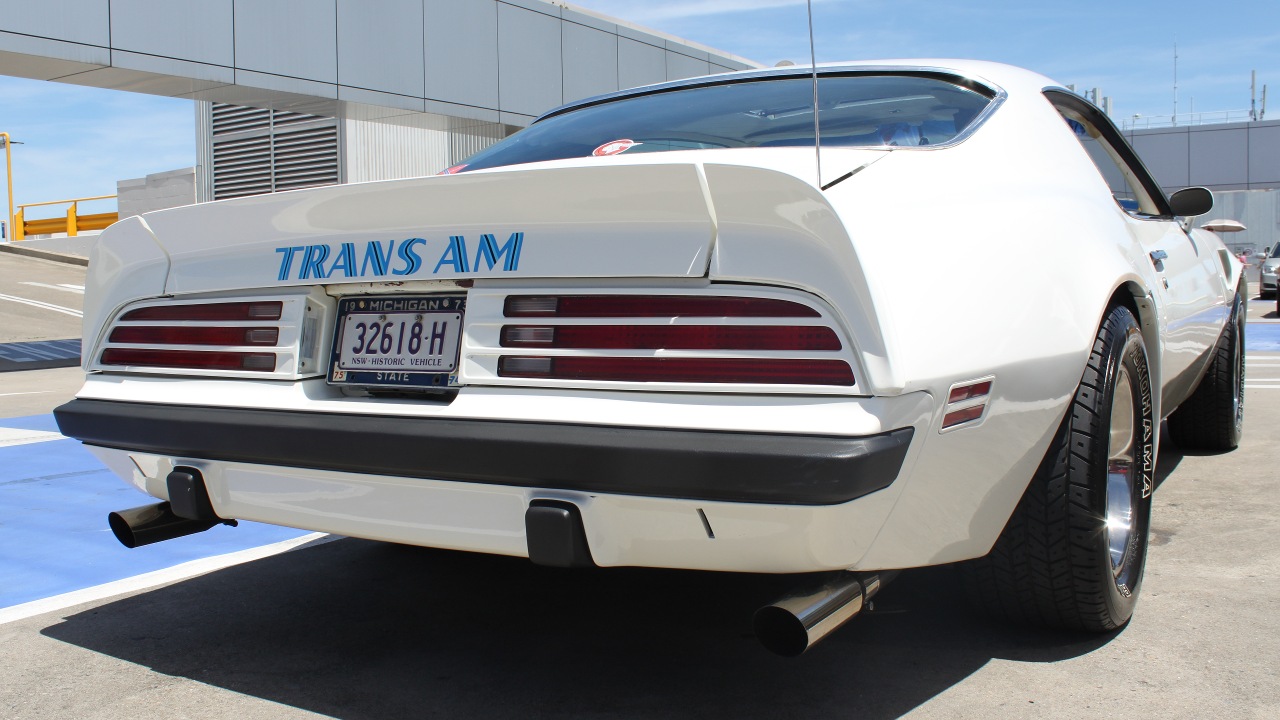
Color and presence matter in car culture, and few combinations are as instantly recognizable as a 73 Trans Am finished in Brewster green. Specialist restorers describe The Brewster green 73 Trans Am as one of the rarest and most recognized cars of that era, a status that comes from both its limited production and its striking, almost understated shade compared with louder 1970s palettes. The deep green paint, paired with the Trans Am’s aggressive nose and spoilers, gave the car a distinctive personality that enthusiasts still chase today.
That same style reached a wider audience through film, where a Brewster green Trans Am became a key on-screen partner for John Wayne. Coverage of the movie McQ notes that, for some viewers, the film is defined by the sight of Wayne, who also owned and drove Pontiacs in his personal life, piloting a Brewste r green 1973 Trans Am through high-speed chases. The Florida-based specialists who focus on these cars point out that the Brewster green 73 Trans Am is the same style car used in that production, which helped burn its image into the memories of moviegoers. By tying a rare color and a distinctive body style to a major Hollywood star, the 1973 Trans Am gained a layer of pop culture recognition that went far beyond dealership showrooms.
The “Screaming Chicken” and the rise of pop culture immortality
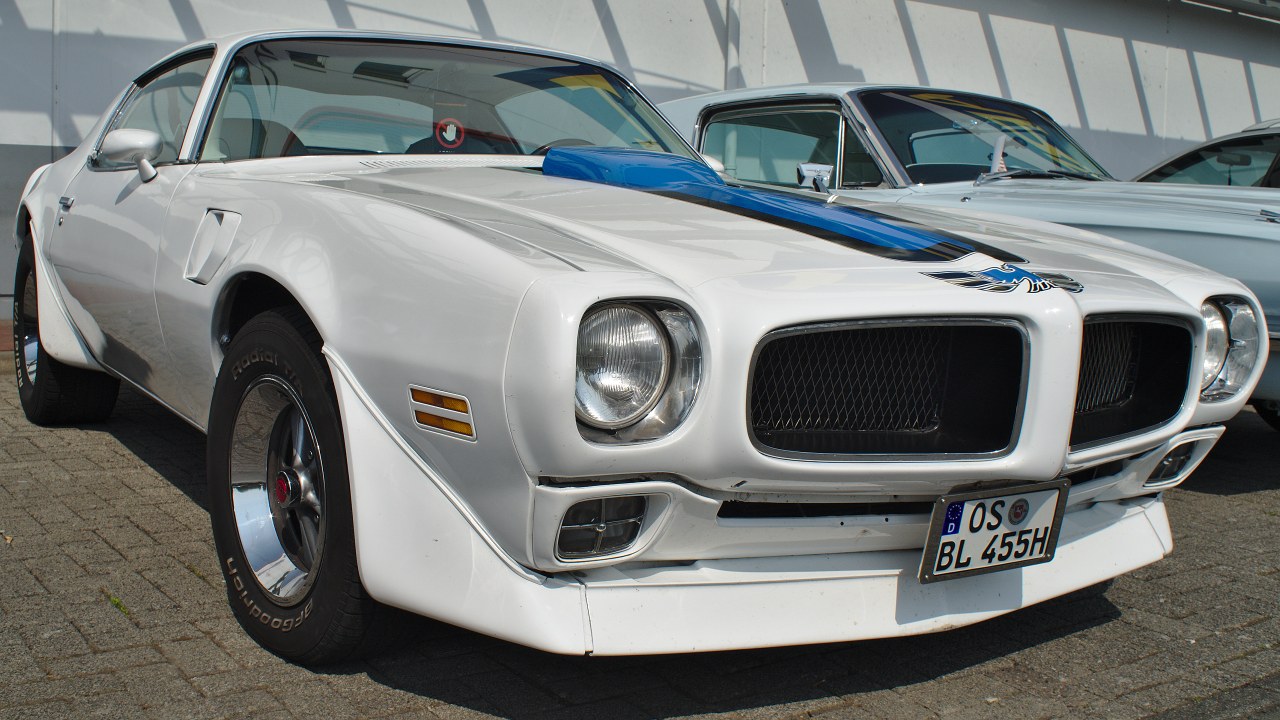
Visual branding turned the Trans Am from a fast car into a rolling symbol, and the 1973 model sat at the turning point of that transformation. Analyses of the nameplate’s evolution highlight how the large hood graphic, often nicknamed the “Screaming Chicken,” became central to Pontiac’s effort at Building Pontiac Image With Power And Style. Even when the bird decal was not yet as oversized as it would become later in the decade, the idea that a Trans Am should look as wild as it sounded was already taking hold. The car’s flared fenders, shaker scoop, and bold striping made it instantly identifiable, even in a crowded parking lot.
Hollywood only amplified that effect, with later films using the Trans Am as a visual shorthand for speed, defiance, and a certain kind of American cool. One retrospective notes that the 77 Special Edition Trans Am gained iconic notoriety from the large-screen hit Smokey and the Bandit, which in turn cast a nostalgic glow backward over earlier models like the 1973. When audiences saw the black and gold car sliding across the screen, they were also seeing the culmination of a design language and attitude that Pontiac had been refining since the early 1970s. The 1973 Trans Am, with its emerging graphic identity and muscular stance, laid the groundwork for that pop culture immortality by proving that a performance car could be as much about theater as it was about lap times.
Legacy among collectors and enthusiasts today
Among collectors, the 1973 Trans Am occupies a sweet spot between raw 1960s muscle and the more heavily stylized late 1970s cars. Enthusiast coverage of the SD-455 models treats them as high-water marks for Pontiac engineering, emphasizing how the Pontiac Superduty program delivered serious performance in a period when most manufacturers were retreating. That engineering pedigree, combined with the car’s role in keeping the Trans Am name relevant during a difficult market, has made well-preserved 1973 examples particularly desirable. The Brewster green cars, in particular, are singled out as some of the rarest and most recognized, which only adds to their appeal.
Pop culture has kept demand strong as well. The association with John Wayne’s Brewste r green 1973 Trans Am in McQ, along with the broader halo created by Smokey and the Bandit around the 77 Special Edition, means that the Trans Am is more than just a historical footnote in the muscle car story. I see the 1973 model as the pivot point where Pontiac’s strategy of Building Pontiac Image With Power And Style paid off, turning a single model year into a lasting cultural reference. Even in an era of electric performance and digital dashboards, the image of a 73 Trans Am, nose down and shaker scoop quivering, still signals a very specific idea of American speed and attitude that newer cars are only beginning to match.
More from Fast Lane Only: