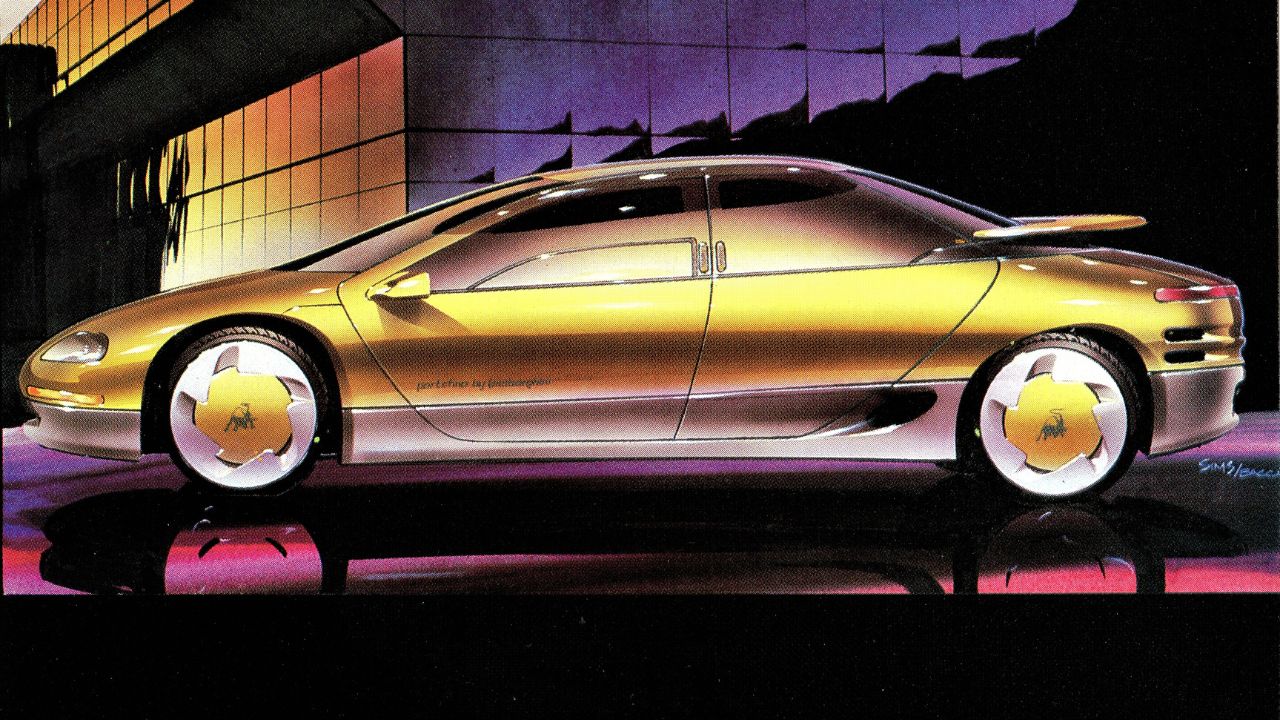
The 1987 Chrysler Portofino concept was a striking representation of automotive innovation, offering a glimpse into the future of car design. With its bold aesthetics and forward-thinking features, the Portofino set the stage for design trends that would resonate in the industry for decades.
Historical Context of the 1987 Chrysler Portofino
The automotive landscape of the 1980s was characterized by a blend of innovation and tradition. Car manufacturers were beginning to embrace more aerodynamic designs and modern materials, while still holding onto the classic styling cues that consumers had grown fond of. The decade marked a transition period where fuel efficiency became increasingly important due to the oil crises of the 1970s. This led to a growing appetite for smaller, more fuel-efficient vehicles, while the muscle car era was winding down. During this time, concept cars like the Chrysler Portofino played a crucial role in shaping manufacturer direction and public perception, acting as a canvas for the automakers’ visions of the future.
Behind the Portofino’s design were key figures like Chrysler’s then-Design Chief, Tom Gale, who was instrumental in pushing the boundaries of automotive style and engineering. Gale’s vision aimed to redefine Chrysler’s brand identity, steering it towards a more modern and innovative approach. The Portofino was not just a car; it was a statement of intent, showcasing Chrysler’s ambition to lead in both aesthetics and technology within the automotive industry.
Design Elements of the Portofino
The Portofino stood out with its unique design features, most notably its aerodynamic shape, which foreshadowed the sleeker designs that would dominate the 1990s and beyond. The concept’s low profile and sweeping curves were not only visually striking but also functional, enhancing its performance by reducing drag. The use of innovative materials, such as lightweight composites, was groundbreaking for the time, allowing for improved fuel efficiency without compromising structural integrity.
Color and texture played an essential role in the Portofino’s aesthetic appeal. The vibrant blue exterior, combined with contrasting chrome accents, gave the vehicle a contemporary edge that set it apart from the more subdued palettes of its contemporaries. Inside, the cabin featured a user-centric design that focused on comfort and technology. The integration of futuristic elements, such as digital displays and ergonomic seating, highlighted the potential for advanced user experiences in future vehicles. This concept car not only looked forward but also made a bold statement about what driving could feel like.
Technological Innovations Introduced
The Portofino was ahead of its time, showcasing advanced engineering concepts that would later become industry standards. One of its key features was its engine performance, which emphasized both power and efficiency. The use of turbocharged engines in concept cars paved the way for their eventual acceptance in production models, as consumers began to demand more power without sacrificing fuel economy. Additionally, the Portofino hinted at the industry’s shift towards electric and hybrid vehicles, as Chrysler began exploring alternative powertrains to align with evolving consumer and regulatory expectations.
Another standout feature was the introduction of interactive elements that anticipated the future of in-car technology. The Portofino included digital interfaces that allowed users to control various aspects of the vehicle through touch-sensitive panels, a concept that has since been realized in many modern vehicles. This early embrace of interactivity foreshadowed the rise of systems like Ford’s SYNC and Tesla’s infotainment interfaces, which prioritize connectivity and user engagement.
Impact on Future Chrysler Models
The design cues from the Portofino had a lasting impact on subsequent Chrysler models, influencing the aesthetic direction of vehicles like the Chrysler Concorde and the Dodge Intrepid in the 1990s. The bold lines and aerodynamic shapes seen in these models can be traced back to the Portofino’s innovative design language. This concept also played a significant role in the broader automotive market by encouraging other manufacturers to explore more dynamic designs and efficient engineering practices.
Moreover, the Portofino set the stage for the resurgence of retro-inspired designs that would gain popularity in the 2000s. Just as the Portofino took cues from classic European sports cars, models like the Chrysler 300 and Ford Mustang reintroduced nostalgic elements while incorporating modern technology and performance. This balance between the old and the new has become a hallmark of automotive design, showing that there is a fine line between innovation and tradition.
Reception and Legacy of the Portofino
Upon its unveiling, the Portofino received a warm reception from both the public and critics, who praised its bold design and forward-thinking features. It was showcased at major auto shows, where it captured the imagination of attendees and industry insiders alike. Compared to other contemporary concept cars, the Portofino stood out for its cohesive design and practical innovations, setting a benchmark for future concepts.
The lasting impact of the Portofino is evident in automotive design discussions today. It has been featured in various exhibitions and retrospectives, often cited as a key influence in the evolution of automotive aesthetics. As car design continues to evolve, the Portofino remains a touchstone for designers looking to blend form and function in exciting new ways.
Lessons Learned for Future Concept Cars
The design philosophy behind the Portofino offers several key takeaways that remain relevant for today’s automotive designers. First, the balance of aesthetics with functionality is crucial. While a visually appealing design can capture attention, it must also serve practical purposes, enhancing performance and user experience. This principle is echoed in modern concept cars such as the Lincoln Star SUV concept, which combines elegance with advanced technology.
Additionally, the importance of innovation cannot be overstated. The Portofino’s integration of technology was groundbreaking, and it serves as a reminder that concept cars should push the envelope, exploring new possibilities for in-car experiences. As automotive manufacturers look to the future, incorporating trends initiated by the Portofino, such as electric powertrains and digital interfaces, will be essential for staying relevant in a rapidly changing market.
As we look ahead, the legacy of the Chrysler Portofino continues to inspire automotive design. The lessons learned from this iconic concept car will undoubtedly shape the vehicles of tomorrow, ensuring that the balance of style, technology, and innovation remains at the forefront of automotive design. The future may be uncertain, but one thing is clear: the Portofino set a precedent that continues to resonate in the industry.
More from Fast Lane Only
- Unboxing the WWII Jeep in a Crate
- 15 rare Chevys collectors are quietly buying
- 10 underrated V8s still worth hunting down
- Police notice this before you even roll window down
*Research for this article included AI assistance, with all final content reviewed by human editors.