The 1963 Chevrolet Corvette split-window is an iconic design that has become a symbol of automotive excellence, but its creation was marked by intense internal conflict at General Motors. This exploration delves into the behind-the-scenes battles that influenced its unique features and lasting legacy.
Background of the Corvette Design Evolution
The Chevrolet Corvette made its debut in 1953 as America’s first sports car, capturing the imagination of automotive enthusiasts with its fiberglass body and sleek lines. The initial models, however, were more akin to grand tourers than the performance-driven machines that would define the Corvette’s legacy. By the early 1960s, the Corvette was in need of a transformation—a shift that would not only enhance its performance but also redefine its aesthetic appeal. Enter the Sting Ray, a design that would set the tone for generations of Corvettes to come.
Bill Mitchell, the head of GM’s design division, played a pivotal role in this transformation. Inspired by his love of racing and European sports cars, Mitchell envisioned a vehicle that combined cutting-edge technology with an aggressive, streamlined design. The Sting Ray was not just about looks; it represented a philosophy of performance that would resonate with consumers eager for speed and style. This vision would culminate in the 1963 model, which introduced features that would become synonymous with the Corvette brand.
Controversial Design Choices
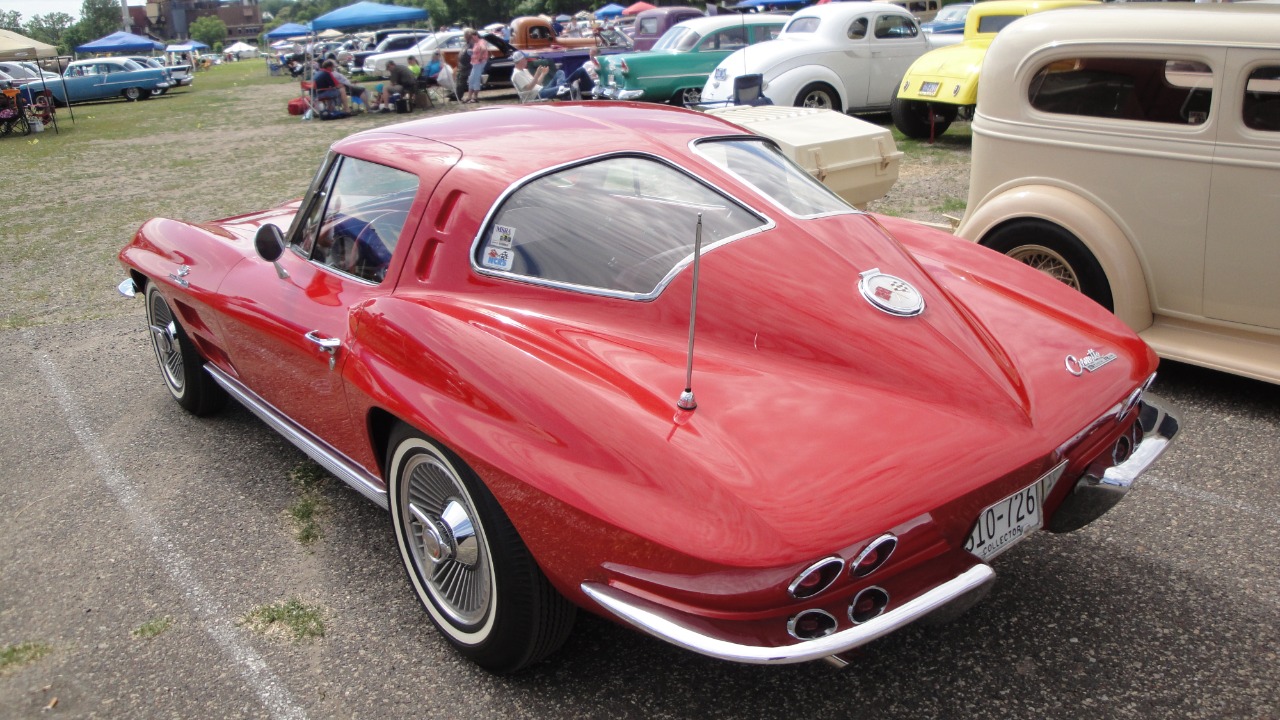
One of the most contentious design elements of the 1963 Corvette was the split-window feature. At first glance, it appeared to be a bold aesthetic choice, but it was met with mixed reactions from both GM executives and the public. While some praised its distinctive look, others raised concerns about practicality, particularly regarding rear visibility. The split-window design created a unique silhouette but significantly impacted the driver’s ability to see directly behind the vehicle, raising questions about safety and functionality.
The debate over aesthetics versus practicality highlighted a larger issue within GM’s design philosophy. While Mitchell and his team prioritized a striking visual identity, engineers were more focused on performance metrics and driver usability. The internal discussions often revolved around whether the split-window was a design triumph or a flaw, a question that would linger long after the model’s release. Other design elements were also in contention—shifts in body shape, interior features, and even the color palette were hotly debated during development, showcasing the tension between creative ambition and engineering constraints.
Internal Conflicts at General Motors
The clash between the design team led by Bill Mitchell and the engineering departments at GM was emblematic of a struggle between vision and practicality. Mitchell’s insistence on a daring design often put him at odds with engineers concerned about the implications of such choices on performance and safety. Insiders from GM recall heated meetings where designers would passionately defend their artistic vision, while engineers would counter with data-driven insights about visibility and performance issues.
These conflicts were fueled by differing philosophies on what the Corvette should represent. While Mitchell envisioned a car that pushed boundaries and captured the imagination, others felt that adherence to traditional automotive principles should take precedence. This ongoing battle ultimately shaped the Corvette’s identity, forcing a reconciliation between bold design choices and the practical requirements of a high-performance sports car. The outcome of these internal conflicts would not only define the 1963 Corvette but also set a precedent for future models.
The Role of Market Competition
The early 1960s marked a significant turning point in the automotive landscape, with increasing competition from European sports cars like the Jaguar E-Type and the Porsche 911. These vehicles brought a new level of sophistication and performance that challenged American manufacturers to rethink their approaches. The Corvette’s design decisions during this era were heavily influenced by the need to compete in a rapidly evolving market, where consumer expectations for both performance and aesthetics were at an all-time high.
The split-window design was a direct response to the growing popularity of sleek, aerodynamic vehicles. Consumers were not just looking for raw power; they also sought style and innovation. The Corvette needed to embody both to maintain its status as America’s sports car. Consequently, the unique split-window feature became a hallmark of the 1963 model, drawing attention and sparking conversations about design innovation. The decision to implement such a distinctive aesthetic was a gamble, but one that ultimately paid off as it helped the Corvette stand out in a crowded market.
The Legacy of the Split-Window Design
Over time, public opinion regarding the split-window design shifted significantly. Initially viewed as a controversial decision, it gradually became one of the most cherished features of the 1963 Corvette. Enthusiasts began to appreciate the unique styling and the boldness of the design, leading to a growing recognition of its historical significance. The split-window model is now considered a classic, with its distinctive look celebrated in automotive circles worldwide.
The impact of the 1963 Corvette extended beyond its production year. It influenced subsequent models, establishing a design language that would define the Corvette brand for decades. The lessons learned from the internal conflicts at GM became part of the broader narrative of automotive design, serving as a reminder of the delicate balance between creativity and functionality. Today, collectors and enthusiasts alike value the split-window Corvette not only for its performance but also for its role in shaping automotive history. With current market values for well-maintained models often reaching six figures, the split-window Corvette remains a sought-after addition to any classic car collection. For more insights into its value and desirability, you can read about the upcoming auctions such as those featured on Mecum Auctions.
Lessons from the Internal GM Fight
The internal struggles at General Motors during the development of the 1963 Corvette serve as a case study in the complexities of design and innovation within the automotive industry. They demonstrate the importance of balancing creative vision with practical considerations. In a world where consumer tastes and technology are rapidly changing, the lessons from the Corvette’s tumultuous history remain relevant today. The challenge of reconciling artistic ambition with engineering reality continues to be a critical aspect of automotive design.
Ultimately, the story of the 1963 Corvette is one of resilience and evolution. The split-window design, once a point of contention, has become a symbol of a transformative era in automotive history. The ongoing dialogue between designers and engineers is essential for fostering innovation and pushing the boundaries of what is possible in car design. As we look to the future, the legacy of the Corvette reminds us of the power of creativity, collaboration, and the willingness to take risks in the pursuit of excellence.
More from Fast Lane Only
- Unboxing the WWII Jeep in a Crate
- 15 rare Chevys collectors are quietly buying
- 10 underrated V8s still worth hunting down
- Police notice this before you even roll window down
*Research for this article included AI assistance, with all final content reviewed by human editors.