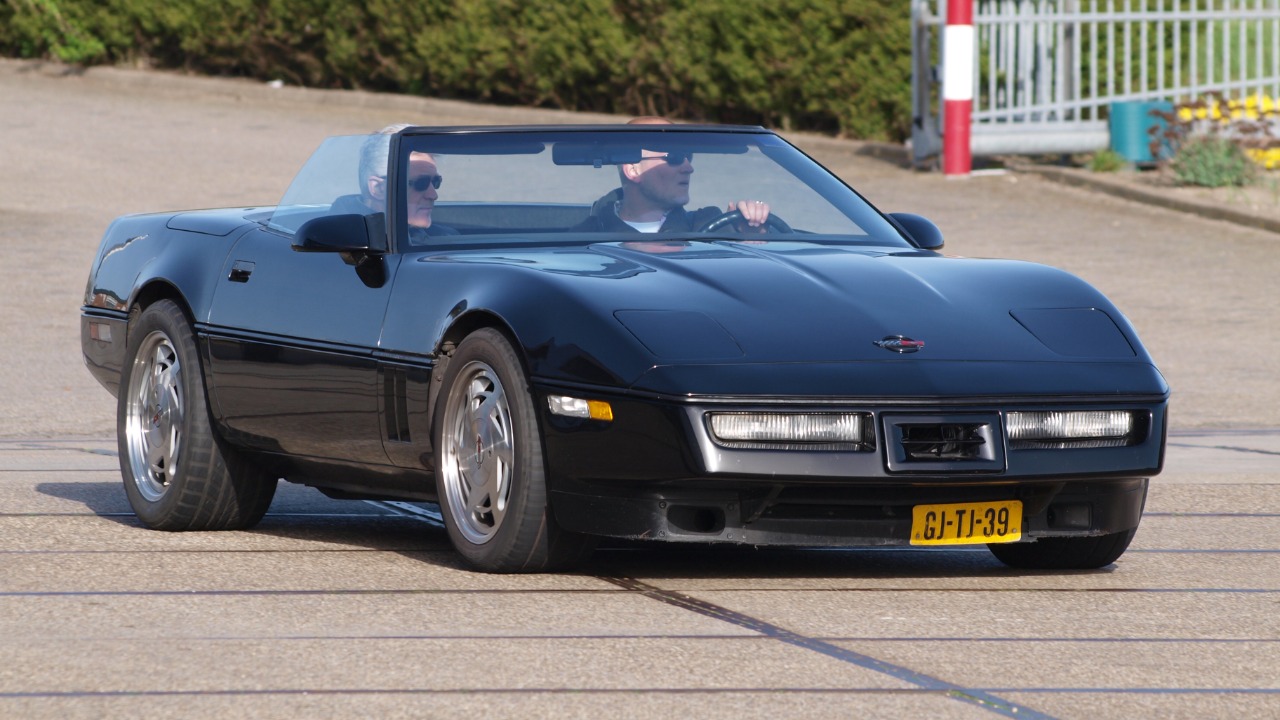
The late eighties were supposed to be the age of compromise for performance cars, squeezed by fuel prices and emissions rules, yet the 1987 Corvette quietly proved that electronic fuel injection could be both clean and genuinely quick. By refining its Tuned Port Injection hardware and pairing it with smarter engine internals, Chevrolet turned a once‑controversial technology into something owners could trust every day. I see that year as the moment the C4 stopped apologizing for computers and started using them to build real confidence at the pedal.
From Cross-Fire skepticism to Tuned Port faith
When the C4 arrived, it carried over a 350-cubic-inch V8 with Cross Fire fuel injection, a system that promised modern efficiency but left many drivers cold with its finicky manners and modest output. That early setup made the new chassis feel like it was dragging old baggage, even as the car itself represented a leap forward in structure and handling compared with the curvaceous C3 it replaced, a contrast that period coverage captured by noting how the fresh platform performed far better than the outgoing generation Even. That mismatch between advanced chassis and tentative fuel delivery set the stage for Tuned Port Injection to either redeem the concept or confirm every carburetor loyalist’s doubts.
GM’s answer was to retire the twin throttle body layout and bring in Tuned Port Injection, which enthusiasts quickly shortened to TPI, as the new face of electronic fueling on the Corvette. The change meant the 350-cubic-inch small block finally got a system designed around long intake runners and precise metering instead of the compromised Cross Fire arrangement, a shift that helped the 1985 and later cars feel like the technology had finally caught up with the promise of the platform Cross. By the time the 1987 model year rolled around, the basic idea of TPI was no longer new, but the car still needed a breakthrough year to convince skeptical drivers that this was not just a stopgap between carburetors and something better.
Why 1987 was the turning point for Tuned Port Injection
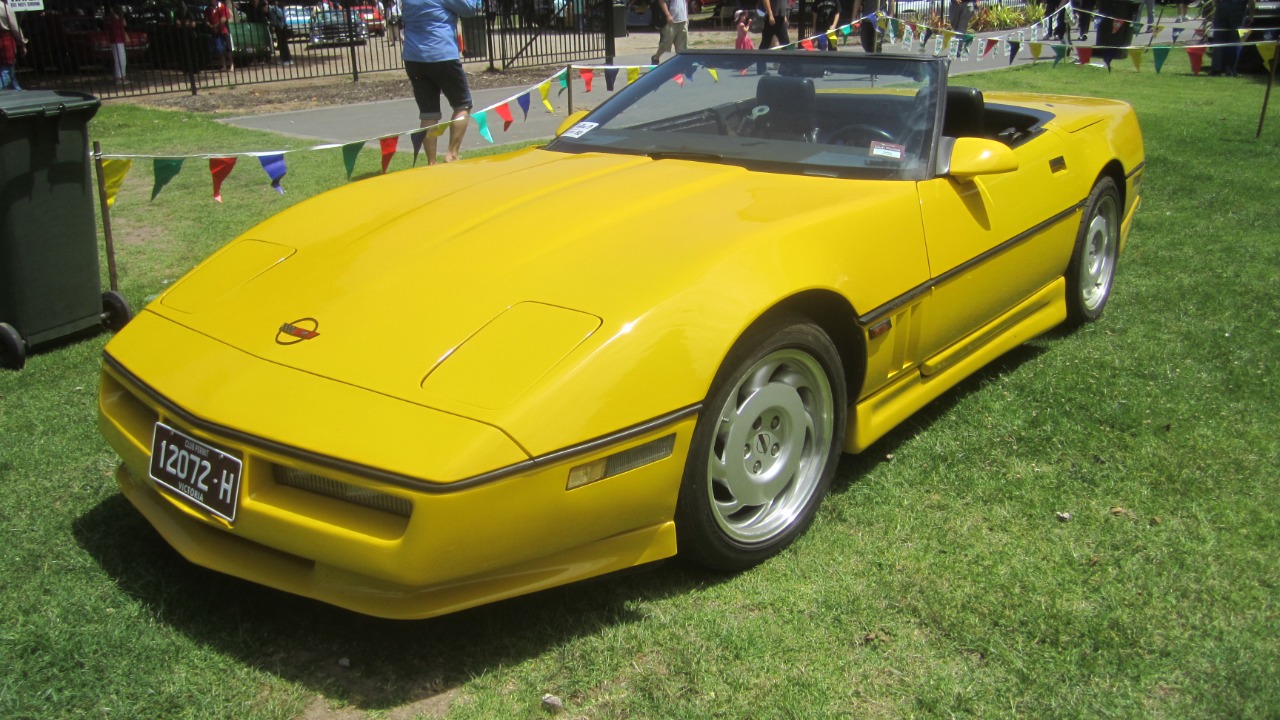
What made 1987 special was not a single headline change but a cluster of refinements that made the Corvette feel cohesive in a way earlier C4s did not. Under the hood sat a 5.7 Liter V8 that combined electronic fuel delivery with updated internals, and factory literature framed the whole package with a telling line: “Fortunately, fuel crises and emissions controls constitute not the end of performance, but challenges to be met,” a statement that summed up how the car turned regulatory pressure into an engineering problem to solve rather than an excuse to give up on speed Fortunately. That attitude mattered, because it signaled to buyers that the computers and sensors were there to protect performance, not strangle it.
Inside the small block, the 1987 Corvette adopted roller valve lifters, a change that reduced friction and let the engine rev more freely while still working in harmony with the fuel injection. Contemporary technical analysis pointed out that Reduction in internal engine friction is one of the key benefits of Hydraulic roller lifters, and that this design can deliver gains from both a durability and performance standpoint, exactly the kind of quiet improvement that makes a car feel stronger without any extra drama Reduction. When owners felt the smoother pull and cleaner idle that came from this pairing of hardware and software, it was easier to trust that Tuned Port Injection was not a fragile experiment but a mature system ready for real‑world use.
Airflow, sensors, and the rise of smart control
Behind the scenes, the 1987 Corvette’s confidence trick depended heavily on how well it could measure and manage airflow. The car relied on a Bosch Mass Air Flow Sensor to track how much air the engine was inhaling, and guidance for diagnosing these units explained that MAF Sensors measure the air coming into the engine in grams per second, with a healthy system showing about 8 grams per second at idle, a level of precision that would have been unthinkable in the carburetor era MAF. That kind of measurement gave the control module the data it needed to adjust fueling on the fly, which in turn made the car feel consistent whether it was idling in traffic or pulling hard onto a highway on‑ramp.
The logic behind this approach echoed a broader engineering trend that treated airflow as the key to modern power density. Technical histories of engine development describe how Major airflow improvements were the focus for power gains, with designers using better port shapes and breathing strategies to challenge older Modular designs and extract more from a given displacement without sacrificing reliability Major. In the Corvette’s case, Tuned Port Injection and its carefully sized runners turned that philosophy into something you could feel in the midrange, where the car’s surge of torque made it clear that the sensors and software were working with the hardware instead of fighting it.
Electronics that felt transparent to the driver
For drivers to really buy into electronic fuel injection, the control systems had to fade into the background and simply make the car feel intuitive. The 1987 Corvette’s engine controller played the same role that The PCM does in later vehicles, constantly adjusting ignition advance so that an engine can operate on 87 octane fuel without any pinging, a level of adaptability that lets owners stop worrying about every tank of gas and just drive The PCM. That sense of invisible guardianship is a big part of why Tuned Port Injection started to feel trustworthy rather than intrusive.
At the same time, the Corvette’s electronics were part of a wider shift toward smarter engine management across performance cars. Technical advice for swapping late‑eighties Ford hardware, for example, makes it clear that You will obviously need the 5.0L ECM from the donor car, and notes that Mustangs from 1989 on used a manifold absolute pressure Sensor instead of earlier strategies, a reminder that both GM and Ford were racing to refine how their controllers interpreted the world You. In that context, the Corvette’s Tuned Port Injection did not feel like an isolated experiment but part of a broader movement toward engines that could think for themselves while still delivering the kind of throttle response enthusiasts expected.
How 1987’s Corvette reshaped performance expectations
By 1987, Tuned Port Injection had already been on the scene for a couple of years, and even enthusiasts joking about earlier systems would admit that, Okay, Tuned Port Injection made its big debut for 1985 and quickly became the new baseline for GM performance Okay. What the 1987 Corvette did was prove that this technology could evolve fast enough to keep pace with rising expectations, especially once the roller lifters, refined calibration, and improved airflow all came together in a package that felt more polished than its predecessors. That evolution mirrored changes in the broader small block family, where Aluminum cylinder heads and revised blocks for the Corvette signaled a willingness to rethink even long‑standing components in the name of better breathing and control Aluminum.
Other performance icons were making similar moves, which only highlighted how far the Corvette had come. Coverage of 5.0L 1987 Mustangs, for instance, emphasized that Both cars in a comparison shared a 5.0L H.O. engine with tuned runner sequential port injection and a larger 62mm throttle body, proof that Ford was also betting on sophisticated fuel delivery to keep its pony car relevant Both. In that competitive landscape, the Corvette’s 1987 setup did more than hold its own, it helped normalize the idea that serious performance cars would be fuel injected, computer controlled, and still deeply engaging to drive.
From carburetor nostalgia to digital confidence
For drivers raised on jets and accelerator pumps, trusting a black box under the dash was never going to be automatic, and I still hear that tension whenever someone reminisces about the simplicity of a well‑tuned carb. Companies that continue to build those systems lean into that feeling, promising Rideable Power that delivers instant throttle response without worrying about tuning, jetting, or failure points, a pitch that speaks directly to people who want mechanical transparency above all else Rideable Power. The 1987 Corvette did not erase that nostalgia, but it showed that a well‑executed injection system could deliver the same kind of immediate response while adding reliability and adaptability that old hardware simply could not match.
That shift in mindset is what I think of when I read modern discussions of Driver Confidence in the context of ECU tuning, where a more predictable and responsive vehicle lets a driver push harder, knowing the car will respond exactly as needed Driver Confidence. Long before today’s track maps and live data logs, the 1987 Corvette’s Tuned Port Injection, refined airflow, and smarter internals quietly laid the groundwork for that trust, turning a once‑suspect technology into something owners could lean on every time they twisted the key.
The legacy under the hood
Looking back, it is easy to forget how radical it felt to let a computer manage the heart of a sports car, especially one as iconic as the Corvette. Yet by 1987, the combination of Tuned Port Injection, roller lifters, and careful calibration had turned the C4 into a car that not only met emissions and fuel economy demands but also delivered the kind of midrange shove and drivability that made enthusiasts smile, a balance that factory descriptions of the 5.7 Liter package captured with their emphasis on meeting those challenges head on Other. That success did not happen in a vacuum, it built on earlier steps like the introduction of Tuned Port Injection to Corvettes and Camaros in the mid‑eighties, when Jun era reports noted that Corvettes and Camaros initially paired the system with iron small block heads before later revisions refined the package Jun.
By the time that evolution reached the 1987 Corvette, the story had shifted from “will this work” to “how far can we take it,” and that change in tone is what still resonates with me today. The car proved that electronic fuel injection could be more than a regulatory necessity, it could be a source of confidence, a partner that made the most of every cubic inch and every drop of fuel, just as early C4 coverage framed the platform as a technical wonder that finally lived up to its potential once the fueling caught up Tuned Port Injection. In that sense, the 1987 model did more than introduce a better intake, it taught a generation of drivers to trust the idea that silicon and software could sit at the center of a great American V8.
More from Fast Lane Only: