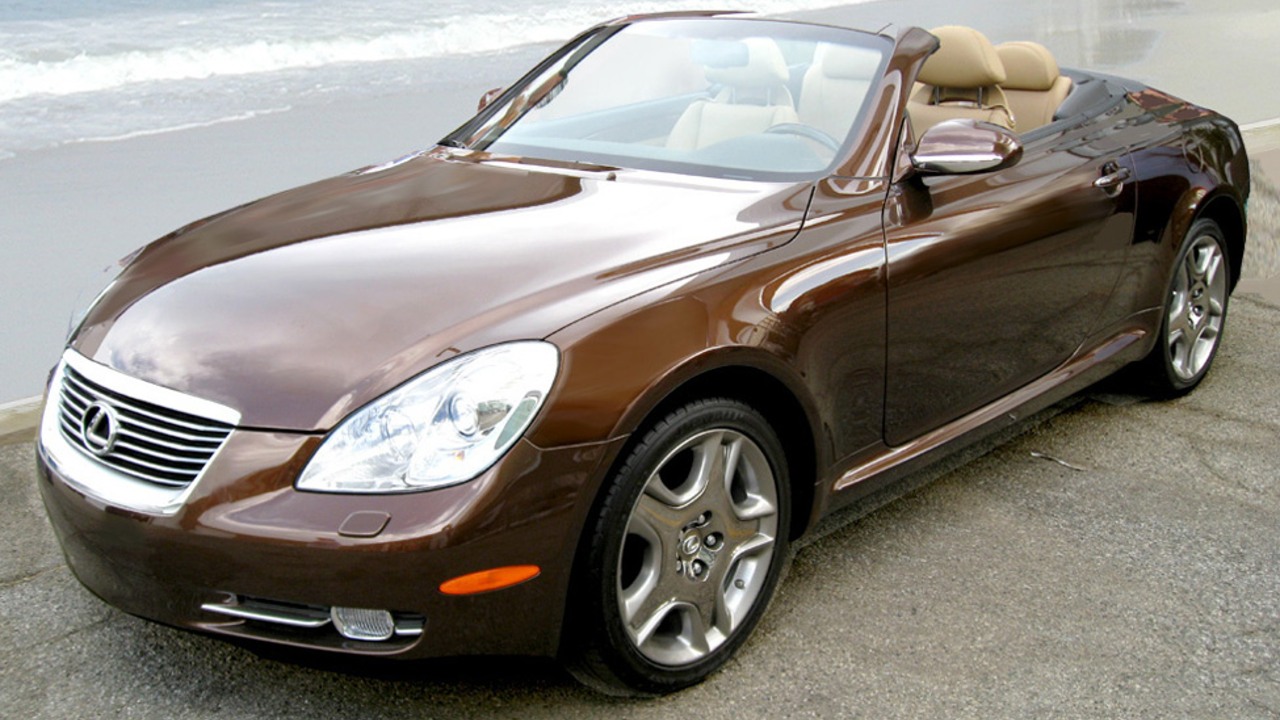
The 1992 Lexus SC400 arrived at a moment when performance cars were loud, angular, and eager to shout about their speed. Instead of joining that chorus, Lexus built a coupe that could run with contemporary V8 grand tourers while keeping its voice down, wrapping serious pace in a hushed, almost understated package. I see that balance of power and quiet as the SC400’s real legacy, and it is one that still shapes how luxury performance is engineered today.
From Japan’s luxury gamble to a silent coupe statement
The SC400 did not appear out of nowhere, it was the second act in a strategy that began with the Lexus LS and its obsessive focus on refinement. Development of the LS hinged on a V8 drivetrain that one account describes as a masterpiece, with engineers so confident in its smoothness that a glass of water could sit on the hood at speed and the glasses would remain standing. That same culture of overengineering fed directly into the SC project, which took the proven V8 formula and repackaged it for drivers who wanted something more emotional than a sedan but no less serene.
Owners still describe early Lexus products from that era as part of a time when Japan ruled the world in terms of build quality and engineering thoroughness. Consumer reviews of the 1992 Lexus SC 400 frame the car as a no holds barred attack on the industry, with development and engine work that felt far beyond what rivals were offering. That context matters, because the SC400’s quiet performance was not a side effect, it was the point, a way for Japan to show it could deliver speed without sacrificing the calm, almost isolationist character that defined the brand.
Aerodynamic sculpture that cut wind noise
Silence at speed starts with the body, and the SC400’s shape was as radical as its mission. But the SC shape, all curves and no flat planes, was a novelty in the early 1990s, the product of Calty Design Research in Calif working closely with engineers to ensure the mechanical package would fit beneath its desired hoodline. That flowing form was not just a styling exercise, it helped the coupe slip through the air with less turbulence around the A pillars and mirrors, which in turn reduced the wind roar that typically dominates a cabin at highway speeds.
Design histories note that the Lexus SC curvaceous shape posed significant production challenges for Toyota, which had to adapt stamping and assembly processes to handle the compound curves and tight panel gaps. The payoff was a body that looked like it had been carved by the wind and behaved that way too, with a drag coefficient that undercut many contemporary coupes and even some sedans. By smoothing airflow and tightening tolerances, Toyota limited the paths for noise to enter the cabin, reinforcing the sense that the SC400 was gliding rather than punching through the air.

The 1UZ-FE V8: power without drama
Under the hood, the SC400 relied on a powerplant that had already proven it could deliver thrust without theatrics. Their Toyota engineers weapon of choice was the 1UZ-FE, a 4.0 liter, 32-valve DOHC V8 that first powered the Lexus LS and quickly earned a reputation for durability and smoothness. In the coupe, the Engine 4.0 liters, 32-valves, double overhead cam V8 developing 250 horsepower gave the car genuine high speed capability, yet the character of the engine was more turbine than muscle car, with a muted exhaust note and minimal vibration.
Technical breakdowns of the 1UZ-FE emphasize its overbuilt internals, including a strong bottom end and careful balancing that let it spin freely without harshness. That engineering focus on refinement meant the SC400 could surge forward on a wave of torque with little more than a distant growl, a stark contrast to the louder, coarser V8s in some European and American rivals. When I look at period road tests and owner impressions, what stands out is how often they mention the absence of drama, the way the car simply gathered speed, which is exactly what quiet performance is supposed to feel like.
Cabin calm and the art of isolation
Quiet performance is not only about the engine note, it is about how the entire car filters the outside world. The Lexus SC interior was often described as plain Jane, with a simple dashboard and unfussy controls that prioritized function over flash. That restraint extended to material choices and assembly quality, with tight seals, thick glass, and generous insulation that kept wind and road noise at bay. The result was a cabin where the loudest sound at a cruise was often the audio system, not the tires or the drivetrain.
Modern descriptions of how Lexus creates a whisper quiet cabin in current models highlight a philosophy that was already visible in the SC400. By eliminating noise, Lexus anticipates your desire for peace even before you consciously register the absence of sound, and that mindset clearly traces back to the early 1990s coupes and sedans. When I compare that approach to the SC400’s reputation for comfort and simplicity, it is clear that the car served as a bridge between the original LS sedan’s isolation and the more expressive, driver focused models that followed, proving that a luxury coupe could be engaging without ever feeling loud or frantic.
Driving character, modifications, and a lasting template
On the road, the SC400’s character leaned more toward grand touring than track attack, which suited its quiet ethos. Reviewers at the time called The Lexus SC400 a strikingly comfortable and simple vehicle to drive, noting its short dash overhang and easygoing demeanor in traffic. The steering and suspension tuning favored stability and composure over razor sharp responses, so the car felt planted at speed and unruffled by rough pavement. That calmness, combined with the subdued V8, made long distances feel shorter, a hallmark of true high speed refinement.
Enthusiasts eventually discovered that the SC400’s underlying hardware could handle more aggression, and some owners began chasing extra sound and power through modifications. Forum posts from the mid 2000s describe Exhaust mods, Replacing the heavy oval stock mufflers with light weight and super high flowing straight through units to free up a bit more volume and responsiveness. Those changes underline how deliberately quiet the factory setup was, because it took significant hardware swaps to coax a louder voice from the car. Even then, many owners chose to keep their cars close to stock, valuing the original balance of speed and serenity that had drawn them to the coupe in the first place.
Today, early examples of the SC400 are gaining recognition as modern classics, with some listings highlighting Serial number significance to mark cars from the first production year of the Lexus grand touring coupe. That growing appreciation reflects more than nostalgia, it acknowledges how the SC’s styling forever changed luxury automotive aesthetics and how its mechanical refinement set expectations for what a performance oriented Lexus should feel like. When I look at current Lexus models that blend strong acceleration with hushed cabins, I see a direct line back to the 1992 SC400, the car that proved quiet could be the most compelling form of performance.
More from Fast Lane Only: