The 1986 Ford Taurus did not just replace an aging sedan in Ford showrooms, it reset expectations for what a mainstream family car could be. With its rounded styling, front wheel drive layout, and human centered interior, the Taurus turned a conservative segment into a test bed for design and engineering ideas that rivals were forced to chase for years.
When I look back at that first generation Taurus, I see a car that blended risk taking aesthetics with practical packaging in a way that felt almost foreign to the American market at the time. The result was a family sedan that influenced competitors, helped stabilize Ford Motor Company at a critical moment, and quietly shaped the daily driving experience for millions of households.
From boxy highway traffic to a “jellybean” silhouette
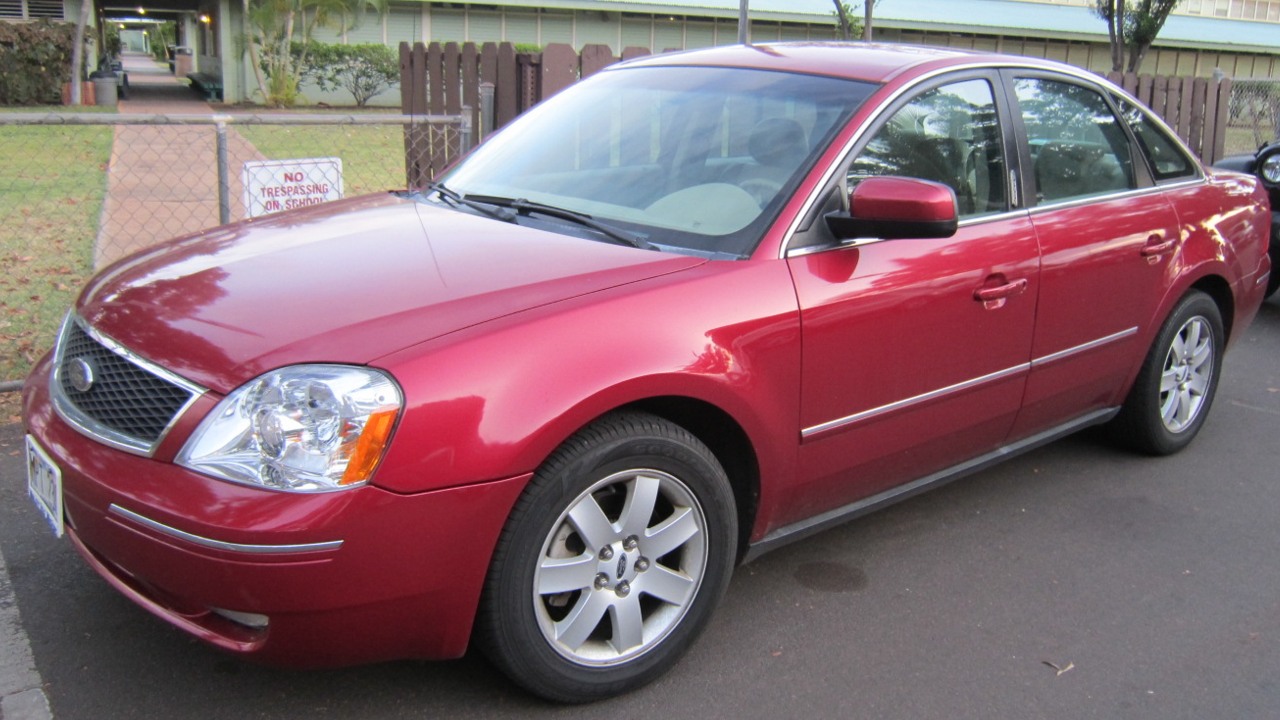
In the early 1980s, the typical family car in America was a box, with sharp corners, upright glass, and little interest in aerodynamics. Back on the highways of that era, the silhouette was defined by models like the Buick Century and similar products from General Motors that shared a cookie cutter profile. Against that backdrop, the Taurus arrived with a smooth, rounded body that critics quickly nicknamed a jellybean, a shape that looked radically different from the squared off sedans that had dominated the market, as period analysis of Back in the ’80s traffic patterns makes clear.
This shift was not just about style, it was about signaling that a family sedan could be modern and efficient without turning into a niche product. Commentators later described the 1986 Taurus as the most influential American car since the Model T, arguing that the United States had been stuck in a long design hibernation and that this single car jolted the industry awake. That assessment, captured in a detailed curbside analysis, underlines how the Taurus’s rounded form and integrated bumpers became a template that competitors would echo throughout the late 1980s and 1990s.
Front wheel drive and a new mechanical baseline
The Taurus also changed what sat under a typical family car. At the time of the Taurus’s debut, Ford had been building mostly rear wheel drive cars, while Chrysler and General Motors were offering their own established platforms. By moving its mainstream midsize sedan to front wheel drive, Ford aligned itself with a layout that improved interior space, traction in poor weather, and fuel efficiency, and it did so in a segment where many buyers had never driven anything but a traditional rear drive sedan. That mechanical pivot is documented in technical histories of the Taurus and its contemporaries.
What stands out to me is how quickly this new baseline forced rivals to react. General Motors famously delayed its GM 10 program once the Taurus appeared, then eventually released a competitor that critics faulted for conservative styling and cost cutting. That sequence, described in a retrospective on the legacy of the Taurus, shows how a single front wheel drive family sedan could scramble product plans across Detroit and push the entire segment toward more modern engineering.
A human centered interior that treated families like real drivers
If the exterior made the Taurus look futuristic, the interior made it feel like a car designed around actual people. Ford assigned designer Mimi Vandermolen to lead the cabin project, and the result was a dramatic departure from the usual American car design of the time. Controls were laid out logically, grouped by function, and placed where drivers could reach them without hunting, a philosophy that a detailed profile of Mimi Vandermolen and the 1986 Ford Taurus describes as central to the project.
Previously, at both Ford and General Motors, interior and exterior designers often worked separately, with little input from engineers or from each other. The Taurus program broke that pattern by integrating these disciplines, which helped ensure that the sweeping dashboard, clear instrument panel, and ergonomic switchgear matched the car’s overall shape and mechanical layout. Accounts of the first generation Ford Taurus (first generation) emphasize how unusual that level of collaboration was in Detroit at the time, and it is hard to overstate how much it improved the daily experience for families who spent hours in traffic or on road trips.
A car that stabilized Ford Motor Company
The Taurus did not just win design praise, it arrived at a moment when Ford Motor Company needed a hit. Analysts and enthusiasts have repeatedly argued that the car helped save the company by attracting buyers who might otherwise have drifted to imports or to more modern offerings from Chrysler and General Motors. One recent video walk through of a preserved 1986 Ford Taurus at the Henry Ford Museum in Dearbornne Michigan underscores how the model is now treated as a turning point in Ford’s corporate story, not just as a successful product.
Recognition came quickly. Motor Trend magazine named the 1986 Ford Taurus its Car of the Year, and the development team received a dedicated trophy that is now preserved in a museum collection. That award, documented in the artifact record for the Car of the Year trophy, signaled to the industry that a family sedan could be both a commercial and critical success. When I connect that accolade with later commentary on how the Ford Taurus helped stabilize Ford Motor Company, the picture that emerges is of a car that carried financial and reputational weight far beyond its price tag.
A legacy that reshaped the family sedan playbook
Over time, the Taurus’s influence spread well beyond Ford showrooms. General Motors, which had initially banked on its existing midsize sedans, was forced to rethink styling, packaging, and feature content once it became clear that buyers were responding to the Taurus formula. The delayed GM 10 cars eventually reached the market, but critics argued that they were too cautious in styling and too cheap in execution compared with the benchmark set by the Taurus, a reminder that being first with a new idea can lock in an advantage that rivals struggle to match.
Even as the Taurus nameplate eventually faded from Ford’s lineup, its template for a family car endured. Later histories of the First Generation Taurus describe how its combination of aerodynamic styling, front wheel drive, and user friendly interiors became standard expectations in the segment. When a Seattle based report on the end of Taurus production described the model as the car that once showed Americans what the future of the family sedan was going to look like, it captured what I see as the core of its legacy. The 1986 Taurus changed family cars by proving that practicality and innovation could share the same driveway, and the industry has been following that lesson ever since.
More from Fast Lane Only: