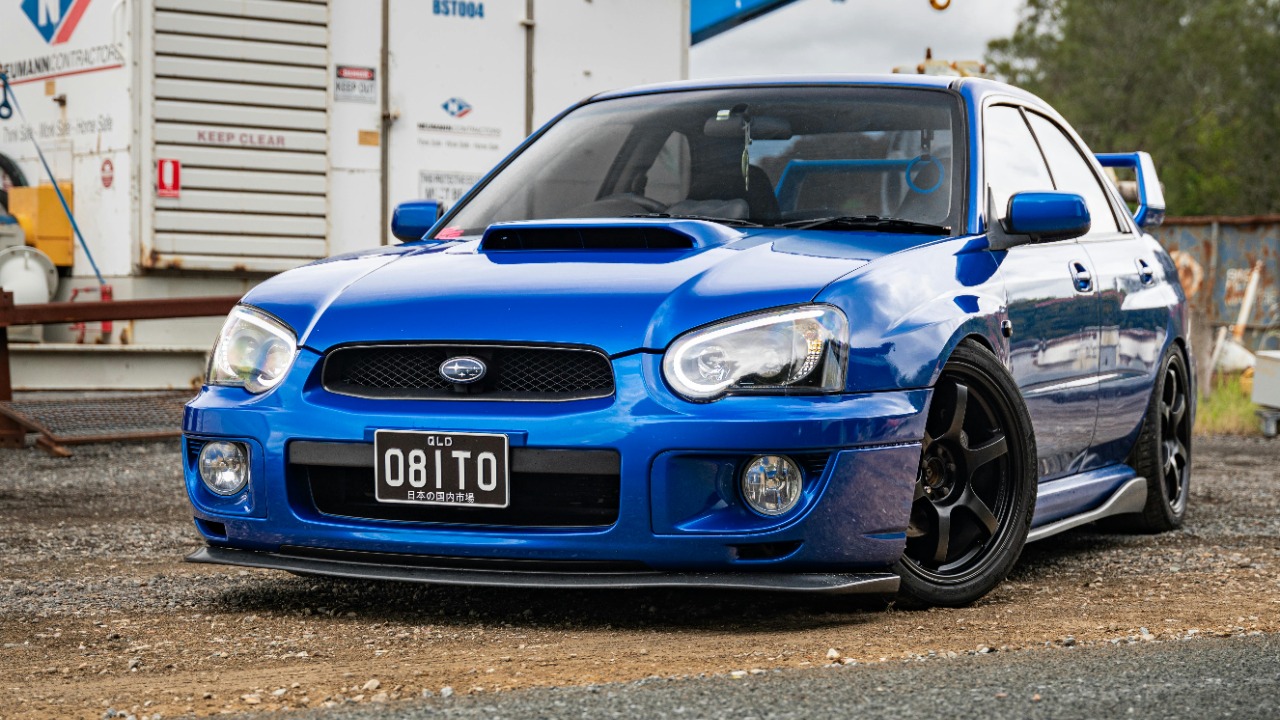
The 2002 Subaru WRX did not just add another sporty trim to dealer lots, it rewrote what drivers could reasonably expect from an attainable compact sedan. Turbo power, rally-bred grip, and real everyday practicality suddenly arrived in a price bracket that had been dominated by front-drive coupes and lukewarm “sport” packages. Looking back now, I see that car as the moment affordable performance stopped being a compromise and started feeling like a genuine shortcut into the enthusiast world.
America’s first real taste of rally-bred speed
Before the 2002 model year, enthusiasts in the United States watched longingly as other markets enjoyed Subaru’s hotter Imprezas. That changed when the Subaru Impreza WRX finally arrived and gave America a direct line to the brand’s rally heritage. It was not a watered down appearance package, it was a compact sedan and wagon with a turbocharged flat-four, a serious suspension, and all-wheel drive that felt like it had been lifted straight from the stages. For buyers used to front-drive hot hatches, the idea of this much grip and traction in a relatively small four door felt almost transgressive.
That rally lineage mattered because the Subaru WRX, often simply called the Impreza in competition circles, had been Born from rally racing long before it reached U.S. showrooms. The road car carried that identity into everyday traffic, from its hood scoop feeding the intercooler to the squat stance that hinted at gravel stages and snowbanks. When I think about how it shifted expectations, I keep coming back to that sense of authenticity: this was not a car pretending to be fast, it was a car that existed because Subaru needed a street-legal base for the real thing.
“Bugeye” looks, serious numbers
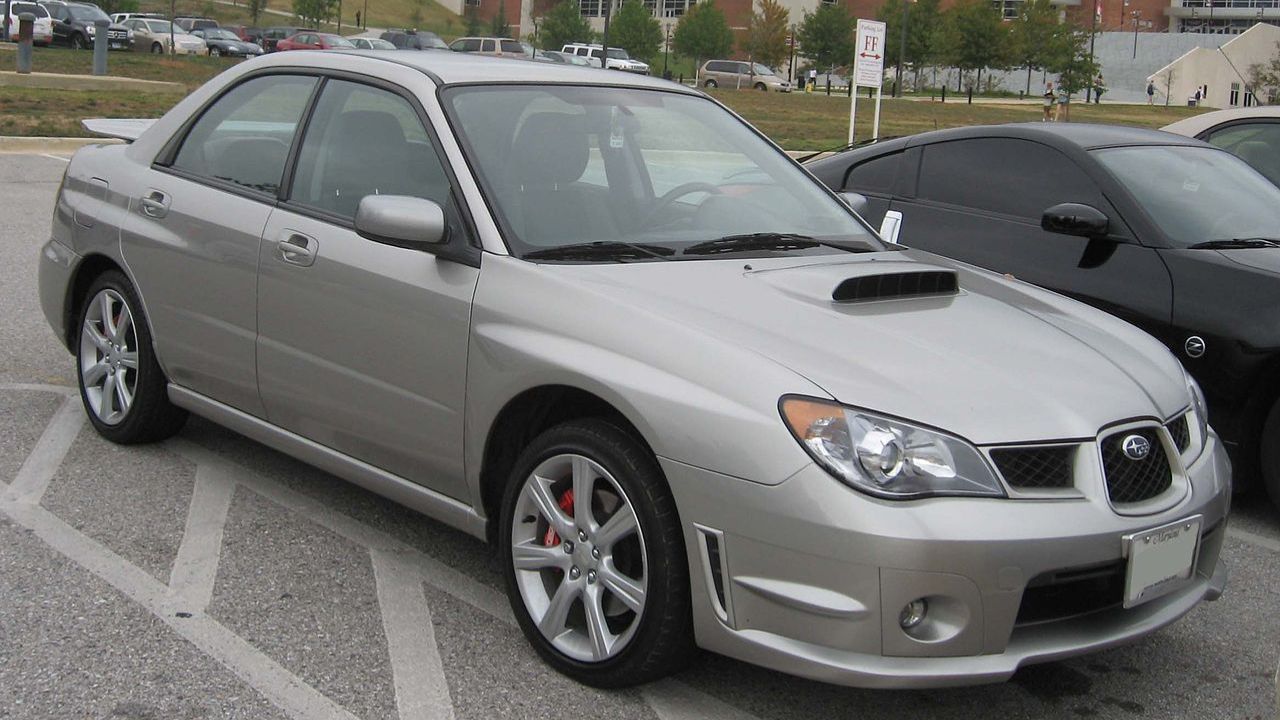
Visually, the first U.S. WRX was anything but subtle. Called the Called the “Bugeye” thanks to its round headlights, it split opinion in a way that modern, focus-grouped designs rarely do. Some buyers loved the cartoonish face, others dismissed it outright, but almost nobody denied what happened when you pushed the throttle. Under that polarizing nose sat a turbocharged flat-four rated at 227 horsepower and 217 pound feet of torque, figures that simply outgunned most compact rivals of the time.
Those numbers translated into performance that felt exotic for the money. With a manual gearbox and Continuous all wheel drive, the WRX could sprint to 60 miles per hour in 5.6 seconds and cover the quarter mile in 14.3, figures that put it in the same conversation as far pricier machinery. For a generation of young drivers, that meant the “Bugeye” WRX was not just quirky looking, it was the quickest thing they could realistically afford to insure and maintain.
Handling that felt like cheating
Straight line speed alone would not have changed the segment, and the WRX’s real magic showed up the first time you turned the wheel on a wet on ramp. The chassis used a firm McPherson strut setup that, as one early test put it, kept body motions in check while still absorbing rough pavement, with While the suspension minimizing roll in quick transitions. Four wheel disc brakes with standard 4 channel ABS backed up that composure, giving the car a level of confidence under hard braking that economy sedans simply did not match at the time.
What stuck with me, and with many early adopters, was how the WRX behaved when conditions got ugly. Testers flogged the WRX around racetracks, then tossed it through dirt and snow, and the car kept delivering the same blend of traction and playfulness. That dual personality, secure yet eager to rotate when provoked, made it feel like you were getting away with something every time you drove briskly in the rain. In a market where most affordable performance cars were front drive and easily overwhelmed by power, the WRX’s all wheel drive grip felt almost like cheating.
Performance on a real world budget
For all its speed and grip, the WRX would not have reshaped expectations if it had been priced like a luxury toy. Instead, the Trims chart told a different story: a Subaru Impreza WRX Wagon carried an Original MSRP of $24,020, and it still came with Dual front airbags, Front side airbags, and a six disc in dash CD changer. That combination of safety kit, everyday convenience, and serious performance at a mid twenties price point made the car feel like a loophole in the market.
Contemporary reviewers noted that rivals simply did not offer this mix of power, torque, and traction for similar money, which is why one early verdict framed the WRX’s Why and Because as a simple matter of unmatched value. Looking back from a world where a special WRX tS can carry an MSRP of $45,705, or closer to $46,100 if you spring for the Galaxy Purple paint that costs $39, that original sticker makes the early car’s impact even clearer. It set a benchmark for how much speed and hardware buyers would expect from a performance sedan that still fit into a normal household budget.
Everyday usability and a new kind of enthusiast car
What really cemented the WRX’s influence was how easy it was to live with. The car offered Everyday Usability Four doors, a decent sized boot, and AWD practicality that made the WRX usable year round. That meant a single car could haul friends, tackle a commute in bad weather, and still feel eager on a back road. In an era when many performance options were coupes with cramped rear seats or thirsty V8 sedans, the Subaru WRX quietly redefined what a practical enthusiast car could look like.
The cultural shock of that package is easy to forget now that turbo all wheel drive compacts are common. Period coverage urged readers to Remember How Wild the WRX Seemed when it first hit America, and that sense of disbelief is exactly what changed expectations. Enthusiasts realized they did not need a second “fun” car if one Subaru could do it all, and that idea has echoed through the market ever since, from hot hatches to compact luxury sedans that chase the same blend of speed and usability.
A legacy that still shapes affordable performance
More than two decades on, I still see the 2002 WRX as a pivot point for the U.S. market. Commentators have argued that the Car punched far above its weight, and that later generations “grew up” into heavier, more isolated machines. I think that contrast only underlines how raw and focused the original felt, and how aggressively it reset the bar for what a mid price compact could deliver. It was not perfect, but it made every rival look cautious.
The broader impact is visible in how we talk about the Subaru brand itself. The Subaru WRX became a rally icon and a tuning legend, and its arrival in the U.S. helped create a generation of drivers who expected turbocharged power, all wheel drive, and real practicality in the same package. When I look at today’s landscape of quick crossovers and sport compacts, I see echoes of that first American WRX everywhere, a reminder that affordable performance once meant a slightly scruffy sedan that could embarrass sports cars on Sunday and haul groceries on Monday.