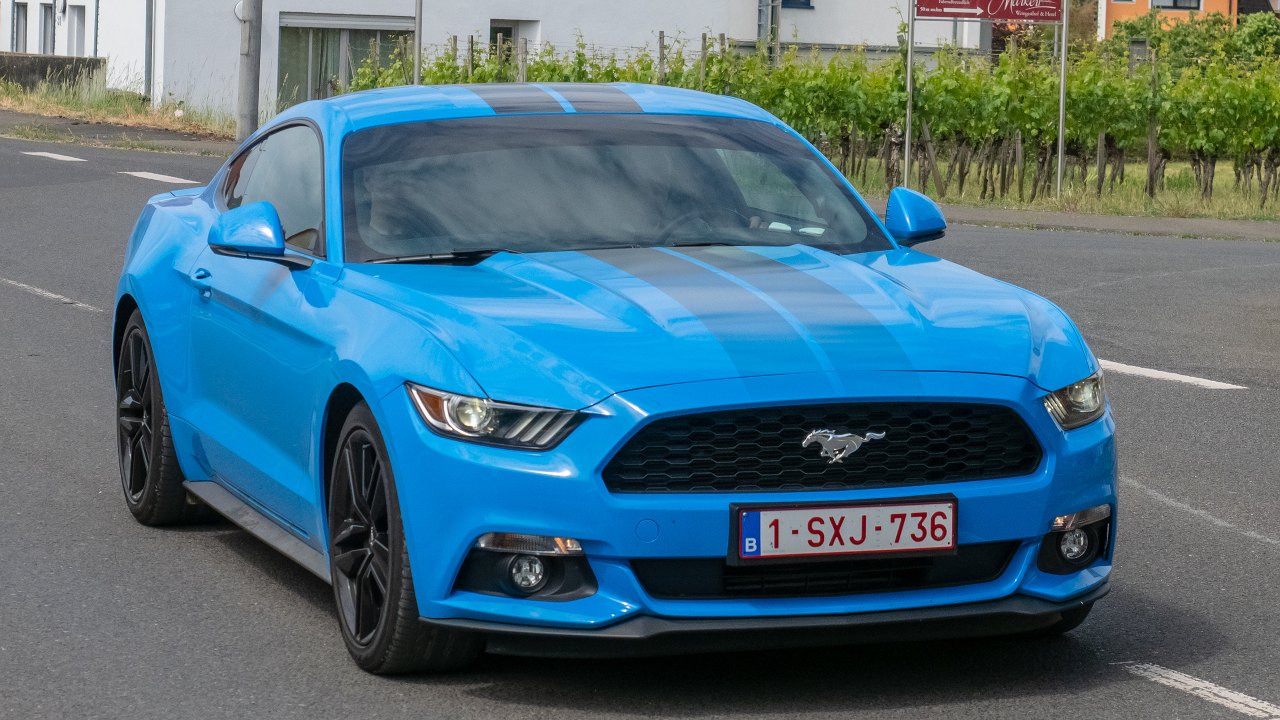
The 2015 Ford Mustang marked a turning point for an American icon, engineered from the outset to be sold on roads far beyond the United States. Instead of treating exports as an afterthought, Ford treated this sixth-generation pony car as a global product, with design, engineering, and logistics all shaped by overseas buyers. I see that shift as the key to understanding how a once regional muscle car became a worldwide sports coupe.
From American pony car to global brief
For its first five decades, the Ford Mustang largely lived in a North American bubble, with only limited and often unofficial exports. That changed when Designers were instructed to create the 2015 Ford Mustang as “global from the womb,” developing both the hardtop and the convertible with customers in Europe, Asia, and beyond in mind. Instead of tweaking a domestic car for a few foreign markets, the team treated international demand as a core requirement, a mindset that set the stage for a very different Mustang.
That global brief aligned with the company’s broader One Ford strategy, which aimed to reduce regional one-offs and build vehicles that could be sold in many countries with minimal changes. Executives explicitly linked the Mustang’s export push to the “success of our One Ford plan” and to a wider effort focused on Exporting Ford and Lincoln vehicles to more markets. By tying the pony car to that corporate blueprint, Ford signaled that the Mustang was no longer just a symbol of American performance, but a test case for how a heritage nameplate could thrive as a truly international product.
Engineering a Mustang for all markets
Designing a sports car for global sale meant confronting a long list of regulatory and practical hurdles that earlier Mustangs never had to clear. Engineers had to satisfy pedestrian safety rules in Europe, which pushed them to reshape the front end so the hood and structure could better absorb impacts. They also had to ensure the car could handle sustained Autobahn speeds, cope with rougher roads in parts of China, and deal with environmental challenges such as blowing sand in certain regions, all while preserving the Mustang’s performance image.
Inside, the team worked to make the cabin and controls acceptable in markets that expected more refinement than traditional American muscle cars. Air conditioning systems were tuned for hotter climates, and the suspension and independent rear axle were configured to balance comfort with handling on a wider variety of road surfaces. Meeting the Needs of All Markets meant the 2015 Ford Mustang could no longer be a narrowly focused straight-line bruiser; it had to be a car that felt composed on a British B-road, a German motorway, and an American interstate alike.
Right-hand drive and the Flat Rock pivot
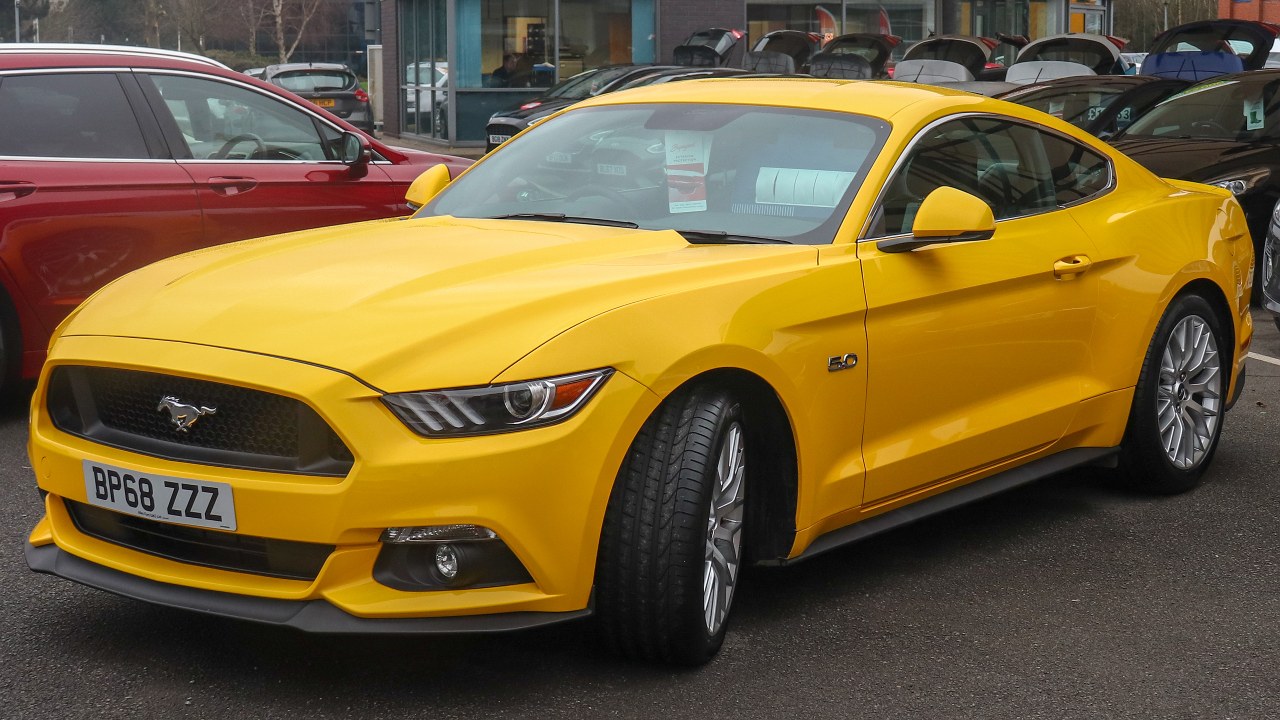
The most visible symbol of the Mustang’s global turn was the decision to build factory right-hand drive versions for the first time. Mustang Ford confirmed that a right-hand drive export variant was in the works, opening the door to markets like the United Kingdom, Australia, and Japan that had previously relied on expensive conversions or gray imports. That move required significant engineering work, from reconfiguring the dashboard and steering components to rerouting wiring and safety systems, but it unlocked entire regions that had been effectively closed to the car.
Production of the right-hand drive Mustang model began at the Flat Rock Assembly Plant in Michigan, where the sixth-generation car rolled off the line as part of a coordinated global launch. Reports on the First Mustangs with right-hand drive highlighted how Flat Rock Assembl was now building cars destined for more than 100 markets, a dramatic expansion from the Mustang’s traditional footprint. By centralizing production in Flat Rock Assembly Plant and designing the S550 platform to accommodate both left- and right-hand drive from the start, Ford turned a single American factory into the hub of a worldwide Mustang supply chain.
Global reveal, global logistics
Ford did not just engineer the car for the world, it introduced it that way too. When the 2015 Ford Mustang was unveiled, There were packed houses around the world as Ford Motor Co staged simultaneous Ford Mustang Reveals From Around the World, including events that echoed the car’s debut at the World’s Fair in 1964. That synchronized rollout signaled to enthusiasts and potential buyers that this Mustang belonged to them as much as to American fans, and it built anticipation in markets that had never before been part of a Mustang launch.
Behind the scenes, Ford reworked its export logistics to match the marketing message. The company announced that the 2015 Ford Mustang would be the first of the Dearborn pony cars to be shipped to about 100 markets, with vehicles leaving DETROIT and other ports as part of a major export push. Executives tied those shipments to One Ford and to a broader strategy of Exporting Ford and Lincoln vehicles, using ports such as the one in Maryland to move cars overseas in higher volumes. By aligning the reveal, the production ramp, and the shipping network, Ford turned a domestic launch into a coordinated global rollout.
From experiment to best-selling sports coupe
The real test of Ford’s global gamble was whether buyers outside the United States would actually embrace the car. Early signs were strong. On January 20, order banks opened outside U.S. borders for the first time in Mustang history, with On January 20th, 2015 marking the moment when international customers could place official orders for Mustang GT and EcoBoost models. That step transformed the car from an aspirational import into a mainstream option in dealer showrooms across Europe and other regions.
Sales data soon showed that the strategy was working. Within its first full year on sale, the Mustang became the world’s best-selling sports car in the first half of the year, with global registrations outpacing rivals and confirming that demand was not limited to its home market. A later report from COLOGNE described how the Ford Mustang Is Best, Selling Sports Coupe Globally, noting that European Demand for Iconic Pony Car Continues to show a Rise as more cars reached customers. By combining a globally engineered product, right-hand drive availability, and a tightly managed export pipeline, Ford turned the 2015 Mustang from a national icon into a sports coupe with genuine worldwide reach.
More from Fast Lane Only: