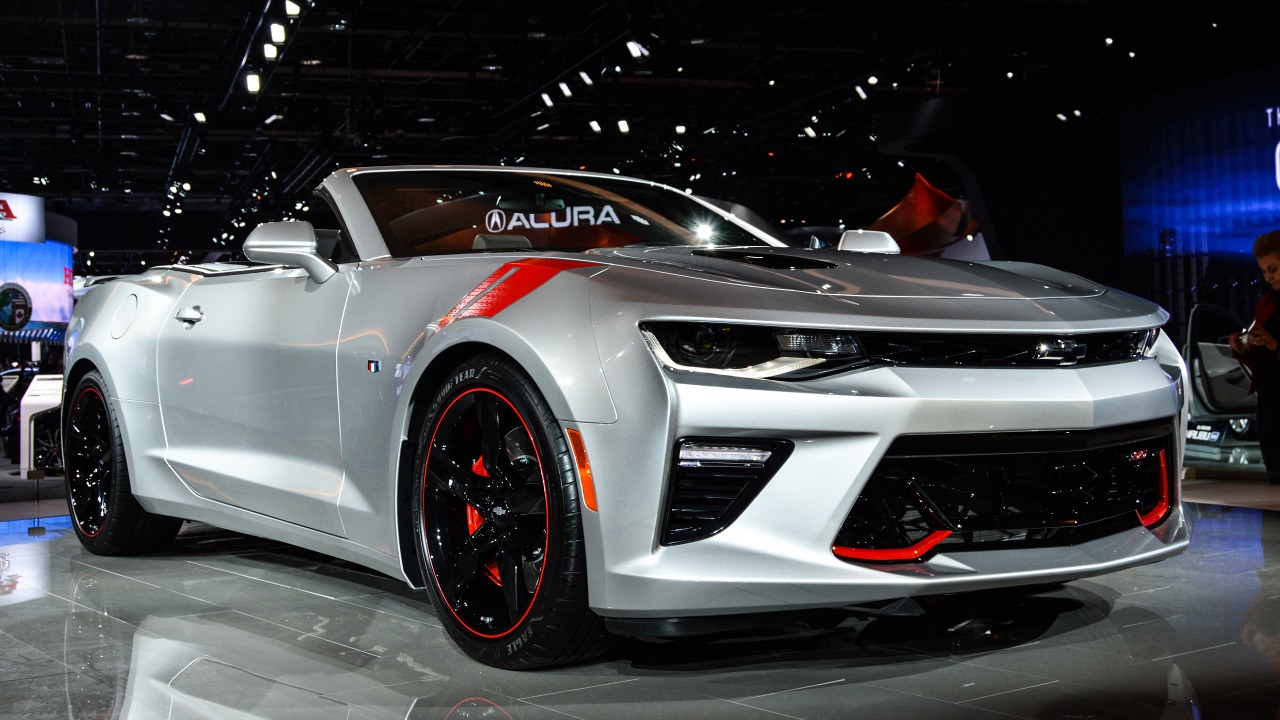
The 2016 Chevrolet Camaro SS did not just add power and sharpen its styling, it fundamentally rethought how much mass a modern muscle car should carry. By shifting to a lighter architecture and reworking everything from the suspension to the wheels, Chevrolet turned weight reduction into a central engineering goal rather than an afterthought. That decision reshaped how the car accelerates, turns, and competes in a segment where every pound now matters.
From retro bruiser to lighter Alpha athlete
The fifth-generation Camaro had the presence and straight-line punch enthusiasts expected, but it also carried the kind of curb weight that dulled responses and strained brakes and tires. When the sixth generation arrived, engineers moved the Camaro to the Alpha architecture, a platform shared with the Cadillac ATS, to cut mass and tighten the car’s footprint. While the styling still echoed its predecessor’s retro cues, the underlying structure was now a more compact Alpha layout that shrank the car and set the stage for a leaner, more agile personality.
That architectural shift was not cosmetic, it was the backbone of the Camaro’s weight strategy. By using the Alpha chassis that also underpinned the Cadillac ATS, Chief Engineer Al Oppenheiser and his team could start with a structure designed for lighter, more balanced performance rather than adapting an older, heavier base. The result was a Camaro that looked familiar to casual observers but, for the first time in its nearly 50-year history, did not rely on sheer size and heft to project muscle, instead using a modern, lighter platform to deliver speed and control.
Why “Major Weight Loss” became a performance mandate
Inside the program, cutting mass was treated as a prerequisite for the performance targets, not a nice-to-have. Engineers framed the project around “Major Weight Loss,” recognizing that the 2016 Camaro would have to shed serious pounds to deliver the acceleration, braking, and handling they envisioned. That mindset explains why the car ended up roughly 200 pounds lighter than the outgoing model, a figure General Motors highlighted as a core achievement rather than a side benefit.
By John Huetter reported that the 2016 Chevrolet Camaro was 200 pounds lighter, and that reduction directly supported claims that the car handled better and accelerated faster than before. Oppenheiser later emphasized that performance numbers only told half the story, because the lighter curb weight also made the car feel more responsive to every driver input. In other words, the weight target was not just about posting a quicker sprint to 60 mph, it was about transforming how the Camaro reacted when a driver turned the wheel or rolled into the throttle.
Aluminum, chassis tuning, and the details of going lighter
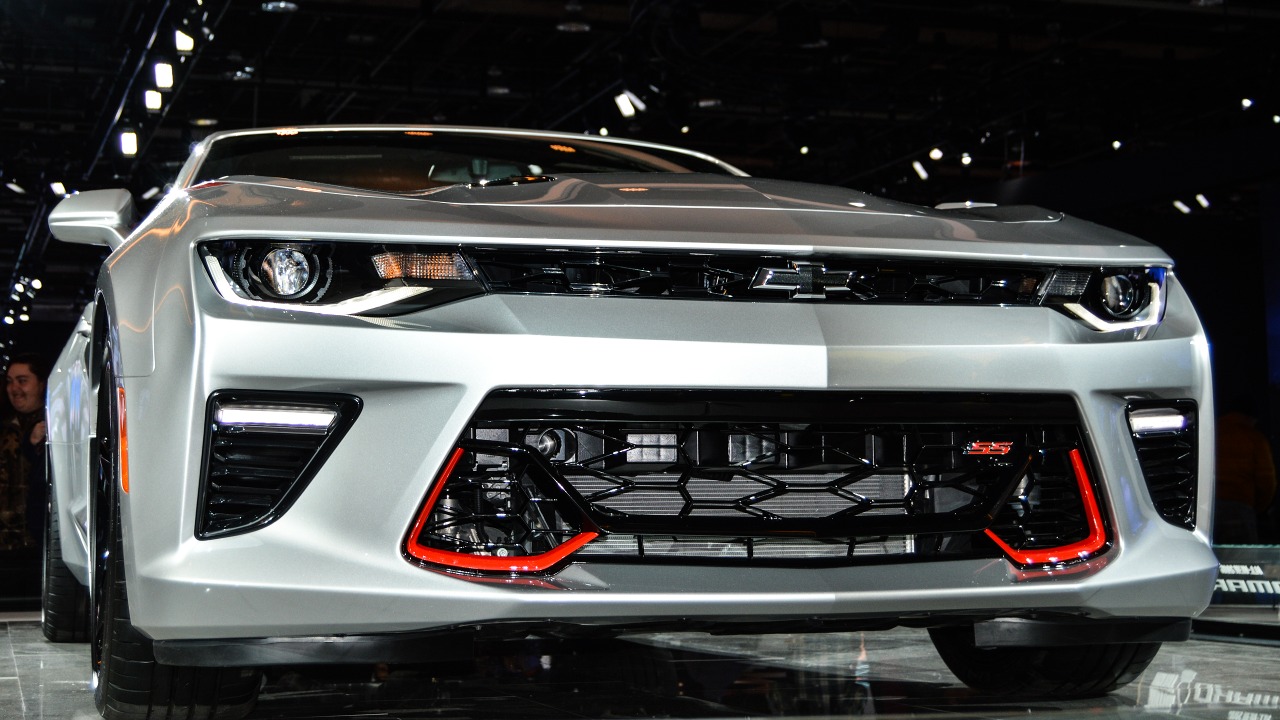
Achieving that kind of diet required more than a new platform, it demanded a part-by-part rethink of materials and component design. As GM is doing with every new model, there was more aluminum in the Camaro’s chassis and suspension, along with broader use of lightweight components where steel had once been the default. That approach allowed engineers to trim mass from unsprung and structural areas that have an outsized impact on how the car rides and responds.
Chief Engineer Al Oppenheiser and his team used the new lighter Alpha chassis as a foundation, then layered in model-specific changes for each engine and trim level. With the RS package, which includes 20-inch wheels and Goodyear Eagle F1 Asymmetric all-season run-flat tires, even the V6 version with its 3.6 liter engine benefited from the same philosophy of lighter, more focused hardware. The SS, sitting at the top of the lineup, took full advantage of that groundwork, pairing its V8 power with a structure and suspension that had been meticulously stripped of excess weight.
How less weight reshaped Camaro SS performance
Once the mass came off, the Camaro SS could translate its power into motion more efficiently, which is why Chevrolet was comfortable touting benchmark acceleration figures. The lighter structure helped the car hit 60 mph in roughly 4.0 seconds, a number that put it squarely into modern sports car territory rather than just the traditional muscle car lane. That kind of pace relied on both the SS engine output and the reduced inertia the drivetrain had to overcome every time the driver launched from a stop.
The benefits extended beyond straight-line speed. Oppenheiser noted that the lighter curb weight improved the way the car turned and stopped, making the SS feel more precise and less bulky on a winding road. When I look at current comparisons that pit the Chevrolet Camaro SS against rivals like the Ford Mustang GT, where Speed and Acceleration The Ford Mustang GT is often cited for its ability to go from 0 to 60 m in around 4 seconds, it is clear that Chevrolet’s weight strategy was aimed at keeping the Camaro competitive in exactly these metrics. The SS needed to match or beat those benchmarks, and trimming mass was the most reliable way to do it without resorting to ever more extreme power figures.
Lighter engineering and the broader Camaro identity
Weight reduction also changed what the Camaro represented in Chevrolet’s lineup. The sixth-generation Camaro offered higher levels of performance, technology, and refinement, and it was designed to be more responsive and efficient than the car it replaced. About the Car materials emphasized that the Camaro was no longer just a straight-line bruiser, it was a more rounded performance coupe that could appeal to drivers who cared as much about balance and feel as they did about raw horsepower.
While the Camaro kept much of its predecessor’s retro-inspired aesthetic, the move to the Alpha architecture and the focus on lighter engineering signaled a shift in philosophy. The car had to satisfy long-time fans who expected a muscular silhouette and V8 soundtrack, but it also had to compete in a market where lighter, more agile performance cars were setting the standard. By embracing a leaner structure, more aluminum in key areas, and a program built around “Major Weight Loss,” the 2016 Camaro SS aligned its identity with modern performance expectations while still honoring the nameplate’s history.
More from Fast Lane Only: