The 2015 Subaru WRX STI arrived at a tricky moment, when many performance cars were drifting toward comfort and tech at the expense of feel. Instead of softening its edges, Subaru doubled down on the rally-bred character that had built the WRX name, then wrapped it in just enough refinement to keep daily life tolerable. The result was a sedan that still felt ready for a gravel stage, even when it was parked in a grocery lot.
Looking back now, I see that model year as a turning point, the moment Subaru proved it could modernize without losing the raw, mechanical connection that made the car a cult favorite. From its chassis and drivetrain to its aero and even its cabin, the 2015 WRX STI was engineered to keep those rally roots alive rather than bury them under touchscreens and sound deadening.
Design that wears its rally heritage on its sleeve
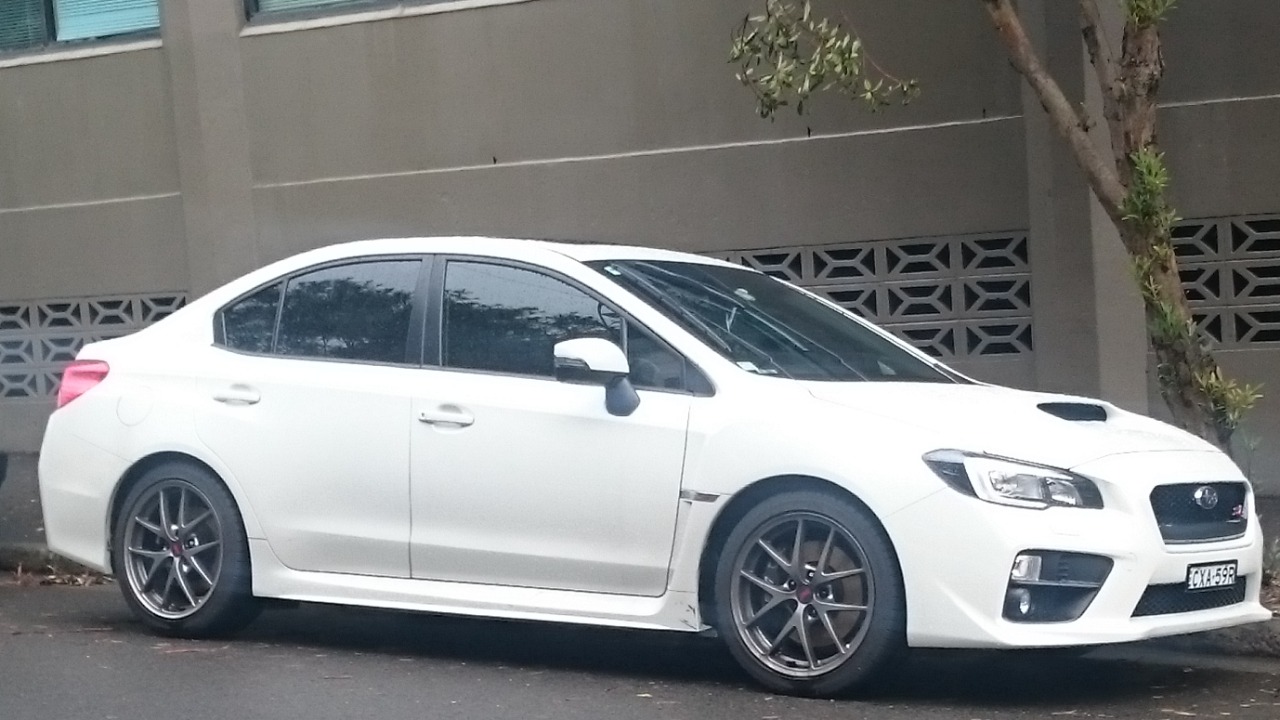
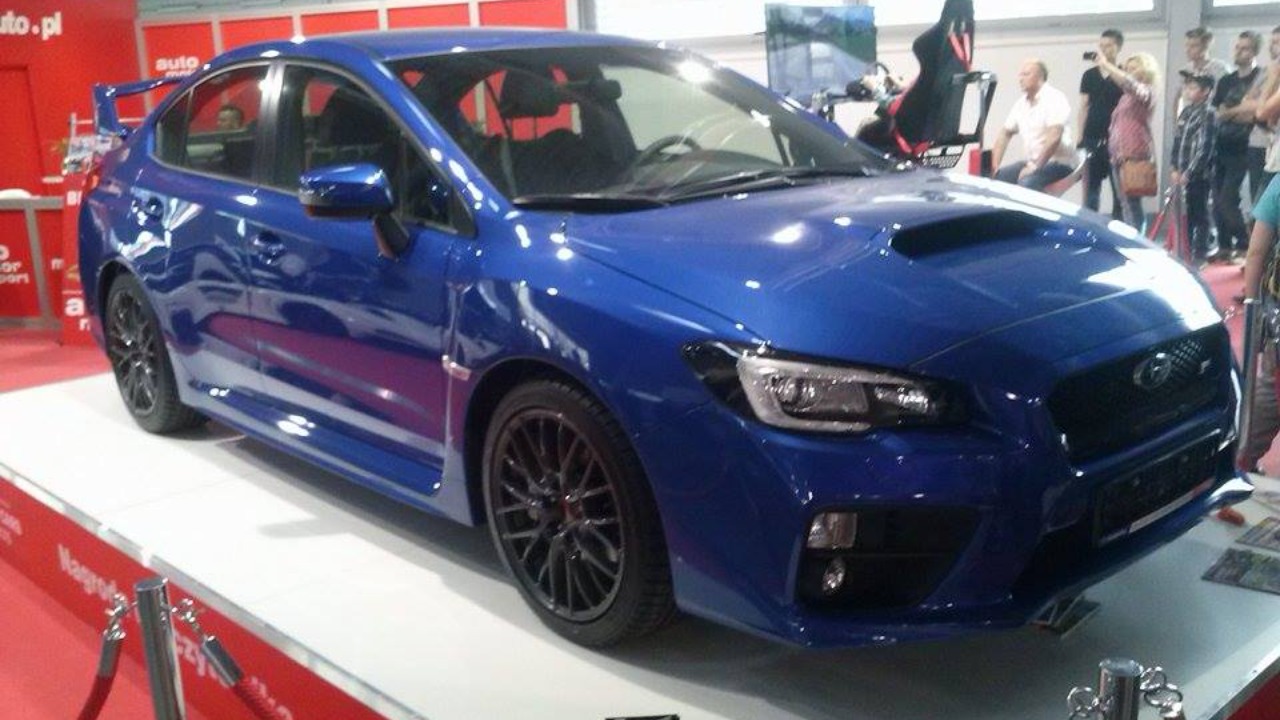
The first clue to the 2015 car’s intent is visual. Subaru locked the WRX STI into Iconic STI Design Exclusively in Sedan Form, a deliberate choice that echoed the three-box silhouettes of its World Rally Championship heroes. A bolder front design, flared fenders and that towering trunk spoiler did more than chase attention, they signaled aerodynamic intent and high speed stability in the same way a rally car’s wing and vents telegraph function over fashion. Even the LED lighting and high-mounted center brake light were shaped to leave a distinctive signature that fans could spot from a distance.
From the side, the proportions are almost old-school: a relatively compact body perched over big wheels, with short overhangs that hint at quick weight transfer and agility on loose surfaces. Dealers leaned into that story, describing the 2015 as a car whose Iconic STI Design Exclusively in Sedan Form was part of a full aerodynamic body package, including the large trunk spoiler that had long been a WRX STI signature feature. In an era when many performance badges migrated to anonymous hatchbacks or crossovers, Subaru’s decision to stick with a visually loud, rally-referencing sedan kept the lineage instantly recognizable.
Chassis and drivetrain tuned for stages, not just streets
Under the skin, the 2015 WRX STI was not chasing luxury benchmarks, it was chasing stage times. Subaru stiffened the structure with a New, Stiffer Chassis for Greater Handling Agility, a move that let the suspension work more precisely over broken pavement and gravel. That rigidity, combined with forged aluminum-alloy wheels and performance tires, gave the car the kind of immediate response that rally drivers rely on when the surface changes corner to corner. It was not about isolating the driver from the road, it was about transmitting as much information as possible through the seat and steering wheel.
The powertrain followed the same philosophy. Exclusive to the WRX STI, Subaru kept a turbocharged engine whose internals, including a nitride-hardened crankshaft, were built for sustained abuse rather than short bursts of glory, a detail highlighted in the factory description of the Exclusive to the WRX STI hardware. The brand also retained its driver-controlled center differential and mechanical limited-slip layout, instead of moving to a softer, fully automatic system, so that owners could tailor torque split the way a rally engineer might for tarmac, snow or gravel.
Electronics that sharpen, rather than dilute, the analog feel
Where many performance cars of that period used electronics to mask flaws or add artificial drama, the 2015 WRX STI used them to make the underlying mechanical package more precise. A key example was the New Active Torque Vectoring system, which subtly braked the inside front wheel to help the car pivot into a corner. Instead of feeling like a stability nanny, it worked with the all-wheel drive hardware to reduce understeer and let committed drivers carry more speed, especially on loose or wet surfaces where rally instincts come into play.
Subaru also paid attention to how the car sounded and responded to inputs, because rally fans care as much about feedback as they do about numbers. Engineers tuned the exhaust using input from a lateral performance exhaust valve, shaping a distinctive growl that exited through signature quad tailpipes. The result was not a synthetic soundtrack piped through speakers, but a mechanical voice that rose and fell with boost and revs, the way rally spectators expect when a car crests a hill or dives into a hairpin.
Cabin and tech that nod to comfort without losing the edge
Inside, Subaru walked a careful line between modern expectations and motorsport intent. The brand created an Exclusive STI Cabin Design for the WRX STI Launch Edition, bringing competition heritage into a roomier interior with heavily bolstered seats, unique trim and performance-focused displays. Those touches reminded drivers that this was still a homologation-style machine at heart, even as it added conveniences like multi-function screens and maintenance reminders that made daily use easier.
Subaru did not ignore the tech arms race either, it simply refused to let gadgets overshadow the driving. For the first time in a WRX STI, buyers could opt for a harman/kardon premium audio system and a suite of user technologies, all integrated into a cabin that benefited from a one-inch longer wheelbase for better space and comfort, details that were spelled out when the WRX STI debuts were first described. Yet the driving position, pedal layout and visibility still felt like they had been signed off by someone who cared more about clipping an apex than syncing a smartphone.
Proving ground success that validated the spec sheet
Rally roots are just marketing unless the car actually wins on the stages, and the 2015 WRX STI wasted no time doing exactly that. In its first major outing, the 2015 SUBARU WRX STI WINS in its DEBUT at the Sno*Drift Rally with driver David Higgins, a result that the company celebrated from Cherry Hill, N.J., as a perfect start to the season and a sign of what the car could do over the rest of the year, as detailed in the report that the 2015 SUBARU WRX STI WINS in DEBUT. That early victory was not a fluke, it was a proof of concept for the stiffer chassis, torque vectoring and all-wheel drive tuning that engineers had baked into the road car.
The competition program also showcased how closely the showroom model tracked the rally machines. Subaru Rally Team USA revealed a new widebody 2015 Subaru WRX STI Rally Car wrapped in fresh team colors, a build that still clearly shared its bones with the production sedan, from the basic silhouette to the drivetrain layout, as seen when Subaru Rally Team USA pulled the wraps off the car. That continuity between gravel-spec and street-spec machines kept the WRX STI’s image grounded in real competition rather than nostalgia.
Engineering choices that kept the driver at the center
What ties all of these elements together is a set of engineering decisions that consistently favored driver engagement over isolation. The steering ratio, for example, was quick enough to feel almost nervous at first, but that immediacy is exactly what a driver wants when threading a car between trees or along a snowbank. Factory materials emphasized that the WRX STI provides a steering system with a 13.0:1 ratio, a figure that underlined how aggressively Subaru had tuned the front end, as noted in the technical breakdown of how the WRX STI provides its feedback. Paired with the mechanical all-wheel drive hardware, it gave the car a pointy, rally-car feel that some mainstream buyers might have found intense, but enthusiasts cherished.
Behind the scenes, specialist outfits were reinforcing that driver-first approach on the competition side. Rocket Rally Racing, under the leadership of Pat Richard, spent countless hours developing the new SRTC 2015 WRX STI with a focus on durability and quality, making sure that even as they pushed performance, the core structure and components could withstand the punishment of full-speed stages, a process documented when Rocket Rally Racing walked through the build. That obsessive attention to how the car behaved at the limit fed back into the road-going version, keeping the WRX STI honest about its purpose.
Looking at the 2015 WRX STI now, I see a car that refused to trade its rally soul for mass-market polish. From the Iconic STI Design Exclusively in Sedan Form to the nitride-hardened internals and stage-proven chassis, every major choice leaned toward preserving the link between gravel stages and public roads. In a market that often treats heritage as a logo and a paint color, Subaru’s decision to let the WRX STI’s rally roots shape its engineering made that model year feel refreshingly authentic.
More from Fast Lane Only: