The race to build the world’s fastest electric car has turned into a high‑stakes engineering duel, and the Aspark Owl SP600 is the machine that finally pushed past a barrier no battery‑powered vehicle had crossed. Its headline figure, 272.6 miles per hour, is not just a number on a spec sheet, it is proof that an electric hypercar can live in the same rarefied air as the quickest combustion machines on earth. To understand how it got there, I need to unpack the mix of obsessive engineering, careful testing, and a decade of quiet persistence that turned a niche Japanese project into a new benchmark for speed.
What fascinates me most is that this record was not a fluke run on a deserted runway, it was the culmination of years of iteration on a car that started life as a wild concept and ended up with a verified top speed that rewrites the EV record book. The story of how the Owl reached that number is really a story about how far electric performance has come in a surprisingly short time.
The Osaka dream that refused to stay theoretical
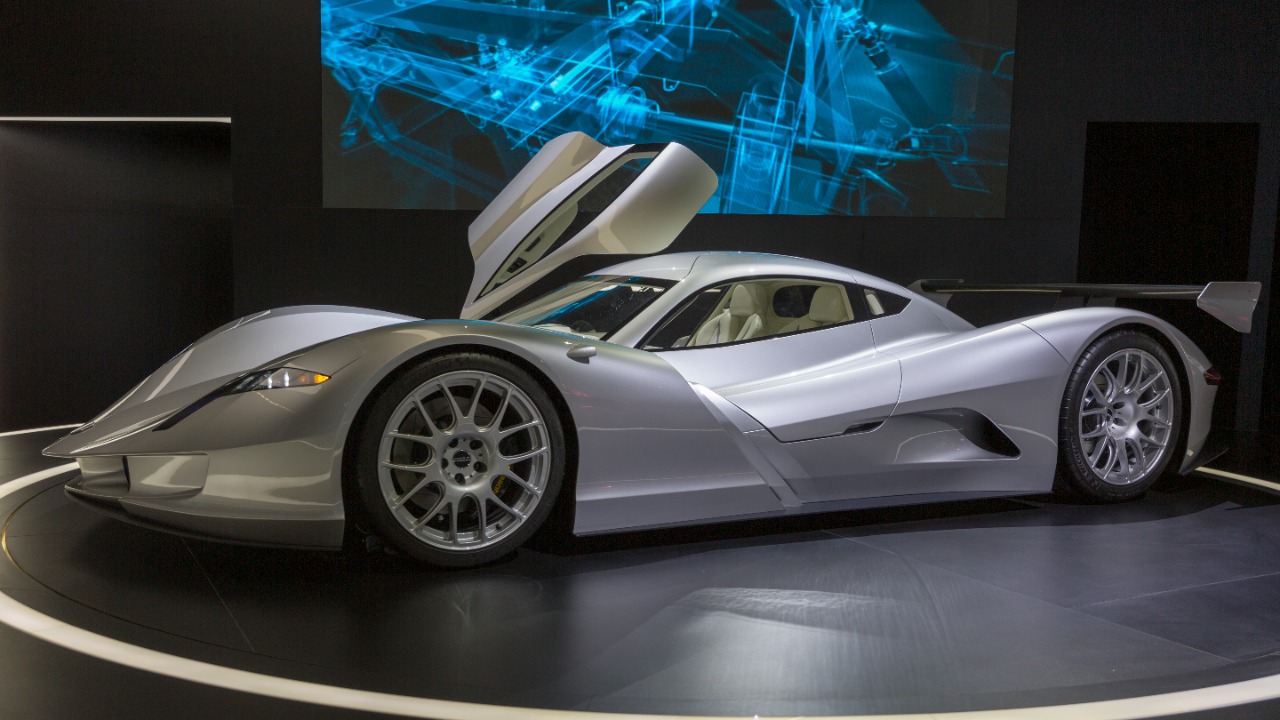
When I trace the Owl’s story back to its roots, I keep landing in Osaka, Japan, where a relatively small engineering firm decided it was not enough to build a quick electric sports car, it wanted to build the quickest. The company, Aspark, first surfaced in the hypercar conversation with a low, almost otherworldly coupe simply called The Owl, a car that looked like a design sketch that somehow escaped the studio and made it to the road. That original version wrapped its drivetrain in carbon fibre bodywork around a carbon fibre monocoque chassis weighing 120 kilograms, a figure that tells you just how aggressively the engineers chased weight savings from the start.
From there, Aspark’s ambitions only grew. The company’s early focus was on brutal acceleration, leaning into the instant torque that makes electric motors so addictive, and for Years that was the headline goal for Aspark’s halo project. As the broader world of electric sports cars evolved, with machines like the Rimac Nevera and the original Aspark Owl becoming shorthand for what battery power could do at the limit, the Osaka team began to pivot from stoplight sprints to outright top speed. That shift in mindset set the stage for the SP600, a production‑intent evolution of The Owl that would eventually be recognized as one of the defining electric hypercars of its era, sitting alongside rivals that enthusiasts now casually group together as the Rimac Nevera and Aspark Owl in the modern performance canon.
From concept to SP600: turning a sculpture into a record car
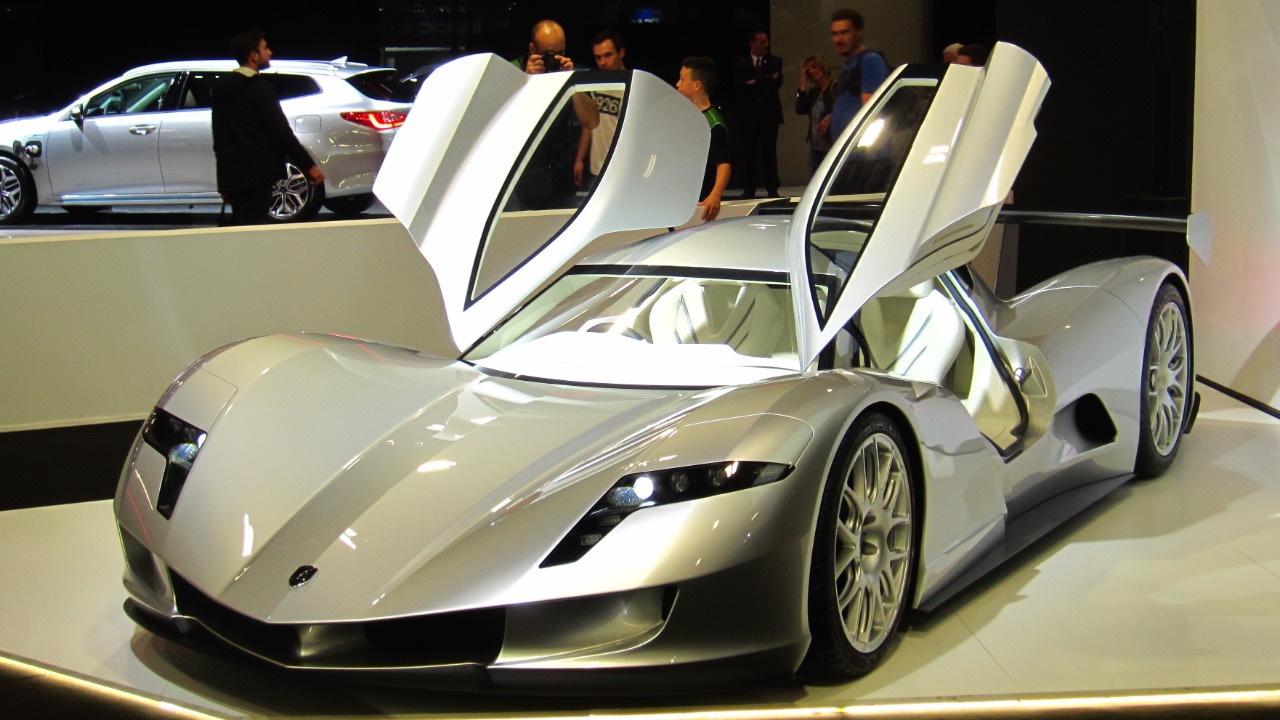
What separates the Owl SP600 from the earlier showpiece is not just a new badge, it is a wholesale rethinking of how to turn a dramatic design into a stable, repeatable 270‑plus‑mph machine. Japanese engineers at Aspark took the original Owl’s silhouette and reworked it into a production‑intent prototype that could survive the brutal realities of high‑speed testing. That prototype, developed in collaboration with Manifattura Automobile Torino, was built with the kind of attention to detail you normally see in top‑tier race programs, not boutique road cars, and the partnership helped translate Aspark’s ambitions into a car that could actually be validated by independent testing rather than just computer simulations.
Aspark has been careful about how much it reveals, but even the limited technical details hint at the scale of the upgrade. The company has confirmed that the Owl SP600 uses a specially developed powertrain distinct from the original limited‑production Owl hypercar, a setup designed specifically to sustain extreme speeds rather than just deliver a single, violent launch. Key specs for the production‑intent version point to a car engineered for both power and endurance, with a battery and motor package tuned to support repeated high‑speed runs and a projected range of up to 400 km (248.5 miles) in more normal driving. In other words, this is not a one‑shot dragster, it is a road‑legal hypercar that can live with its own performance.
Engineering for 272.6 mph: aerodynamics, validation, and GUINNESS scrutiny
Reaching 272.6 mph in an electric car is not just about bolting in more power, it is about making sure the car does not try to take off like a plane once it gets there. Aspark’s engineers spent years refining the Owl’s shape, leaning heavily on wind tunnel testing for aerodynamics to keep the car planted while slicing through the air at speeds that would expose any instability. That work came together during a critical track session at Automotive Testing Papenburg in Germany, where the June test run that produced the record figure was carefully monitored and validated using a Racelogic VBOX system, the kind of independent data logging you would expect in professional motorsport.
What impresses me is how methodical the team was about turning that run into something the wider world would accept. ASPARK did not simply announce a big number and hope enthusiasts would take it on faith, it pursued formal recognition, and the ASPARK EV Hypercar Owl SP600 ultimately secured a GUINNESS WORLD RECORDS title that confirmed it as the fastest electric vehicle of its kind. The company framed that achievement as part of a broader push to keep expanding the boundaries of electric vehicle performance, and the official recognition at Automotive Testing Papenburg (ATP) gave the project a stamp of legitimacy that even skeptics have to respect.
Beating the benchmarks: how the Owl reset the EV hierarchy
To appreciate what the Owl SP600 did, I have to look at the context it entered. For years, the Rimac Nevera was the shorthand answer whenever anyone asked which electric car ruled the top‑speed charts, and it shared that spotlight with the earlier Aspark Owl as one of the defining battery‑powered hypercars of the last decade. The rise of electric sports cars has been a steady march, with each new model nudging the ceiling a little higher, but the SP600 did not just nudge, it leapt, smashing the Rimac Nevera’s previous world‑record top speed and moving the goalposts for everyone else chasing ultimate EV performance.
That leap matters because it shows how quickly the hierarchy can change when a focused engineering team decides to chase a single metric with almost obsessive intensity. Japanese engineering firm Aspark has now claimed the title of fastest electric car in the world with the Aspark Owl SP600, a car that shares its name with the original Owl but diverges in key ways under the skin. The new version’s road‑legal status, highlighted in coverage that frames it as the fastest road‑legal EV, underscores that this is not a stripped‑out prototype built only for a closed course. It is a machine that, at least in principle, can exist in the same world as other hypercars, even if most owners will never come close to its terminal velocity.
Acceleration, usability, and the broader EV arms race
Top speed records grab headlines, but they are only part of why the Owl story matters. Aspark has always understood that acceleration is the party trick that sells electric performance, and the company has previously highlighted how quickly The OWL can sprint from 0 to 60, with figures as low as 1.72 seconds attached to its most aggressive setups. That kind of launch capability, combined with the SP600’s new top‑speed crown, gives Aspark a one‑two punch that few rivals can match, and it helps explain why the car has been showcased at events like Supercar Saturday Florida as a statement piece for what an Osaka, Japan‑based Aspark project can achieve.
At the same time, the broader EV world is not standing still. Other electric supercars, such as the YangWang U9 that lapped the Nürburgring in 7:17.900 and hit 244 mph on the straight, are staking their own claims as some of the fastest EVs globally, even if that particular car still trails the absolute top‑speed record set by the Owl SP600 during its run at the Green Hell. The fact that a growing list of electric machines can now be mentioned in the same breath as the Owl shows how quickly the performance envelope is expanding, and it hints at an arms race that is shifting from simple straight‑line bragging rights to a more nuanced battle over lap times, usability, and how much of this extreme capability can be translated into something owners actually experience on real roads.
What comes after the record
For me, the most intriguing part of the Owl SP600 story is what it suggests about where electric performance goes next. Aspark has already spent about a decade nurturing this project from a sketch into a GUINNESS‑certified record holder, and the company has hinted at ambitions that go beyond raw speed, including the potential for advanced driver assistance that edges toward Level 4 autonomous driving in future iterations. The fact that a relatively small outfit from Osaka can now sit at the top of the EV speed charts tells every other player in the space that the field is wide open for anyone willing to combine patience, engineering rigor, and a willingness to test their ideas in unforgiving environments like Automotive Testing Papenburg.
In the end, the Owl’s 272.6‑mph run is less a finish line than a marker on a rapidly moving scale. As more electric hypercars emerge, from established names to newcomers chasing their own records, I expect the numbers to keep climbing, but the SP600 will always have the distinction of being the car that first pushed an EV into this rarefied territory. It showed that with the right mix of lightweight construction, obsessive aerodynamics, and independently validated testing, a battery‑powered machine can not only match the legends of the combustion era, it can leave them in its slipstream.