Traffic stops rarely feel “random” to the driver on the shoulder, but most begin with a handful of predictable mistakes that officers are trained to spot in seconds. The same small errors that draw a patrol car’s attention also tend to be the ones that cause crashes, higher insurance bills and costly repair work. By understanding the simple behaviors that trigger a stop, I can cut my odds of blue lights in the mirror and stay safer at the same time.
From creeping a few miles over the limit to fumbling with a phone at a green light, the habits that get people pulled over fastest are usually the ones they repeat every day without thinking. The patterns are clear: they show up in police explanations of what counts as being lawfully stopped, in collision data that ties Fault to specific violations, and even in the way cars fail basic inspections when drivers ignore small but obvious defects.
Speeding, lane misuse and other “obvious” violations
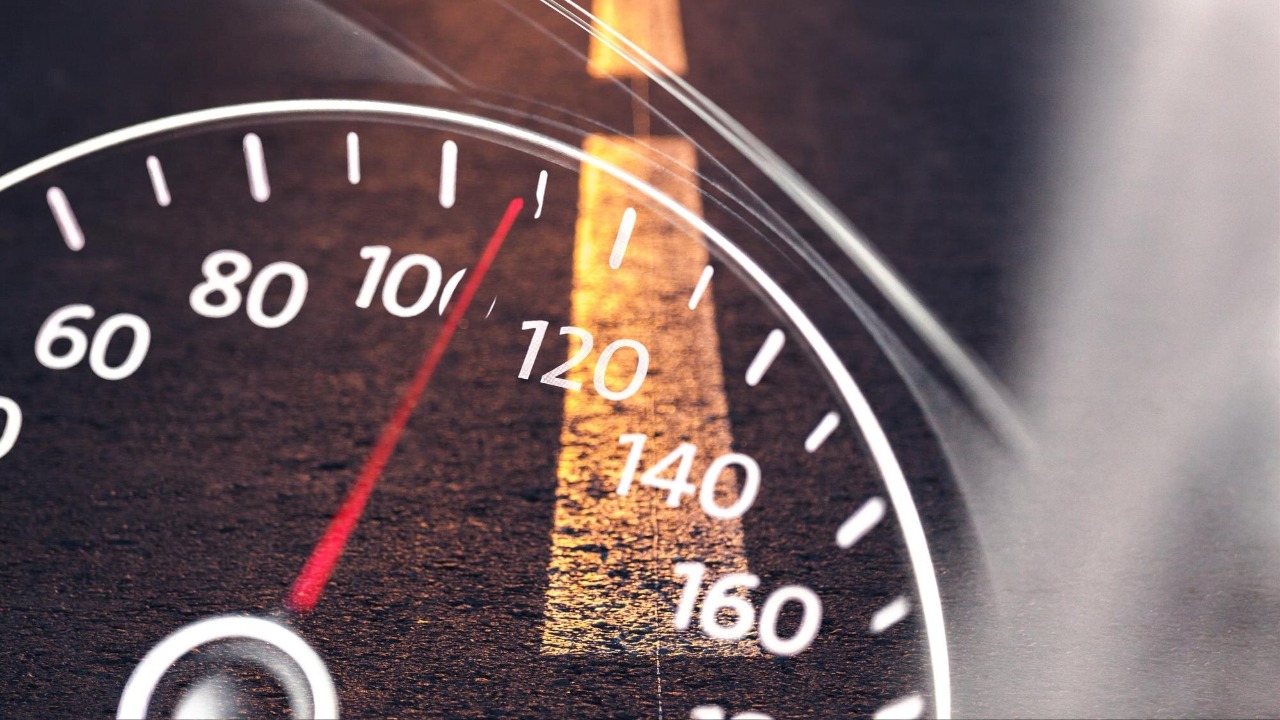
The most straightforward way to invite a traffic stop is to break a rule that officers can see and prove in an instant. Speeding is the classic example, and it remains a primary reason drivers are considered to be lawfully pulled over by Law Enforcement, right alongside issues like Tinted windows, missing plates or driving without headlights at night. I have watched plenty of people treat a 35 mph zone as a suggestion, but radar, pacing and automated cameras turn that casual attitude into a clean, documentable violation that justifies a stop and often a ticket.
Lane behavior is just as visible, and it is one of the Subtle Driving Mistakes That Could Get You Pulled Over even when the driver thinks they are being “safe.” Camping in the left lane on a highway, drifting over lane markings or failing to signal a lane change all signal inattention or aggression, which is why officers look for them as early warning signs. Guidance on Subtle Driving Mistakes That Could Get You Pulled Over highlights how something as simple as Using the left lane as a cruising lane instead of a passing lane can be enough to draw scrutiny, especially when it forces faster traffic to weave around and raises the risk of a collision.
Distracted Driving and tailgating that look dangerous from a patrol car
From the driver’s seat, a quick glance at a text or a map can feel harmless, but from behind, it looks exactly like impaired or reckless driving. Safety officials break distraction into four types and stress that There are 4 types of distraction that matter: visual, manual, cognitive and auditory. In one official brochure on Driver Distraction, the message is blunt, urging motorists to Know their own triggers and pointing out that distracted behavior is implicated in 45 fatalities, 300 serious injuries and roughly 50% of certain crash categories. When an officer sees a car wandering in its lane, braking late or sitting still after a light turns green, they have no way to know whether the cause is a phone, fatigue or alcohol, so a stop becomes a basic safety check.
Following too closely sends the same red flags. Tailgating is not just rude, it is a textbook sign of aggressive driving that can quickly escalate into a rear impact or a lane-changing collision if the lead driver taps the brakes. Repair experts who catalog the most common crash causes point to Distracted Driving and tailgating side by side, noting that Knowing how little time a driver has to react at highway speeds should be enough to convince anyone to back off. When a patrol car sees a pickup sitting a few feet off a compact sedan’s bumper at 70 mph, that behavior alone can justify a stop to prevent what looks like an imminent crash.
Highway habits that scream “unsafe” even when they are legal on paper
Some of the fastest ways to attract police attention are not outright illegal in every situation, but they are so closely tied to crashes that they function as practical red flags. On multi-lane roads, drivers who dart between lanes to gain a few car lengths, brake suddenly for no clear reason or linger in blind spots are all raising the risk level for everyone around them. Analysts who break down six frequent highway errors explain that Mar is not the only time of year when these patterns spike, and they invite motorists to Let go of the idea that the freeway is a racetrack by highlighting how small changes in spacing and signaling can dramatically cut risk. A detailed look at 6 common mistakes on high-speed roads underscores how weaving, late merges and ignoring mirrors are the kind of behaviors that officers can spot from several hundred yards away.
Even something as simple as entering or exiting a highway too slowly can draw attention, because it forces other drivers to brake or swerve and can trigger chain-reaction crashes. When a compact SUV crawls down an on-ramp at 30 mph while traffic is flowing at 65 mph, the officer in the next lane sees a rolling hazard, not a cautious driver. That is why highway patrol units often focus on patterns rather than single moments, watching for drivers who repeatedly misjudge gaps, cut across solid lines at the last second or treat the shoulder as an extra lane. Those habits may not always lead to a citation, but they are exactly the kind of conduct that gets a driver pulled over for a warning before something worse happens.
New-driver errors and everyday misjudgments
Inexperience magnifies small mistakes, and officers know it. New drivers often struggle with basic spatial judgment, which shows up in parking lots, intersections and lane changes. One widely shared discussion of early driving errors lists Feb as a reminder that the learning curve is steep, and it calls out Pulling into or out of a parking space without factoring in the turn radius of the vehicle as a classic rookie move. The same thread notes that Misjudging the distance to other cars or obstacles is a recurring problem, and contributors on What are the most common mistakes new drivers make? describe how these lapses can lead to clipped bumpers, curb strikes and sudden stops that look suspicious from a patrol car’s perspective.
Those misjudgments do not stay in parking lots. On the road, a driver who misreads a yellow light, turns across oncoming traffic without enough space or rolls through a stop sign is not just breaking a rule, they are creating exactly the kind of scenario that crash investigators see again and again. Legal analysts point out that Fault is usually tied to violations of traffic law, such as running a red light, failing to yield or making an illegal turn, and they note that even partial responsibility can be costly when two drivers share blame for a collision. Guidance on what happens if you are partially at fault explains that Fault often hinges on whether one driver followed the rules while the other made a risky move, which is exactly why officers are quick to stop behavior that looks like a prelude to a crash.
Equipment issues, courtesy lapses and the small stuff that still matters
Not every stop starts with how someone is driving; sometimes it is about what they are driving. Burned-out brake lights, cracked windshields and worn tires are all visible from a patrol car and can justify a stop even if the driver’s behavior is flawless. Inspection data from garages that handle annual checks show that MOT failures are often tied to small, fixable issues rather than catastrophic breakdowns, and they stress that Most of the reasons cars fail are things like faulty lights, worn wipers or minor suspension problems. One breakdown of why vehicles fail an MOT notes that drivers frequently ignore warning signs until an inspector or officer forces the issue, which is why a missing mirror or a dangling bumper can be enough to trigger a stop.
Courtesy mistakes fall into the same “small but costly” category. Failing to signal a turn, blocking an intersection, not turning on headlights in rain or fog, or refusing to let a faster car pass can all escalate tensions and draw the eye of an officer who is already watching traffic flow. Analysts who catalog common driving mistakes that will get you pulled over point out that drivers who skip basic courtesies, like yielding when they do not have the right of way or using hazard lights appropriately, often find themselves explaining their choices on the roadside. When those lapses combine with more concrete issues like missing plates or broken lights, the odds of a stop climb quickly.
Even window tint and cosmetic modifications can play a role. Officers are trained to look for Tinted glass that appears darker than the law allows, license plate covers that obscure numbers and aftermarket lighting that mimics emergency vehicles. Each of these may seem like a style choice to the owner of a 2018 Honda Civic or a 2022 Ford F-150, but to the officer behind them, they are potential violations that justify a closer look. When that closer look reveals other problems, from expired registration to signs of impairment, a simple equipment issue can turn into a much longer encounter, which is why staying on top of the “little things” is one of the easiest ways to avoid being pulled over in the first place.