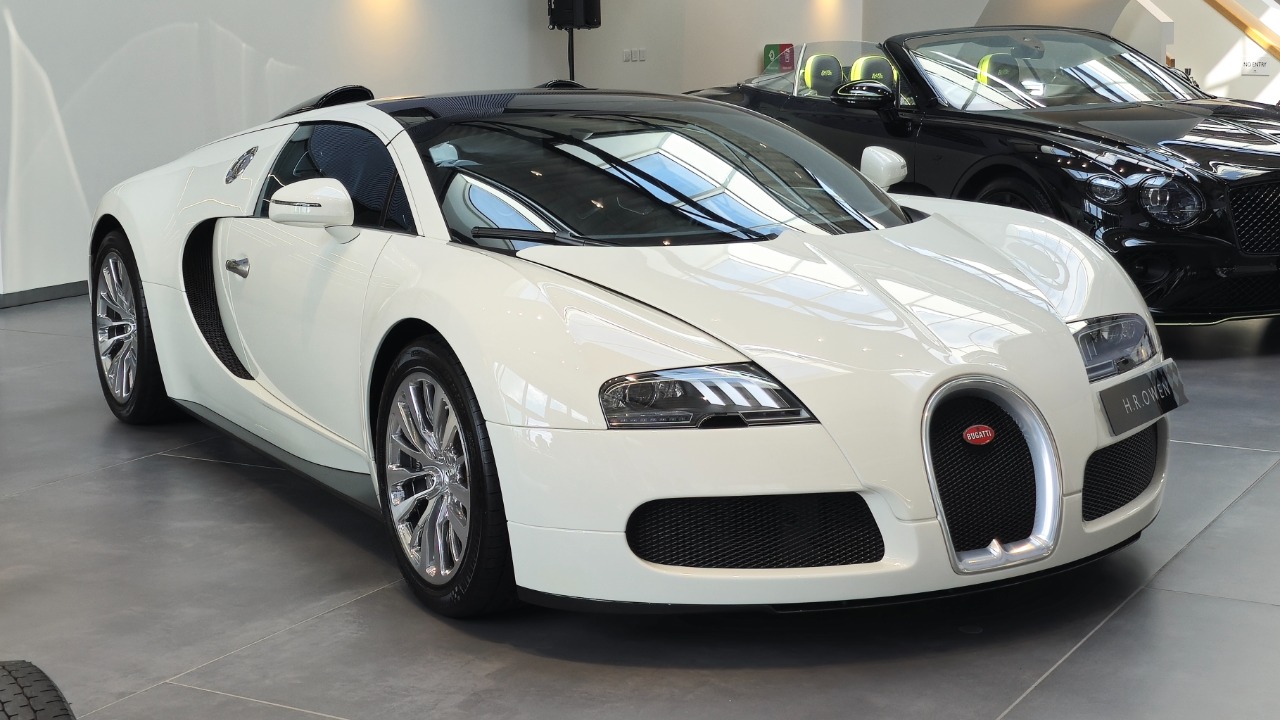
The Bugatti Veyron did not just edge past its rivals, it reset the definition of what a road‑legal car could be. By combining outrageous power, obsessive engineering and a willingness to chase numbers that once sounded fictional, it turned top speed into a headline metric that every hypercar since has had to answer to. Two decades on, its record runs still frame the conversation about how fast is fast enough.
To understand how the Veyron shattered every meaningful speed benchmark, I need to trace how it was conceived, how its engineering solved problems no one had tackled at road‑car scale, and how its legacy still shapes the hypercar arms race. The story is not just about a single number on a speed trap, it is about how a car became a reference point for power, aerodynamics and even cultural status.
The audacious brief that created a new kind of hypercar
At the start of the 2000s, when most performance brands were still refining supercars in the mold of the 1990s, Bugatti set out to build something closer to a land‑bound jet. The project that became the Veyron 16.4 was framed around a simple but extreme idea: a luxury grand tourer that could cruise comfortably yet run at speeds that, until then, belonged to race tracks and record attempts. In that context, the designation 16.4 was more than a model name, it signaled a 16‑cylinder engine fed by four turbochargers, a layout that instantly separated the car from anything else on sale.
That ambition meant Bugatti had to think beyond incremental gains and treat speed as a system problem rather than a single headline figure. The development story is often framed as The Birth Of An Automotive Titan, because the engineering team had to reinvent cooling, packaging and aerodynamics to make a car that could sustain record‑breaking runs without cooking itself or terrifying its driver. In the early 2000s, when even elite sports cars were still flirting with much lower top speeds, that decision to chase a new ceiling effectively created a fresh category of hypercar.
Engineering for numbers that once sounded fictional
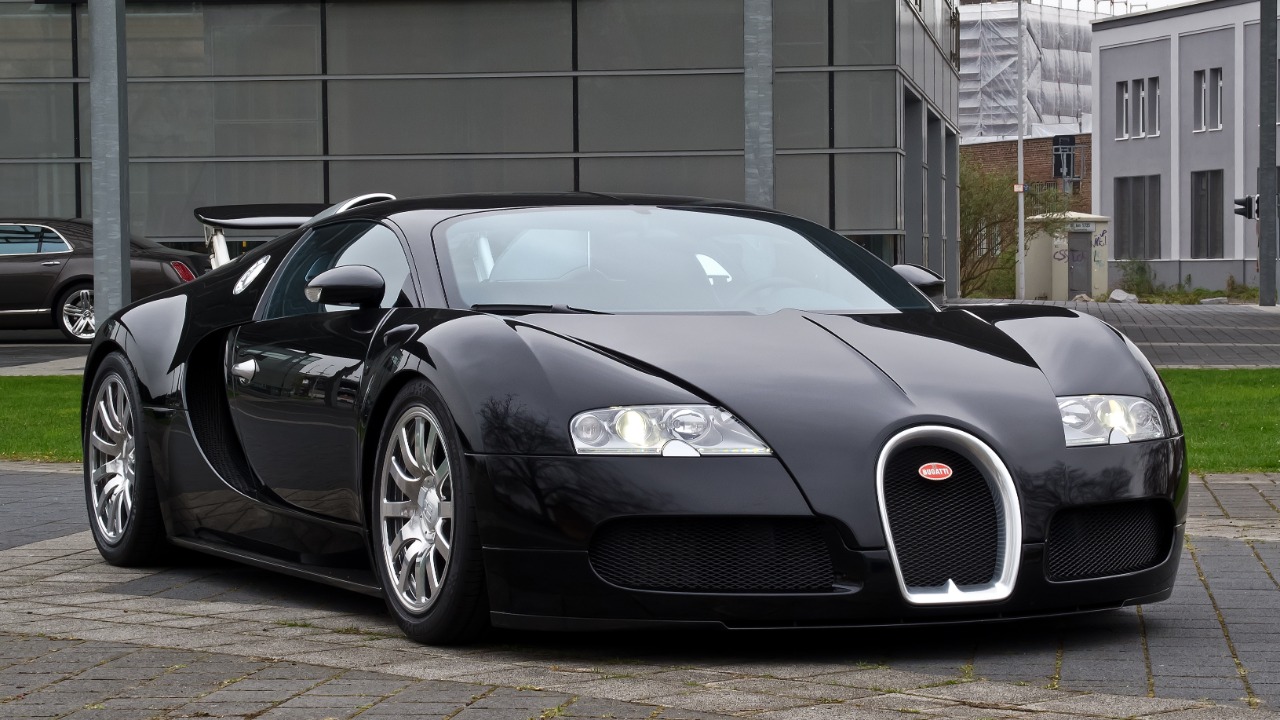
To turn that brief into reality, the Veyron’s powertrain had to deliver race‑car output with road‑car manners. The centerpiece was a W16 engine that enthusiasts now associate instinctively with The Bugatti name, a unit that stacked its cylinders in a compact block and relied on four turbochargers to generate the immense thrust needed for its record attempts. That same source highlights the 16.4 designation as a shorthand for this layout, underlining how central the engine was to the car’s identity and to its ability to reach speeds that had previously been the domain of experimental prototypes.
Yet raw power was only half the equation, because stopping and stability at those velocities were just as critical to any credible speed record. Bugatti’s solution was a braking system that treated deceleration as seriously as acceleration, with Brake pressure of up to 180 bar acting on Carbon discs with titanium pistons and a Unique dynamic pressure system to keep the car stable under extreme loads. That balance of brutal acceleration and equally sophisticated braking is what allowed the Veyron to chase top‑speed numbers that once sounded like science fiction while still qualifying as a usable production car.
From concept curiosity to verified speed benchmark
Long before customers took delivery, the Veyron existed as a series of concepts that hinted at its intent but did not yet prove its capabilities. It was Previewed in various forms from the late 1990s, each iteration edging closer to the final recipe that would pair one of the most powerful engines ever fitted to a production vehicle with a body honed for stability at more than 300 km/h. Those early show cars signaled that the Veyron would not be a styling exercise but a platform built around speed as its core function.
The transition from concept to certified record holder required not just engineering but also formal validation on track. Historical accounts of the car’s top‑speed program describe how the Bugatti Veyron Interior was refined alongside its mechanical package so that a driver could sit in a cabin finished to luxury standards while the car attempted speeds that pushed the limits of tire technology and aerodynamics. One such account, credited By Andrew from New York, USA, underscores how unusual it was to pair such an extreme performance envelope with a cabin that looked and felt like a high‑end grand tourer rather than a stripped‑out racer. That combination is part of what made the Veyron’s verified top‑speed runs so influential, because they proved that record‑setting velocity did not have to come at the expense of everyday usability.
How the Veyron redefined what “fastest car” really means
Speed records only matter if they change the way people think about what is possible, and the Veyron did exactly that. In the broader context of performance cars, it arrived in an era when Breaking the next barrier in velocity required not just more power but a holistic approach to engineering, from materials to electronics. The Veyron’s approach to cooling, aerodynamics and drivetrain management showed that a road‑legal car could be engineered with the same systems thinking usually reserved for aircraft or top‑tier motorsport, and that set a new benchmark for what “fastest car in the world” actually implied.
Recognition from influential tastemakers helped cement that status. The Veyron was named Car of the Decade by the BBC television programme Top Gear, and the standard model also won that show’s Best Car award, signaling that its impact went beyond raw numbers to influence how performance and luxury could coexist. Those accolades reflected a broader consensus that the Veyron had not only claimed records but also redefined the criteria by which the fastest production cars would be judged.
A legacy that still shapes hypercars and car culture
Two decades after its debut, the Veyron’s influence is visible both in the cars that followed and in the way enthusiasts talk about speed. The model line that grew from the original has been described as The Bugatti Veyron family, a range that serves as a testament to how far a single platform could be pushed in pursuit of groundbreaking speed, unmatched power and high‑end comfort. That family tree shows how the original car’s formula of extreme performance wrapped in luxury became a template for subsequent variants and, eventually, for successor models that continued the chase for ever higher top speeds.
The cultural footprint is just as telling. In the world of high‑profile collectors, Perhaps the most notable car in some modern collections is the Bugatti Veyron itself, often highlighted for its W16 engine with four turbochargers as a symbol of excess and engineering bravado. Books and retrospectives now frame The Bugatti Veyron as more than just a car, describing it as a feat of engineering that shattered expectations, redefined the limits of speed and set a new benchmark for the hypercar industry. That enduring narrative is why, even as newer models chase higher numbers, the Veyron still stands as the car that turned top speed into a modern obsession and forced the rest of the industry to catch up.