You tend to hear that American sports cars begin with the Chevrolet Corvette, yet the story actually starts four years earlier with a tiny, noisy roadster from Cincinnati. The Crosley Hotshot arrived in the late 1940s as America’s first postwar sports car, proving that you could chase European style and fun on a shoestring budget long before fiberglass bodies and V8s entered the picture. If you care about where performance culture in the United States really began, you have to start with this humble upstart instead of the later icons.
How a Cincinnati upstart beat Detroit to the punch
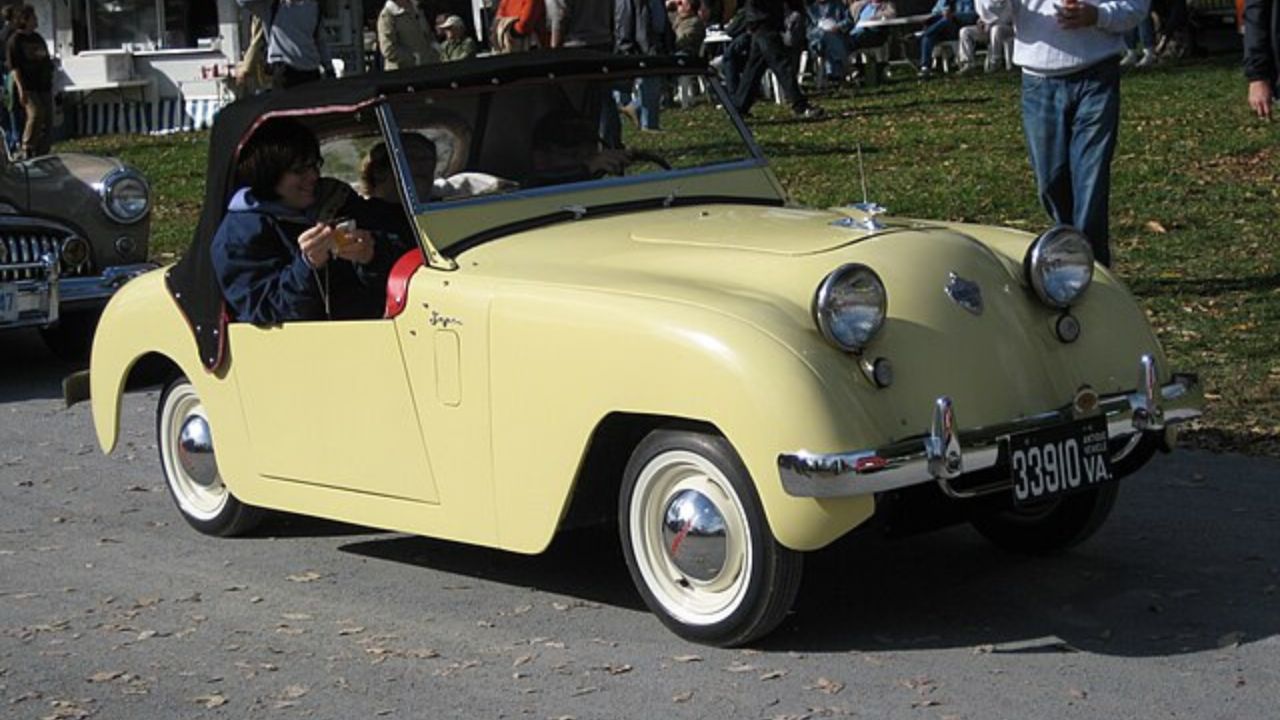
Trace the timeline and the Hotshot simply got there first. The 1949 Crosley Hot Shot appeared as America’s first postwar sports car, pre-dating anything similar from Chevrolet and arriving well before the Corvette and Thunderbird that you usually hear about in muscle-car lore. By the time the Chevrolet Corvette finally rolled out, the Hotshot had already staked a claim as a lightweight two-seater that brought European-style fun to American roads, and it did so with a fraction of the fanfare and budget.
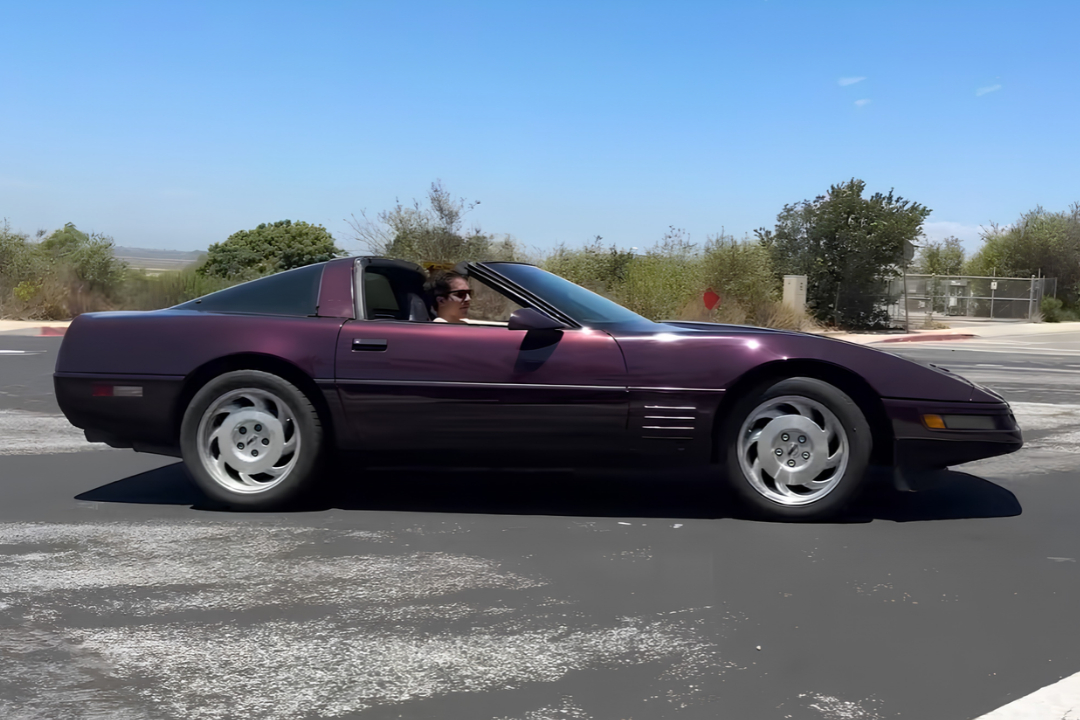
The calendar clearly favors Crosley. The Corvette was unveiled later, with the first production cars emerging from Flint, Michigan after June 30, 1953, which means the Hotshot had several seasons to define what an American sports car could be before Detroit’s big brands reacted. When you hear enthusiasts talk about how the Corvette became the country’s definitive performance nameplate, you can now place it in context: the Crosley Hot Shot had already shown that there was a market for a playful, open car in America, and it did that years before the fiberglass-bodied Chevrolet Corvette ever left Flint, Michigan.
Why Powel Crosley built a “sports car for the rest of us”
To understand why you should credit the Hotshot, you need to understand the man behind it. Powel Crosley, described as part engineer, part entrepreneur, part salesman, treated cars as another arena where he could experiment with compact, efficient ideas instead of chasing the heavy, chrome-laden sedans that dominated postwar showrooms. Earlier in his career, Powel Crosley had already shown a knack for spotting gaps in the market, and when he looked at postwar America, he saw drivers curious about nimble European machines yet priced out of imported exotica.
Your mental picture of American car buyers in that era probably leans toward big V8 coupes, but Crosley read the room differently. According to accounts of the company’s strategy, Crosley’s response was direct: build an affordable, lightweight sports car for the average buyer, not the country club elite. The brand, described in a Story Summary Overview as an automaker based in Cincinnati, Ohio that specialized in small, economical cars, leaned on that existing expertise in minimalism to create the Hotshot. Instead of chasing prestige, Crosley emphasized simplicity and affordability, a philosophy that later observers argue influenced American sports car construction in ways you can still see when you compare stripped-back track specials with their luxury counterparts.
What made the Crosley Hotshot a “sports car” at all
If you are used to modern performance numbers, the Hotshot’s specs sound almost comical, yet that is part of the charm. One of the key writeups on the car points out that the 1949 Crosley Hot Shot, happy, produced only 26.5hp from its tiny engine, a figure that would barely move a modern compact. The engine itself displaced just 724 cubic centimeters, and one of those tiny units, described as one of these tiny little cars, powered by just 724 cc, was enough to push the featherweight Hotshot into genuine competition success. You are not looking at brute force; you are looking at a clever pairing of low mass and modest power that made the car feel alive at legal speeds.
Chassis and packaging choices backed up that intent. Enthusiasts who catalog the brand’s history note that Crosleys were built 1939-52 with a pause during WW2, and that they went out of business because of engine problems and the public was not ready for such small cars, which shows you how radical the Hotshot really was in its own time. The car used simple construction, a short wheelbase, and minimal bodywork to keep weight down, and period descriptions of Hotshots having an 85 inch wheelbase underline just how tiny it was compared with the big American sedans around it. Slide into a Hotshot today and you feel closer to a go-kart than a boulevard cruiser, which is exactly what made it feel like a sports car to postwar buyers.
From Sebring to New York, how a “toy” earned real racing respect
You might assume a 26.5hp roadster could never matter in motorsport, yet the Hotshot punched far above its weight. One of the most striking stories involves a car driven by Ralph Deshon and Fritz Koster that won the inaugural running of the famous endurance event at Sebring, a result that forced bigger manufacturers to take the little Crosley seriously. The track itself emerged after Ulmann surveyed the criss-crossed runways of a former airfield and envisioned high-speed straightaways, and the fact that a tiny micro sports car could survive there for hours underlines how well its lightweight construction worked in the real world.
That competition pedigree extended beyond Florida. Fans of the 1950 Crosley Hot Shot Convertible describe how the Crosley Hot Shot Convertible may look like a toy, but do not be fooled, its modest power and 1,100 pound curb weight still allowed it to run in serious events, including high-profile races in New York. Another enthusiast account of America’s first postwar sports car notes that it was not long before Crosley began offering two different sports car bodies, one with doors and one without, to enthusiasts, which gave privateers flexibility when they wanted to build their own track specials. Line up those details and you see that you are not just dealing with a quirky city car; you are looking at a machine that proved itself under the harshest conditions available to American drivers at the time.
Why the Corvette got the glory and the Hotshot faded away
If the Hotshot arrived first and even won races, you might wonder why your mental sports car hall of fame starts with the Corvette instead. The answer lies in scale, branding, and timing. Accounts of Crosley’s production history point out that Crosleys were built 1939-52 with a pause during WW2, and that the company ultimately folded because of engine problems and the public’s reluctance to embrace such small cars in an era obsessed with size and power. By contrast, Chevrolet could throw the full weight of its dealer network and marketing machine behind the Corvette, which meant that once the fiberglass roadster appeared, it quickly rewrote the story of what an American sports car looked like.
Modern commentators who revisit the Hotshot often stress that, Before the Corvette and Thunderbird, there was a slow little post-war sports car with a much less thought-of name, and that car is the Crosley Hotshot. Another analysis of forgotten models notes that, Before the Corvette and Thunderbird, the United States already had a slow little post-war sports car with a much less glamorous badge, again pointing to Crosley. A more recent overview of American sports car history goes even further, arguing that it was a car that came along in 1949, four years before the Chevrolet Corvette first appeared on the scene, and that car is the Crosle Hotshot that would be named the Hotshot. When you combine those perspectives with a detailed review that calls the 1949 Crosley Hot Shot the first postwar American sports car and contrasts it directly with Chevrolet, you end up with a clear conclusion: you should credit the Crosley Hotshot, not the Corvette, as the car that first showed America how much fun a small, dedicated sports machine could be.
More from Fast Lane Only