The market for muscle cars, those high-performance vehicles with powerful engines and a distinct American heritage, has experienced significant shifts over the decades. From their golden era in the 1960s and 70s to their resurgence in the modern era, muscle cars have adapted to changing consumer preferences, economic conditions, and regulatory landscapes. The evolution of the muscle car market has been shaped by various factors, influencing its transformation through the years.
The Golden Age of Muscle Cars
Rise in Popularity (1960s-1970s)
The 1960s and 1970s marked the golden era of muscle cars, fueled by a unique blend of cultural and economic factors. Youth culture was at the forefront, with a rebellious spirit and a burgeoning desire for speed and power manifesting in the automotive world. This era saw an unprecedented demand for cars that offered thrilling performance and affordable prices, a demand met by an eager American auto industry. The relatively low cost of fuel during this time further boosted the appeal of these high-performance vehicles, making them accessible to the masses.
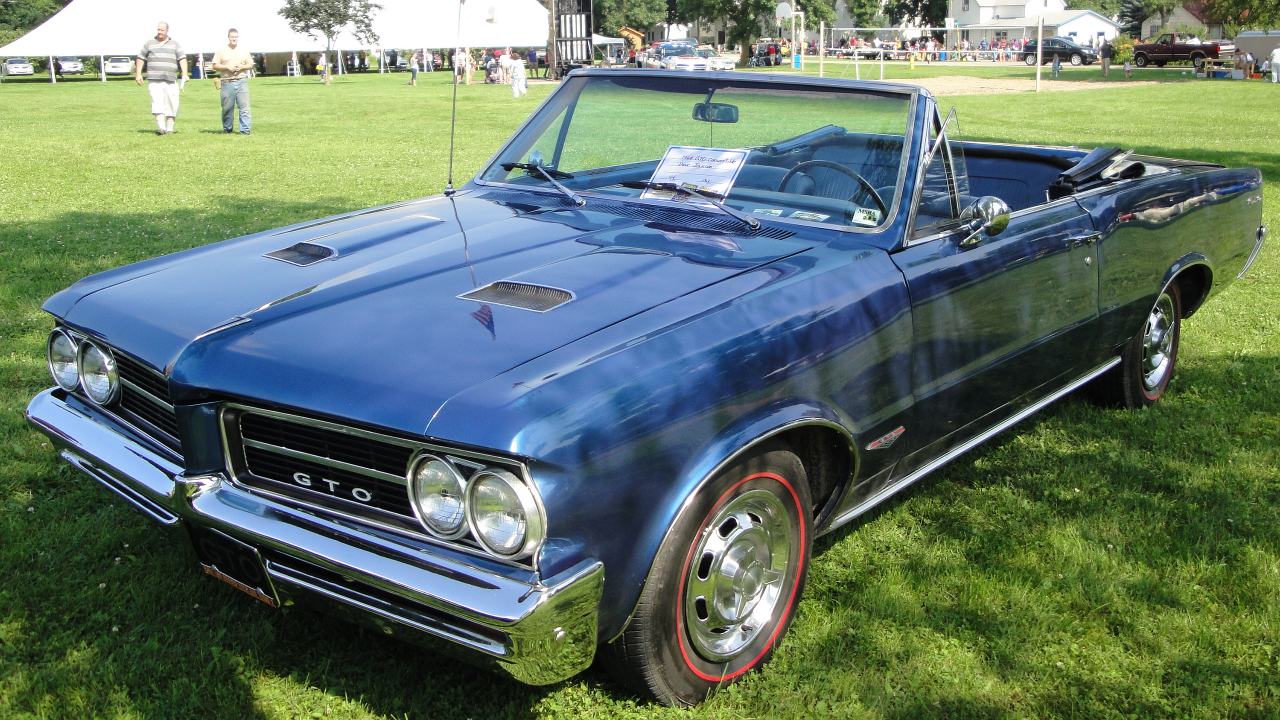
Muscle cars like the 1964 Pontiac GTO and the 1965 Ford Mustang quickly became symbols of freedom and individuality. These vehicles weren’t just about getting from point A to point B; they represented a lifestyle choice. The Mustang, in particular, captured the imagination of the American public, with its sleek design and powerful engine setting the standard for what a muscle car should be.
Iconic Models and Brands
Several models emerged as icons of this era, each contributing to the rich tapestry of American car culture. The 1969 Chevrolet Camaro, with its aggressive styling and robust performance, quickly became a favorite among enthusiasts. Meanwhile, the Dodge Charger, especially the 1968 model, gained fame not only for its performance but also for its appearances in popular media, cementing its place in automotive history.
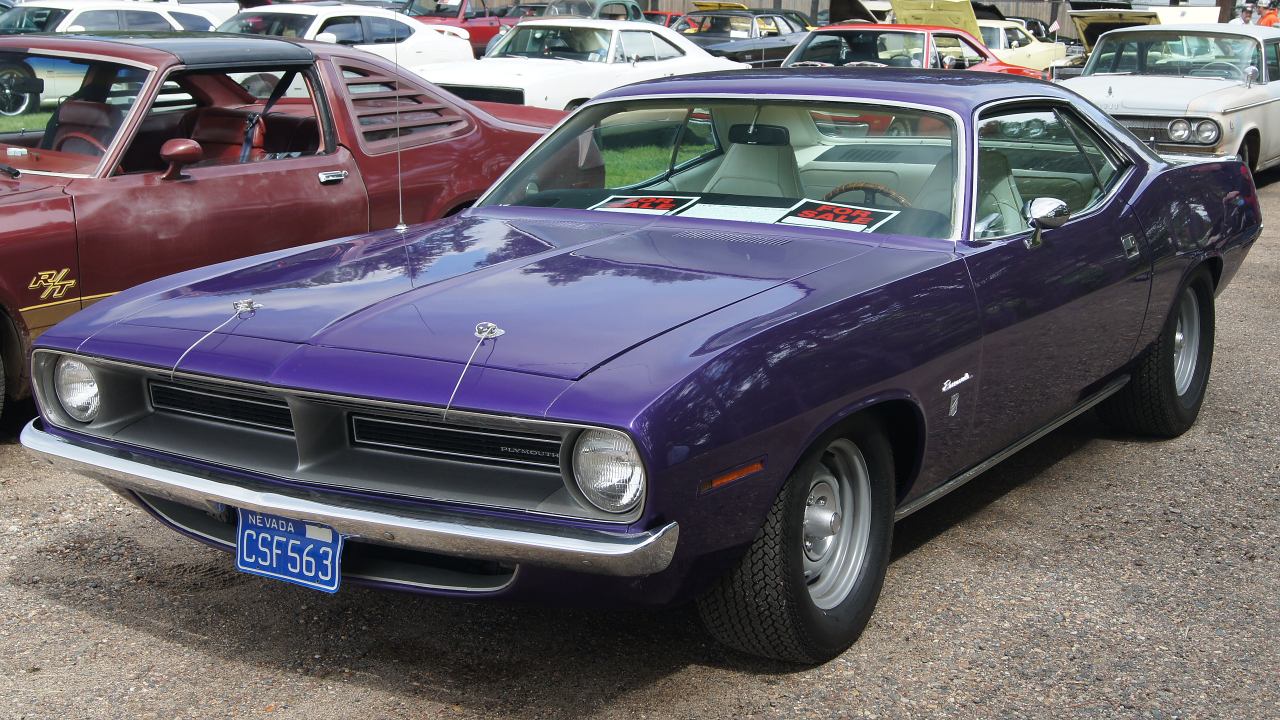
These cars, produced by brands like Ford, Chevrolet, and Dodge, were more than just vehicles; they were cultural milestones. The 1970 Plymouth Barracuda, known for its distinctive design and powerful Hemi engine, exemplified the innovation and daring of the era. These models have left an indelible mark on the automotive landscape, influencing generations of car designers and enthusiasts.
Challenges of the Era
Towards the end of this golden age, the muscle car market faced significant challenges. The oil crisis of the 1970s, marked by skyrocketing fuel prices, dampened the public’s enthusiasm for gas-guzzling vehicles. As a result, many consumers shifted their focus towards more fuel-efficient options, leaving muscle cars in a precarious position.
In addition to economic pressures, stricter emission regulations imposed by the government forced car manufacturers to rethink their strategies. The Environmental Protection Agency (EPA) introduced new standards that required significant changes to vehicle design and performance. These regulations, coupled with changing consumer preferences, signaled a decline in the popularity of traditional muscle cars by the mid-1970s.
The Decline and Dormancy
Impact of the Oil Crisis and Regulations
The 1973 oil embargo had a profound impact on the automotive industry, particularly affecting the production and popularity of muscle cars. As fuel prices soared, consumers were forced to reconsider their automotive choices. The era of the muscle car, characterized by its thirst for gasoline, seemed to be coming to an end.
Stricter emission standards also contributed to the decline. The Clean Air Act amendments of 1970 mandated significant reductions in vehicle emissions, prompting manufacturers to focus on efficiency over raw power. As a result, the once-thriving muscle car market entered a period of dormancy, with many iconic models disappearing from production lines.
Shift in Consumer Preferences
During this period, there was a noticeable shift in consumer preferences. As environmental awareness grew, so did the demand for more practical and fuel-efficient vehicles. Compact cars and sedans began to dominate the market, reflecting a broader societal shift towards sustainability and economy.
Automakers responded by developing vehicles that prioritized efficiency over performance. The cultural shift away from speed and power towards practicality and economy marked a significant turning point for the muscle car industry. Models like the 1978 Honda Accord and the 1975 Volkswagen Golf gained popularity, epitomizing the growing trend towards efficiency and practicality.
The Resurgence of Muscle Cars in the 21st Century
Nostalgia and Revival
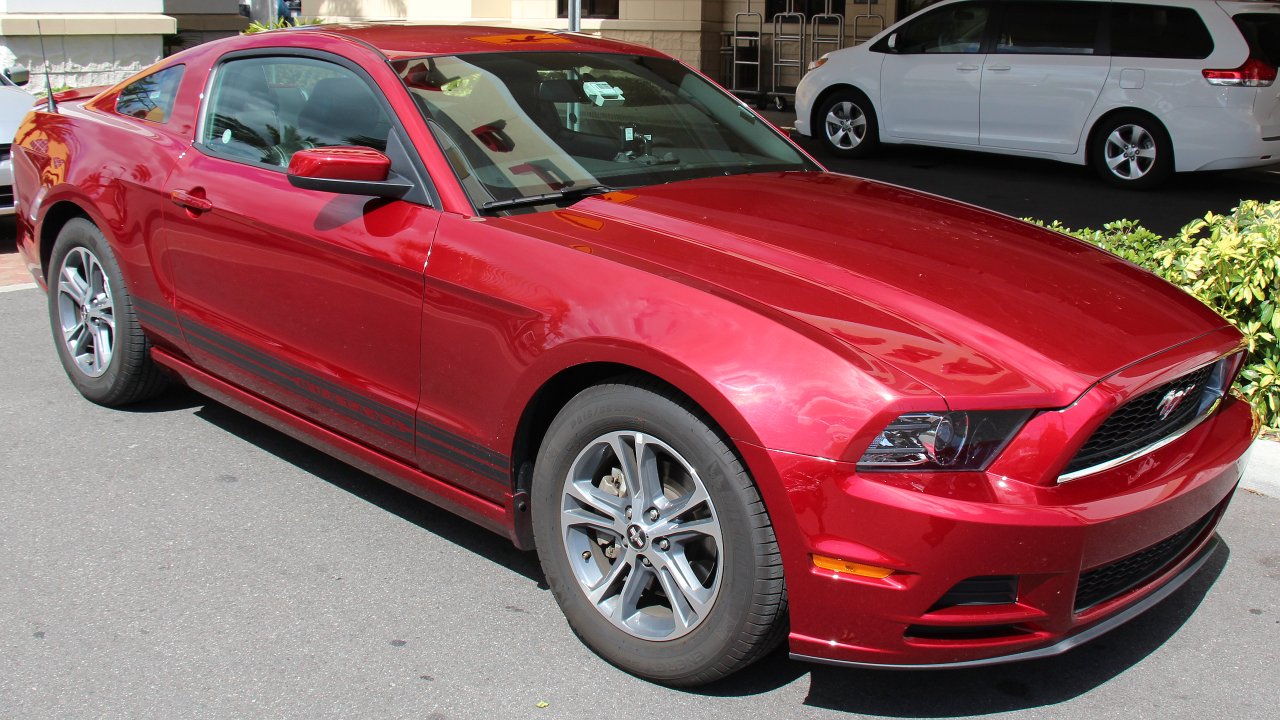
In the early 21st century, a wave of nostalgia swept through the automotive industry, sparking a revival of interest in muscle cars. Manufacturers capitalized on this trend by resurrecting classic models with modern enhancements. The introduction of the 2005 Ford Mustang and the 2008 Dodge Challenger, both nods to their storied pasts, exemplified this resurgence.
These modern iterations retained the spirit of the originals while incorporating contemporary technology and design. The blend of nostalgia and innovation attracted a new generation of enthusiasts, eager to experience the thrill of muscle cars with the benefits of modern advancements.
Technological Advancements
Technological advancements have played a crucial role in the muscle car renaissance. Modern engineering has allowed manufacturers to produce vehicles that maintain high performance while adhering to stricter environmental standards. The 2010 Chevrolet Camaro, for example, offered cutting-edge features such as improved fuel efficiency and enhanced safety systems.
These advancements have not only preserved the essence of muscle cars but also expanded their appeal. By incorporating features like advanced infotainment systems and driver-assistance technologies, manufacturers have made muscle cars more accessible and attractive to a broader audience.
Cultural and Market Influences
The resurgence of muscle cars has also been influenced by cultural factors. Movies and media have played a significant role in reigniting public interest. Films like the “Fast & Furious” franchise have glorified the muscle car, depicting them as symbols of power and rebellion.
Additionally, a renewed interest in automotive heritage has contributed to the market’s revival. Car shows, enthusiast clubs, and online communities have fostered a sense of community among fans, further fueling the muscle car movement. These cultural influences, combined with technological innovations, have ushered in a new era for muscle cars.
The Modern Muscle Car Market
Diversity and Innovation
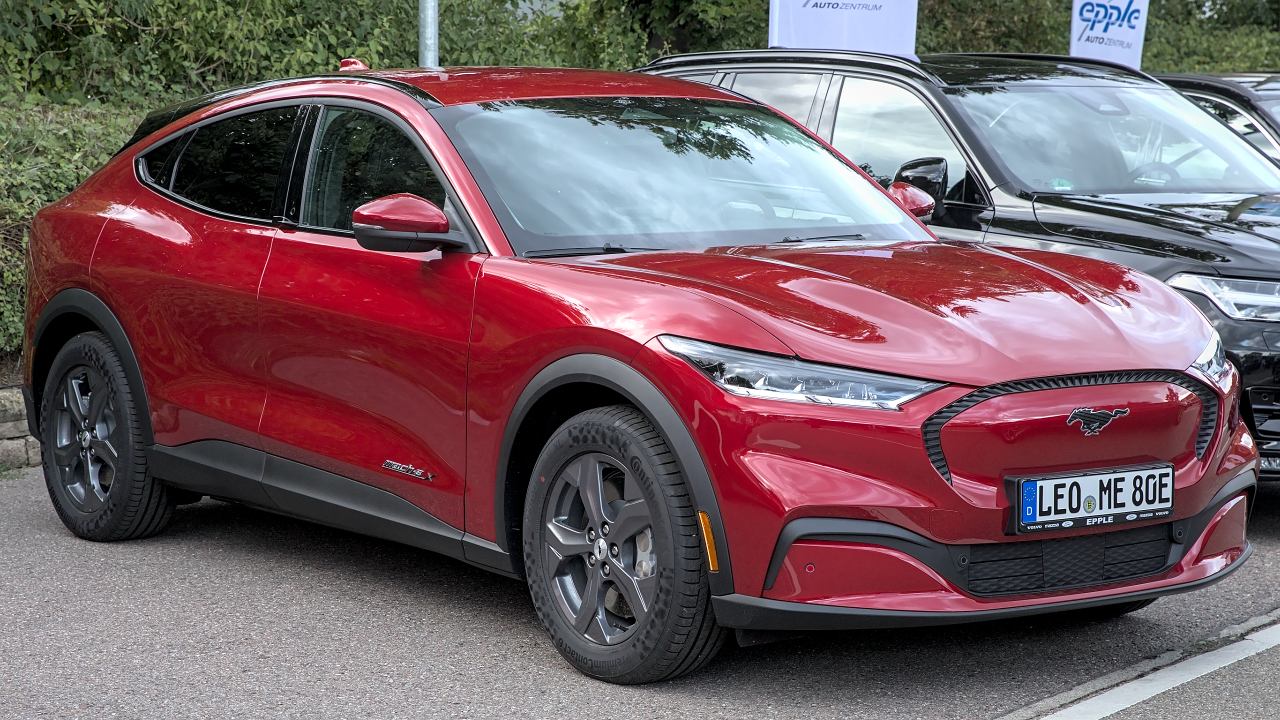
The modern muscle car market is characterized by diversity and innovation. Manufacturers are exploring new frontiers by incorporating hybrid and electric technologies into their models. The 2020 Ford Mustang Mach-E, an all-electric SUV, represents a bold step towards sustainable performance, blending the thrill of a muscle car with the practicality of an electric vehicle.
This diversification is designed to appeal to a broader audience, including environmentally conscious consumers. By embracing new technologies, automakers are redefining what it means to be a muscle car in the 21st century, ensuring their relevance in a rapidly changing automotive landscape.
Economic and Environmental Considerations
Today’s muscle car market is heavily influenced by economic and environmental considerations. With fluctuating fuel prices and growing concerns about climate change, manufacturers are under pressure to produce vehicles that are both powerful and efficient. The 2022 Dodge Charger SRT Hellcat, for instance, offers impressive performance while incorporating fuel-saving technologies.
Environmental regulations continue to shape the industry, prompting manufacturers to invest in research and development to meet stringent standards. These efforts are not only about compliance but also about staying competitive in a market where sustainability is increasingly important to consumers.
Global Influence and Competition
The global market and competition from international car manufacturers have also impacted the American muscle car landscape. Brands like BMW and Mercedes-Benz offer performance-oriented models that compete with traditional American muscle cars, pushing domestic automakers to innovate and differentiate their offerings.
As the muscle car market becomes more globalized, American manufacturers are challenged to maintain their heritage while appealing to a worldwide audience. This dynamic has led to the development of models that balance classic American muscle with international sensibilities, ensuring their place in the global market.
Future Trends and Prospects
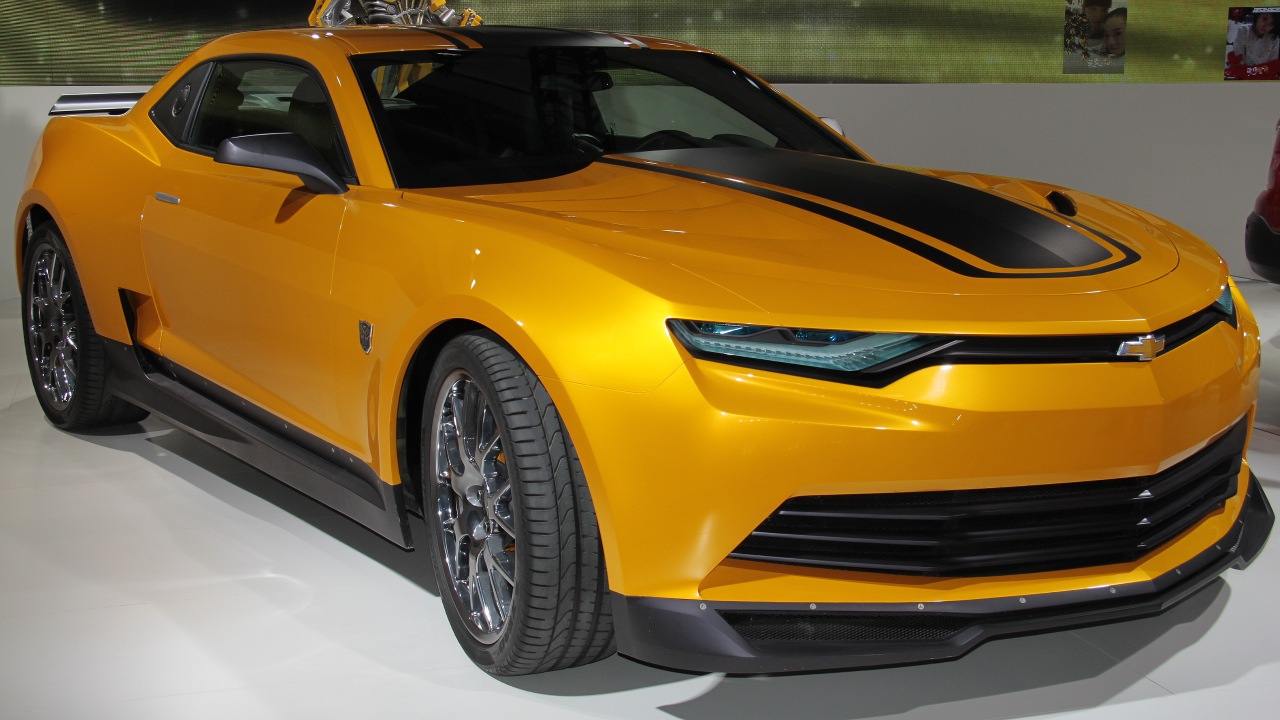
Sustainability and Innovation
The future of muscle cars is likely to be shaped by sustainability and innovation. As the world moves towards greener technologies, the muscle car industry must adapt to remain relevant. Advances in battery technology and electric drivetrains present exciting opportunities for manufacturers to create high-performance vehicles with minimal environmental impact.
Consumer Preferences and Market Dynamics
As consumer preferences continue to evolve, so too will the muscle car market. The demand for vehicles that offer both performance and practicality is expected to shape future developments. Manufacturers will need to balance tradition with modernity, catering to enthusiasts who value both heritage and innovation.
The market dynamics will also be influenced by external factors such as economic conditions and regulatory changes. Automakers must remain agile, adapting their strategies to meet the needs of a diverse and discerning customer base.
Potential Challenges Ahead
Despite the promising prospects, the muscle car market faces potential challenges. Regulatory changes could impose further restrictions on emissions and fuel consumption, necessitating significant adaptations in vehicle design. Additionally, shifts in automotive industry priorities, such as the focus on autonomous driving and connectivity, may divert resources away from traditional muscle car development.
Nonetheless, the enduring appeal of muscle cars, driven by a passionate community of enthusiasts, suggests that the market will continue to thrive. By embracing innovation and sustainability, the muscle car industry can overcome these challenges and carve a path towards a vibrant future.