Muscle cars, celebrated for their raw power and exhilarating performance, have carved out a unique niche in automotive history and the hearts of car enthusiasts. Yet, one crucial aspect that significantly impacts their resale value is mileage. Understanding how mileage affects the market value of muscle cars is essential for both buyers and sellers navigating this vibrant market.
The Significance of Mileage in Car Valuation
In the automotive market, mileage often serves as a primary indicator of a car’s wear and tear. Generally, the lower the mileage, the higher the value, as it implies less usage and potentially fewer mechanical issues. However, when it comes to muscle cars, mileage plays a more nuanced role. These vehicles, such as the iconic 1969 Ford Mustang, are often purchased not just for transportation, but for the sheer thrill of driving, making mileage a critical factor in their valuation.
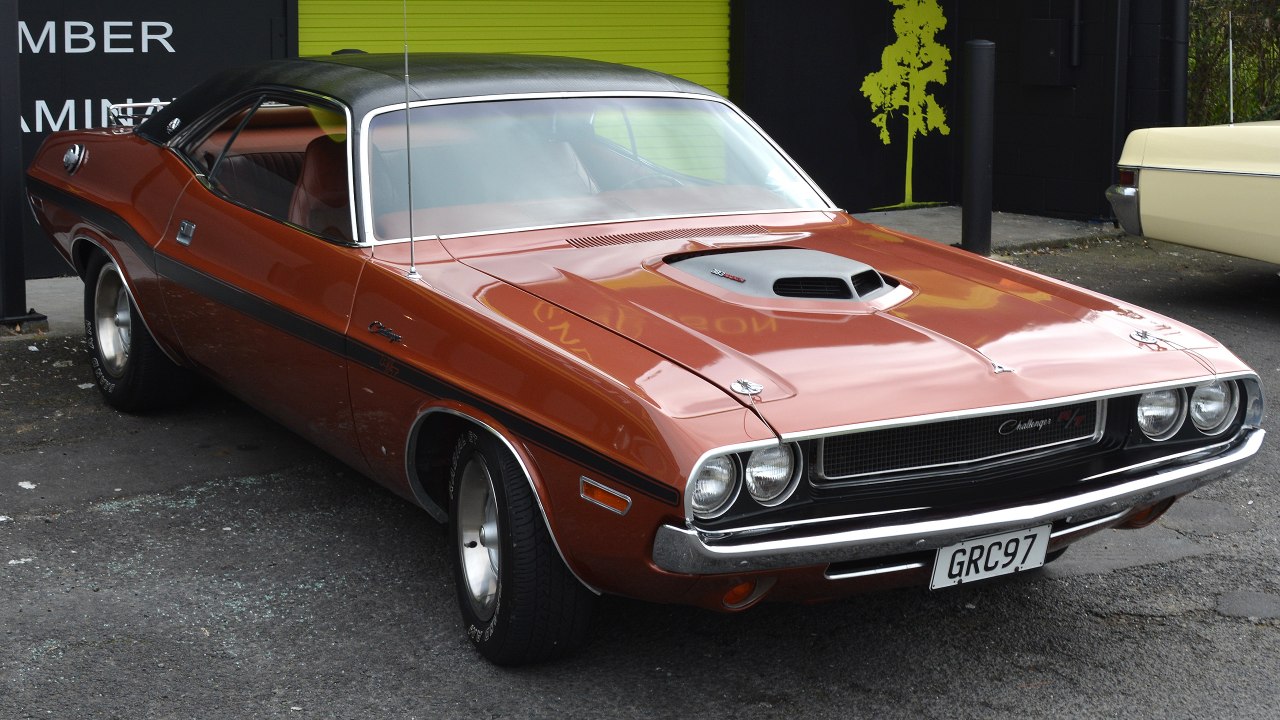
For muscle cars, mileage can directly influence depreciation rates. While a modern sedan might depreciate steadily over time, a classic muscle car with low mileage might retain or even increase in value. The relationship between mileage and depreciation is particularly pronounced in sought-after models like the 1970 Dodge Challenger, where collectors prize well-preserved examples with low odometer readings. Understanding this dynamic is key for anyone looking to buy or sell a muscle car.
The Buyer’s Perspective

From the buyer’s standpoint, the mileage on a muscle car can significantly impact their purchasing decision. High-mileage examples may be viewed with skepticism due to potential wear on critical components like the engine and transmission. Conversely, low-mileage muscle cars, such as a 2015 Chevrolet Camaro ZL1 with under 20,000 miles, are often more appealing, suggesting less wear and a longer remaining lifespan.
However, buyers should not discount high-mileage vehicles outright. They must consider the car’s maintenance history and how well it has been cared for. A well-documented service history can mitigate concerns about high mileage. Additionally, when evaluating a muscle car’s mileage, buyers should consider the car’s age and model. For instance, a 1987 Buick Grand National with 80,000 miles may be more desirable than a newer model with the same mileage, due to its classic status and limited production.
The Seller’s Strategy
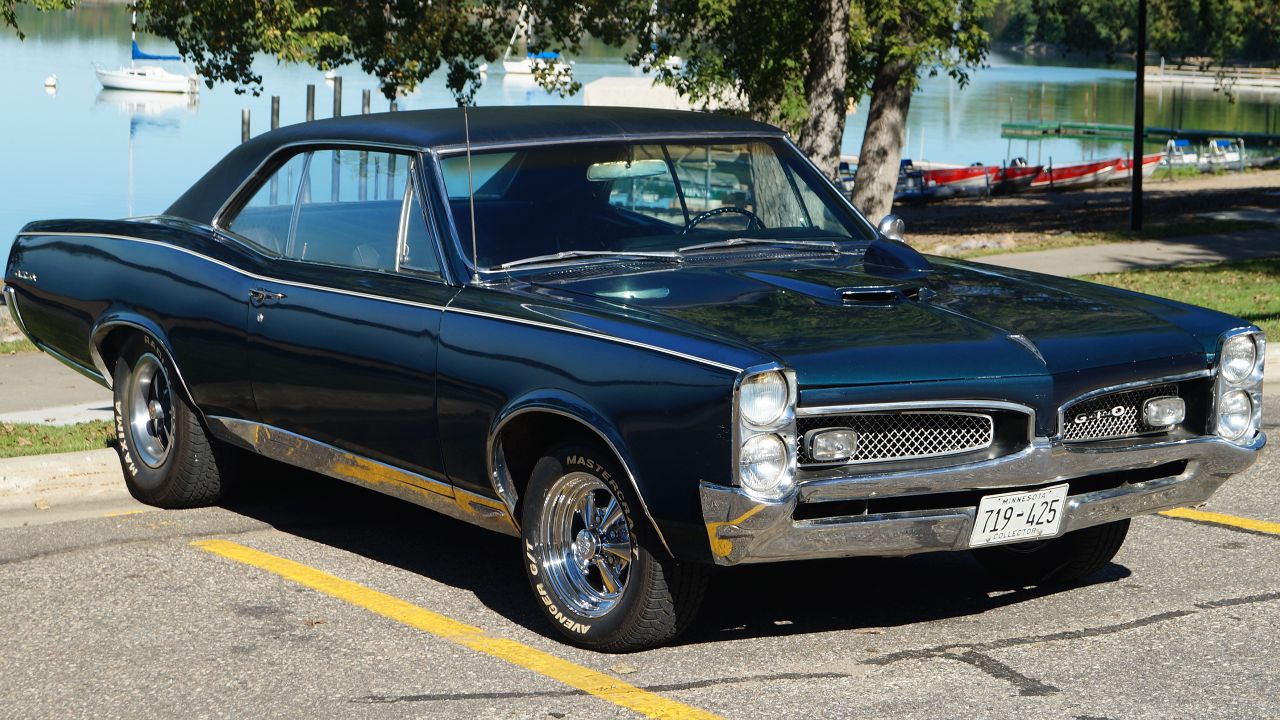
Sellers aiming to maximize the resale value of a high-mileage muscle car must employ strategic approaches. Highlighting comprehensive maintenance records and any restorative work can be crucial. For example, presenting detailed service logs for a 1967 Pontiac GTO can reassure potential buyers of the vehicle’s condition and history, potentially boosting its resale value despite higher mileage.
Pricing strategies should also reflect current market trends. Sellers should research recent sales of similar models, like a 1971 Plymouth Barracuda, to gauge appropriate pricing. Additionally, sellers can enhance a vehicle’s appeal by emphasizing unique features or aftermarket enhancements that might attract enthusiasts. Transparency and thorough documentation are vital in building buyer trust and achieving a favorable sale.
Case Studies and Market Trends
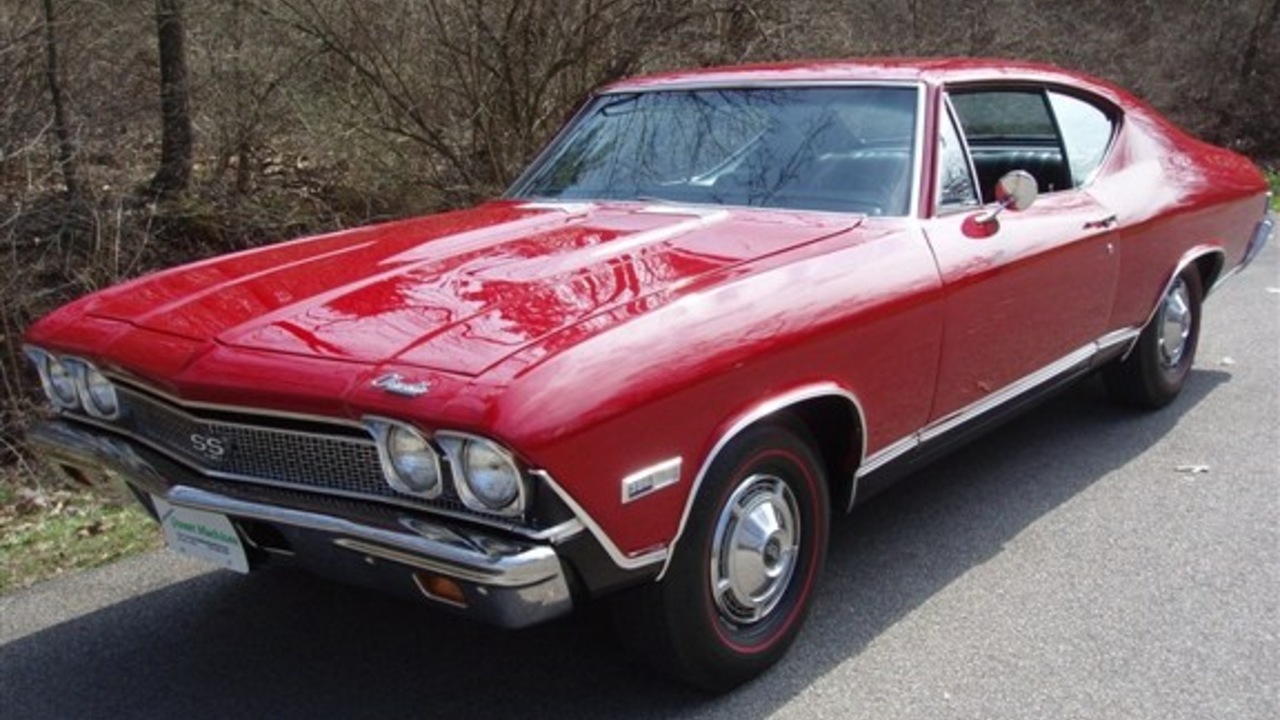
Recent market data reveals interesting trends in muscle car sales, particularly concerning mileage. Models like the 1968 Chevrolet Chevelle SS have shown that well-preserved examples with lower mileage tend to command premium prices at auctions. This trend underscores the importance of mileage as a key factor in muscle car valuation.
Specific muscle car models exhibit distinct depreciation patterns. For instance, the 1978 Pontiac Trans Am is known for its resilience against depreciation when maintained properly. According to experts, such as seasoned dealers and collectors, mileage significantly impacts these cars’ market performance. Their insights suggest that while low mileage can enhance value, a well-documented history is equally critical for high-mileage vehicles.
Tips for Buyers and Sellers
For buyers, evaluating mileage is crucial, but it should not be the sole deciding factor. Prospective buyers should also assess the car’s overall condition, maintenance history, and any signs of wear or damage. This holistic approach can help buyers make informed decisions, ensuring they select a muscle car that meets their expectations and budget.
Sellers, on the other hand, should focus on preparing their high-mileage muscle cars for sale by addressing any mechanical issues and enhancing the vehicle’s appearance. Marketing efforts should highlight the car’s strengths, such as unique features or recent upgrades. Additionally, both buyers and sellers can benefit from negotiating prices that reflect the car’s mileage and condition, ensuring a fair transaction for all parties involved.