The automotive industry has seen remarkable transformations in design and engineering over the decades. Some vehicles have not only redefined aesthetics but have also influenced the design philosophy of future cars. The following list highlights nine cars that introduced styling unlike anything before them, showcasing how innovation and creativity can redefine automotive beauty.
Ford Model T (1908)
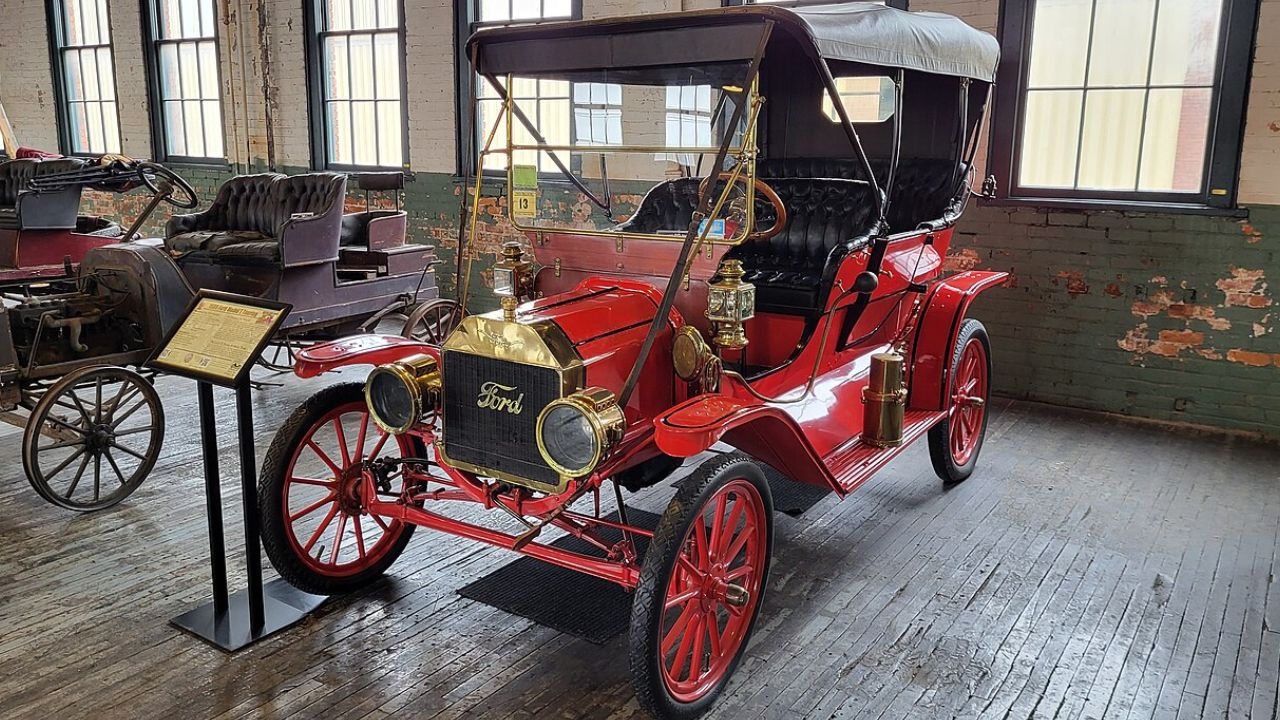
The Ford Model T revolutionized the automobile industry when it was launched in 1908. Its simple yet functional design made it accessible to the masses, effectively changing transportation forever. The vehicle featured a streamlined silhouette that was unlike any other car at the time, focusing on efficiency and utility. Henry Ford’s production techniques allowed for affordability, making car ownership a reality for many Americans. The Model T’s impact extended beyond its styling; it laid the groundwork for modern manufacturing processes and inspired countless vehicle designs in the decades that followed.
Its success was not solely due to its mechanical reliability but also its aesthetic appeal. The Model T’s design, characterized by its high hood and flat windshield, introduced an era of automotive design that prioritized functionality without sacrificing style. Its legacy continues to be felt in the design philosophy of many manufacturers today, underscoring the importance of blending form and function.
Chrysler Airflow (1934)
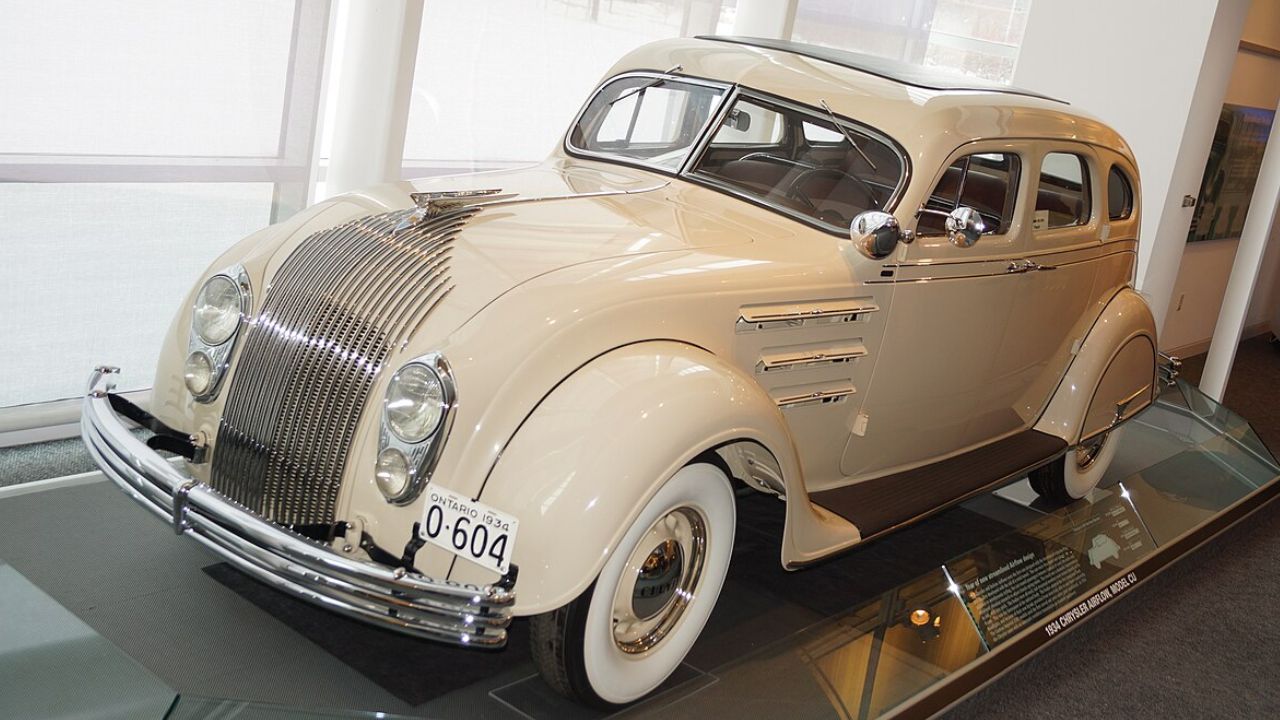
The Chrysler Airflow, unveiled in 1934, was a groundbreaking vehicle that introduced aerodynamic design concepts to the automotive world. Its streamlined shape and rounded edges set a new standard for car aesthetics, emphasizing not just beauty but also efficiency. The Airflow’s design was based on principles borrowed from aviation, a radical departure from the boxy shapes of its contemporaries. This innovative approach aimed to reduce air resistance, making it a pioneer of performance-oriented styling.
Despite its futuristic design, the Airflow struggled with public acceptance, as consumers were not ready to embrace such a radical shift. However, its influence is undeniable; it paved the way for future designs that would prioritize aerodynamics and fluidity. The Chrysler Airflow remains a testament to the idea that sometimes, bold moves in design can lead to significant advancements in automotive engineering.
Jaguar E-Type (1961)
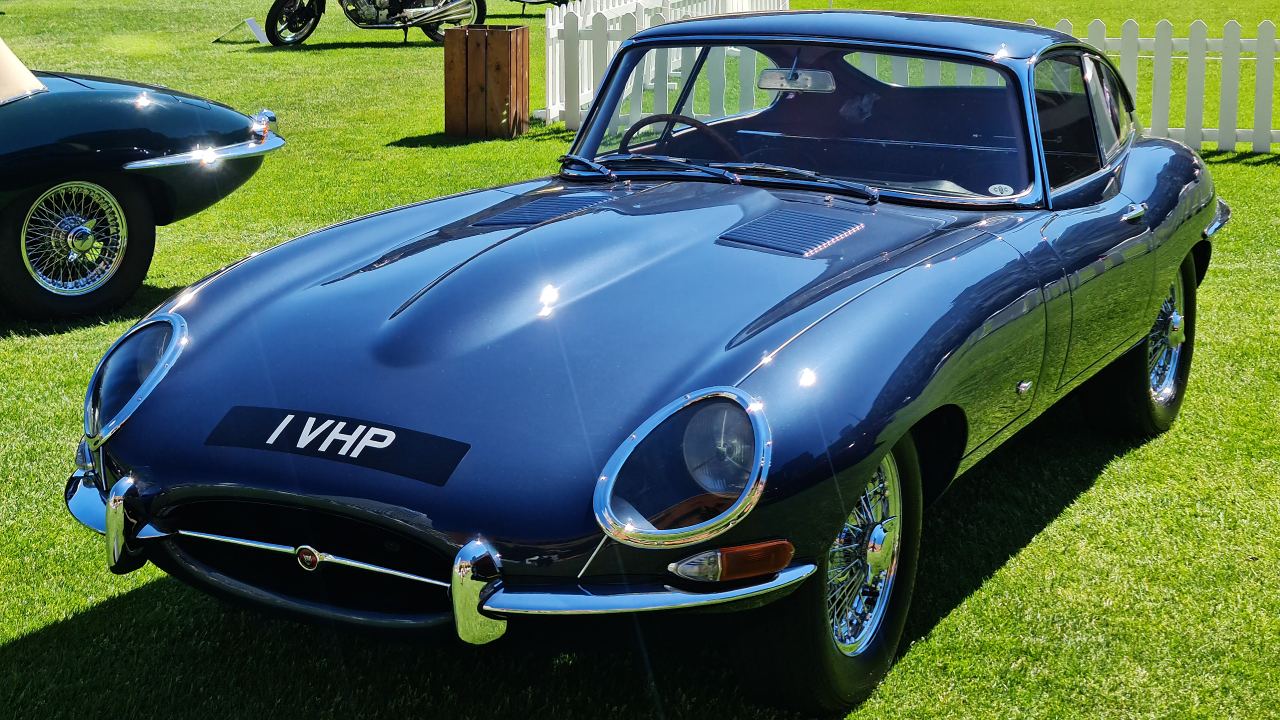
When the Jaguar E-Type was launched in 1961, it stunned the automotive world with its stunningly sleek lines and performance capabilities. Often regarded as one of the most beautiful cars ever made, the E-Type combined a long hood with a short rear, creating an aggressive yet elegant profile. Its design was not just about aesthetics; it was engineered for speed and agility, featuring a lightweight body and powerful engine options.
The E-Type’s blend of style and substance quickly captured the hearts of enthusiasts and collectors alike. Its iconic status has influenced generations of sports cars, and its timeless design continues to inspire manufacturers today. The Jaguar E-Type remains a symbol of automotive excellence and a benchmark for beauty in car design.
Chevrolet Corvette Stingray (1963)
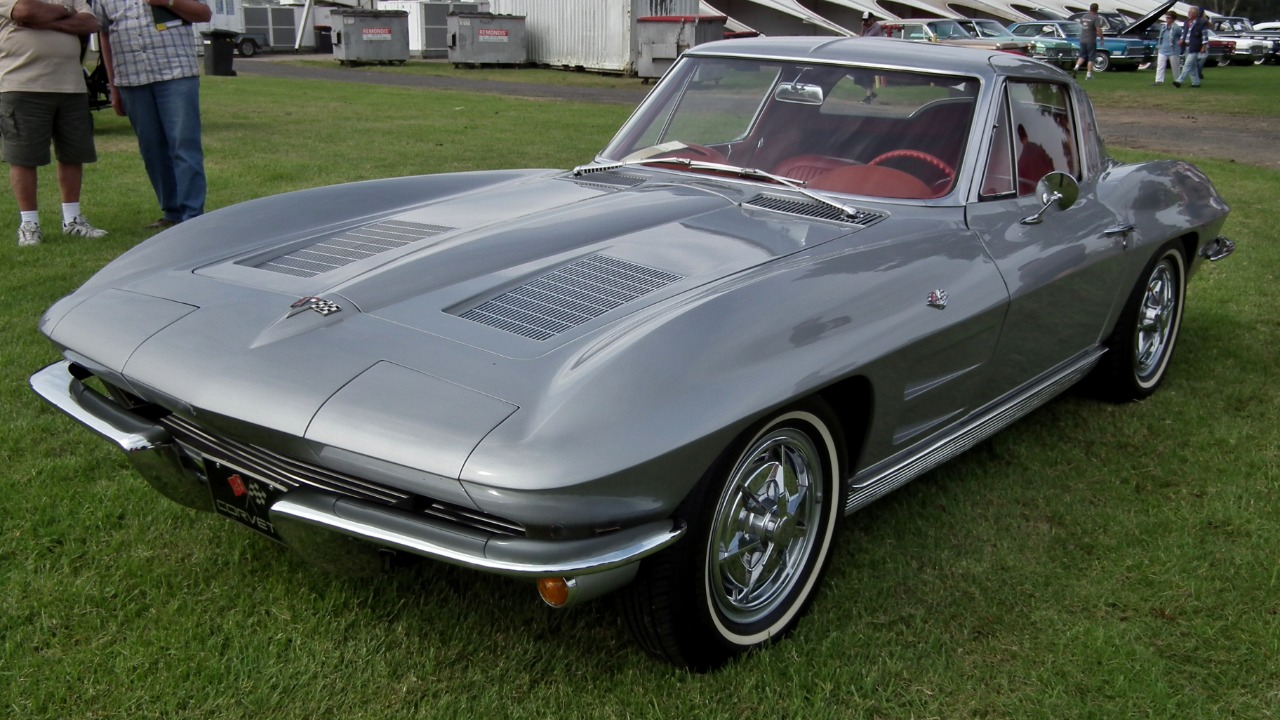
The introduction of the Chevrolet Corvette Stingray in 1963 marked a significant milestone in American automotive design. With its distinctive split rear window and sculpted bodywork, the Stingray showcased a radical departure from previous Corvette models. The design highlighted sharp angles and flowing lines, emphasizing performance and agility. It was not merely a design choice; the Stingray’s aerodynamics contributed to enhanced speed and handling.
This iconic vehicle quickly became synonymous with American sports cars, representing freedom and adventure on the open road. The Stingray’s influence can still be seen in modern Corvette models, which continue to evolve while paying homage to their storied heritage. The 1963 Stingray remains a classic example of how design can elevate a car to legendary status.
Citroën DS (1955)

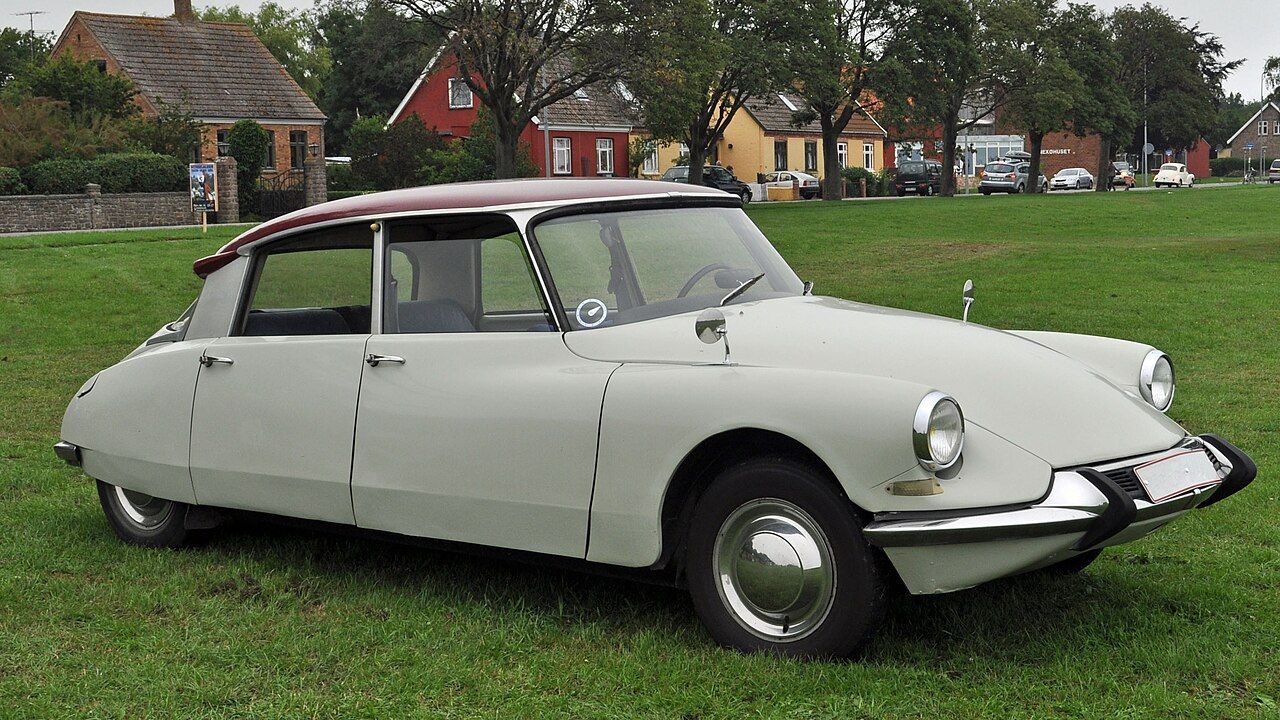
Launched in 1955, the Citroën DS is celebrated for its avant-garde design and innovative technology. The DS featured a futuristic aerodynamic shape, complete with smooth curves and a distinctive silhouette that set it apart from other vehicles of its time. Its unique styling was complemented by advanced features such as hydropneumatic suspension and disc brakes, providing an unparalleled driving experience.
The car’s revolutionary design and technology earned it a cult following, and it became an icon of automotive design in the mid-20th century. The Citroën DS’s combination of elegance and practicality paved the way for modern luxury sedans, showcasing how innovative design can change perceptions of what a car can be.
Lamborghini Miura (1966)
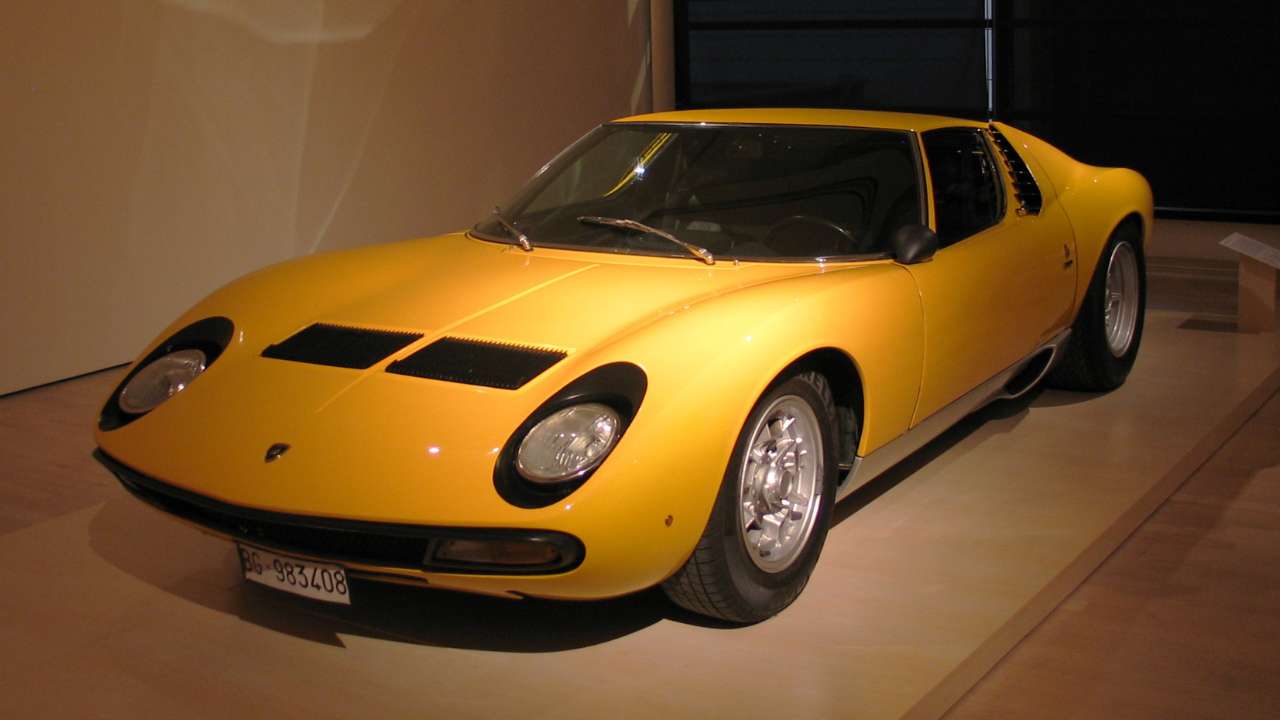
The Lamborghini Miura, unveiled in 1966, is often hailed as the first supercar, thanks to its revolutionary design and performance capabilities. The Miura’s low-slung body and curvaceous lines were unlike anything seen before, combining aggressive styling with elegance. Its mid-engine layout not only improved handling but also contributed to its striking proportions, making it a stunning visual masterpiece.
The Miura’s design has had a lasting influence on the supercar segment, inspiring countless models that followed. Its legacy is evident in modern performance vehicles, proving that the Miura was not just about speed but also about the art of design. The Lamborghini Miura remains a benchmark for those seeking a blend of aesthetics and engineering excellence.
BMW i8 (2014)

Fast forward to 2014, and the BMW i8 arrived, showcasing a futuristic approach to automotive design and sustainability. Featuring a strikingly aerodynamic shape with scissor doors, the i8 was not just a visual statement but also a hybrid sports car that redefined efficiency. Its combination of a gasoline engine and electric motors provided an exhilarating driving experience while maintaining a focus on reducing environmental impact.
The i8’s unique aesthetic and innovative technology garnered significant attention, positioning it as a leader in the luxury hybrid market. Its design philosophy reflects BMW’s commitment to sustainability without compromising performance, setting a precedent for future eco-friendly sports cars. The BMW i8 stands as a symbol of how modern design can harmonize with environmental consciousness.
Tesla Model S (2012)

When the Tesla Model S was introduced in 2012, it marked a significant shift in the automotive industry towards electric vehicles. Its minimalist design, highlighted by a smooth silhouette and expansive glass roof, set a new standard for electric car aesthetics. The Model S combined luxury with performance, offering impressive acceleration and a high-tech interior that appealed to tech-savvy consumers.
Its success contributed to the mainstream acceptance of electric vehicles, showcasing that they could be desirable and performant. The Tesla Model S has influenced numerous manufacturers to rethink their design strategies, proving that electric vehicles can be both stylish and practical. This car has not only changed the landscape of the automotive market but has also redefined the expectations of what an electric vehicle can achieve.
Lucid Air (2021)

Most recently, the Lucid Air, introduced in 2021, exemplifies the next generation of electric vehicles with its breathtaking design and cutting-edge technology. With a focus on luxury and performance, the Lucid Air features a sleek, aerodynamic profile that enhances its range and efficiency. The spacious interior, filled with advanced technology and sustainable materials, redefines luxury in the EV segment.
The Air’s innovative design elements, including its unique lighting and streamlined body, set it apart in a crowded market. It represents a new wave of electric vehicles that prioritize both aesthetics and functionality, challenging established norms and pushing the boundaries of automotive design. The Lucid Air symbolizes a future where electric cars can embody luxury and performance without compromise.
More from Fast Lane Only