Registering and titling an antique or vintage car can be a rewarding journey for classic car enthusiasts, but it comes with its own set of challenges and requirements. Understanding the specific processes and legalities involved is crucial to ensuring your prized possession is both legally compliant and fully appreciated. A comprehensive guide can help you navigate the intricacies of registering and titling your antique or vintage automobile.
Understanding Antique and Vintage Car Classifications
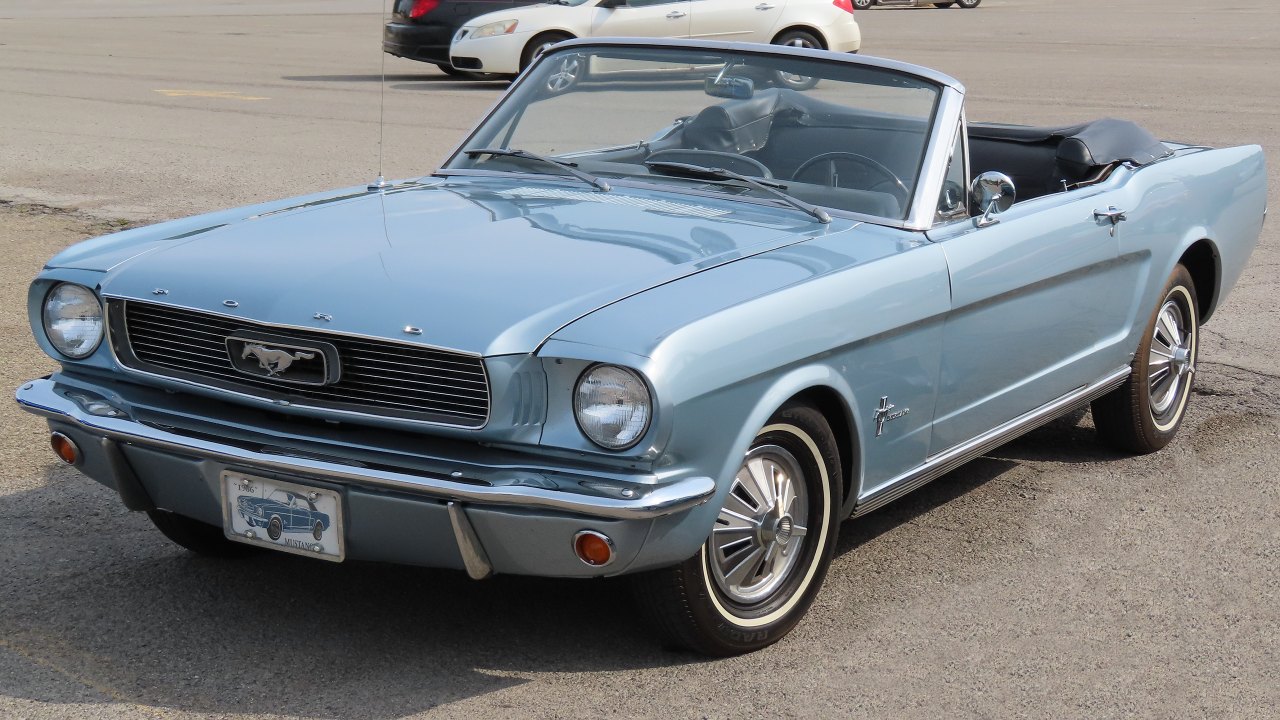
Antique and vintage cars are often defined by their age and historical value. Generally, vehicles manufactured before a certain year are considered antique; for example, cars that are at least 25 to 50 years old often fall into this category. A classic example is the 1965 Ford Mustang, which, due to its age and cultural significance, is typically classified as an antique. The term “vintage” is sometimes used interchangeably with antique, but it often refers specifically to vehicles produced between 1919 and 1930.
Proper classification of your vehicle is crucial not just for your personal satisfaction but also for legal and insurance reasons. Many insurance companies offer specialized policies for antique or vintage cars, often at a lower rate due to their limited use. Additionally, correct classification can affect your vehicle’s registration fees and taxes. However, criteria for classification can vary significantly depending on your location. For instance, what qualifies as an antique car in California may differ from the standards in Texas or even the UK. It’s essential to consult local regulations to ensure accurate classification.
Gathering Necessary Documentation
Proving ownership of your antique or vintage car is the first step in the registration and titling process. This typically requires documents such as a bill of sale, a previous title, or a manufacturer’s certificate of origin. If you’re the proud owner of a 1957 Chevrolet Bel Air, for example, having these documents on hand will streamline the process. Some states may also require a notarized affidavit or additional proof if the vehicle was bought out of state or inherited.
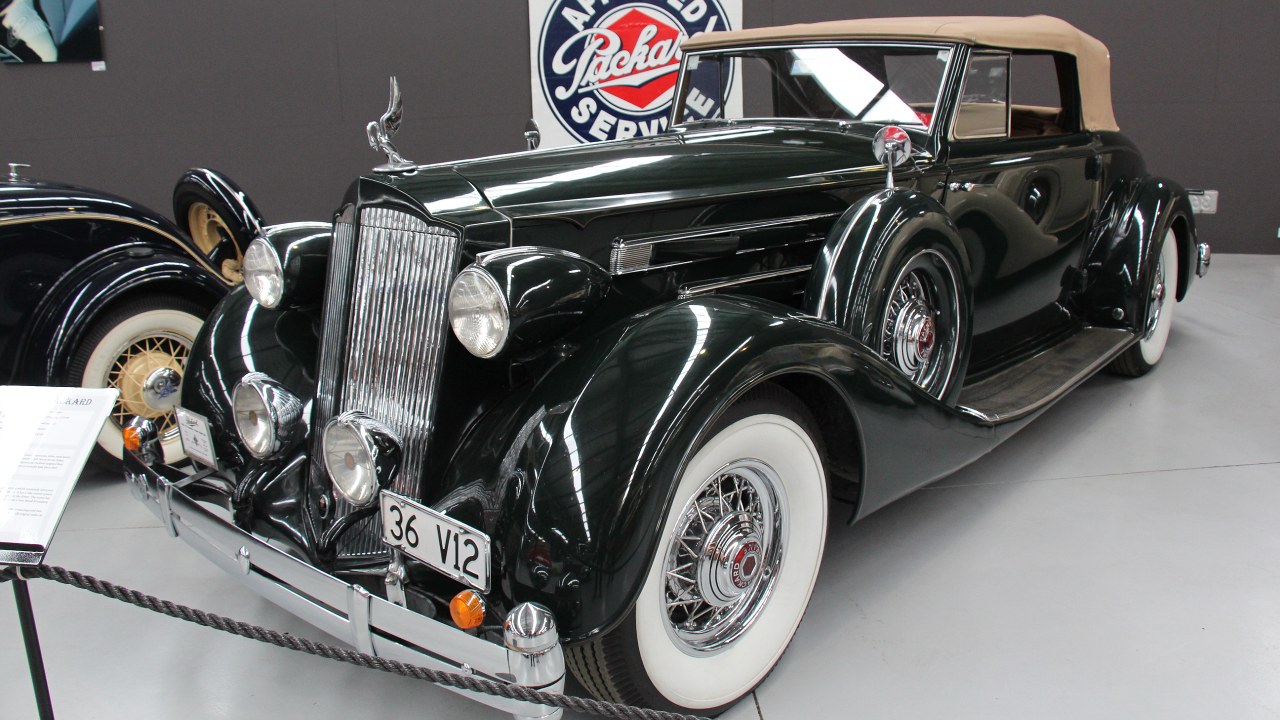
The Vehicle Identification Number (VIN) verification is another critical step. This unique code is used to track the car’s history and confirm its authenticity. Conducting a VIN check can reveal previous ownership details, accident history, and more. For vintage cars that might have undergone restoration, such as a 1932 Packard Twin Six, having restoration records can be invaluable. These documents not only enhance the car’s provenance but also can be helpful during resale or appraisal.
Navigating the Registration Process
Registration requirements for antique and vintage cars can vary widely by state. While some states require emissions tests, others offer exemptions for older vehicles. For instance, a 1940 Buick Roadmaster might be exempt from emissions testing in a state like Pennsylvania, which recognizes the historical significance of antique vehicles. Understanding these variations can save time and help avoid unnecessary fees.
Fees and taxes are another consideration when registering your classic car. Many states offer reduced registration fees or tax breaks for antique vehicles, recognizing their limited road use and cultural significance. For example, owning a 1970 Dodge Challenger might qualify you for a reduced registration fee in states that support historic vehicle statuses. It’s advisable to check with your local Department of Motor Vehicles (DMV) for a comprehensive list of applicable fees and potential tax benefits.
Titling Your Antique or Vintage Car
The process of obtaining a title for your antique or vintage car involves several steps and can vary by location. Generally, you’ll need to complete an application form, provide proof of ownership, and pay a fee. In some cases, like with a rare 1928 Bentley 4 1/2 Litre, you may need additional documentation if the car lacks a current title. Special forms or signatures might also be required, especially if the car was inherited or purchased from a private seller.
If you’re dealing with a lost or missing title, don’t worry—there are solutions available. Contacting your local DMV is a good starting point, as they can guide you through the process of obtaining a duplicate title. In some states, you might need to submit a surety bond along with your application. For those looking to transfer ownership of their antique car, having a clear title is crucial. This ensures a smooth transaction and can add value to your vehicle, particularly if you plan to sell a sought-after model like the 1963 Porsche 911.
Insurance Considerations for Antique Cars
Choosing the right insurance policy for your antique car is a critical decision. Unlike standard auto insurance, policies for vintage cars often take into account the vehicle’s value, rarity, and usage. Agreed value policies are popular among owners of cars like the 1955 Mercedes-Benz 300SL Gullwing, as these policies ensure a pre-determined payout in the event of a total loss. This is different from stated value policies, which may depreciate the car’s value over time.
Maintaining appropriate coverage during the restoration process is another key consideration. If you’re restoring a classic like a 1969 Chevrolet Camaro, ensuring continuous insurance coverage is vital to protect your investment. Some insurance providers offer tailored policies that cover a vehicle during restoration, including parts and labor. Checking with specialized insurers can offer peace of mind and safeguard your vehicle throughout its journey back to its former glory.