Owning an antique or vintage car is a unique passion that comes with its own set of responsibilities, especially when it comes to insurance. Understanding the nuances of insuring these classic beauties is essential to protect your investment and ensure peace of mind. Delving into the key aspects of insurance is crucial for every antique and vintage car owner.
Understanding Antique and Vintage Car Classification
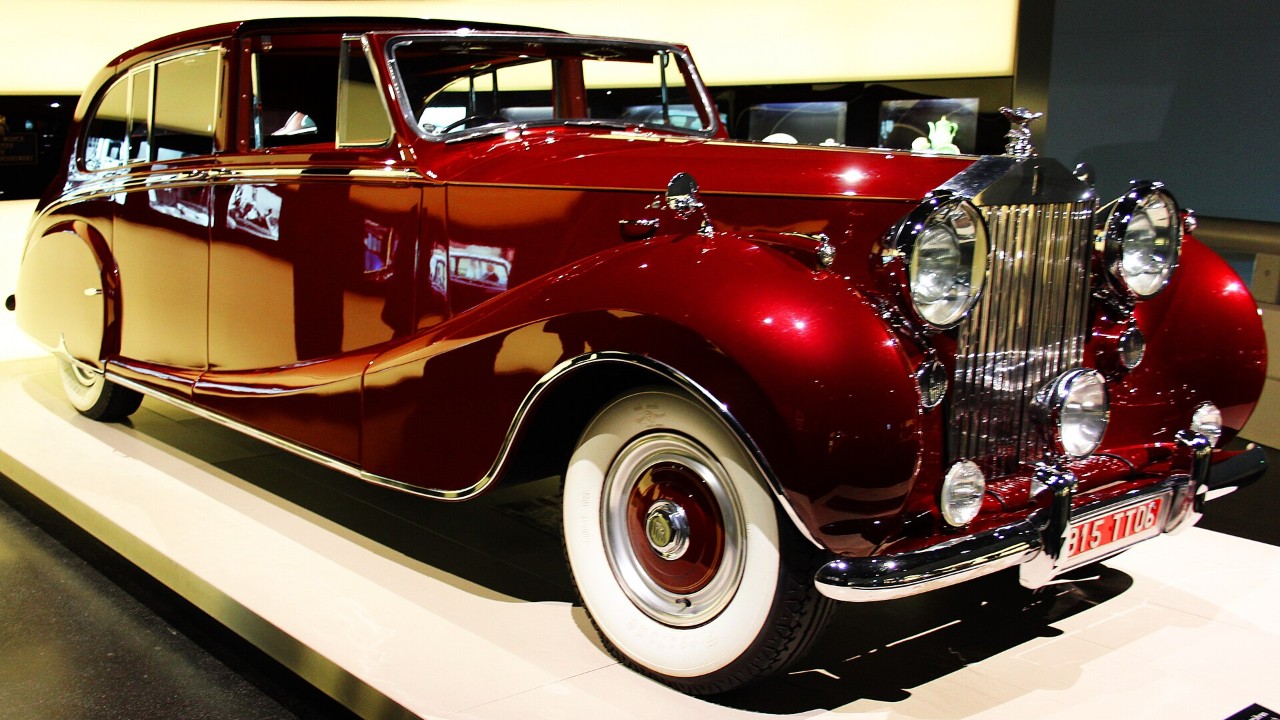
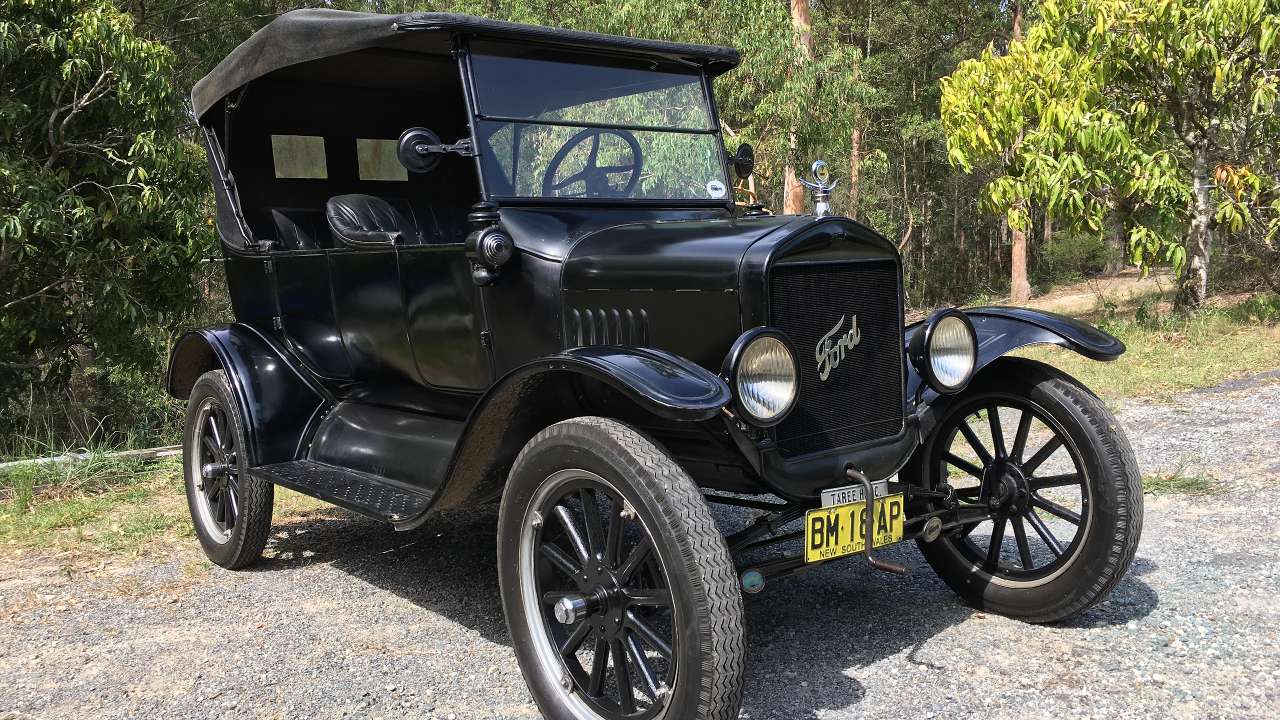
When it comes to defining antique versus vintage cars, the classification can be nuanced. Generally, an antique car is one that is over 45 years old, while a vintage car typically refers to those produced between 1919 and 1930. For example, a 1925 Ford Model T would be considered a vintage car, whereas a 1955 Chevrolet Bel Air would be classified as an antique. These distinctions are not just for enthusiasts but also play a significant role in how insurance companies assess the vehicle for coverage.
Accurate classification is vital as it directly impacts the insurance premiums and coverage options available to you. Incorrect classification could result in either insufficient coverage or unnecessarily high premiums. For instance, classifying a 1932 Cadillac V-16 as a standard vehicle rather than vintage could lead to a lack of proper valuation, ultimately affecting the payout you receive in case of a claim. Therefore, ensuring that your vehicle is correctly classified can save you both time and money in the long run.
Types of Insurance Coverage Available
For antique and vintage car owners, understanding the difference between agreed value and stated value policies is essential. Agreed value policies establish a mutual agreement between the insurer and insured on the car’s worth, ensuring you receive the full value agreed upon in the event of a total loss. This is particularly beneficial for vehicles like a 1967 Shelby GT500, which may have a high market value due to its rarity and condition. On the other hand, stated value policies allow the insurer to pay out the lesser of the car’s depreciated value or the stated amount, which might not fully cover the loss.
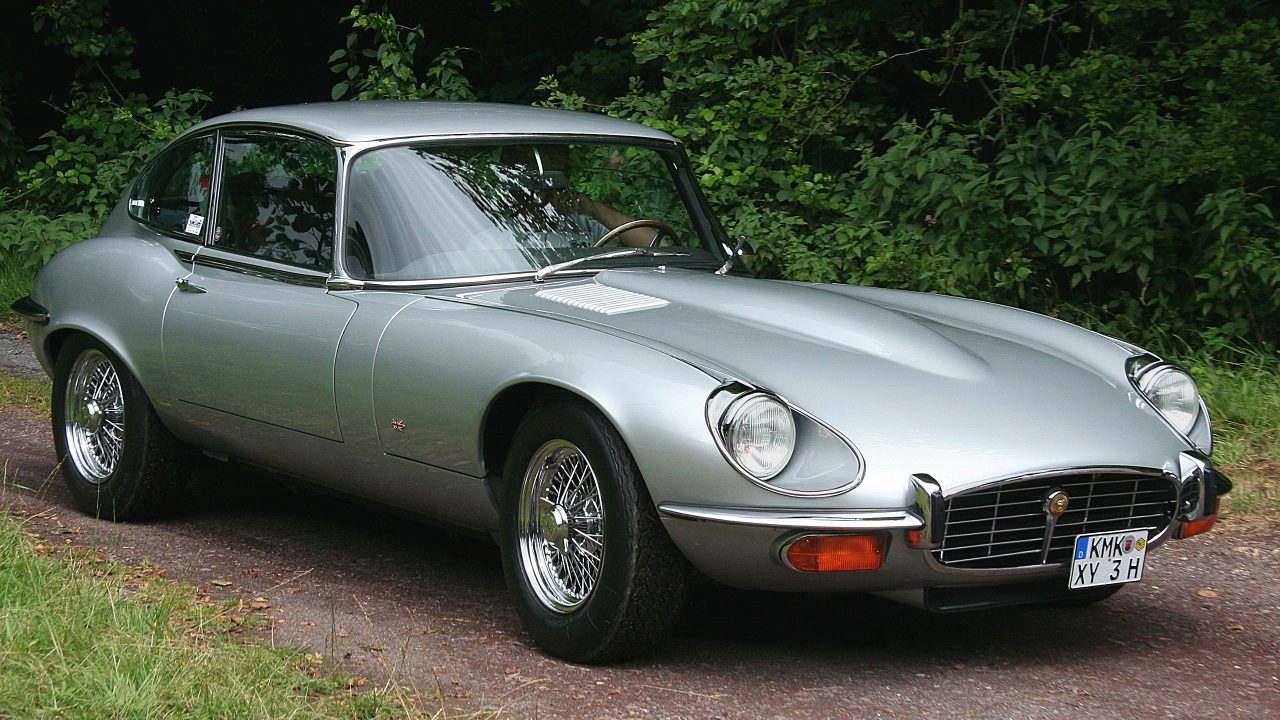
Liability coverage is another crucial aspect that antique and vintage car owners must consider. While this type of coverage is mandatory for all vehicles, the specifics can differ for classic cars. For a car like a 1971 Jaguar E-Type, liability coverage might be adjusted based on the vehicle’s limited use and the lower risk associated with it. Owners should ensure that their liability policy adequately covers potential damages or injuries caused while driving their antique or vintage car.
Factors Affecting Insurance Premiums
The condition and restoration status of your vehicle can significantly impact your insurance premiums. A fully restored 1953 Aston Martin DB2, for instance, would likely have a higher insurance premium than a car in need of significant restoration. Insurers assess the vehicle’s current state to determine its value and the potential cost of repairs, which directly influences the premium.
Additionally, how often and where you store your antique or vintage car can affect your insurance rates. If you only drive your 1948 Tucker 48 on special occasions and store it in a climate-controlled garage, you could benefit from lower premiums compared to someone who uses their car more frequently. Insurers take into account the reduced risk of damage or theft when evaluating the cost of coverage, making it essential to accurately report your vehicle’s usage and storage conditions.
Special Considerations for Antique Car Insurance
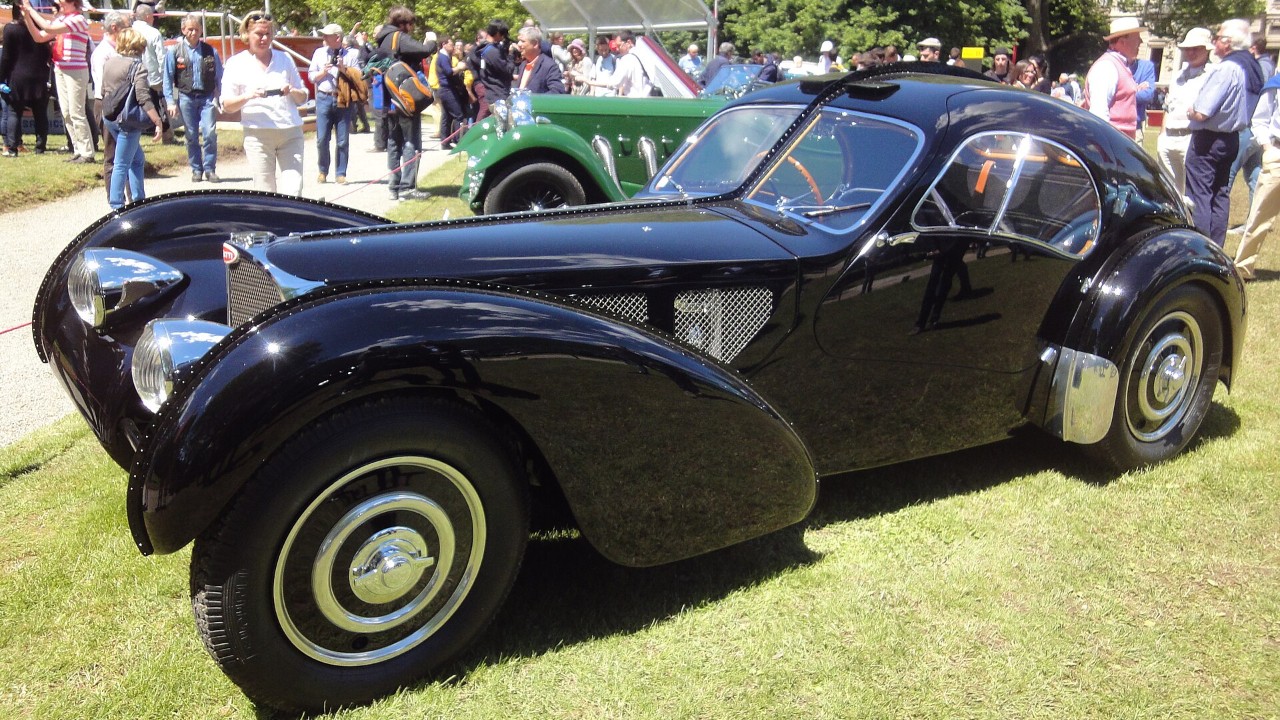
Having a detailed appraisal and maintaining comprehensive documentation is crucial for antique car insurance. A professional appraisal of your 1936 Bugatti Type 57 can provide an accurate valuation, which is essential for securing the right coverage. Documenting any modifications, restorations, and even regular maintenance can help in substantiating the car’s value in case of a claim.
Being a member of a car club can also provide benefits when it comes to insuring your antique or vintage vehicle. Many insurers offer discounts to members of recognized clubs, such as the Antique Automobile Club of America. For instance, if you own a 1934 Packard Twelve and are part of a reputable car club, you may qualify for reduced premiums or enhanced coverage options. This reflects the insurer’s perception of club members as more responsible and knowledgeable car owners.
Tips for Choosing the Right Insurance Provider
Choosing the right insurance provider is crucial for ensuring that your antique or vintage car is well-protected. It is essential to select a company with a strong reputation and expertise in classic car insurance. Companies like Hagerty and Grundy Insurance specialize in antique and vintage vehicles, offering tailored policies that reflect the unique needs of these cars. For example, insuring a 1961 Mercedes-Benz 300SL with a specialized provider can give you confidence in the coverage and service you receive.
Customer reviews and testimonials can be invaluable when evaluating potential insurers. By researching the experiences of other antique and vintage car owners, you can gain insights into the quality of service and customer satisfaction offered by different companies. Reading about the experiences of others who insured their 1954 Corvette with a particular provider may help you make an informed decision about your own coverage needs.