Engine temperatures climb fast whenever you drive, idle in traffic, or run the air conditioning, and your cooling fan quietly keeps that heat in check. By pulling air through the radiator exactly when the vehicle needs it most, the fan helps stabilize coolant temperatures and protects expensive components from damage. Understanding how that fan works, why it switches on, and what happens when it fails gives you a clearer picture of how your car stays healthy under the hood.
How the cooling fan fits into your engine’s temperature control
Modern engines generate intense heat as fuel burns and metal parts move at high speed, so the cooling system must move that heat away quickly. Coolant absorbs energy from the engine block, flows through the radiator, and releases it to passing air, while the fan boosts airflow whenever natural movement from driving is not enough. Electric fans on cars like the Toyota Camry or Honda Civic switch on when sensors detect rising coolant temperatures, then shut off again once readings drop into a safe range. Mechanical fans on older trucks or SUVs rely on a belt and clutch, which engage more strongly when under-hood temperatures climb and relax when cooling demand falls.
Engine control modules track coolant temperature, air conditioning load, and sometimes vehicle speed to decide when the fan should run. Many vehicles use a primary fan for the radiator and a secondary unit for the condenser, so the system can respond differently to highway cruising, city traffic, or heavy towing. Some designs stage fan speeds, starting at a low setting for mild heat and stepping up to high speed when temperatures approach the upper limit of the normal range. That strategy keeps noise and electrical draw manageable while still giving the cooling system enough airflow to prevent overheating during tough conditions.
Electric versus mechanical fans and why the difference matters
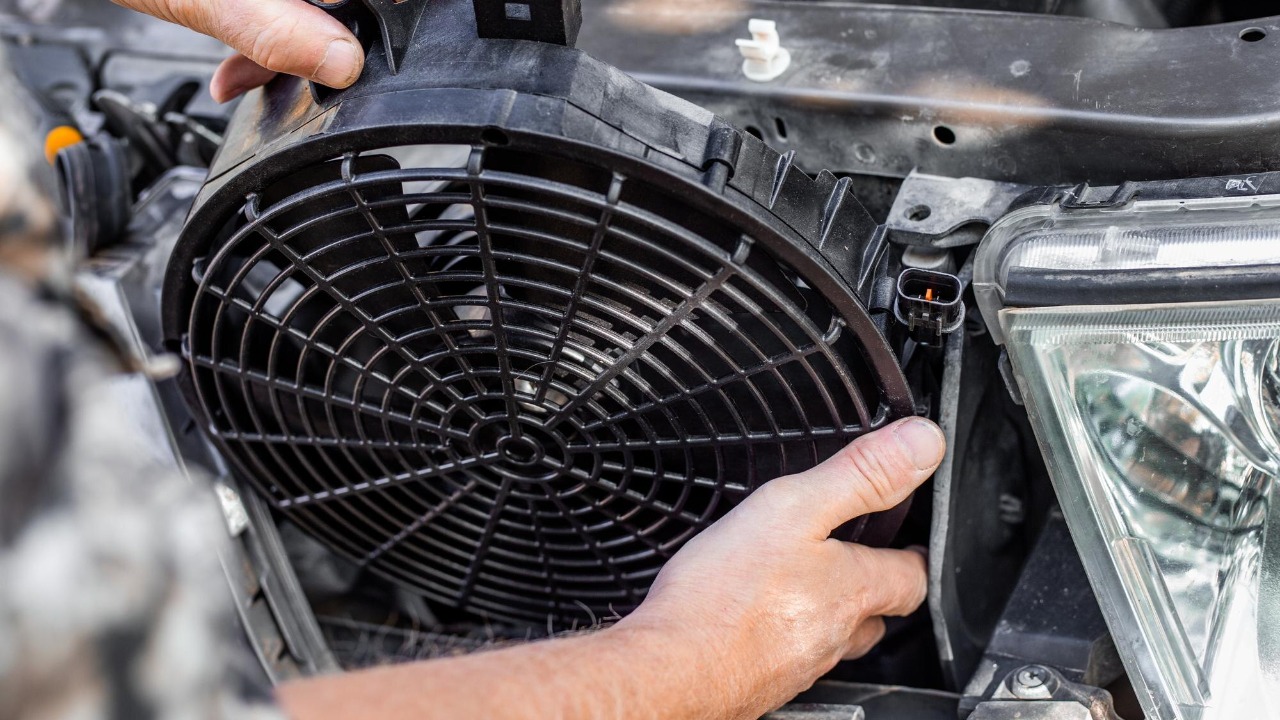
Electric cooling fans dominate on front wheel drive cars and crossovers because they offer precise control and flexible packaging. These fans mount directly to the radiator shroud and run on demand, which reduces parasitic drag on the engine and can improve fuel economy. Control modules can also coordinate fan operation with the air conditioning system, so the fan kicks in to keep condenser pressures stable when you sit at a long red light. Many late model vehicles use brushless motors and solid state relays, which handle frequent cycling and variable speeds more reliably than older designs.
Mechanical fans still appear on some body on frame trucks and large SUVs, where towing and heavy loads demand constant airflow. These fans bolt to a pulley on the water pump and spin whenever the engine runs, with a viscous clutch that slips at low demand and locks up when more cooling is needed. That setup delivers strong airflow at low road speeds, which helps when you haul a trailer up a steep grade or crawl off road. The tradeoff comes in efficiency and noise, since a locked mechanical fan can consume noticeable power and create a loud roar under heavy load.
When and why your cooling fan turns on

Cooling fans do not run all the time, and their behavior changes with speed, temperature, and climate control settings. At highway speeds, natural airflow through the grille usually keeps coolant temperatures stable, so the fan may stay off even though the engine works hard. In stop and go traffic, airflow drops, so the fan cycles on more often to pull air through the radiator and condenser. Many vehicles also trigger the fan whenever the air conditioning compressor engages, because the condenser needs airflow to shed heat and keep cabin temperatures comfortable.
Temperature sensors feed real time data to the engine computer, which compares readings to programmed thresholds and commands the fan accordingly. Some cars start the fan around the midpoint of the gauge and keep it running until coolant drops several degrees below that point, creating a hysteresis band that avoids rapid on off cycling. Hybrid and start stop systems rely heavily on this logic, since the engine may shut down at lights while the fan continues to run to maintain coolant and cabin comfort. Drivers often hear the fan continue for a short time after parking, which helps prevent heat soak from spiking temperatures in the engine bay.
What happens when the cooling fan fails
Cooling fan problems usually show up first as overheating at low speeds or while idling, even though the temperature gauge looks normal on the highway. A failed fan motor, blown fuse, or bad relay can leave the radiator without forced airflow, so coolant temperatures climb quickly when the car sits still. Some drivers notice the air conditioning turning warm at a stop, then cooling again once the vehicle moves, which often points to a fan that no longer supports the condenser. Ignoring those early signs risks warped cylinder heads, blown head gaskets, or transmission damage on vehicles that route transmission fluid through the radiator.
Diagnosis starts with simple checks, including listening for fan operation when the engine warms up and the air conditioning runs. Technicians then verify power and ground at the fan connector, inspect fuses and relays, and confirm that the temperature sensor sends accurate data to the control module. Many late model cars store fault codes when the fan circuit misbehaves, which helps pinpoint issues like a stuck relay or failed control module driver. Prompt repairs protect the engine and often cost far less than the damage that can follow a single severe overheating event.
How to help your cooling fan and system last longer
Preventive maintenance gives the cooling fan and related components a better chance at a long service life. Regular coolant changes keep corrosion inhibitors fresh, which protects the radiator, thermostat housing, and temperature sensors that guide fan operation. Cleaning debris from the grille and radiator fins improves natural airflow, so the fan does not need to work as hard or run as often. Many owners also benefit from periodic inspections of wiring harnesses and connectors near the fan shroud, since heat and vibration can crack insulation or loosen terminals over time.
Driving habits influence cooling demands as well, especially in hot climates or during towing. Allowing the engine to idle briefly after a hard climb or high speed run gives the fan time to pull temperatures down before shutdown. Watching the temperature gauge and responding quickly to any rise above the normal range reduces the risk of severe overheating if the fan or another cooling component fails. Treating the fan as a critical part of the engine’s protection system, rather than a background accessory, helps you catch problems early and keep temperatures under control mile after mile.