Your car’s performance depends on precise control of air, fuel, and spark, and vacuum leaks quietly disrupt that balance. When unmetered air slips into the intake system, the engine computer receives distorted information, so power, drivability, and fuel economy suffer in ways that feel mysterious until you trace the leak.
Understanding how these leaks behave helps you connect rough idle, sluggish acceleration, and strange fuel bills to a single root cause. Once you see how a small crack in a hose or gasket changes the engine’s breathing, you can diagnose problems faster and avoid replacing parts that were never faulty.
How engine vacuum actually works
Engine vacuum starts with pistons moving down on the intake stroke, which lowers pressure in the intake manifold compared with outside air. That pressure difference pulls air through the throttle body and intake plumbing, and the engine control unit expects every bit of that air to pass the mass airflow sensor or manifold pressure sensor before it reaches the cylinders.
Modern control systems treat this vacuum signal as a core data point, so they calculate fuel delivery and ignition timing around it. When the vacuum level changes in ways the computer does not expect, the fuel trims shift, ignition timing adjusts, and the engine may hunt for a stable idle while you feel vibration through the steering wheel.
Why vacuum leaks wreck drivability
Unmetered air that sneaks in through a split hose or hardened gasket bypasses the sensors that track airflow. The computer still injects fuel for the air it measured, so the mixture inside the cylinders runs lean, which can cause hesitation, misfires, and a flat response when you press the accelerator.
Drivability problems often appear first at idle or light throttle, because the engine relies heavily on stable vacuum in those conditions. You may notice the tachometer needle wandering, the exhaust note sounding uneven, or the engine stalling when you shift into gear or turn on the air conditioning.
Fuel economy and emissions hit from small leaks
Fuel economy drops because the engine computer keeps chasing the correct mixture by adding fuel to compensate for unexpected oxygen in the exhaust. That extra fuel does not always burn efficiently, so you spend more at the pump while the engine delivers less usable power on the road.
Emissions also climb, since a lean misfire can send unburned hydrocarbons and higher oxides of nitrogen into the exhaust stream. Catalytic converters work best when the mixture stays near the ideal ratio, and vacuum leaks push the system away from that sweet spot, which can trigger inspection failures and warning lights.
Common leak points under the hood
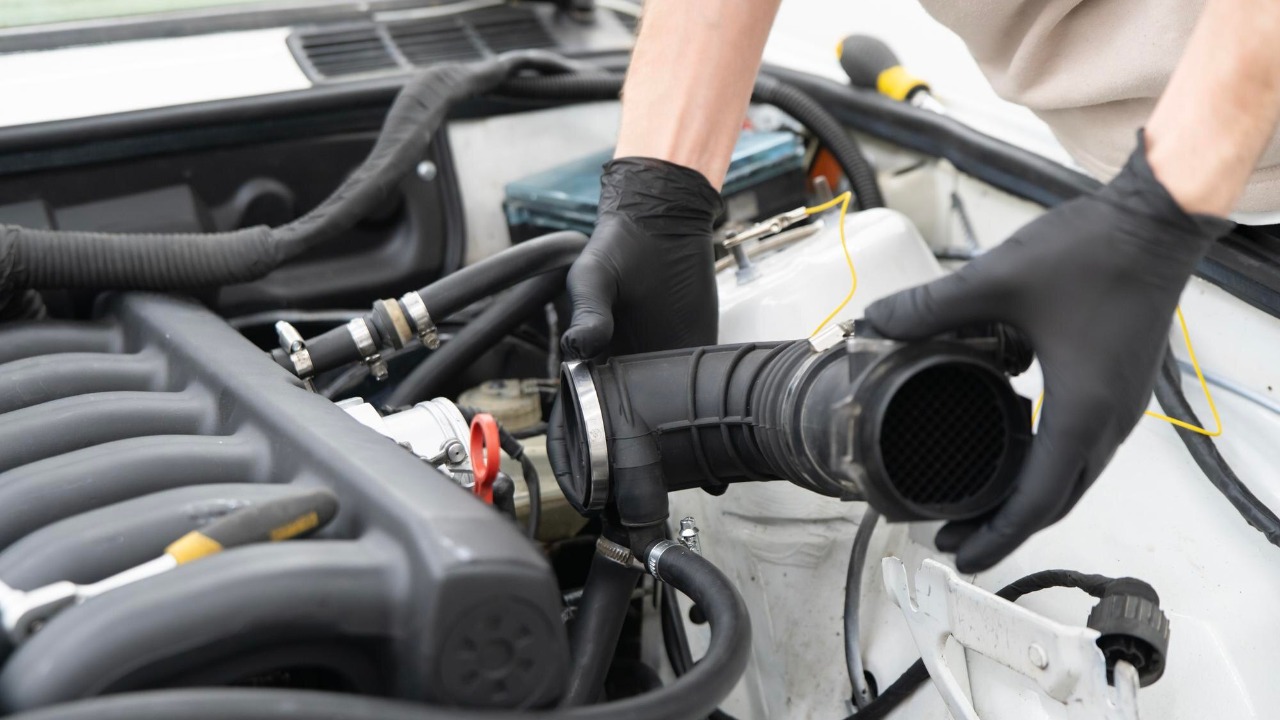
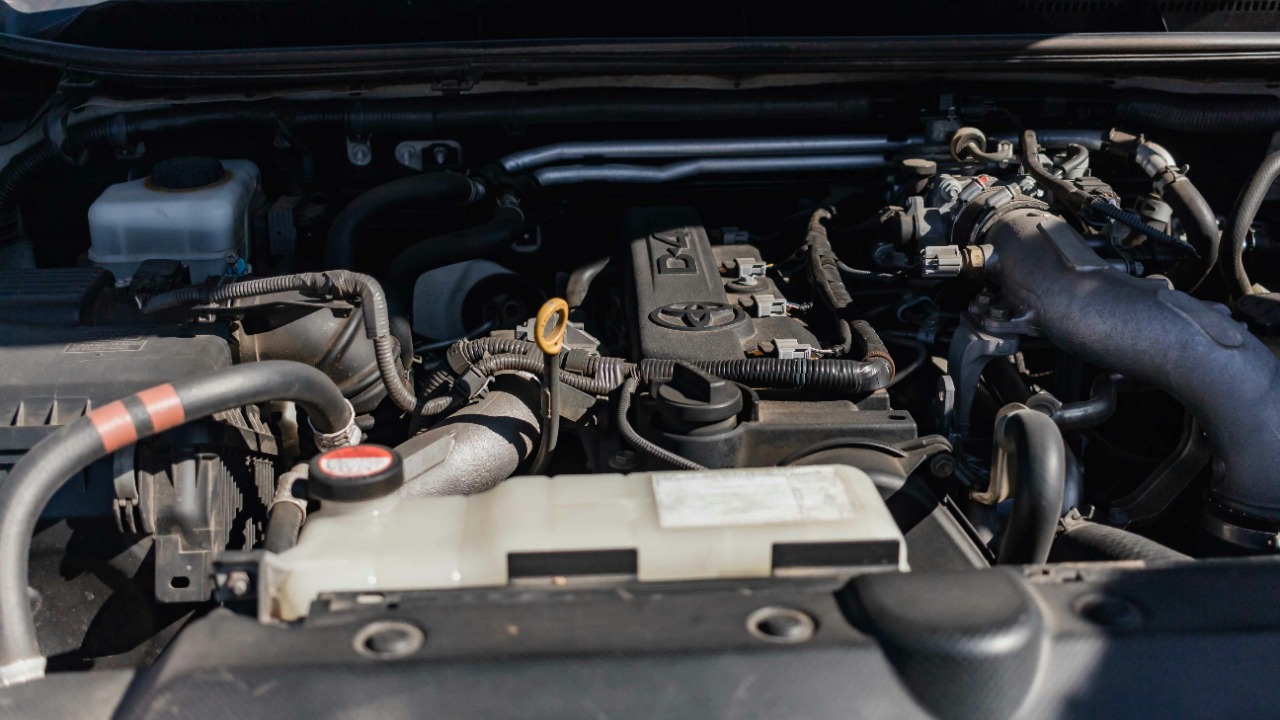
Rubber vacuum hoses that feed components like the brake booster, evaporative emissions system, and intake runners age with heat and oil exposure. Cracks, loose clamps, or brittle plastic tees allow air to slip in, and those small openings often hide under wiring looms or intake ducts where you rarely look.
Gaskets around the throttle body, intake manifold, and injector seals also harden over time, especially on engines that see frequent heat cycles in stop and go traffic. Even the oil filler cap and dipstick tube can become leak paths if their seals no longer fit tightly, so a quick visual check sometimes reveals problems before you reach for tools.
How to recognize vacuum leak symptoms
Rough idle ranks among the most common signs, with the engine shaking more than usual when you sit at a light. The idle speed may surge up and down as the computer tries to correct the mixture, and you might hear a faint hissing sound from the engine bay that changes with throttle position.
Other symptoms include poor acceleration, a check engine light with lean mixture codes, and a noticeable drop in power on hills. Some drivers also report a hard brake pedal when the booster loses vacuum support, which adds a safety concern to what started as a small air leak.
Diagnostic basics you can use at home
Visual inspection gives you a starting point, so trace every vacuum hose with your fingers and eyes, looking for splits, soft spots, or loose connections. Moving hoses gently while the engine idles can reveal changes in sound or idle quality, which helps you narrow down the suspect area.
Spraying a safe cleaner or using smoke testing equipment around joints and gaskets can highlight leaks when the idle speed changes or smoke escapes. Simple tools like a handheld vacuum gauge or scan tool that reads fuel trims also provide clues, since low vacuum readings or high positive trims often point toward unmetered air entering the system.
Why clear language matters when you describe symptoms
Precise descriptions help technicians find vacuum leaks faster, because vague words slow diagnosis and invite guesswork. When you explain that the engine “stumbles at idle after warming up” instead of saying it “feels weird,” you give the shop a concrete starting point that aligns with how professionals think about faults.
Clear phrasing avoids abstract nouns that hide real behavior, so you should focus on specific sensations, sounds, and conditions. Communication experts note that words that are vague confuse listeners, and that same principle applies when you talk about your car’s behavior.