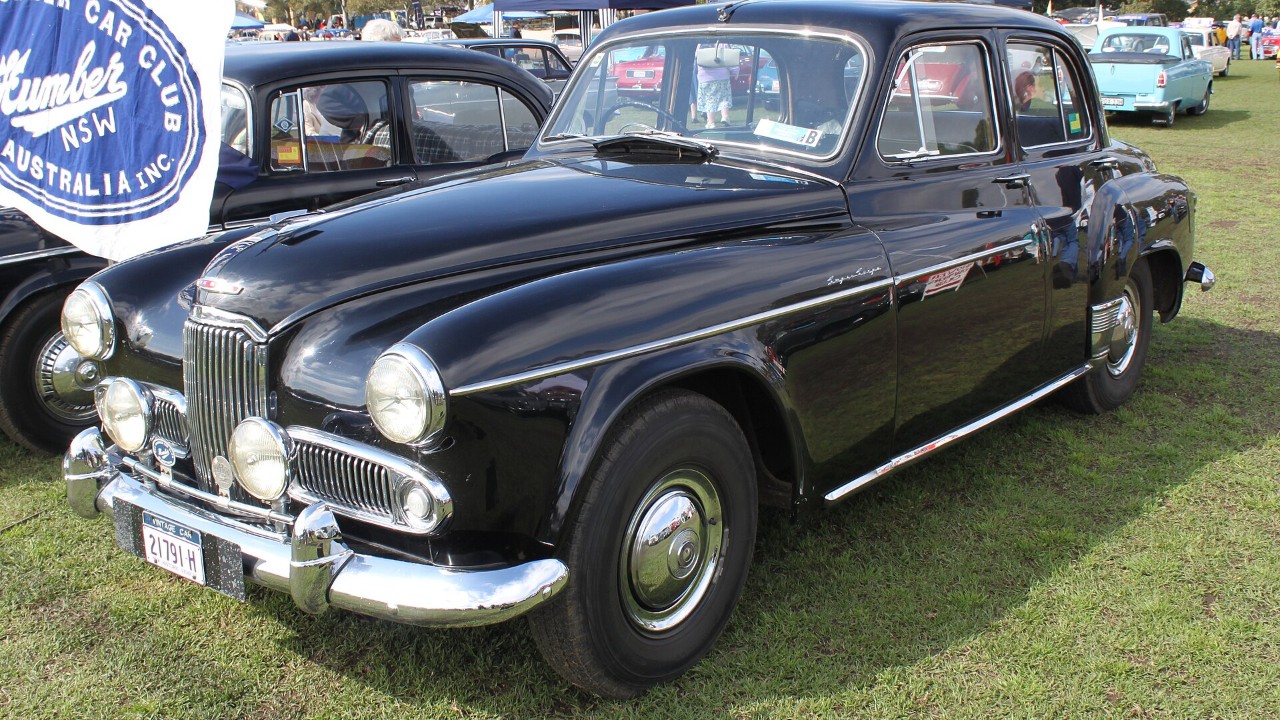
The Humber Super Snipe ran for almost three decades, from a fast 1938 saloon to the Series VA that bowed out in 1967. Along the way it carried a field marshal through North Africa, wore a restyle by Raymond Loewy and became the first Rootes car to reach 100 mph. These eight versions show how a British luxury car kept changing until Chrysler’s arrival ended it.
Humber was part of the Rootes Group, and Shannons Club sums up the Super Snipe as British luxury with a transatlantic flavour. That flavour shows in the car’s size and pace. It also shows in the American owner that closed the story.
Each item below gives one Super Snipe, its year and the detail that sets it apart. The figures come from Shannons Club and Classics World, linked in each section.
1. 1938 Humber Super Snipe
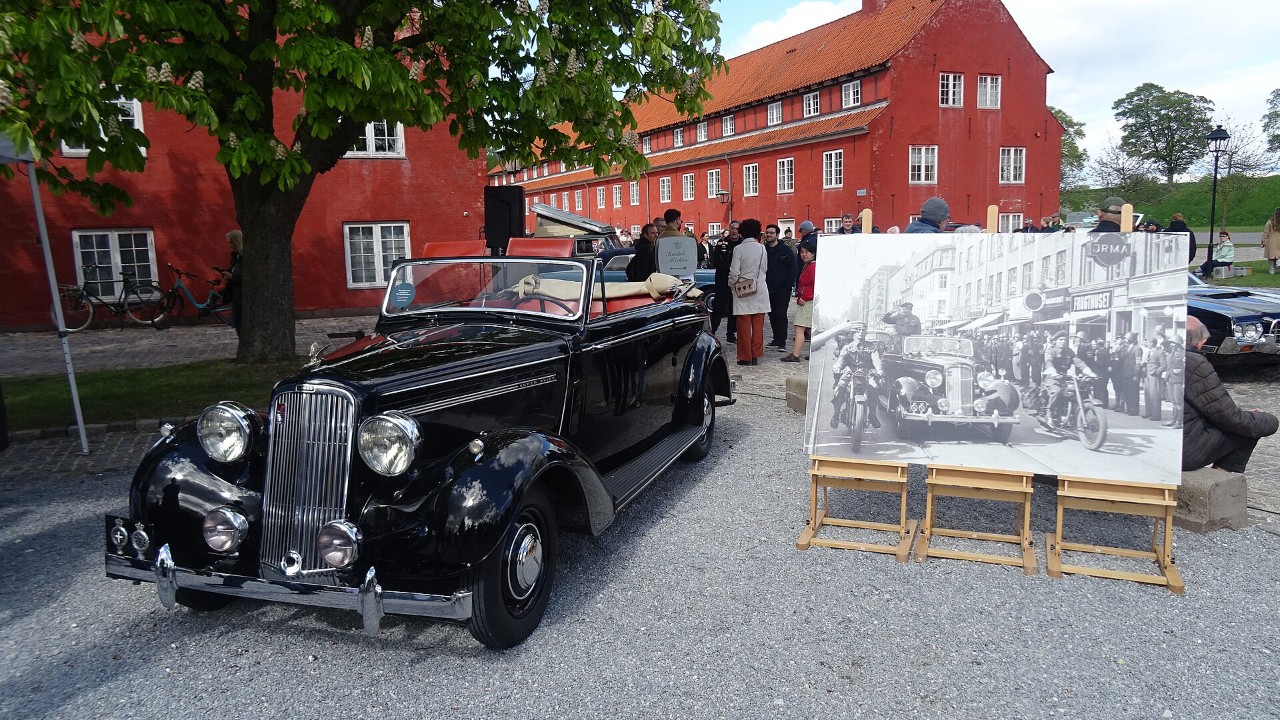
The first Super Snipe arrived in 1938, and it was quick for a big saloon of its day. According to Shannons Club, it ran from zero to 60 mph in 16.7 seconds. Its top speed, meanwhile, was 82 mph.
Historian Graham Robson called it “a real road-burner.” In fact, he said it gave Ford’s V8 models “a great deal of competition,” as Shannons quotes him. That mix of pace and polish set the pattern for every later car on this list.
2. Super Snipe staff cars of World War II
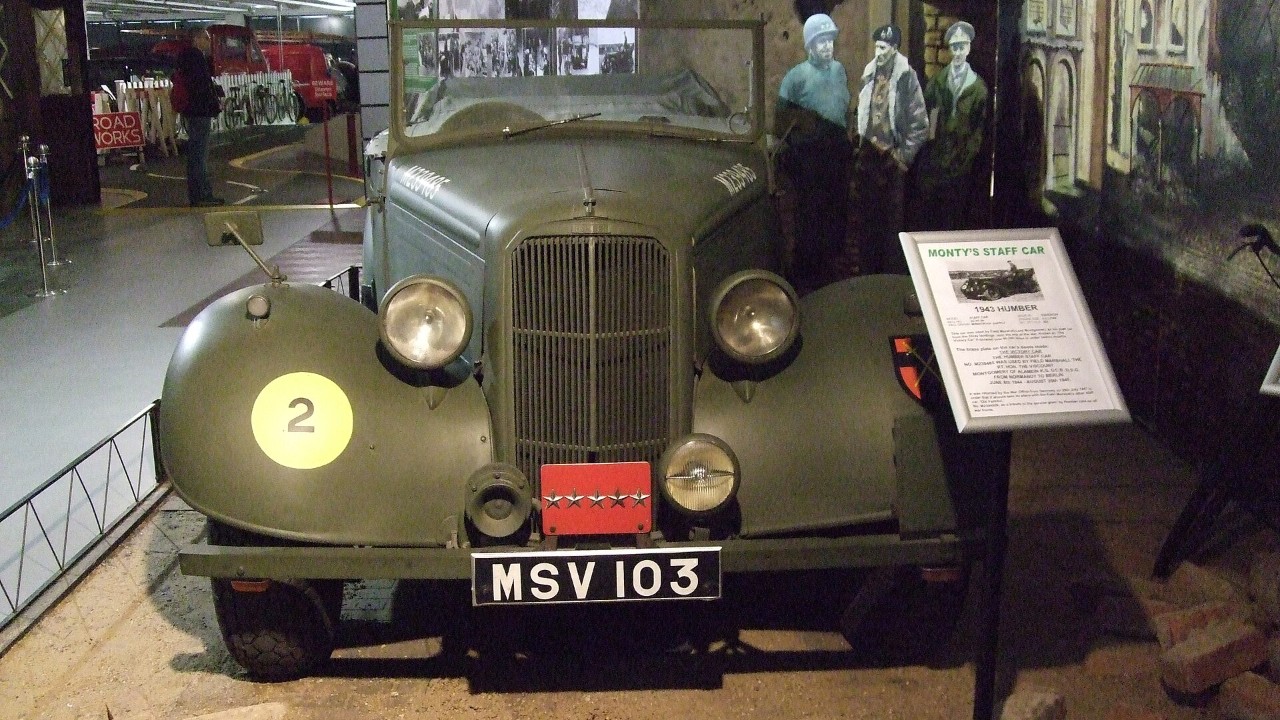
War soon changed the Super Snipe’s job. Instead of private buyers, it served the military, and Shannons says the powerful Super Snipe was much favoured as a staff car. Its most famous user was Field Marshal Montgomery.
Montgomery used an open Super Snipe known as Old Faithful in North Africa, according to Shannons. Meanwhile, the wider Rootes Group turned to war work. Shannons credits it with about 11 per cent of Britain’s wartime wheeled vehicles and 50,000 aero engines.
3. 1950 Super Snipe Mark II
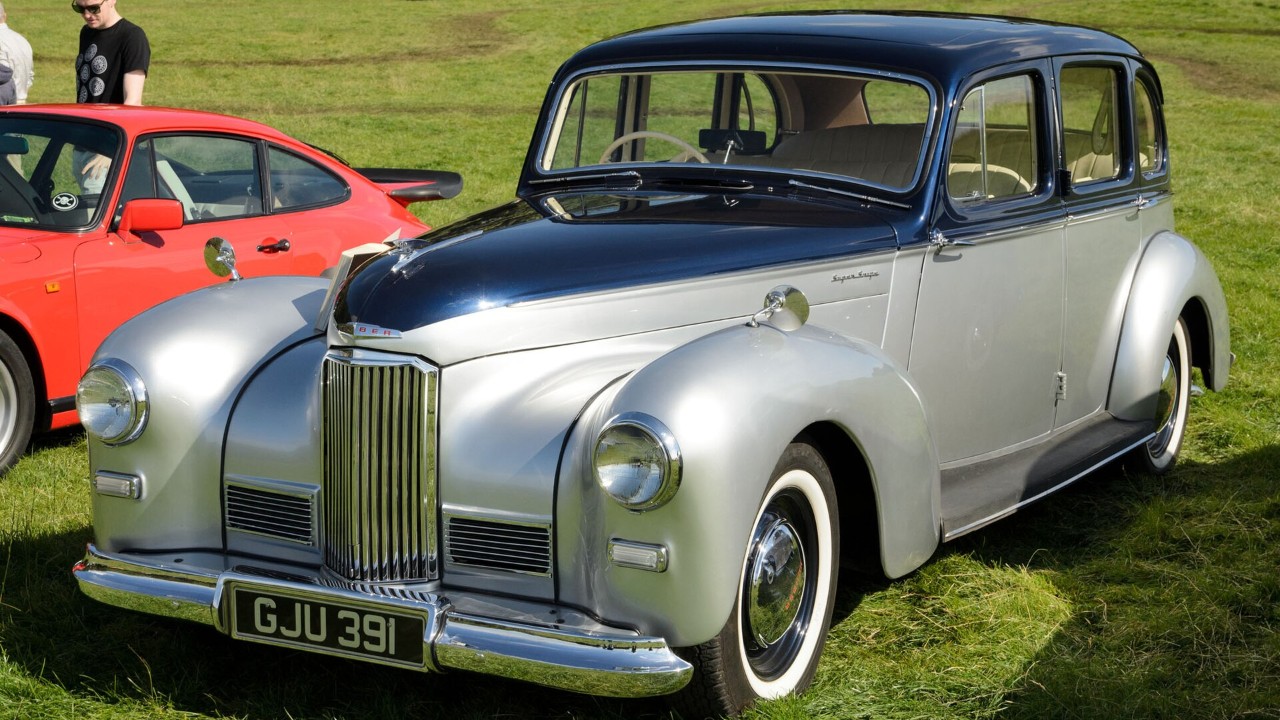
After the war, Humber needed a fresher look. For the 1950 Mark II, it turned to Raymond Loewy, the American designer. Shannons says the restyled car looked very different from its predecessor.
The Mark II also grew, because Humber stretched it. Shannons notes that the Mark II and Mark III used a longer wheelbase than the 1940 car. As a result, they weighed almost 200 kg more.
4. 1952-1957 Super Snipe Mark IV
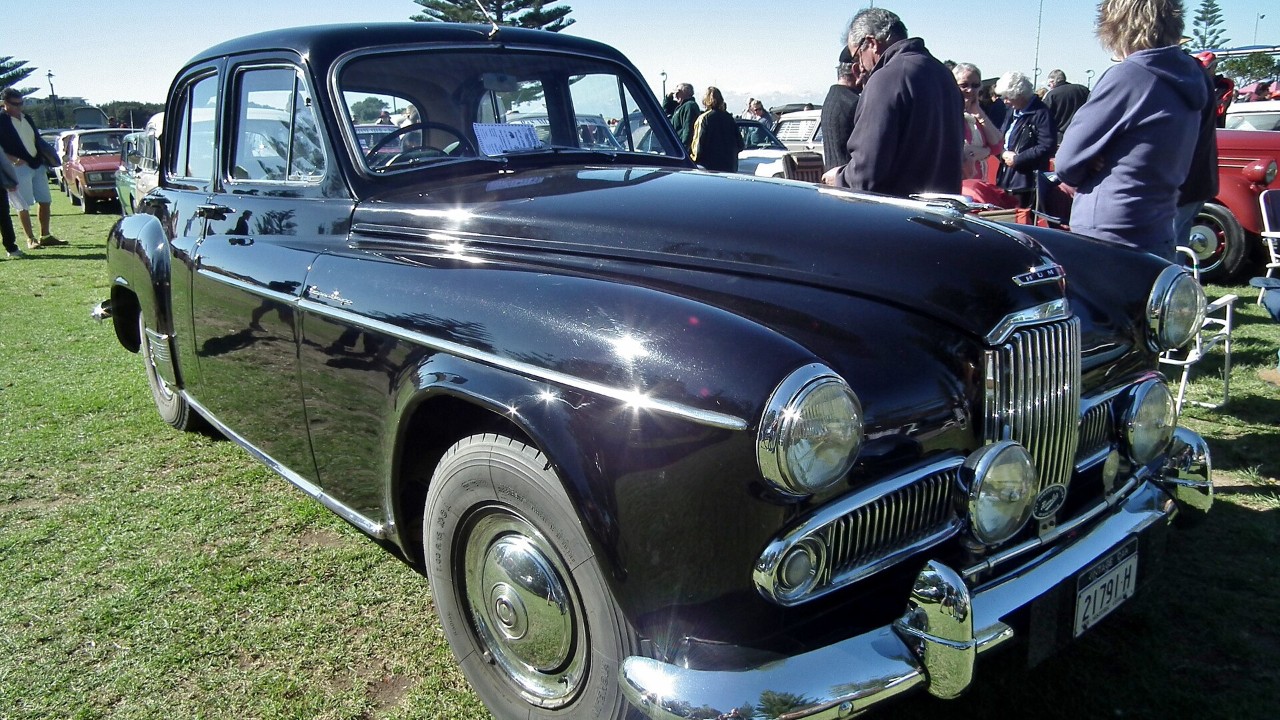
The Mark IV took a longer-wheelbase, longer-bonnet and extended-tail version of the Humber Hawk’s body. Under it sat the overhead-valve Blue Riband six. Shannons adds that some Commer trucks shared the engine.
Performance improved too. According to Shannons, the Mark IV ran from zero to 60 in 16 seconds and reached 90 mph. Humber built it from 1952 to 1957, adding the IVA in 1953 and the IVB in 1954. Together, the club says, some 18,000 Mark IV, IVA and IVB cars reached the road.
5. 1958 Super Snipe Series I
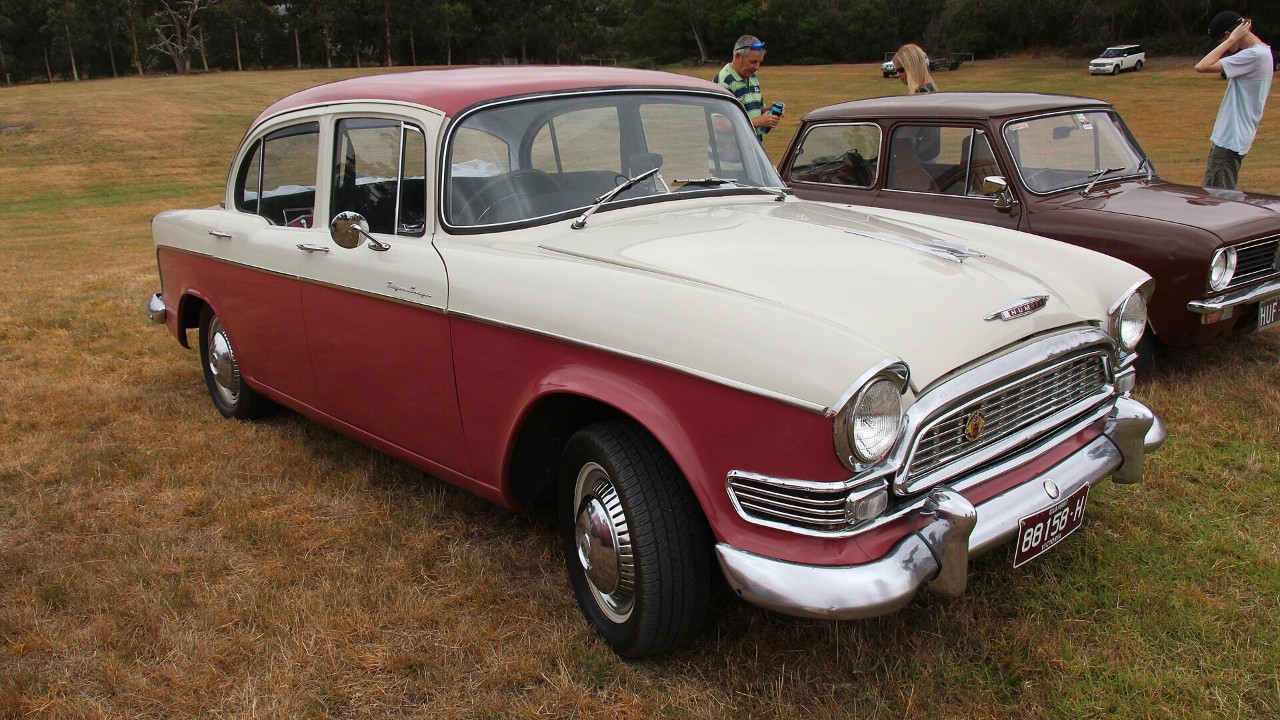
The 1958 Series I was a fresh start. Classics World says it used a 2,651cc six designed by Armstrong Siddeley. Shannons adds that the engine had hemispherical combustion chambers.
However, power was modest at 105 DIN bhp, according to Shannons. The styling, by contrast, looked to America. Shannons reports that the body was said to draw on the 1955 Chevrolet. In the end, Humber built 6,072 Series I cars.
6. 1959 Super Snipe Series II
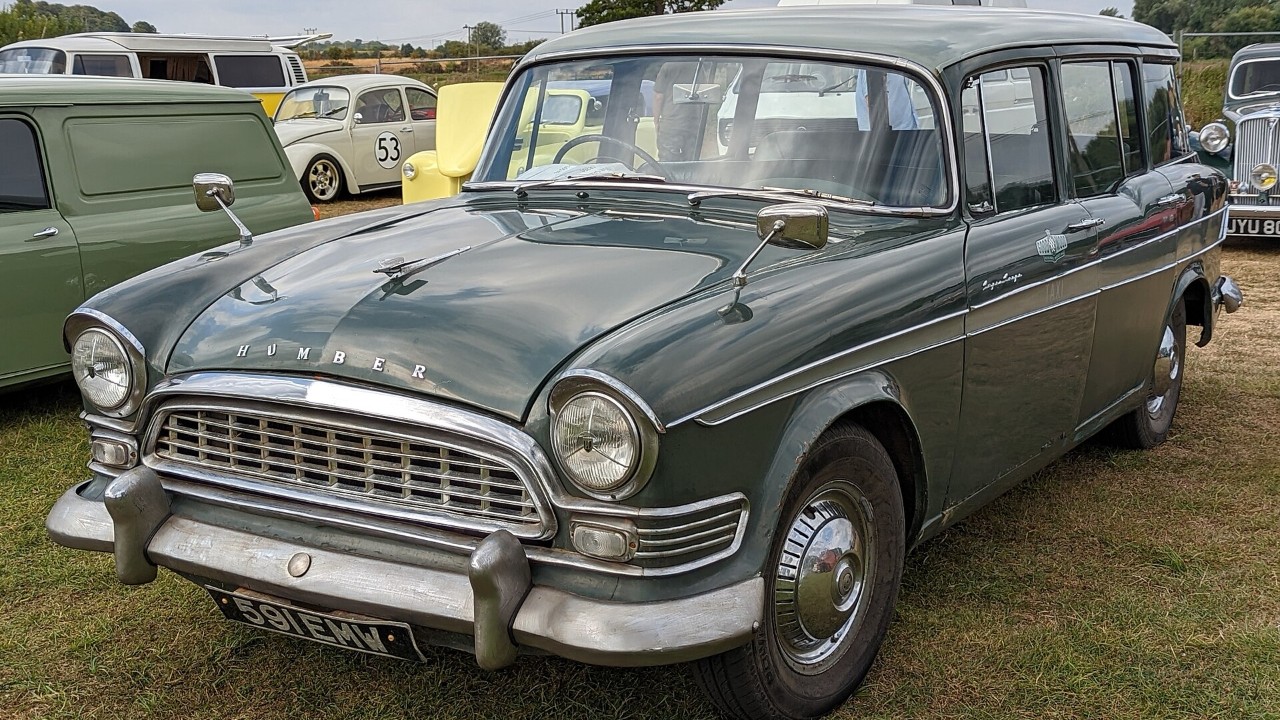
Just a year later, the Series II fixed the power problem. Its engine grew to 3.0 litres, and output rose to 121 bhp, Shannons reports. The car also gained front disc brakes, with power steering as an option.
Most importantly, the Series II could reach 100 mph. According to Shannons, that made it the first Rootes Group product to hit the “ton.” In all, Humber built 7,175 of them.
7. 1960 Super Snipe Series III
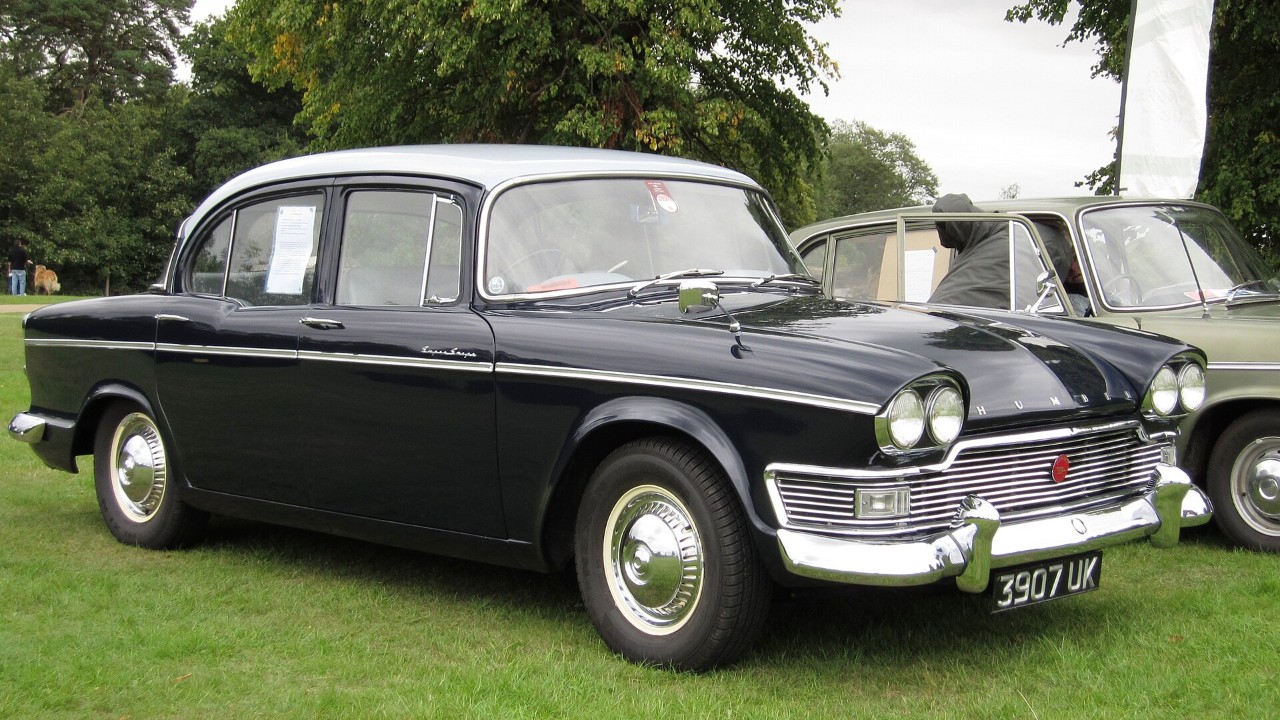
The 1960 Series III changed the Humber’s face. It introduced four headlamps, which Classics World describes as a first for a British car. Two years later, the 1962 Series IV added a redesigned rear window.
These were the best-selling cars of the later run. In fact, Shannons counts 13,752 Series III and IV cars combined. That beat the Series I and Series II totals put together.
8. 1964-1967 Super Snipe Series V and VA
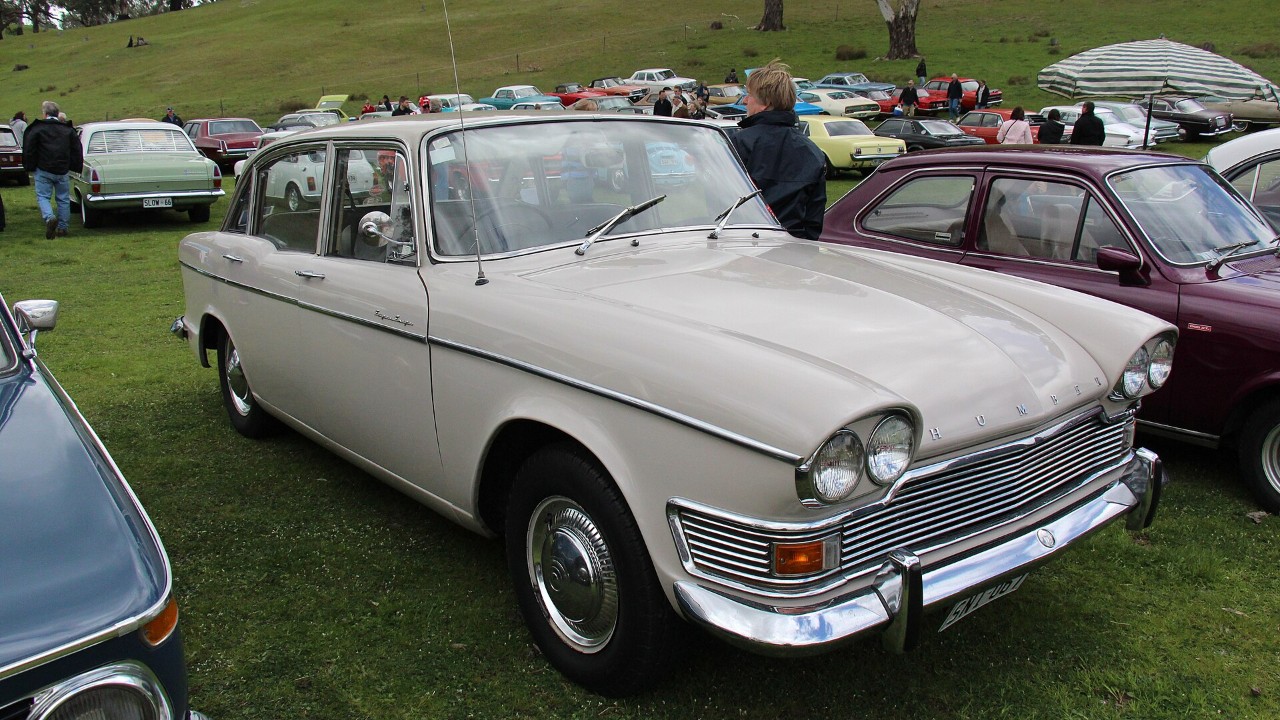
A major facelift arrived in 1964, and Shannons lists the Series V and VA for the 1965 season. Six-light styling replaced the old dog-leg window frame, according to Classics World. The Series V also gained twin Zenith-Stromberg 175CD carburettors. Above it, the new Imperial became the flagship.
Sales fell, though. Shannons says fewer than 3,000 Series V and VA cars found buyers, despite heavy discounting. By then, Chrysler had effectively taken control of Rootes. According to Classics World, March 1967 marked the end of both the Humber Super Snipe and the Imperial.
More from Fast Lane Only